

Ara Macao
Scarlet Macaw
Tropical rainforests, woodlands, and river edges
The Scarlet Macaw, ara macao, is a large, brightly colored parrot native to humid evergreen forests in Central and South America. This striking bird can reach up to 81 cm in length, including its long, pointed tail, and weighs about 1 kg. Its vibrant plumage is primarily scarlet, with blue wings and tail feathers, and yellow coverts. The white skin around its eyes and bill contrasts sharply with its black beak, making its face particularly expressive. Scarlet Macaws are known for their beauty, intelligence, and strong, curved beaks, capable of cracking nuts and seeds.
| Population: | Listed as Least Concern, but faces threats from habitat loss and illegal pet trade |
| Generation Length: | 15-20 years |
| Average Weight: | 1-1.5 kg |
| Average Length: | 81-96 cm, including the tail |
| Lifespan: | 40-50 years in the wild, longer in captivity |
| Diet: | Primarily frugivorous, with some addition of animal protein |
| Conservation Status: | Least Concern (LC) |
Scarlet Macaws are highly social and are often seen in pairs or small family groups. They are capable of loud, raucous calls that can be heard over long distances, used for communication within their group as well as territorial and mating calls. These birds are known for their strong pair bonds, with mated pairs often seen flying close together with synchronized movements.
The diet of the Scarlet Macaw is varied and includes fruits, nuts, seeds, and leaves. In particular, they are known to consume clay from riverbanks, which is thought to neutralize toxins in their diet and supplement their mineral intake. This feeding behavior highlights their adaptation to their environment and contributes to the health of their forest habitats by dispersing seeds.
Reproduction for Scarlet Macaws involves a monogamous pair bond that can last for life. They nest once a year during the dry season in cavities high in dead palm trees or cliff faces. Females typically lay 2 to 4 eggs, which are incubated for about 28 days. Both parents share in the care of the chicks, which fledge at around 90 days but may remain with their parents for up to two years.
The population of the Scarlet Macaw is classified as Least Concern, though it faces threats from habitat destruction and the illegal pet trade. Conservation efforts include habitat protection, reintroduction programs, and international cooperation to combat trafficking. The Scarlet Macaw's role in its ecosystem, coupled with its cultural significance to indigenous peoples and its popularity in aviculture, underscores the importance of these efforts.
Classifications
The Key Attributes
Features
- Movement:
Flying, climbing
- Territorial Behavior:
Monogamous and territorial during breeding season
- Speed:
Fast and agile fliers
- Diet:
Omnivore
- Physical Features:
- Large size with a strong, curved beak for cracking nuts and seeds
- Vivid red plumage with blue and yellow flight feathers
- Powerful claws for climbing and handling food
- Long tail feathers
- Primary Senses:
- Sight
- Hearing
- Touch
Understanding Habitat and Range
Geography
- Habitat:
Tropical rainforests, woodlands, and river edges
- Migration Patterns:
Sedentary, with local movements related to food availability
- Geographical Range:
Central and South America, from southern Mexico to the Amazon rainforest
- Climate Preferences:
Prefers warm, humid tropical environments
Navigating the Wilderness
In the wild
- Predators:
Birds of prey, monkeys, and large snakes may prey on eggs and young
- Prey:
Seeds, nuts, fruits, flowers, leaf buds, insects, and small vertebrates
- Feeding Behavior:
Feeds on a variety of seeds, nuts, fruits, and occasional insects and small animals
- Diet:
Primarily frugivorous, with some addition of animal protein
- Defensive Mechanisms:
- Loud calls to communicate and alert to danger
- Strong flight to escape predators
- Social behavior to protect against threats
- Preferred Food Sources:
- Rainforests with abundant fruit-bearing trees and plants
Insights Into Reproduction
Mating
- Mating System:
Monogamous with long-term pair bonds
- Number of Offspring:
2-4 eggs
- Incubation Period:
About 24-28 days
- Parental Involvement:
- Both parents share in incubation and chick rearing, with the male often feeding the female during nesting
Youngsters Section
Scarlet Macaw
Fun Fact
Scarlet macaws can live up to 75 years in captivity. They are known for their vibrant plumage.
These intelligent birds are native to Central and South America. They use their strong beaks to crack nuts and seeds. Scarlet macaws are social creatures, often seen in pairs or flocks. Their loud calls help them communicate over long distances in the wild.

Download word search puzzles
Word Search Puzzles


Check Out Other Birds

The Red-Breasted Merganser, mergus serrator, is a distinctive sea duck known for its slender, elongated body and striking plumage. Adult males have a dark green head, a white neck with a narrow collar, and a reddish-brown breast, while their back is black and sides are grey. They are particularly noted
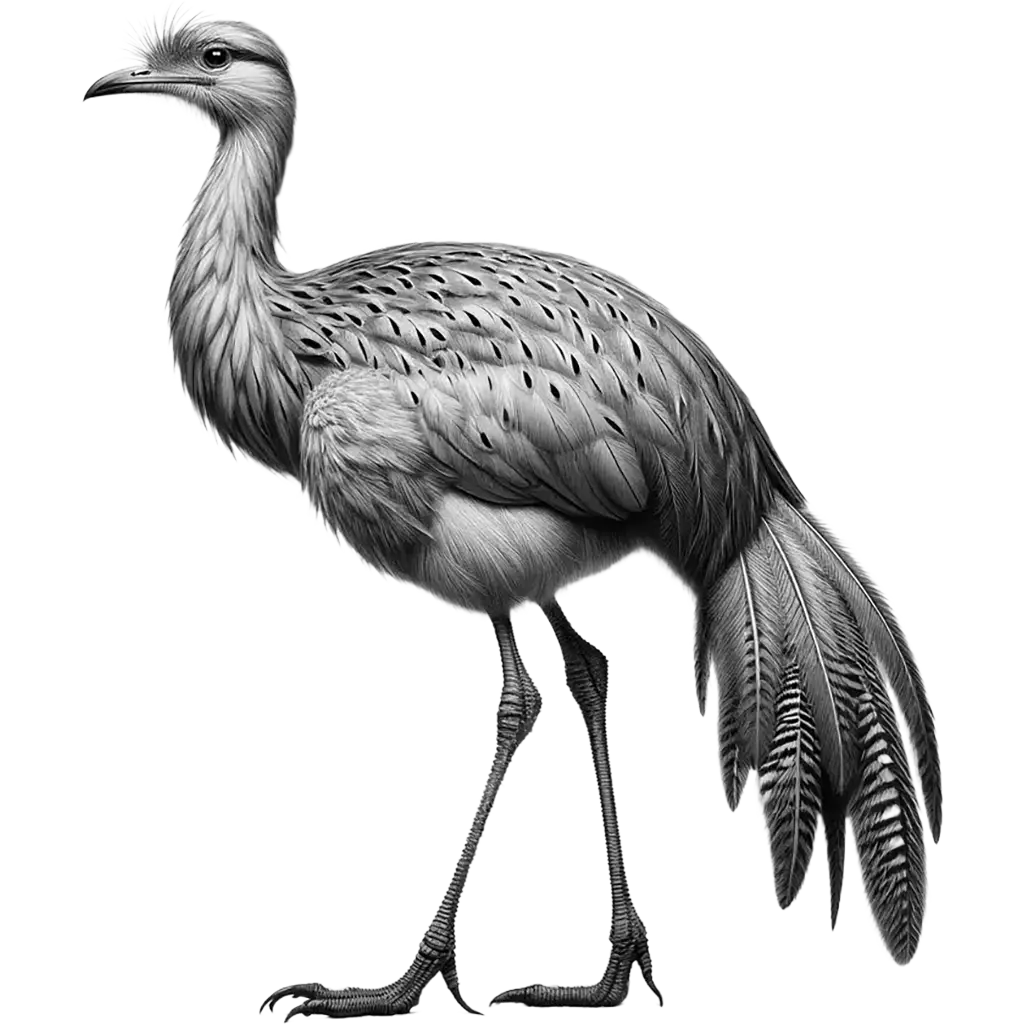
The Black-Legged Seriema, chunga burmeisteri, is a distinctive bird native to South America, particularly found in the dry woodlands and grasslands of northern Argentina, Paraguay, Bolivia, and Brazil. This species is characterized by its slender build, long legs, and predominantly grey plumage, which is complemented by striking black flight feathers
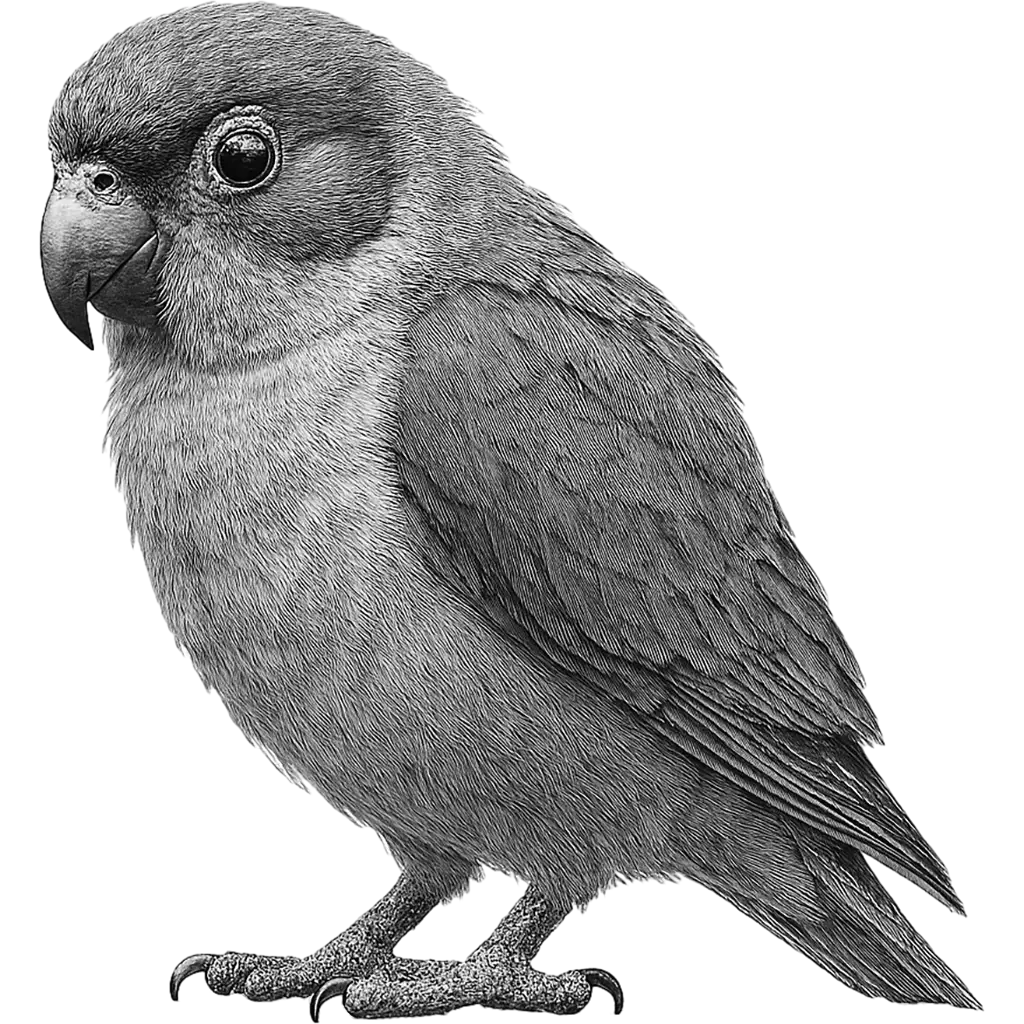
The Red-browed Fig Parrot is a diminutive parrot measuring approximately 13 to 15 centimeters in length. The body is predominantly bright green, providing camouflage among foliage. A vivid red patch graces the forehead, extending above the beak. Males display additional blue coloration around the eyes and lores, while females exhibit
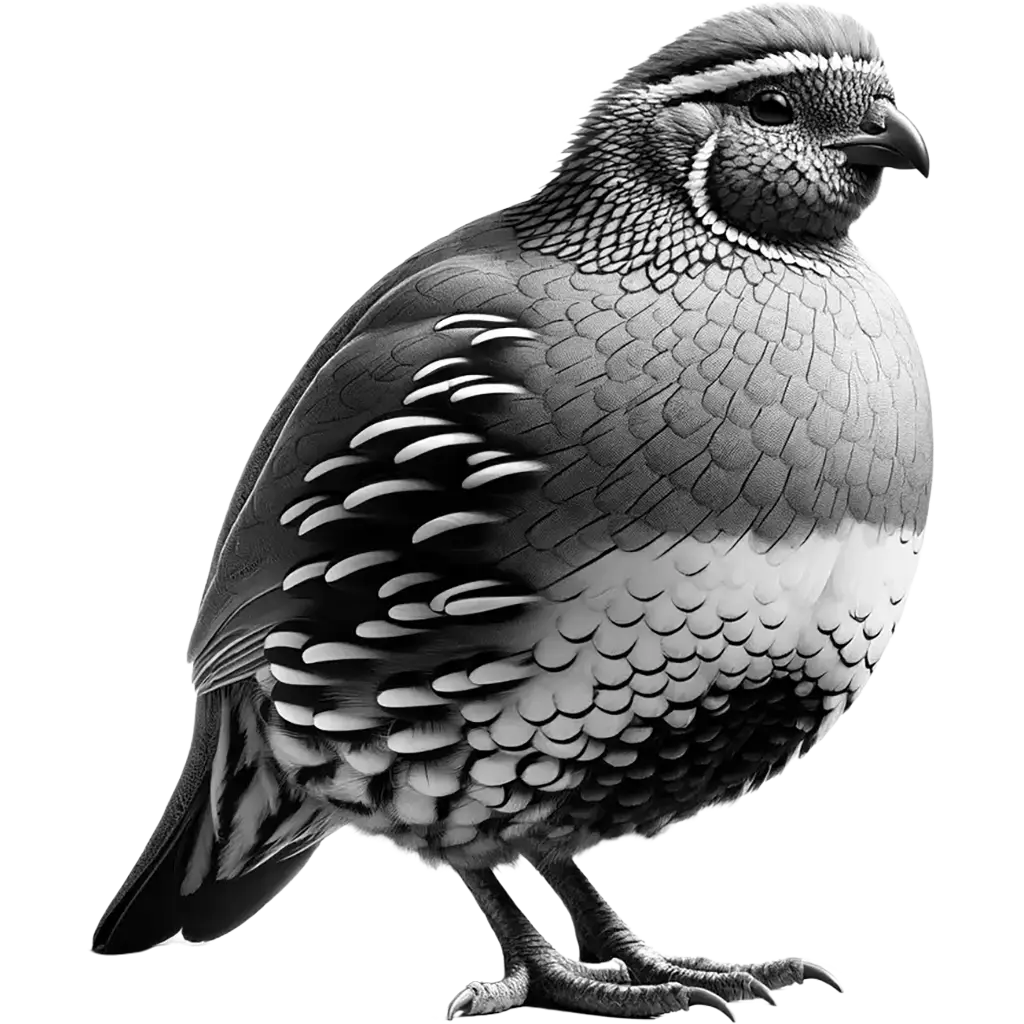
The Scaled Quail, callipepla squamata, also known as the blue quail or cottontop, is a distinctive bird native to the arid and semi-arid regions of the American Southwest and Mexico. Adults are recognized by their blue-grey plumage and the striking, scaled appearance on their breast and back, from which their