
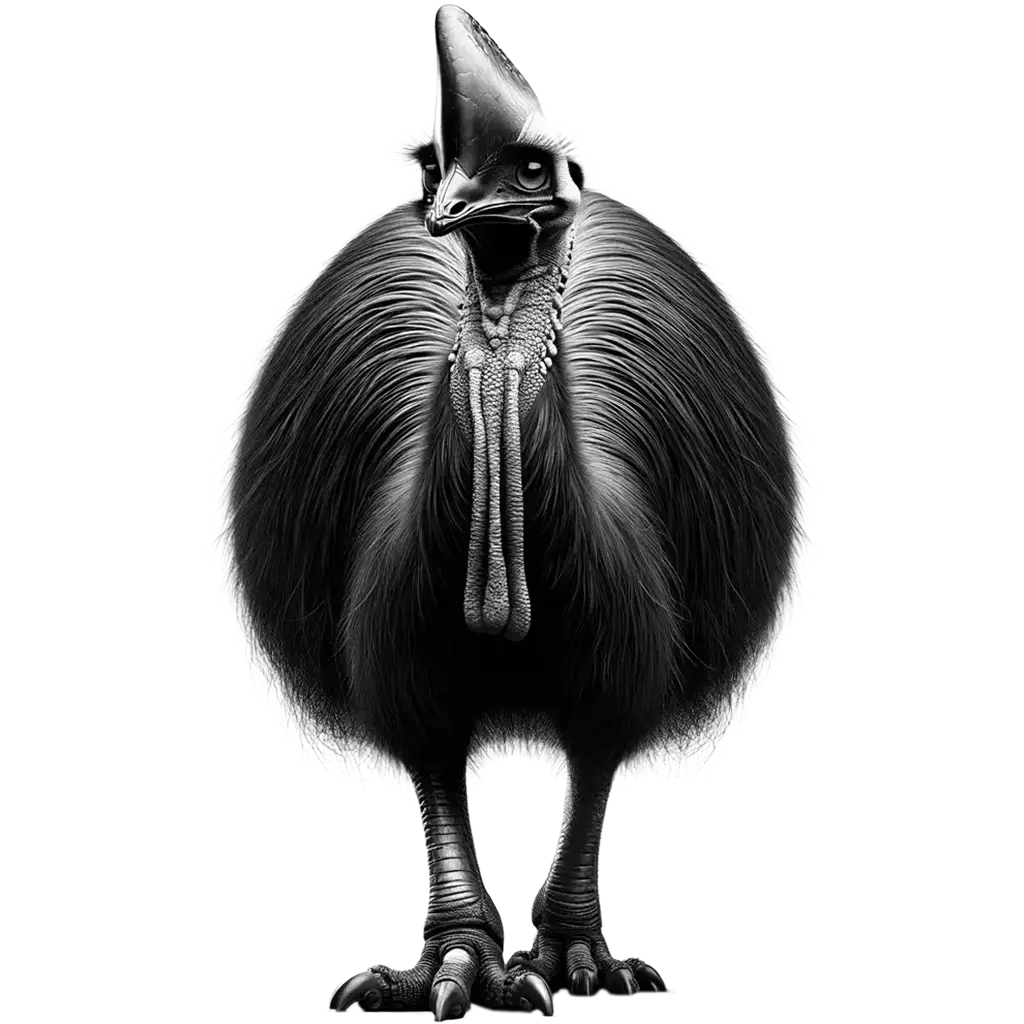
Casuarius Casuarius
Southern Cassowary
Tropical rainforests, mangrove swamps, and fruit orchards
The Southern Cassowary, casuarius casuarius, is a formidable flightless bird native to the tropical rainforests of northeastern Australia, New Guinea, and surrounding islands. This species is renowned for its striking appearance, featuring a brilliant blue face and neck, two red wattles, and a distinctive casque—a helmet-like structure—on its head. The cassowary's body is covered in coarse, black feathers, except for the vibrant bare skin of its head and neck. Adults can stand up to 2 meters tall and weigh up to 85 kg, making them the third-largest bird in the world, after the ostrich and emu.
| Population: | Listed as Vulnerable due to habitat loss and fragmentation |
| Generation Length: | 8-10 years |
| Average Weight: | 58-70 kg |
| Average Length: | 155-170 cm |
| Lifespan: | 40-50 years in the wild |
| Diet: | Primarily frugivorous but also eats small animals, insects, and fungi |
| Conservation Status: | Least Concern (LC) |
Cassowaries are solitary and territorial animals, spending most of their time foraging on the forest floor. They play a crucial role in their ecosystem as seed dispersers, consuming a wide variety of fruits and facilitating the growth of new plants throughout the rainforest. The birds are known for their shy nature but can become aggressive if threatened, using their powerful legs and sharp claws to defend themselves.
The diet of the Southern Cassowary mainly consists of fruits, although it will also eat fungi, invertebrates, and small vertebrates when available. This varied diet helps maintain the health of their rainforest habitats, as many of the seeds they consume are too large for other animals to eat and are only dispersed through cassowary droppings.
Reproduction involves the female laying 3 to 5 large, pale green eggs in a simple nest on the ground, which the male then incubates for about 50 days. Remarkably, after the eggs hatch, it is the male cassowary that takes sole responsibility for raising the chicks for up to nine months, teaching them how to forage and protect themselves in the dense forest undergrowth.
The population of the Southern Cassowary is considered to be at risk, primarily due to habitat loss, road accidents, and attacks by dogs. Conservation efforts are focused on habitat protection, the establishment of wildlife corridors, and public awareness campaigns to reduce human-cassowary conflicts. The survival of the Southern Cassowary is vital for the biodiversity of their rainforest habitats, underscoring the importance of continued conservation action.
Classifications
The Key Attributes
Features
- Movement:
Walking, running
- Territorial Behavior:
Solitary and highly territorial
- Speed:
Capable of running at speeds up to 50 km/h
- Diet:
Omnivore
- Physical Features:
- Large size with a powerful build
- Black plumage with a bright blue neck and red wattles
- Helmet-like casque on top of the head
- Strong legs with sharp claws
- Primary Senses:
- Sight
- Hearing
Understanding Habitat and Range
Geography
- Habitat:
Tropical rainforests, mangrove swamps, and fruit orchards
- Migration Patterns:
Non-migratory, but may roam widely in search of food
- Geographical Range:
Northeastern Australia, New Guinea, and surrounding islands
- Climate Preferences:
Tropical and subtropical climates
Navigating the Wilderness
In the wild
- Predators:
Few natural predators; mainly threatened by humans and dogs
- Prey:
Wide variety of ground-dwelling animals and plants
- Feeding Behavior:
Feeds on fruits, fungi, insects, and small animals
- Diet:
Primarily frugivorous but also eats small animals, insects, and fungi
- Defensive Mechanisms:
- Powerful kick capable of causing serious injury
- Camouflage in the forest underbrush
- Loud vocalizations to deter intruders
- Preferred Food Sources:
- Dense forests with a rich understory of fruit-bearing plants and small animals
Insights Into Reproduction
Mating
- Mating System:
Polygynous
- Number of Offspring:
3-5 eggs
- Incubation Period:
50-52 days
- Parental Involvement:
- Females lay eggs but males typically incubate them and care for the chicks
Youngsters Section
Southern Cassowary
Fun Fact
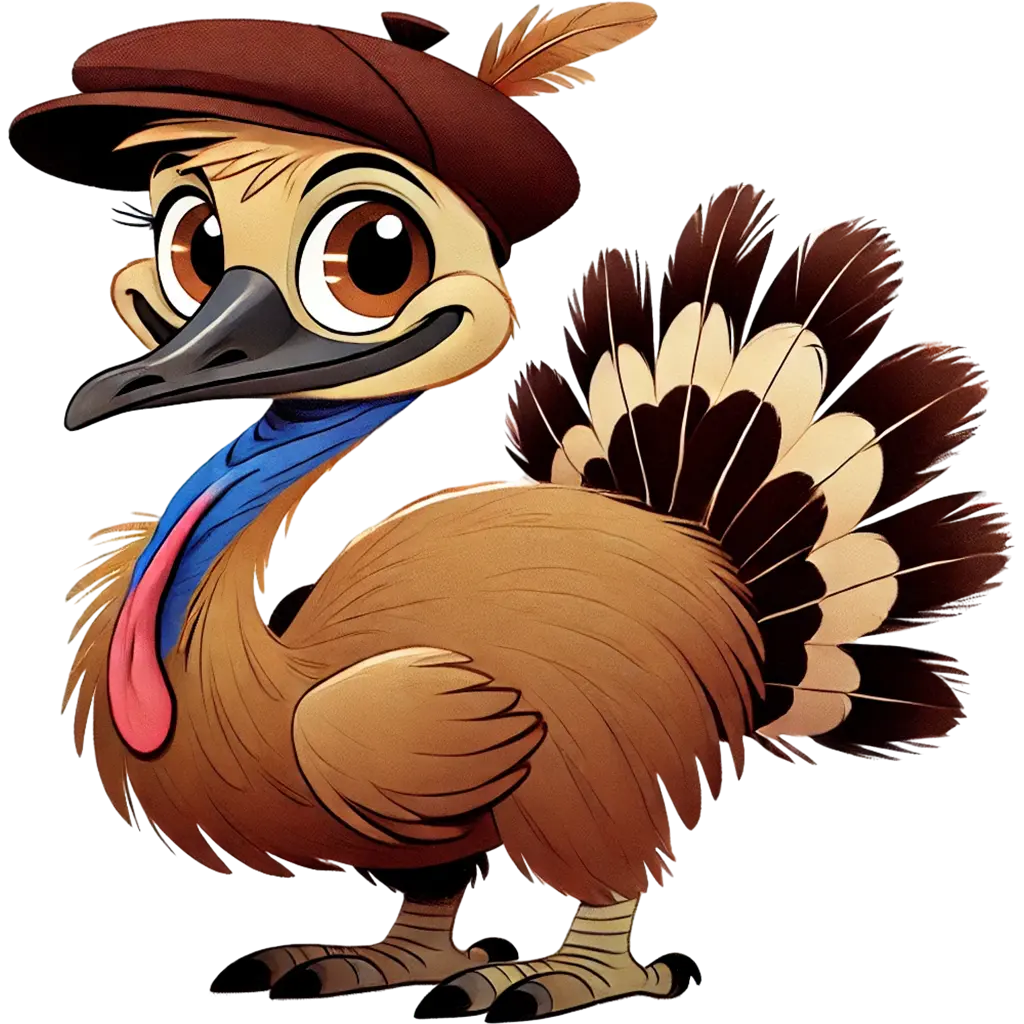
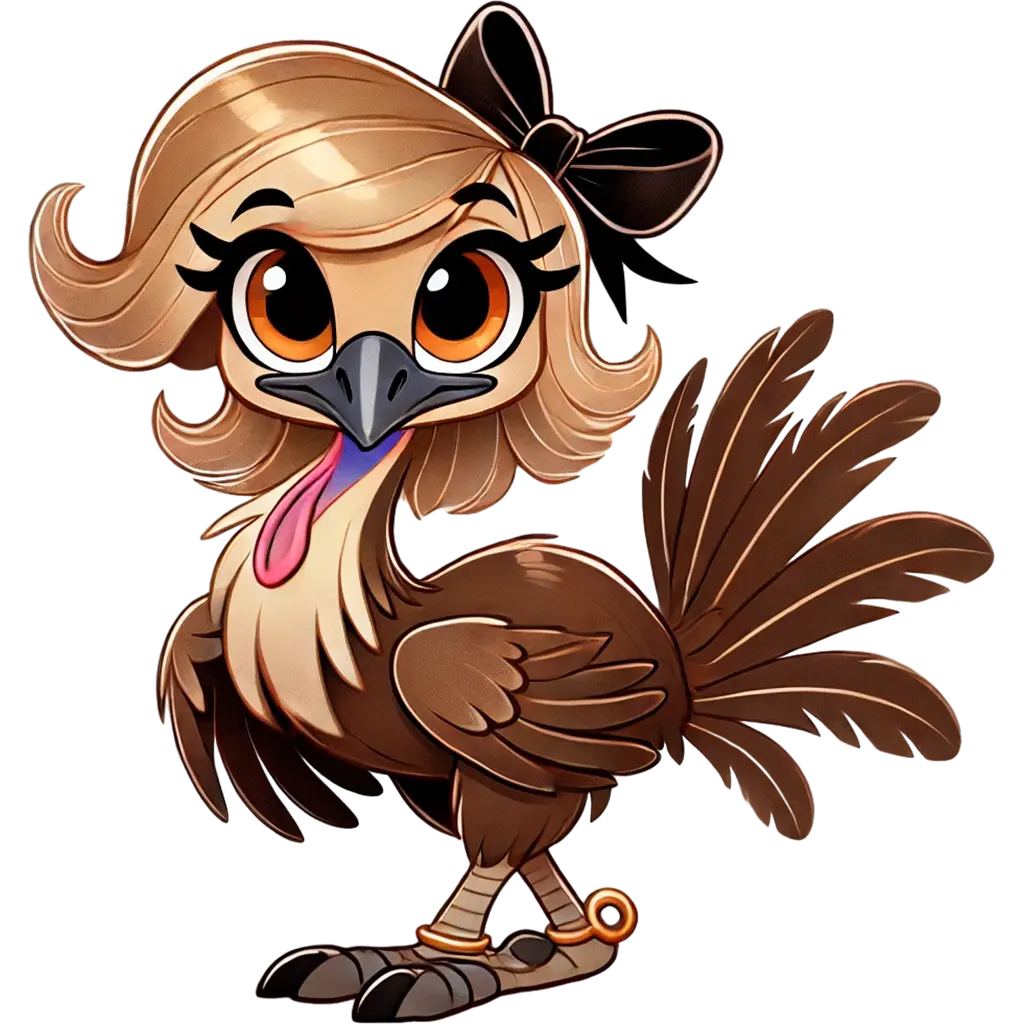
The Southern Cassowary is a flightless bird native to the tropical forests of New Guinea and Australia.
It's known for its striking blue skin and a helmet-like casque on its head. This bird is crucial for forest ecology as it helps disperse seeds, ensuring the growth of various plant species. Despite their beauty, cassowaries can be dangerous and should be observed from a distance.

Download word search puzzles
Word Search Puzzles
Check Out Other Birds
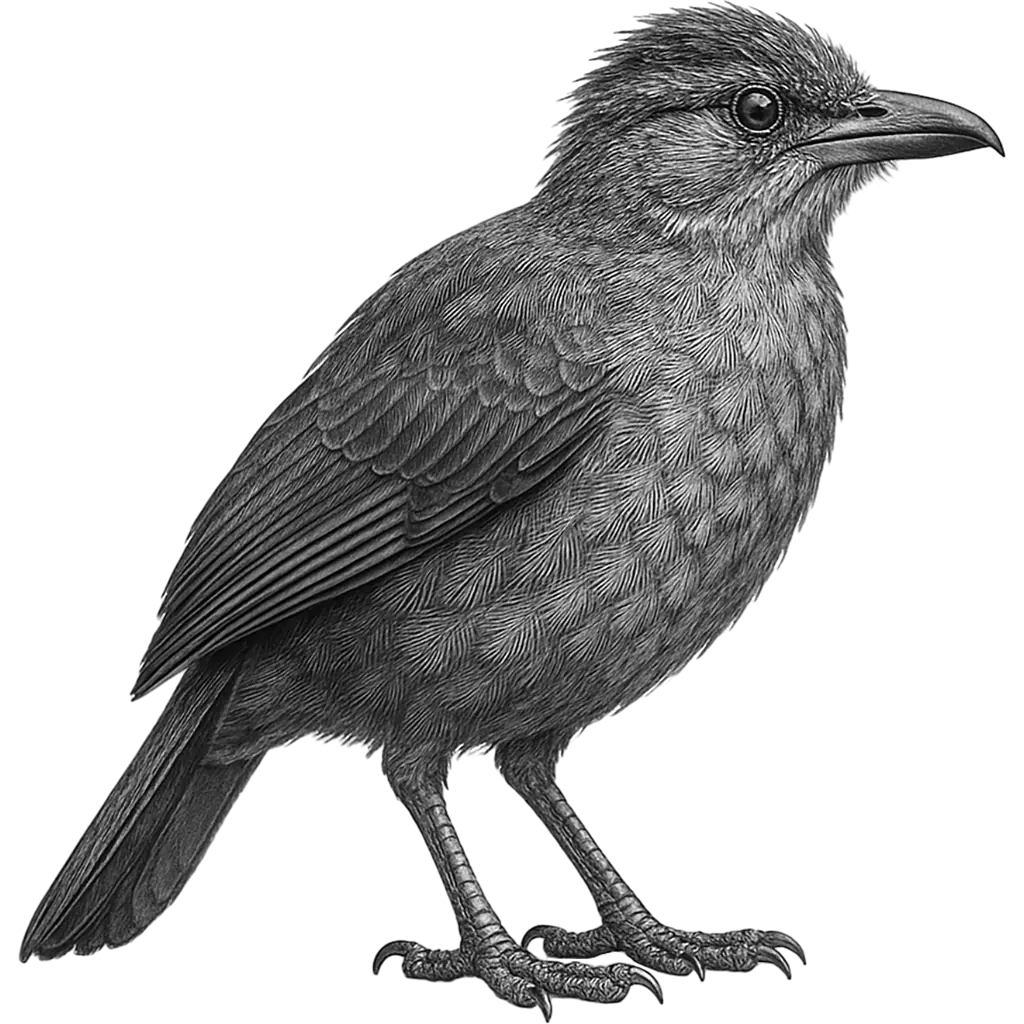
The Hook-billed Bulbul has a slender, medium-sized body typically measuring around 20 centimeters in length, with muted brownish-gray upperparts and a pale, off-white underbelly. Its most distinctive feature is a long, curved bill that hooks at the tip, contrasting sharply in silvery-gray. The bird's tail is relatively long and rounded,
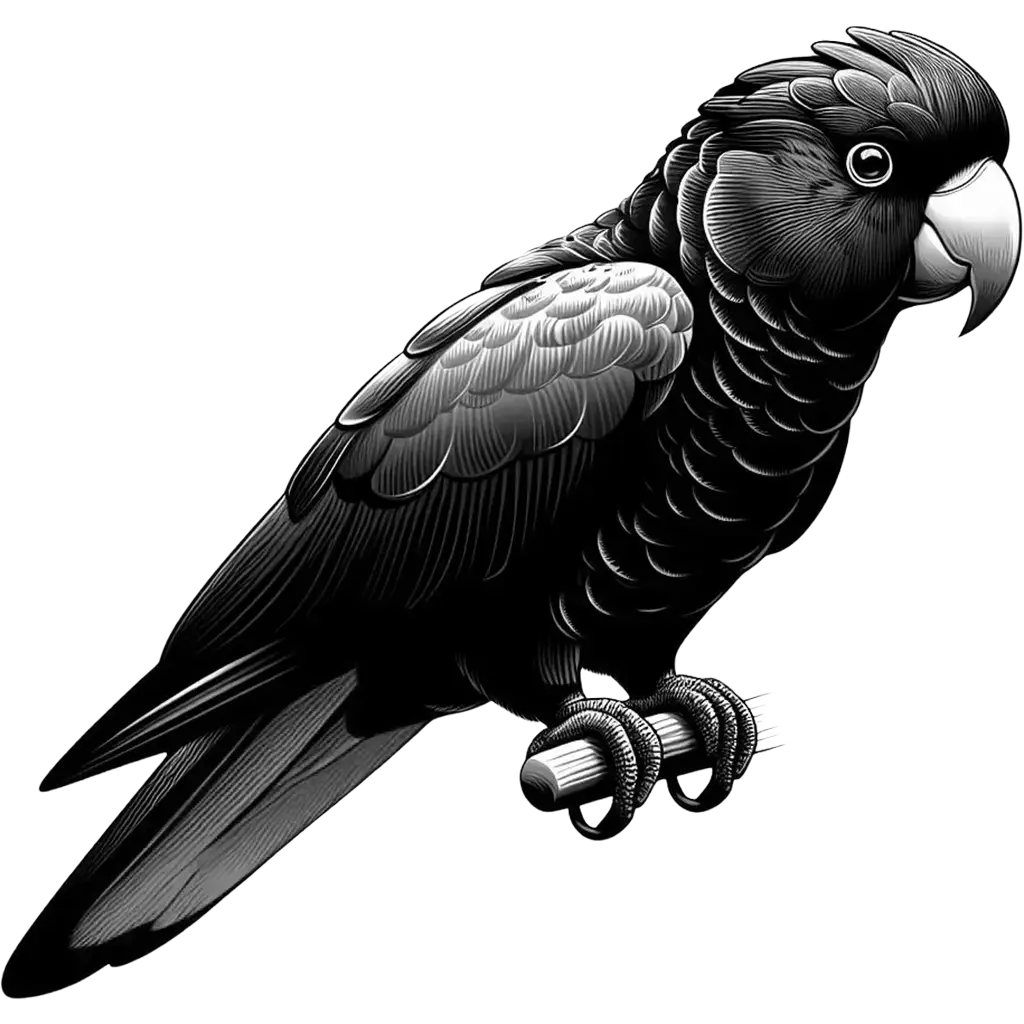
The Red-Tailed Black Cockatoo, calyptorhynchus banksii, is a large, striking bird native to Australia, known for its glossy black plumage and distinctive red tail panels. Adult males boast a bold black color with a bright red band across the tail feathers, while females and juveniles display a more varied plumage
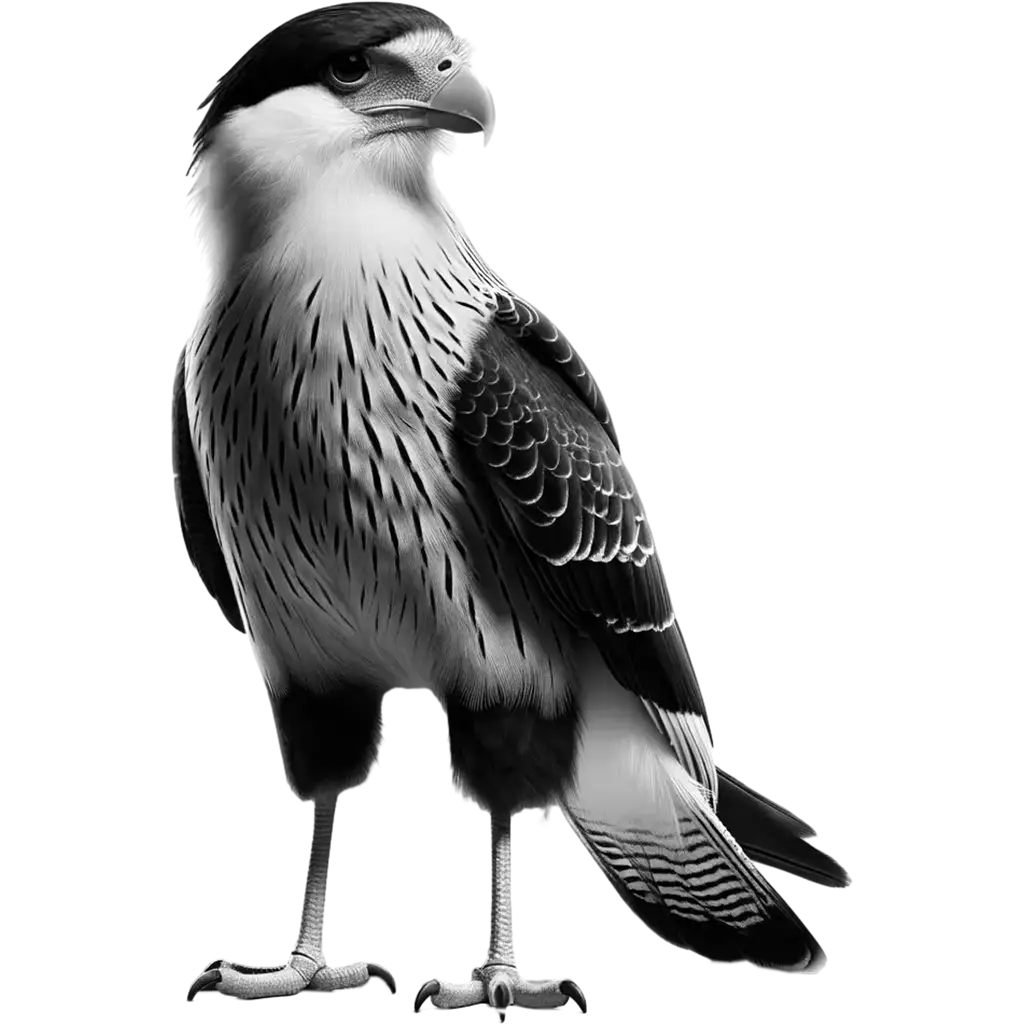
The Chimango Caracara, milvago chimango, is a small raptor found widely across southern South America, including Argentina, Chile, Uruguay, Paraguay, and the southern regions of Brazil. This bird of prey is part of the Falconidae family and is known for its adaptability to various environments, including open grasslands, agricultural areas,
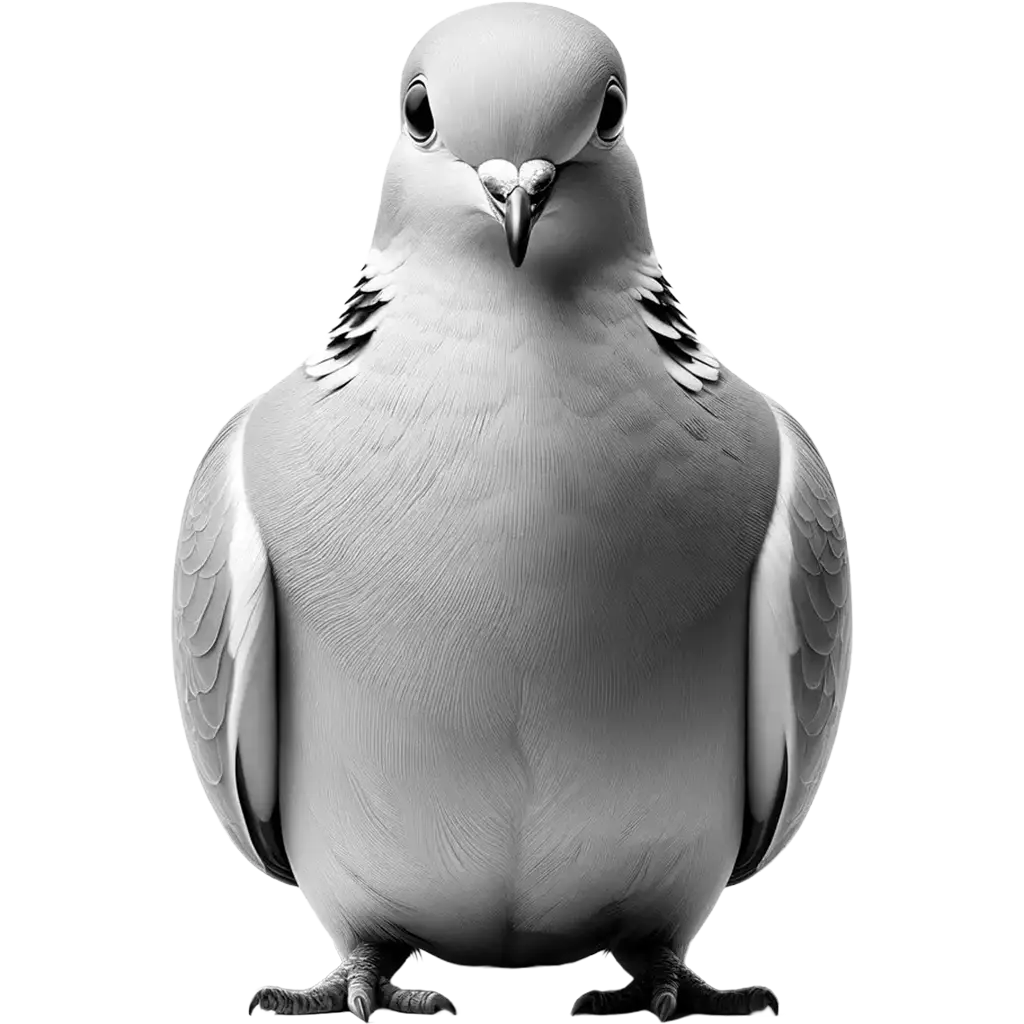
The Common Wood Pigeon, columba palumbus, is a large species of pigeon that is widespread across Europe, western Asia, and North Africa. It is easily recognizable by its size, measuring 38 to 44 cm in length and weighing between 300 to 600 grams, making it one of the larger pigeons