
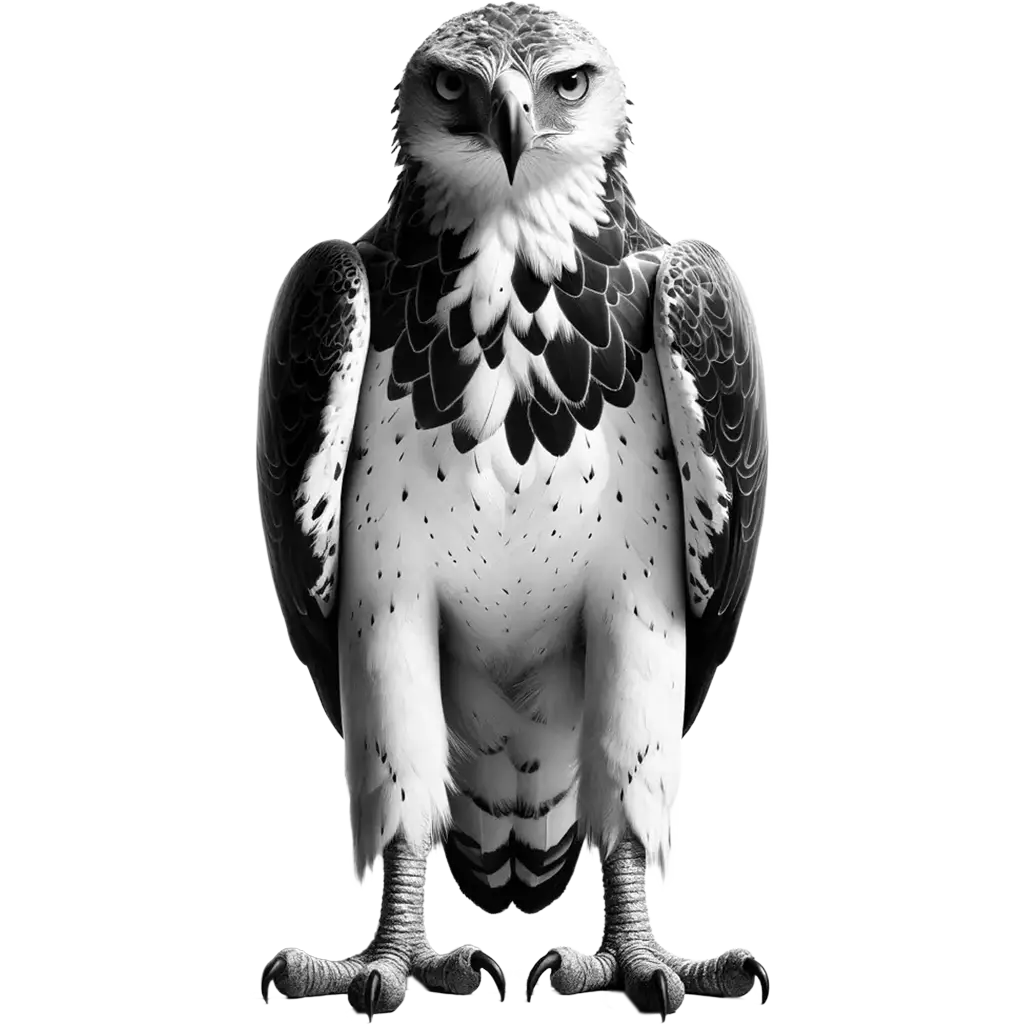
Polemaetus Bellicosus
Martial Eagle
Savannas, semi-deserts, and open plains, occasionally in forested regions
The Martial Eagle, polemaetus bellicosus, stands as Africa's largest eagle, with an impressive wingspan reaching up to 2.6 meters (8.5 feet). Adults are easily recognized by their dark brown plumage with a lighter, speckled underside, and a distinctive white belly with black spots. The head and shoulders may appear lighter in color, and the eyes are a striking pale yellow. Juveniles exhibit a more mottled appearance, gradually acquiring the adult's plumage over several years. This majestic bird of prey is known for its powerful build, long legs, and large talons, adapted for hunting a wide range of prey.
| Population: | Listed as Vulnerable due to habitat loss, poisoning, and hunting |
| Generation Length: | 7-8 years |
| Average Weight: | 3-6.5 kg |
| Average Length: | 78-96 cm, with a wingspan of 190-260 cm |
| Lifespan: | Up to 25 years in the wild |
| Diet: | Diverse, mainly based on available prey, capable of taking down animals larger than itself |
| Conservation Status: | Endangered (EN) |
Inhabiting a variety of environments across sub-Saharan Africa, from open savannas to semi-deserts and forest edges, the Martial Eagle requires large territories for hunting. It is a solitary bird, often seen soaring high in the sky, utilizing its keen eyesight to spot prey from great distances. Despite its size and power, it is an elusive species, preferring areas with low human disturbance.
The diet of the Martial Eagle is diverse and includes a variety of birds, mammals, and reptiles. It is capable of taking down large prey such as monitor lizards, small antelopes, and even jackals, highlighting its status as a formidable predator. This eagle plays a critical role in controlling the populations of its prey, contributing to the ecological balance within its habitat.
Reproduction in the Martial Eagle involves building large nests in tall trees or on cliffs, where the female lays a single egg. Both parents share in incubation and chick-rearing duties, with the chick fledging after about 100 days. The breeding cycle is lengthy, with pairs often raising only one chick every two years, contributing to their slow population growth.
The population of the Martial Eagle is classified as Vulnerable, facing threats from habitat loss, poisoning, and persecution. Their requirement for large territories makes them particularly sensitive to habitat fragmentation. Conservation efforts are focused on habitat protection, education to reduce human-eagle conflicts, and legal protection to ensure the survival of this magnificent bird of prey.
Classifications
The Key Attributes
Features
- Movement:
Flying, soaring
- Territorial Behavior:
Solitary or in pairs, highly territorial
- Speed:
Not specifically quantified; known for powerful flight and high soaring capabilities
- Diet:
Carnivore
- Physical Features:
- Large, powerful build with long wings and a short tail
- Adults have dark brown upper parts and a lighter underside with black spots
- Juveniles are paler and more uniformly colored
- Strong talons and a sharp beak for hunting and eating prey
- Primary Senses:
- Sight
- Hearing
Understanding Habitat and Range
Geography
- Habitat:
Savannas, semi-deserts, and open plains, occasionally in forested regions
- Migration Patterns:
Mostly sedentary but may move locally in search of food
- Geographical Range:
Sub-Saharan Africa, from Senegal to Somalia and south to South Africa
- Climate Preferences:
Prefers warm climates but adaptable to various environments within its range
Navigating the Wilderness
In the wild
- Predators:
Few natural enemies due to its size; eggs and chicks may be preyed upon by other large birds and mammals
- Prey:
Birds, mammals, reptiles, and occasionally carrion
- Feeding Behavior:
Hunts a wide range of prey from birds and reptiles to medium-sized mammals, often capturing prey on the ground after a rapid descent from flight
- Diet:
Diverse, mainly based on available prey, capable of taking down animals larger than itself
- Defensive Mechanisms:
- Powerful flight to escape threats
- Aggressive defense of territory and nest
- Large size and strength as a deterrent
- Preferred Food Sources:
- Varied, depending on the ecosystem and prey availability
Insights Into Reproduction
Mating
- Mating System:
Monogamous
- Number of Offspring:
Usually one, rarely two eggs
- Incubation Period:
About 45 days
- Parental Involvement:
- Both parents involved in nesting, incubation, and feeding of the young
Youngsters Section
Martial Eagle
Fun Fact
The Martial Eagle is one of Africa's largest and most powerful eagles, with a wingspan up to 2.6 meters.
These raptors are capable hunters, preying on animals as large as small antelopes. They have extraordinary eyesight, allowing them to spot prey from 5 kilometers away. Despite their prowess, they face threats from habitat loss and persecution, leading to a declining population. Conservation efforts are crucial to ensure their survival.

Download word search puzzles
Word Search Puzzles


Check Out Other Birds

The Arctic Tern, sterna paradisaea, is a remarkable bird known for its extraordinary migratory journey, the longest of any animal in the world, covering distances of up to 90,000 kilometers annually from its breeding grounds in the Arctic to its wintering grounds in the Antarctic and back. This slender bird

The Pectoral Sandpiper, calidris melanotos, is a medium-sized shorebird distinguished by its streaked brown upperparts and white underparts, sharply divided by a distinctive brown breast band. This migratory bird measures approximately 21 to 23 cm in length, with a wingspan of 46 to 57 cm, and is characterized by its
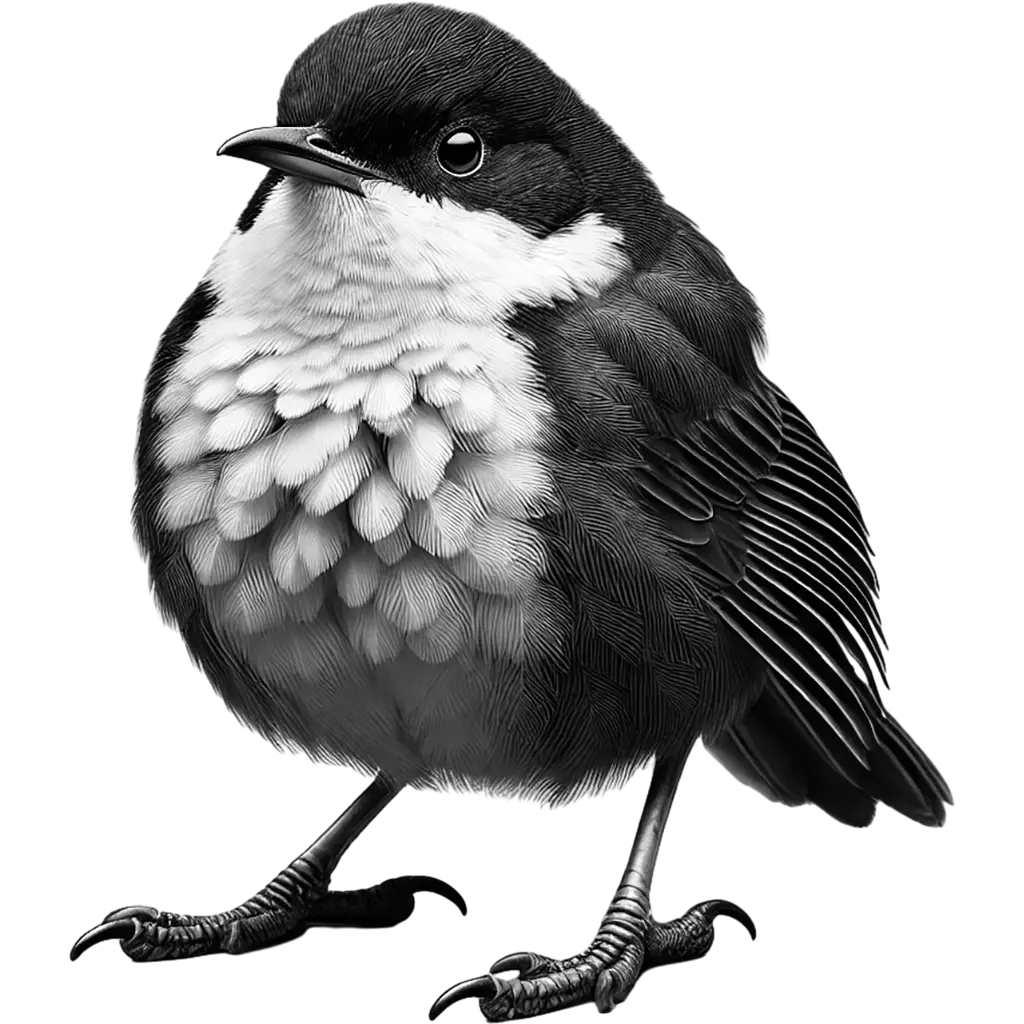
The White-throated Mountain Babbler exhibits a striking combination of subtle hues and refined features that distinguish it from other mountain birds. Its head is adorned with a soft white throat contrasting against warm, earthy browns across its body. The bird's feathers display gentle gradations of olive and gray, while its
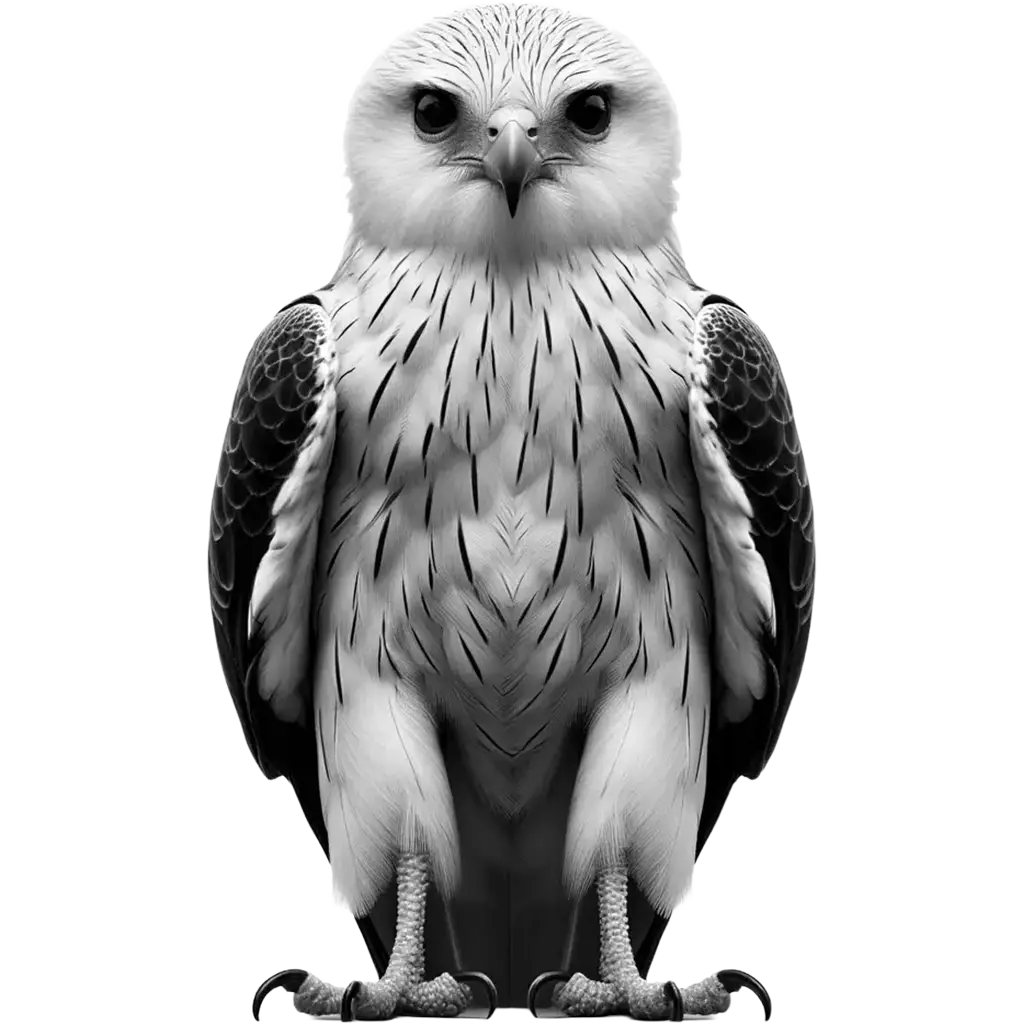
The Hook-Billed Kite, chondrohierax uncinatus, is a distinctive bird of prey, notable for its hooked beak adapted for feeding on snails and other hard-shelled prey. Adults typically exhibit a variation in plumage, ranging from dark gray to brownish or rufous, with lighter underparts often streaked or spotted. They have long,