

Bubo Bubo
Eurasian Eagle-Owl
Forests, mountains, and open landscapes
The Eurasian Eagle-Owl, bubo bubo, is one of the largest and most powerful owl species, with a widespread distribution across Europe, Asia, and parts of North Africa. This majestic bird is notable for its large size, with a wingspan that can reach up to 2 meters (6.6 feet), and a body length ranging from 58 to 75 centimeters (23 to 30 inches). Adult Eurasian Eagle-Owls typically weigh between 1.5 to 4 kilograms (3.3 to 8.8 pounds), with females usually being larger than males. They are characterized by their distinctive ear tufts, which are actually feather extensions of the head, intense orange-yellow eyes, and mottled brown and black plumage that provides excellent camouflage in their natural habitat.
| Population: | Widespread and stable across much of its range, though local populations may vary |
| Generation Length: | 10 years |
| Average Weight: | 1.5-4 kg |
| Average Length: | 58-75 cm |
| Lifespan: | 20 years in the wild, up to 60 years in captivity |
| Diet: | Varied diet based on available prey |
| Conservation Status: | Least Concern (LC) |
Eurasian Eagle-Owls prefer a variety of habitats, from coniferous forests to rocky outcrops and mountain regions, showing a strong preference for areas that offer suitable nesting sites and ample hunting opportunities. They are primarily nocturnal, hunting at night with their exceptional vision and hearing, preying on a wide range of animals, including mammals, birds, and reptiles. Their powerful talons and beak allow them to take down prey much larger than themselves, including young deer and foxes.
The diet of the Eurasian Eagle-Owl is diverse, reflecting their adaptability to different environments and availability of prey. They are skilled hunters, capable of catching a wide variety of prey, from small rodents to sizeable hares and birds. This versatility in diet helps them to thrive in a wide range of conditions and maintain their status as apex predators in their ecosystem.
Reproduction for the Eurasian Eagle-Owl involves monogamous pairs that often remain together for life. Breeding season begins in late winter, with females laying 1 to 4 eggs in a clutch. Nests are typically located on cliff ledges, in cave entrances, or in large tree cavities. Both parents take part in incubating the eggs and raising the young, which fledge at around 7 weeks of age but may remain dependent on their parents for several months.
The Eurasian Eagle-Owl is currently listed as Least Concern by the IUCN Red List, although it faces threats from habitat destruction, human persecution, and collisions with vehicles and power lines. Conservation efforts include habitat protection, education to reduce persecution, and measures to mitigate collision risks. The survival of the Eurasian Eagle-Owl is important for maintaining the ecological balance within their habitats, serving as a key predator that helps control populations of various prey species.
Classifications
The Key Attributes
Features
- Movement:
Flight
- Territorial Behavior:
Solitary or in pairs, highly territorial
- Speed:
Not specifically quantified; known for powerful and silent flight
- Diet:
Carnivore
- Physical Features:
- Large size with a wingspan of 138-200 cm
- Prominent ear tufts
- Deep orange eyes
- Mottled brown and black plumage for camouflage
- Primary Senses:
- Exceptional night vision
- Acute hearing
Understanding Habitat and Range
Geography
- Habitat:
Forests, mountains, and open landscapes
- Migration Patterns:
Mostly sedentary with some local movements
- Geographical Range:
Eurasia, from Western Europe through Scandinavia, Russia, and Asia to China and India
- Climate Preferences:
Temperate to subarctic
Navigating the Wilderness
In the wild
- Predators:
Few natural predators due to size; mainly humans through persecution or accidents
- Prey:
Rodents, small mammals, other birds, larger insects, and occasionally fish and reptiles
- Feeding Behavior:
Nocturnal hunter, preying on a wide range of animals from insects to medium-sized mammals and birds
- Diet:
Varied diet based on available prey
- Defensive Mechanisms:
- Camouflage
- Silent flight to avoid detection
- Powerful talons for defense
- Preferred Food Sources:
- Dependent on habitat but includes a wide range of animals for a balanced diet
Insights Into Reproduction
Mating
- Mating System:
Monogamous, often forming long-term pair bonds
- Number of Offspring:
1-4 eggs
- Incubation Period:
34-36 days
- Parental Involvement:
- Both parents involved in raising the young, from incubation to teaching them to hunt
Youngsters Section
Eurasian Eagle-Owl
Fun Fact
The Eurasian Eagle-Owl is one of the largest owl species, with a wingspan reaching up to six feet.
Their striking orange eyes help them hunt in low light. They inhabit diverse regions, such as forests and rocky landscapes, across Europe and Asia. Known for deep hoots, these owls are also effective predators, capable of hunting small mammals and birds.

Download word search puzzles
Word Search Puzzles


Check Out Other Birds

The Mandarin Duck, aix galericulata, is a small, strikingly colored waterfowl native to East Asia. The male, known for its vibrant plumage during the breeding season, displays an array of colors including metallic greens, blues, and oranges, complemented by distinctive white eye-stripes and a reddish face. The female is more
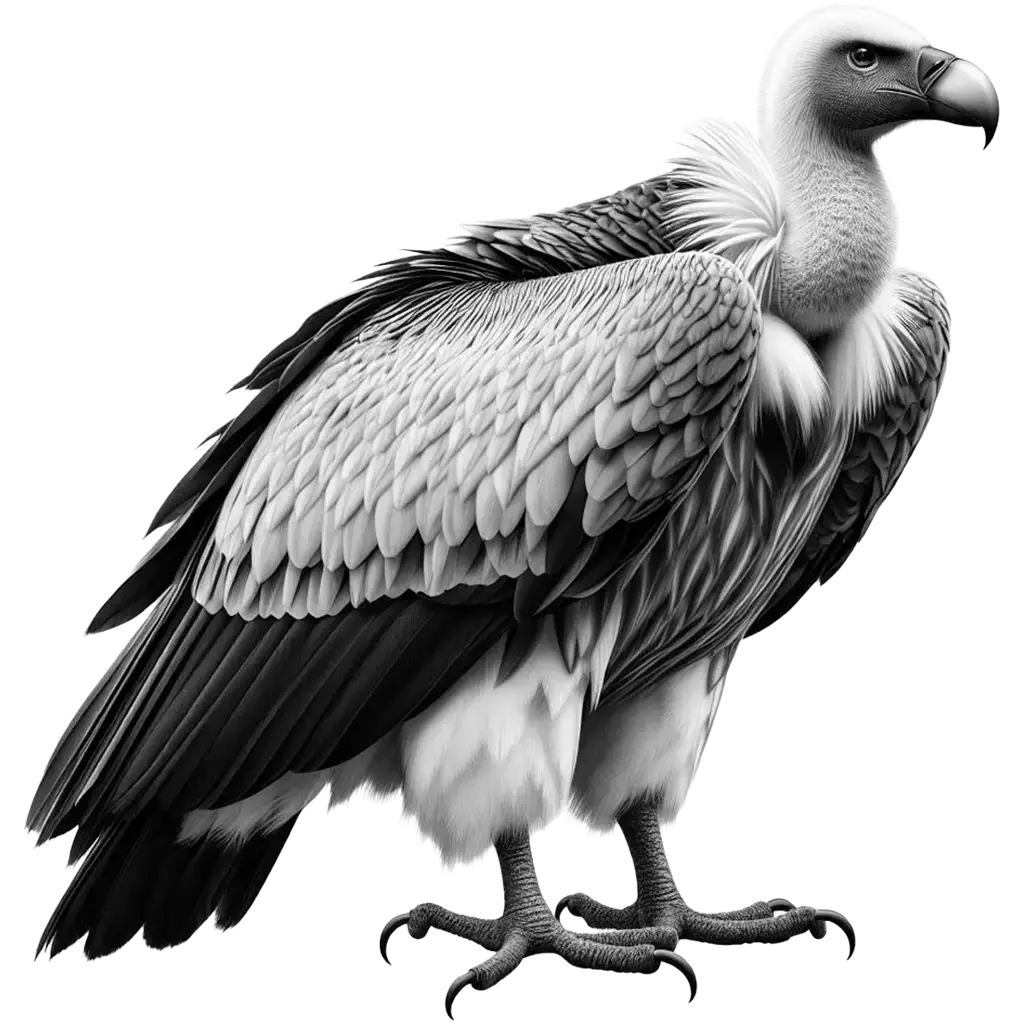
The Eurasian Griffon Vulture, gyps fulvus, is a majestic bird of prey, known for its impressive size and soaring flight. This species is one of the larger vultures, with a wingspan ranging from 230 to 280 centimeters (7.5 to 9.2 feet), and weighs between 6 to 11 kilograms (13 to
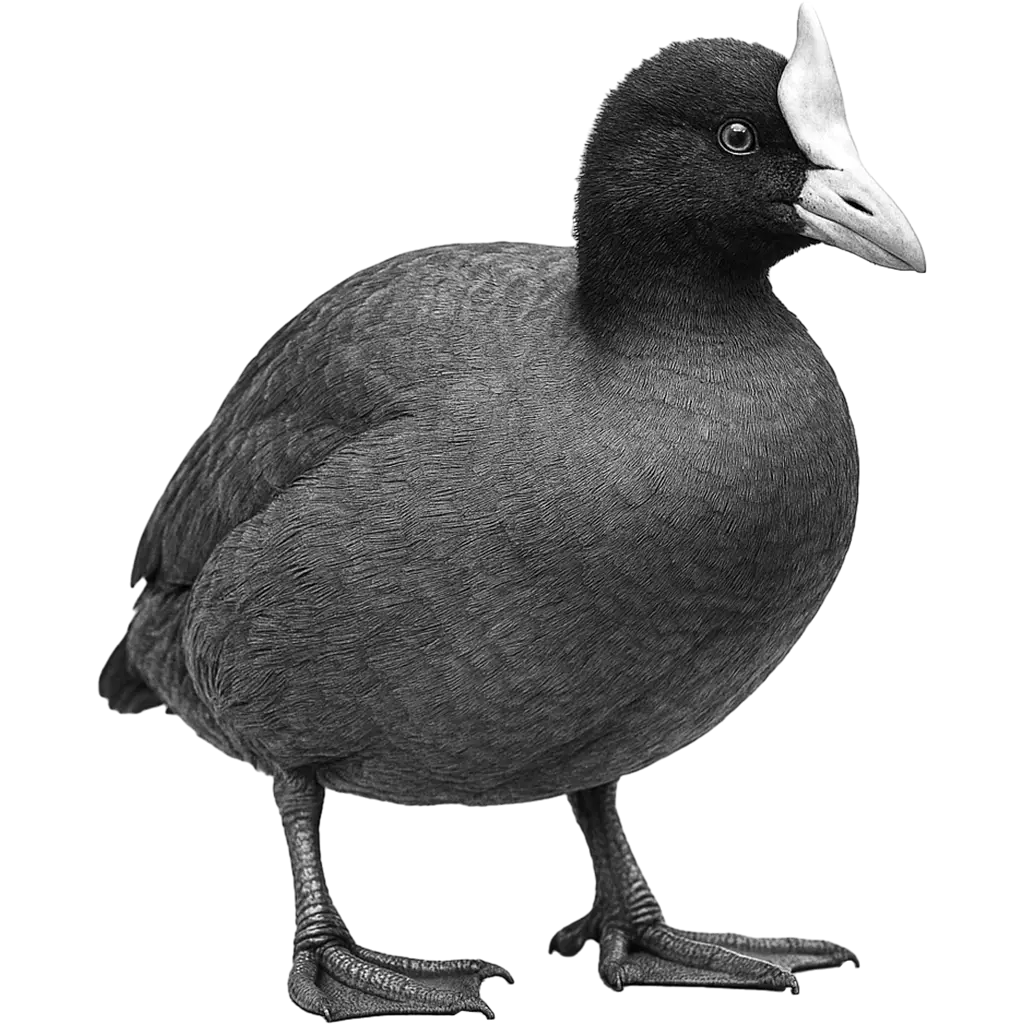
The Horned Coot is a robust waterbird measuring between forty-six and sixty-two centimeters in length and weighing from 1.6 to 2.29 kilograms. Its plumage is uniformly black, contrasting with a pale yellowish bill. Unique to this species are three filamentous wattles at the bill base, the central one potentially erectile
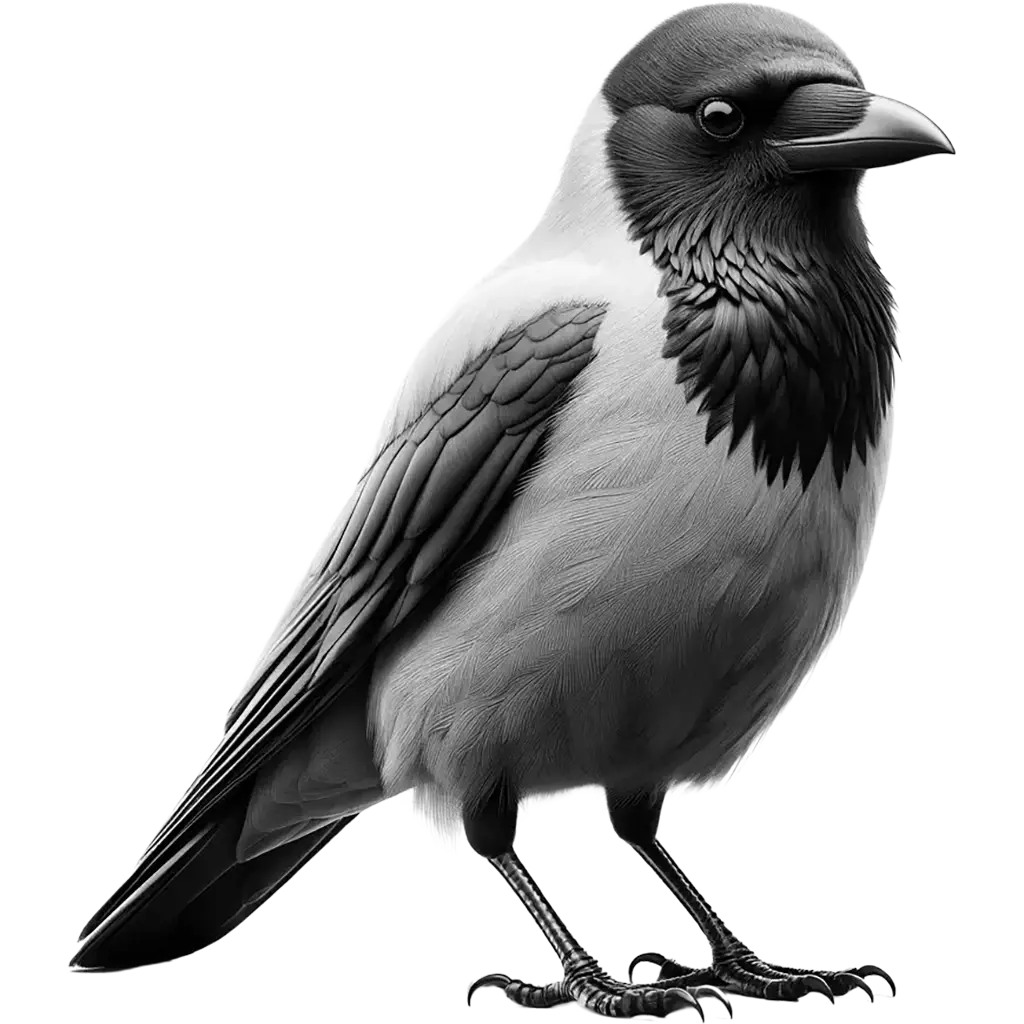
The Piping Crow, corvus typicus, is a distinctive species of bird found in the Indonesian archipelago, particularly on the islands of Sulawesi, Buton, Muna, and Kabaena. This medium-sized crow is characterized by its sleek black plumage, which shows a slight glossy sheen in sunlight. Adult Piping Crows typically measure about