
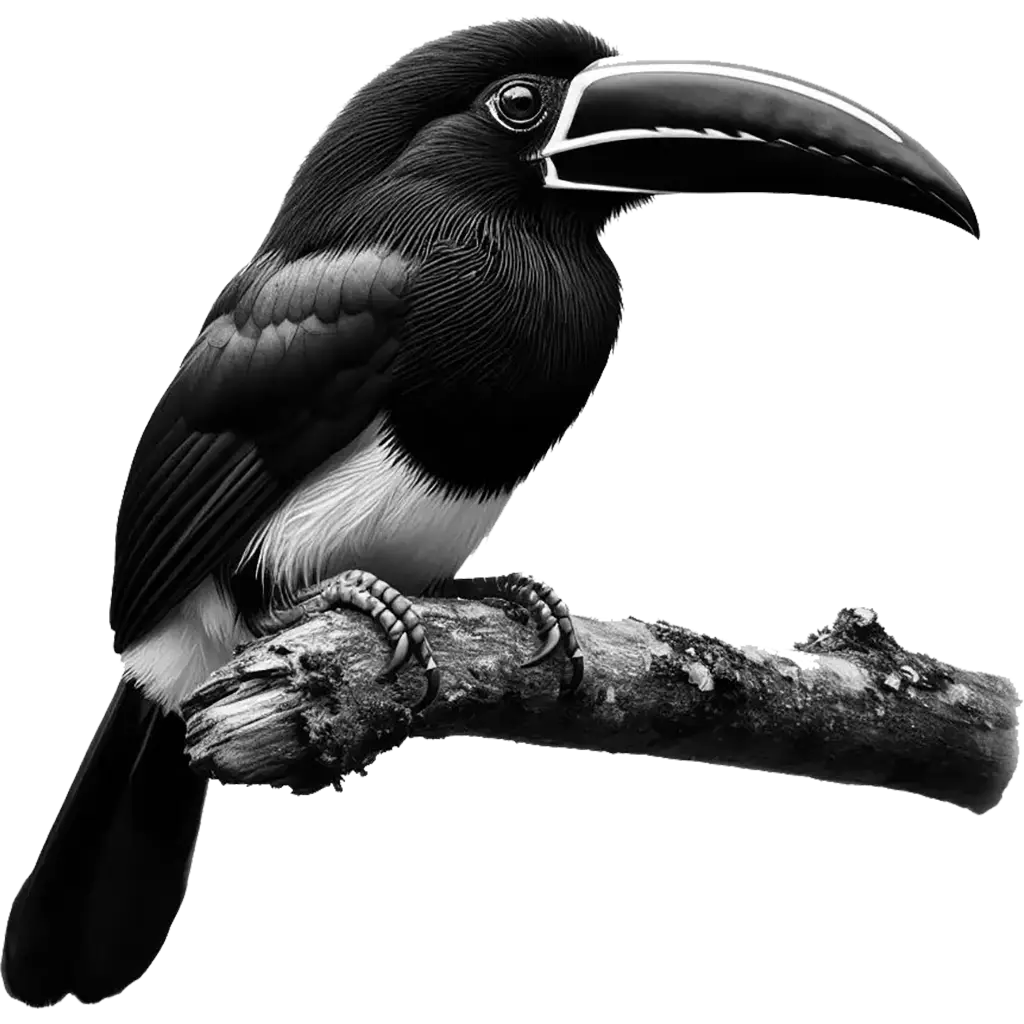
Aulacorhynchus Prasinus
Emerald Toucanet
Montane forests, cloud forests, and edges of cleared areas
The Emerald Toucanet, aulacorhynchus prasinus, is a small, vibrantly colored member of the toucan family, found in a wide range of forested habitats from Mexico through Central America to northern South America. Adults typically measure between 30 to 35 centimeters in length, including their distinctive, proportionately large bill which is about one-third of their body length. The bird's plumage is predominantly a brilliant shade of green, providing excellent camouflage in its leafy surroundings, with variable coloration on the throat and vent ranging from blue to white to red, depending on the subspecies.
| Population: | Widespread and common, not currently considered threatened |
| Generation Length: | 5 years |
| Average Weight: | Approximately 180-260 grams |
| Average Length: | 30-35 cm |
| Lifespan: | Up to 20 years in captivity; lifespan in the wild varies but is generally shorter |
| Diet: | Mainly fruits but supplements with protein from animal sources |
| Conservation Status: | Least Concern (LC) |
Emerald Toucanets inhabit montane and tropical rainforests up to the timberline, as well as more open woodland areas. They are adaptable birds, capable of living in habitats that range from dense, wet forests to more arid mountainous regions. These toucanets are primarily frugivorous, feeding on a variety of fruits, but they also consume insects, small reptiles, and bird eggs, playing a significant role in their ecosystems both as seed dispersers and as predators of small vertebrates and insects.
The diet of the Emerald Toucanet mainly consists of fruit, but it is supplemented by insects, eggs, and small vertebrates. This varied diet reflects the bird's adaptability and its role in controlling insect populations and dispersing the seeds of the fruits it consumes. The bird's large bill is not only striking but also highly functional, allowing it to access fruit other birds cannot reach and to crack open hard-shelled nuts and seeds.
Reproduction for the Emerald Toucanet typically involves the bird nesting in cavities in trees, often those created by woodpeckers or natural processes. The female lays 2 to 4 eggs, which are incubated by both parents. The chicks are altricial, born blind and featherless, and depend on their parents for food and protection until they are ready to fledge.
The Emerald Toucanet is considered to be of Least Concern by the IUCN, though some populations are threatened by habitat loss and degradation. Conservation efforts for the species include habitat preservation and management, particularly in areas where forest fragmentation is significant. The Emerald Toucanet's dependence on forest habitats makes it a valuable indicator species for the health of its ecosystem, underscoring the importance of conservation efforts aimed at preserving the rich biodiversity of the regions it inhabits.
Classifications
The Key Attributes
Features
- Movement:
Flight
- Territorial Behavior:
Somewhat territorial, especially during breeding season
- Speed:
Agile flier, but specific speeds are not commonly documented
- Diet:
Omnivore
- Physical Features:
- Bright green plumage
- Distinctive large bill with a variable coloration depending on the subspecies
- Blue or red eye-rings
- Short, rounded tail
- Primary Senses:
- Sight
- Hearing
Understanding Habitat and Range
Geography
- Habitat:
Montane forests, cloud forests, and edges of cleared areas
- Migration Patterns:
Non-migratory
- Geographical Range:
From central Mexico through Central America to Venezuela, Colombia, and parts of Ecuador
- Climate Preferences:
Prefers cool, humid, high-altitude environments
Navigating the Wilderness
In the wild
- Predators:
Birds of prey, snakes
- Prey:
Fruits, insects, small lizards, birds' eggs, and young birds
- Feeding Behavior:
Feeds on fruits, insects, and small vertebrates; also known to raid nests for eggs and nestlings
- Diet:
Mainly fruits but supplements with protein from animal sources
- Defensive Mechanisms:
- Flight
- Using its large bill for defense
- Living in groups to increase vigilance
- Preferred Food Sources:
- Wide variety of tropical fruits
- Insects
- Small vertebrates
Insights Into Reproduction
Mating
- Mating System:
Monogamous
- Number of Offspring:
2-4 eggs
- Incubation Period:
14-18 days
- Parental Involvement:
- Both parents participate in incubating the eggs and feeding the chicks
Youngsters Section
Emerald Toucanet
Fun Fact
The Emerald Toucanet is a small, vibrant bird found in Central and South America.
Its striking green plumage helps it blend into the forest canopy. Its diet includes fruits, insects, and small animals. Agile in flight, it's also known for its playful personality and distinctive calls. They play a key role in seed dispersal, aiding forest regeneration.

Download word search puzzles
Word Search Puzzles
Check Out Other Birds
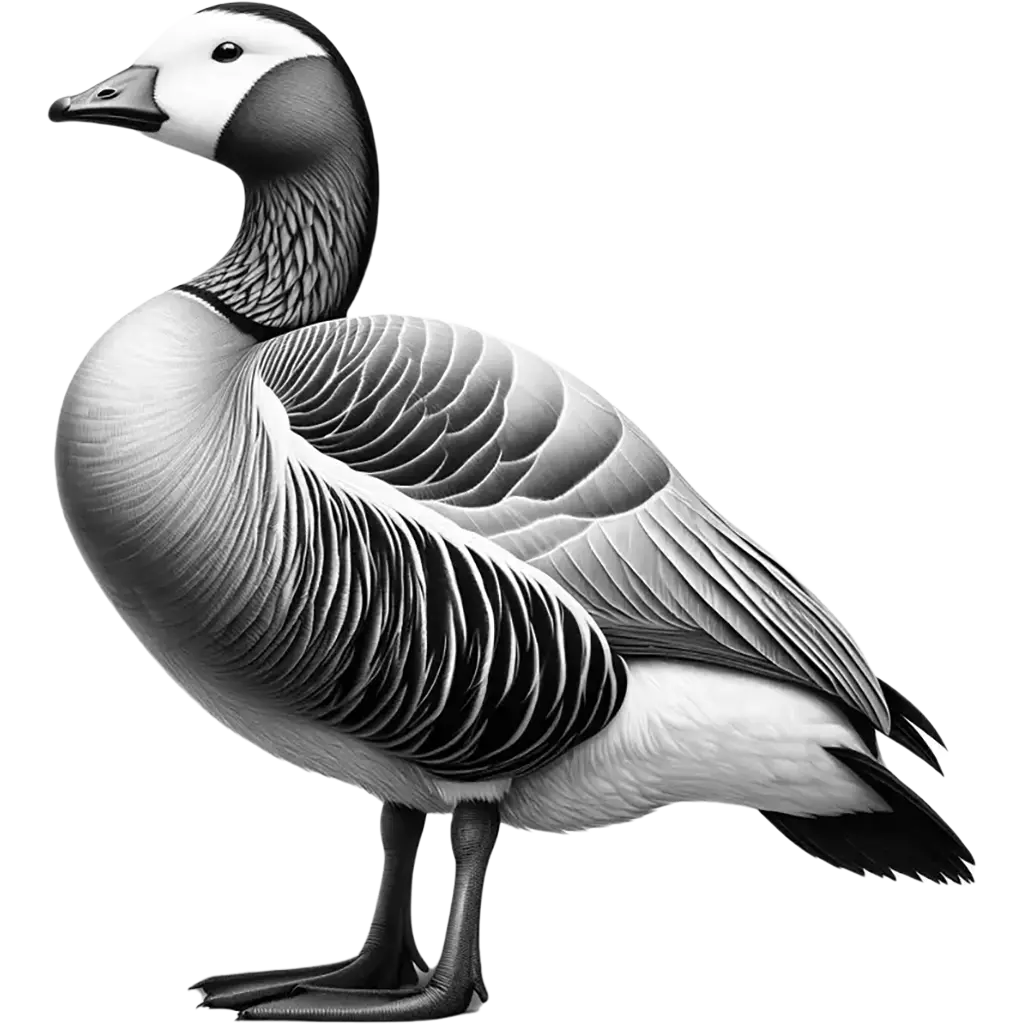
The Red-Breasted Goose, branta ruficollis, is a strikingly colored bird, renowned for its vibrant black, white, and rich chestnut plumage. This small goose measures about 53 to 56 cm in length, making it one of the more compact species within the goose family. Its most distinctive feature is the deep
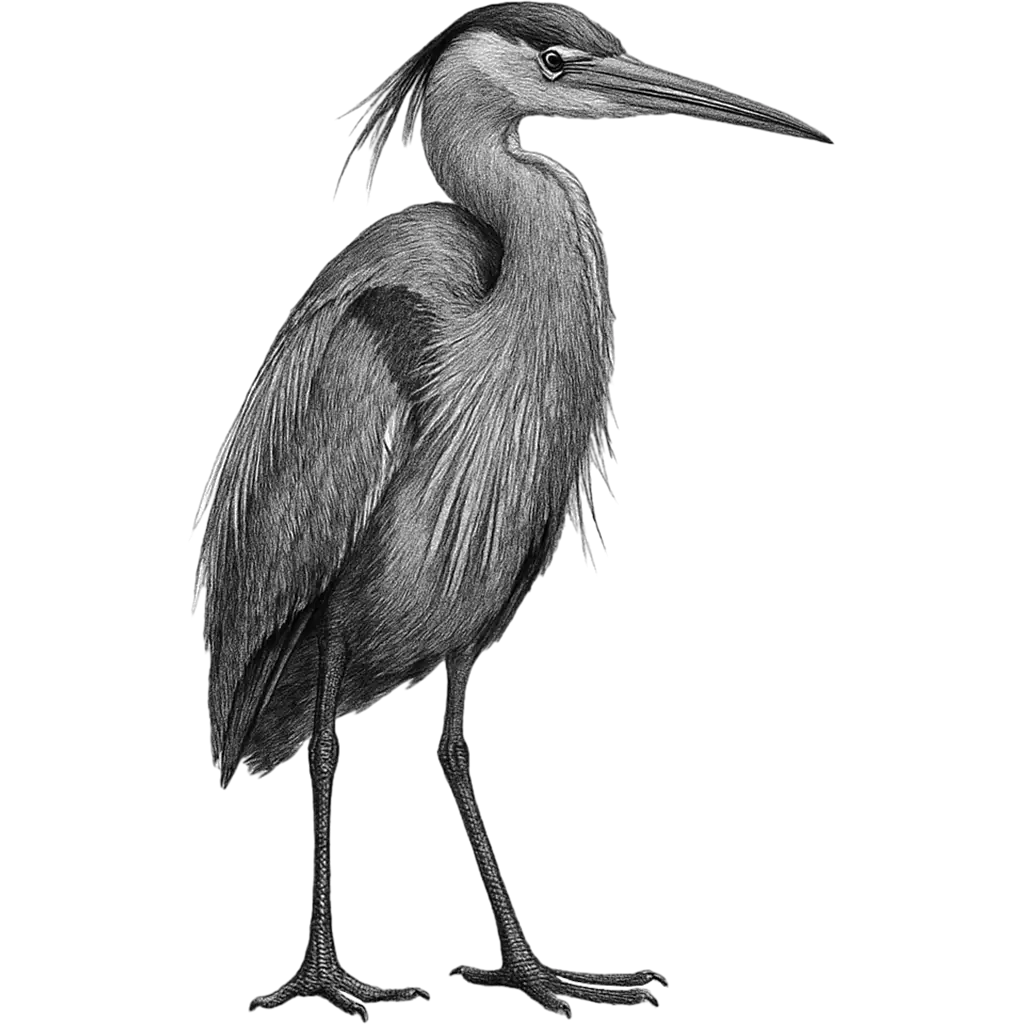
The Tricolored Heron is a slender, medium-sized wading bird measuring between fifty-six and seventy-six centimeters in length with a wingspan of approximately ninety-six centimeters. Its plumage combines slate-blue upperparts, a contrasting white belly, and a slender neck richly streaked with blue-gray, lavender, and rusty hues. During breeding season, its head
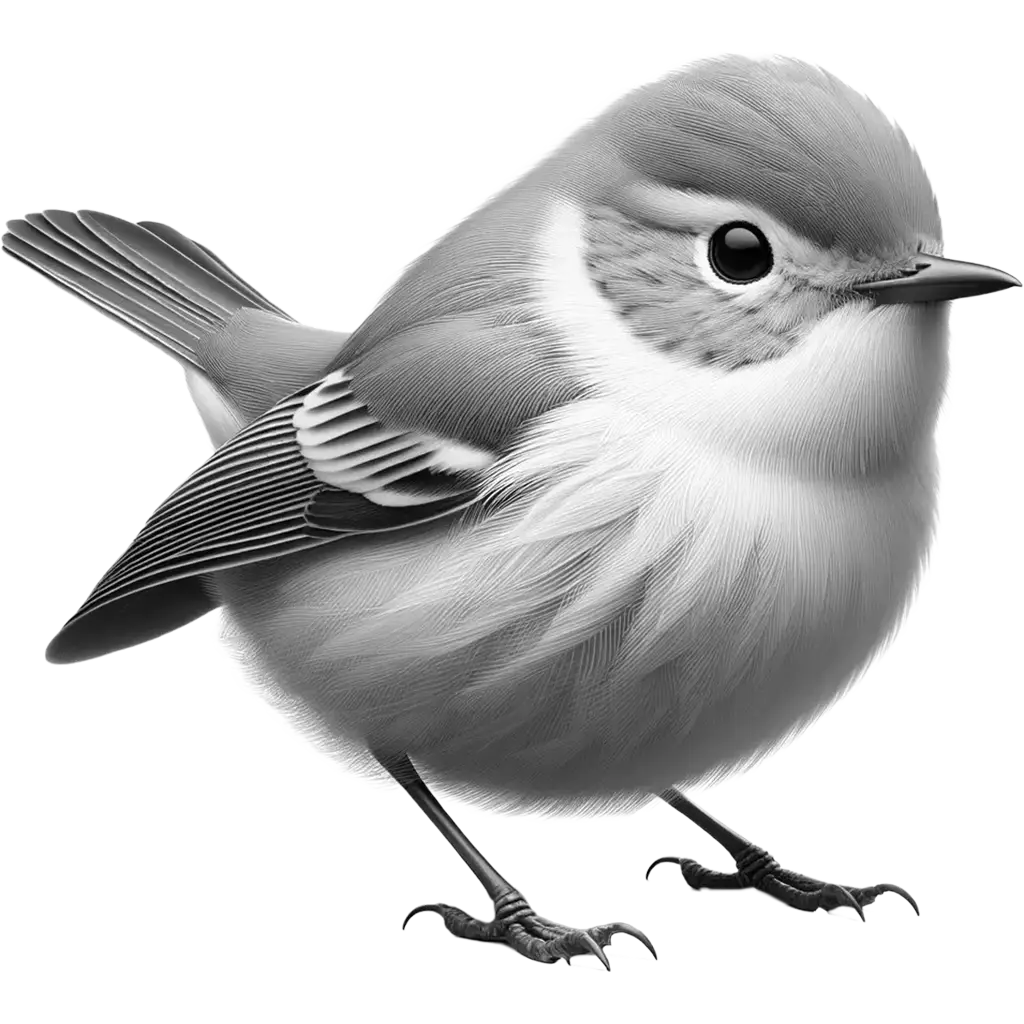
The Pink-Headed Warbler, cardellina versicolor, is a strikingly beautiful bird, notable for its vibrant pink head and chest that contrast sharply with its dark red body. This small bird, measuring approximately 13 to 14 cm in length, possesses a unique coloration among warblers, making it a sought-after species for birdwatchers.
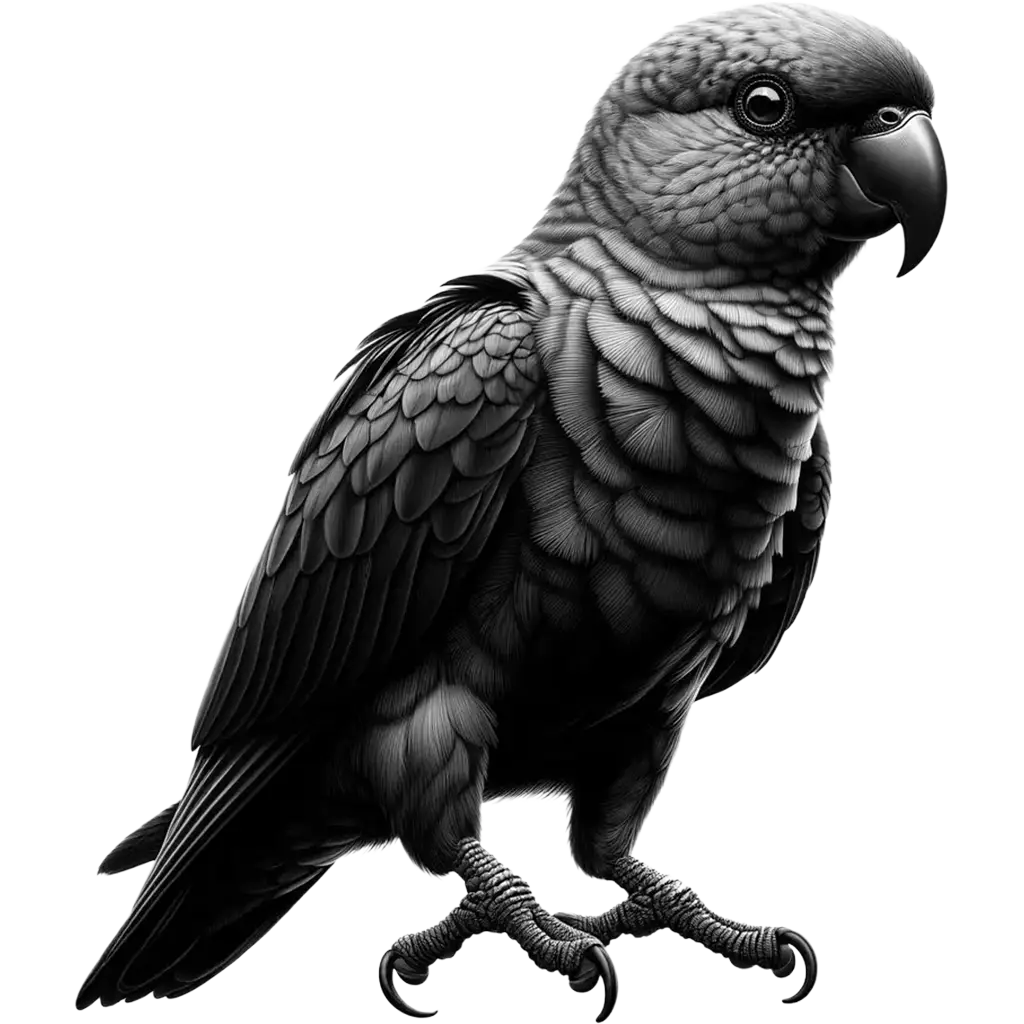
The Purple-Naped Lory, lorius domicella, is a vibrant and charismatic parrot species native to the Maluku Islands in Indonesia. Known for its striking appearance, the bird features a predominately deep red plumage, contrasted with a vivid purple patch on the back of its neck, from which it derives its name.