

Cardellina Versicolor
Pink-Headed Warbler
High-altitude cloud forests
The Pink-Headed Warbler, cardellina versicolor, is a strikingly beautiful bird, notable for its vibrant pink head and chest that contrast sharply with its dark red body. This small bird, measuring approximately 13 to 14 cm in length, possesses a unique coloration among warblers, making it a sought-after species for birdwatchers. The males and females share similar plumage, which includes not only the distinctive pink and red colors but also a small white patch under the tail. Their slender, slightly curved beaks are adapted for gleaning insects from foliage, a testament to their insectivorous diet.
| Population: | Listed as Near Threatened due to habitat loss and degradation |
| Generation Length: | 3-4 years |
| Average Weight: | Approximately 8-10 grams |
| Average Length: | 10-12 cm |
| Lifespan: | Estimated 5-9 years in the wild |
| Diet: | Mainly insectivorous, feeding on a variety of insects and spiders |
| Conservation Status: | Least Concern (LC) |
Native to the highlands of Guatemala and Chiapas, Mexico, the Pink-Headed Warbler inhabits humid pine-oak and evergreen cloud forests at elevations of 1800 to 3500 meters. This species is highly adapted to this specific environment, relying on the dense undergrowth and moss-covered branches for nesting and feeding. Despite its vibrant coloration, the Pink-Headed Warbler can be surprisingly difficult to spot as it flits through the dense canopy, often remaining hidden among the foliage.
The diet of the Pink-Headed Warbler primarily consists of insects and spiders. It forages in the mid to upper levels of the forest, adeptly picking prey from leaves and bark. This diet plays a crucial role in controlling insect populations within their forest habitats, highlighting the warbler's importance in maintaining ecological balance.
Breeding habits of the Pink-Headed Warbler include building a unique, dome-shaped nest on the ground, concealed among dense vegetation or roots. The female lays 2 to 4 eggs, which she incubates alone, while both parents share in feeding the chicks once they hatch. This nesting strategy, unusual among warblers, reflects the species' adaptation to its forest floor environment.
The population of the Pink-Headed Warbler is currently considered Near Threatened due to habitat loss and degradation from deforestation and agricultural expansion. Conservation efforts are focused on protecting and preserving the highland forest ecosystems critical to the survival of this and other endemic species. The preservation of these habitats is essential not only for the Pink-Headed Warbler but also for the broader biodiversity of the region.
Classifications
The Key Attributes
Features
- Movement:
Flying, hopping
- Territorial Behavior:
Somewhat territorial, especially during breeding season
- Speed:
Quick and agile in flight, able to maneuver through dense foliage
- Diet:
Insectivore
- Physical Features:
- Small size with a distinctive pink head and upperparts
- Black wings and tail with white underparts
- Short and thin beak suited for insect feeding
- Rounded wings and a short tail for quick flights in forested areas
- Primary Senses:
- Sight
- Hearing
Understanding Habitat and Range
Geography
- Habitat:
High-altitude cloud forests
- Migration Patterns:
Resident, with some altitudinal movements
- Geographical Range:
Endemic to the highlands of Guatemala and Chiapas, Mexico
- Climate Preferences:
Prefers cool, humid mountainous environments
Navigating the Wilderness
In the wild
- Predators:
Birds of prey and small mammals
- Prey:
Insects and small invertebrates
- Feeding Behavior:
Feeds primarily on insects, foraging in foliage and occasionally on the ground
- Diet:
Mainly insectivorous, feeding on a variety of insects and spiders
- Defensive Mechanisms:
- Camouflage in foliage
- Agile flight to escape predators
- Preferred Food Sources:
- Dense understory of cloud forests rich in insect life
Insights Into Reproduction
Mating
- Mating System:
Monogamous
- Number of Offspring:
2-4 eggs
- Incubation Period:
About 14-15 days
- Parental Involvement:
- Both parents involved in feeding and protecting the nestlings
Youngsters Section
Pink-Headed Warbler
Fun Fact
The Pink-Headed Warbler is a small, vibrant bird found mainly in the highlands of Guatemala and Mexico.
These birds are known for their striking pink heads and contrasting gray bodies. Their preferred habitats are cloud forests and pine-oak woodlands, where they forage for insects and berries. Despite their vivid coloration, they can be surprisingly elusive, often staying hidden within dense foliage, which makes spotting them a delightful challenge for birdwatchers.

Download word search puzzles
Word Search Puzzles


Check Out Other Birds
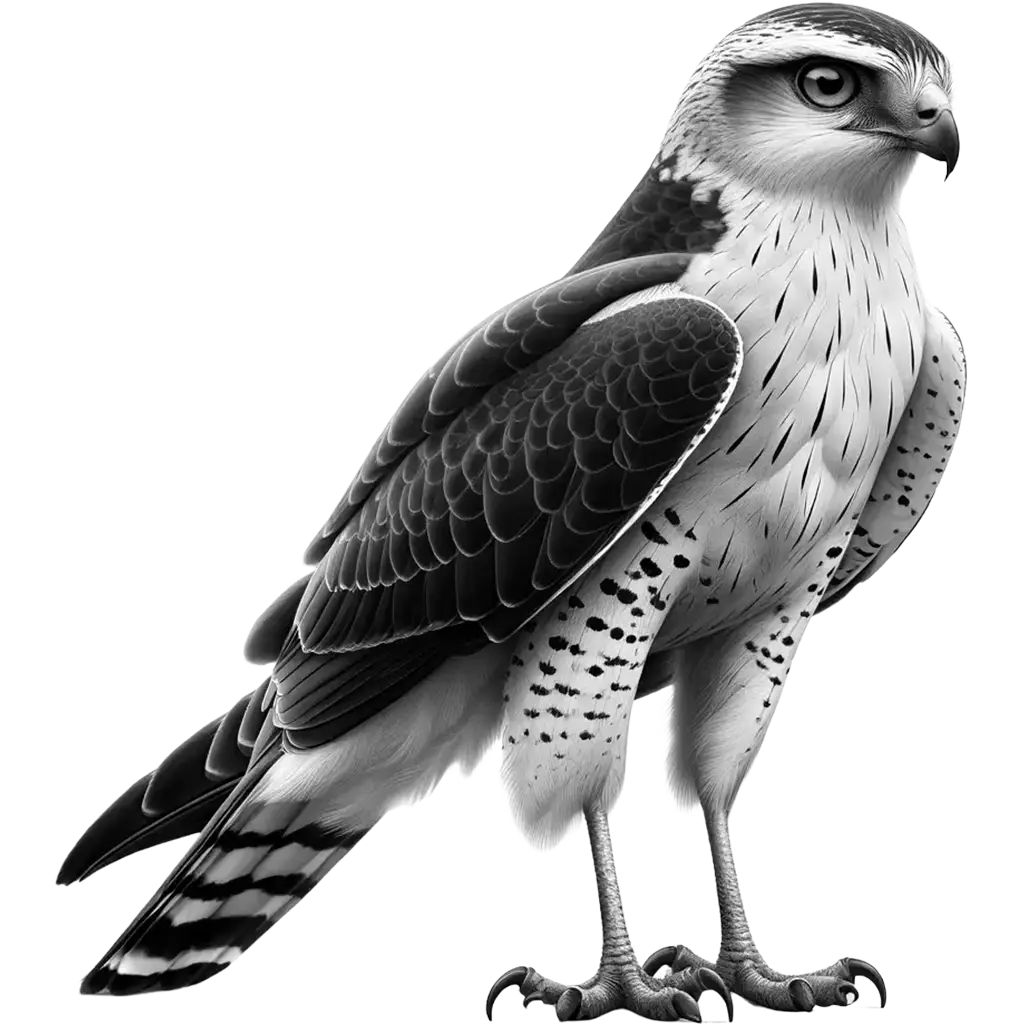
The Madagascar Harrier-Hawk, polyboroides radiatus, is a distinctive bird of prey endemic to Madagascar, known for its striking appearance and remarkable flexibility. This medium-sized raptor has a length of about 60 to 66 cm and exhibits a predominantly grey plumage with a white throat and fine black barring on the

The Pied Avocet, recurvirostra avosetta, is a striking wading bird known for its elegant black and white plumage and distinctive upcurved bill. This bird typically measures about 42 to 45 cm in length, with a wingspan of 77 to 85 cm. Its long, thin legs are a pale blue, complementing
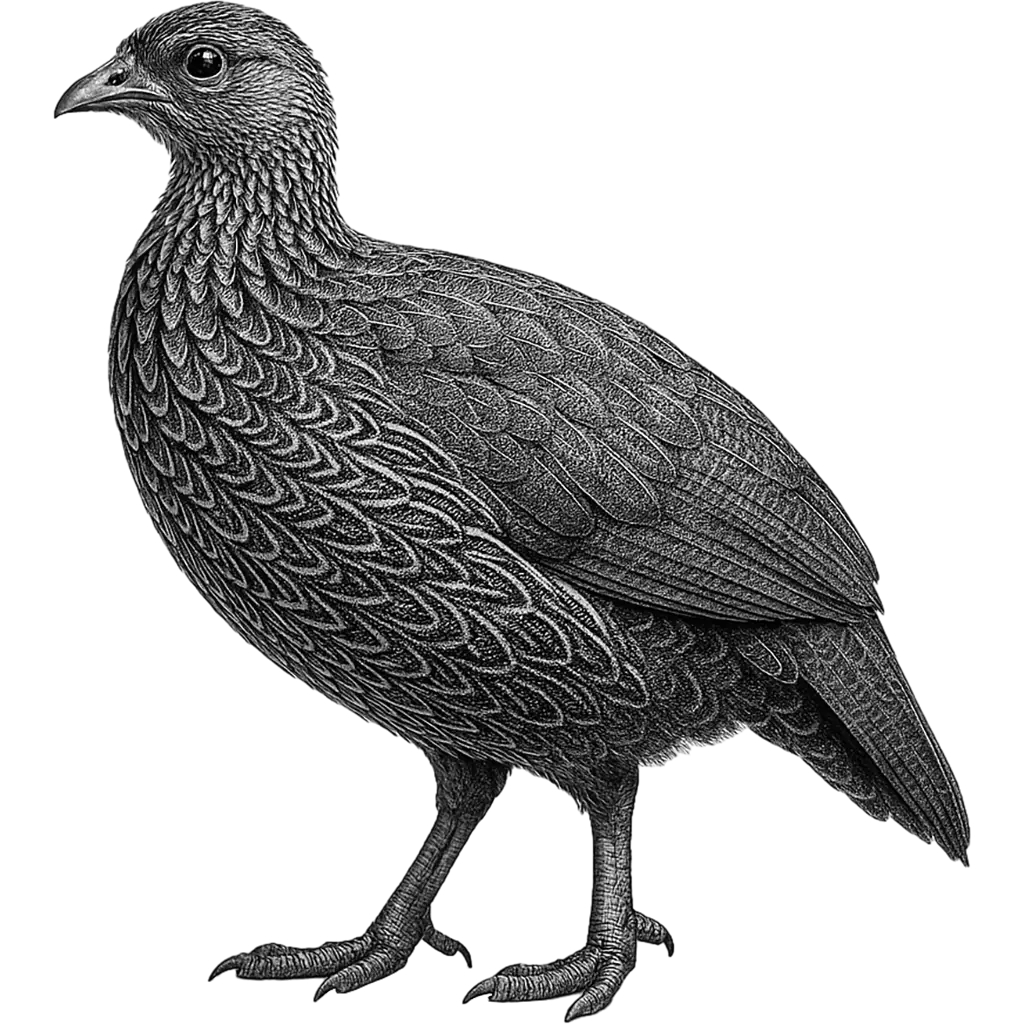
The Cape Spurfowl is a robust bird with a striking, cryptic plumage that blends seamlessly into its natural surroundings. Its mix of earthy browns, grays, and subtle olive hints is accented by distinct facial markings and a noticeable leg spur. With a short tail and sturdy build, this bird has
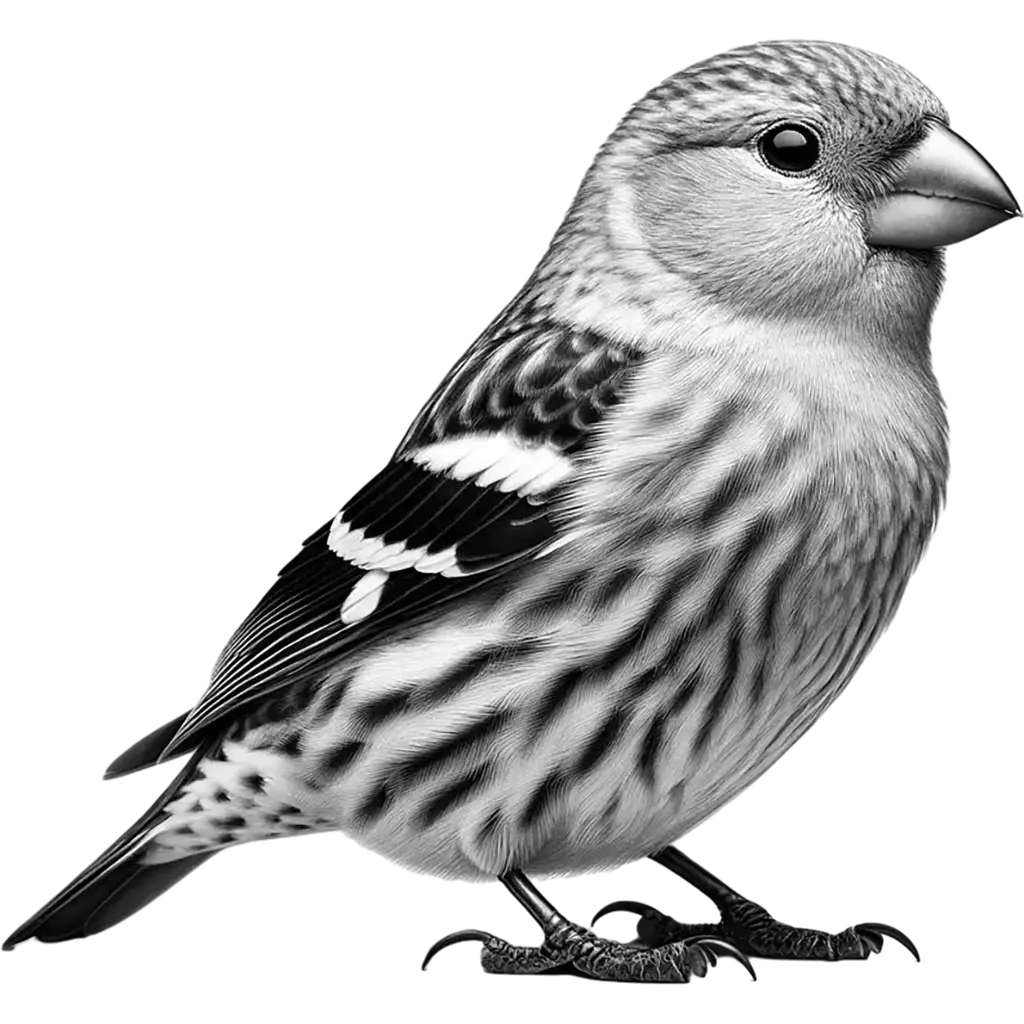
The Pine Grosbeak, pinicola enucleator, is a large member of the finch family, known for its striking plumage and robust size. Adult males typically showcase a vivid rosy-red to crimson color across their head, breast, and back, while females and juveniles display a more subdued olive-yellow to grayish hue. Both