
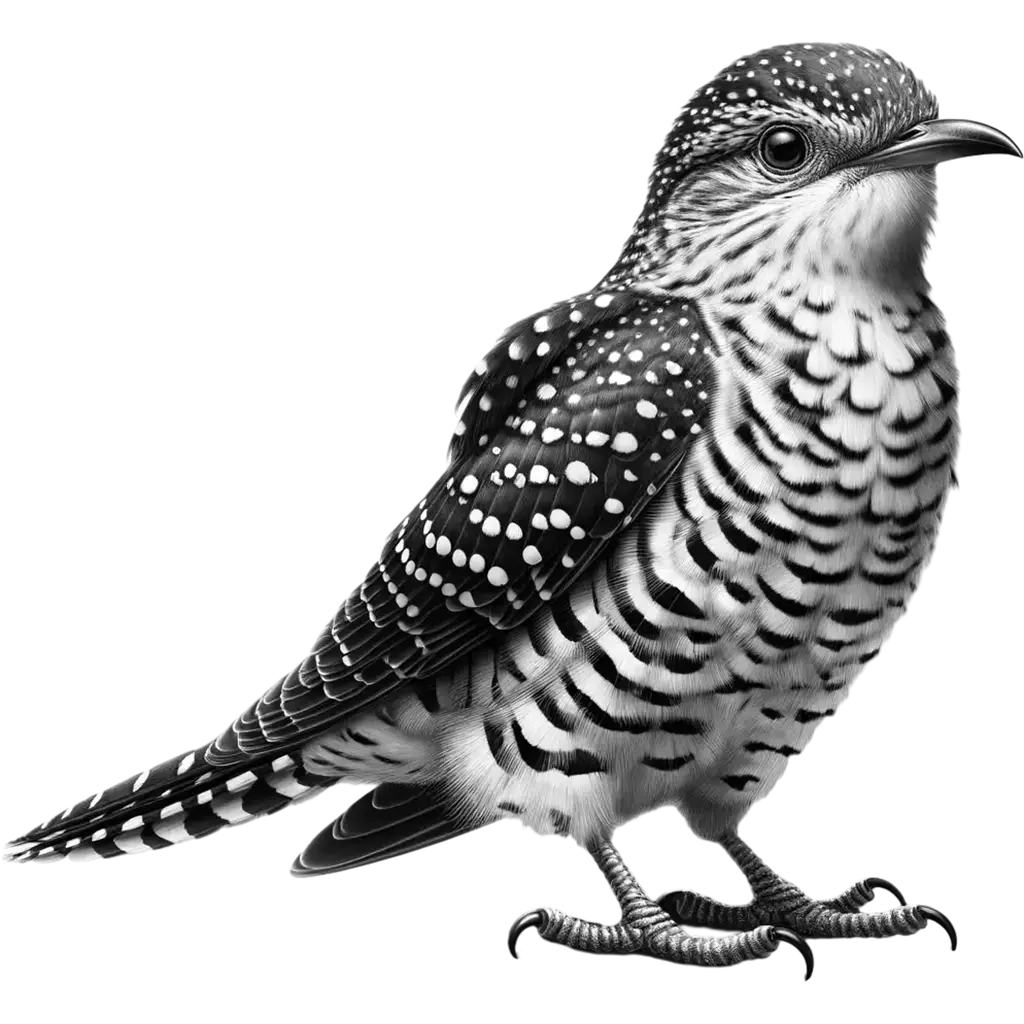
Clamator Glandarius
Great Spotted Cuckoo
Open woodland, savannas, and areas with scattered trees and shrubs
The Great Spotted Cuckoo, clamator glandarius, is a distinctive bird known for its striking appearance and brood parasitism behavior. Adults typically measure 35 to 40 cm in length, making them one of the larger species within the cuckoo family. They boast a predominantly grey body, with a long, dark tail marked by white spots and a distinctive crest on their head. The wings are marked with white spots, giving them a speckled appearance, and juveniles feature a barred underpart, contrasting with the adults' smoother grey tones. This species is easily recognizable by its contrasting colors and unique silhouette.
| Population: | Listed as Least Concern, but facing habitat changes and potential threats |
| Generation Length: | 4-5 years |
| Average Weight: | 110-160 grams |
| Average Length: | 34-39 cm |
| Lifespan: | 5-10 years in the wild |
| Diet: | Varied diet including insects and fruits, adapting to available food sources |
| Conservation Status: | Least Concern (LC) |
Native to Europe, Africa, and parts of Asia, the Great Spotted Cuckoo prefers open landscapes with scattered trees and shrubs, such as savannahs, woodlands, and agricultural areas. They are migratory birds, with European populations wintering in Africa. Unlike many other cuckoos, Great Spotted Cuckoos are often seen in the open, perching prominently as they scout for host nests or forage.
The diet of the Great Spotted Cuckoo primarily consists of insects, with a preference for caterpillars, beetles, and other large insects. They play a role in controlling pest populations, benefiting agricultural and natural ecosystems. Their foraging behavior is opportunistic, taking advantage of food sources as they find them.
Reproduction for Great Spotted Cuckoos involves brood parasitism, where they lay their eggs in the nests of other bird species, notably corvids such as magpies, crows, and ravens. The cuckoo eggs hatch sooner than the host's, and the young cuckoos often eject the host's eggs or chicks from the nest. This reproductive strategy allows the cuckoo parents to avoid the energy costs associated with rearing their own young.
The population of the Great Spotted Cuckoo is considered stable, though it faces threats from habitat loss and changes in agricultural practices that may affect the availability of suitable host nests. Conservation efforts are aimed at preserving their habitats and understanding the dynamics between cuckoos and their host species to ensure the survival of both. Despite their parasitic nature, Great Spotted Cuckoos are an integral part of the avian biodiversity in their range.
Classifications
The Key Attributes
Features
- Movement:
Flying, hopping
- Territorial Behavior:
Non-territorial; known for brood parasitism
- Speed:
Fast and agile in flight
- Diet:
Omnivore
- Physical Features:
- Long tail and strong body
- Grey plumage with white underparts and black spots
- Distinctive crest on the head
- Strong, slightly curved beak for various food
- Primary Senses:
- Sight
- Hearing
Understanding Habitat and Range
Geography
- Habitat:
Open woodland, savannas, and areas with scattered trees and shrubs
- Migration Patterns:
Migratory, with populations moving between breeding and wintering grounds
- Geographical Range:
Europe, Africa, and Asia; breeds in parts of southern Europe and migrates to sub-Saharan Africa for winter
- Climate Preferences:
Prefers warm and temperate climates
Navigating the Wilderness
In the wild
- Predators:
Birds of prey and larger carnivores
- Prey:
Insects, caterpillars, fruits, and small vertebrates
- Feeding Behavior:
Feeds on a variety of insects, fruits, and occasionally small vertebrates
- Diet:
Varied diet including insects and fruits, adapting to available food sources
- Defensive Mechanisms:
- Camouflage within the habitat
- Flight to evade predators
- Deceptive behaviors related to brood parasitism
- Preferred Food Sources:
- Areas rich in insect populations and fruit-bearing plants
Insights Into Reproduction
Mating
- Mating System:
Polygynous, with brood parasitic behavior
- Number of Offspring:
Lays 1-4 eggs in the nests of other bird species
- Incubation Period:
Depends on the host species, generally around 10-20 days
- Parental Involvement:
- No parental involvement; relies on host species to incubate eggs and raise young
Youngsters Section
Great Spotted Cuckoo
Fun Fact
The great spotted cuckoo is known for its brood parasitism, laying eggs in other birds' nests.
These cuckoos often target magpies and crows, leaving them to raise their young. The host birds usually care for the cuckoo chick, sometimes at the expense of their own offspring. This survival strategy allows the cuckoo to invest less in parenting.

Download word search puzzles
Word Search Puzzles
Check Out Other Birds
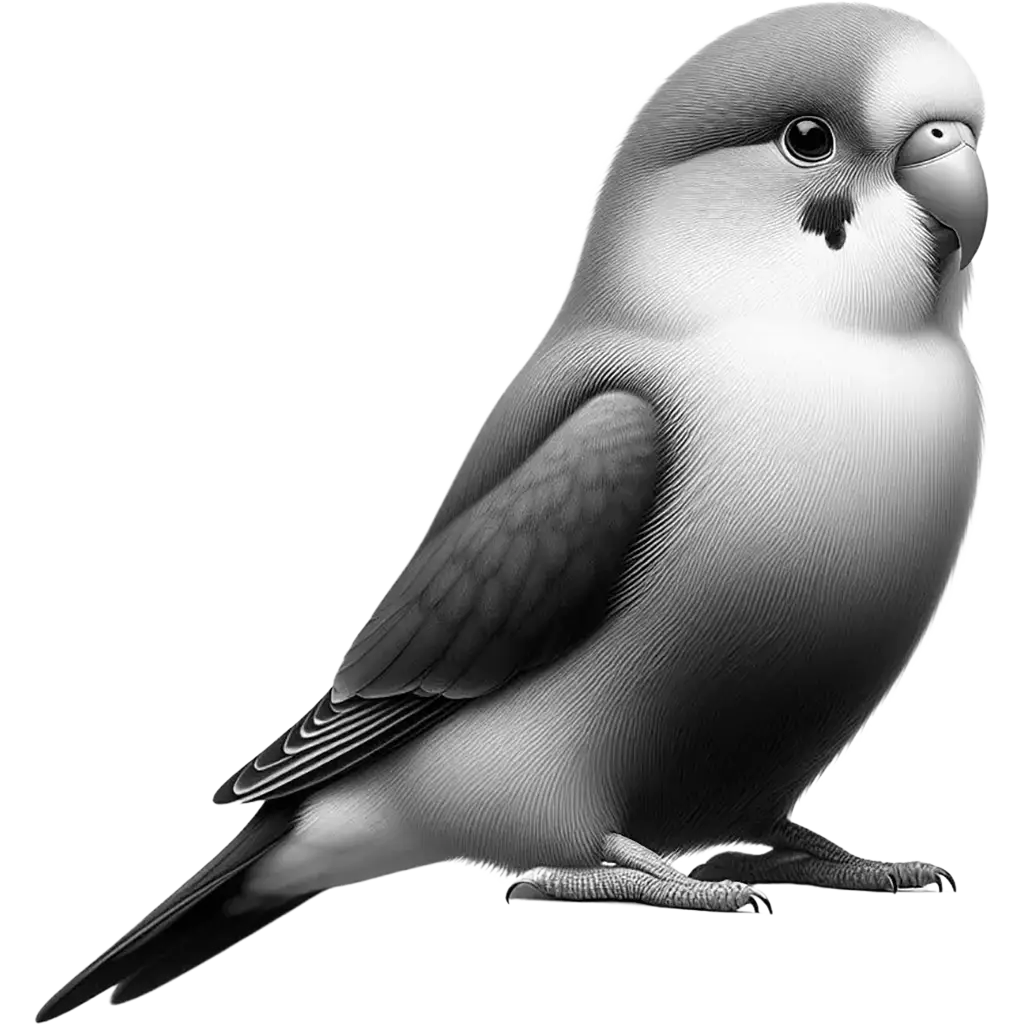
The Grey-headed lovebird, agapornis canus, also known as the Madagascar Lovebird, is a small parrot species native to Madagascar and the Comoros islands. This diminutive bird is notable for its distinctive sexual dimorphism; males boast a mostly grey head and neck, which sharply contrasts with their bright green body, while
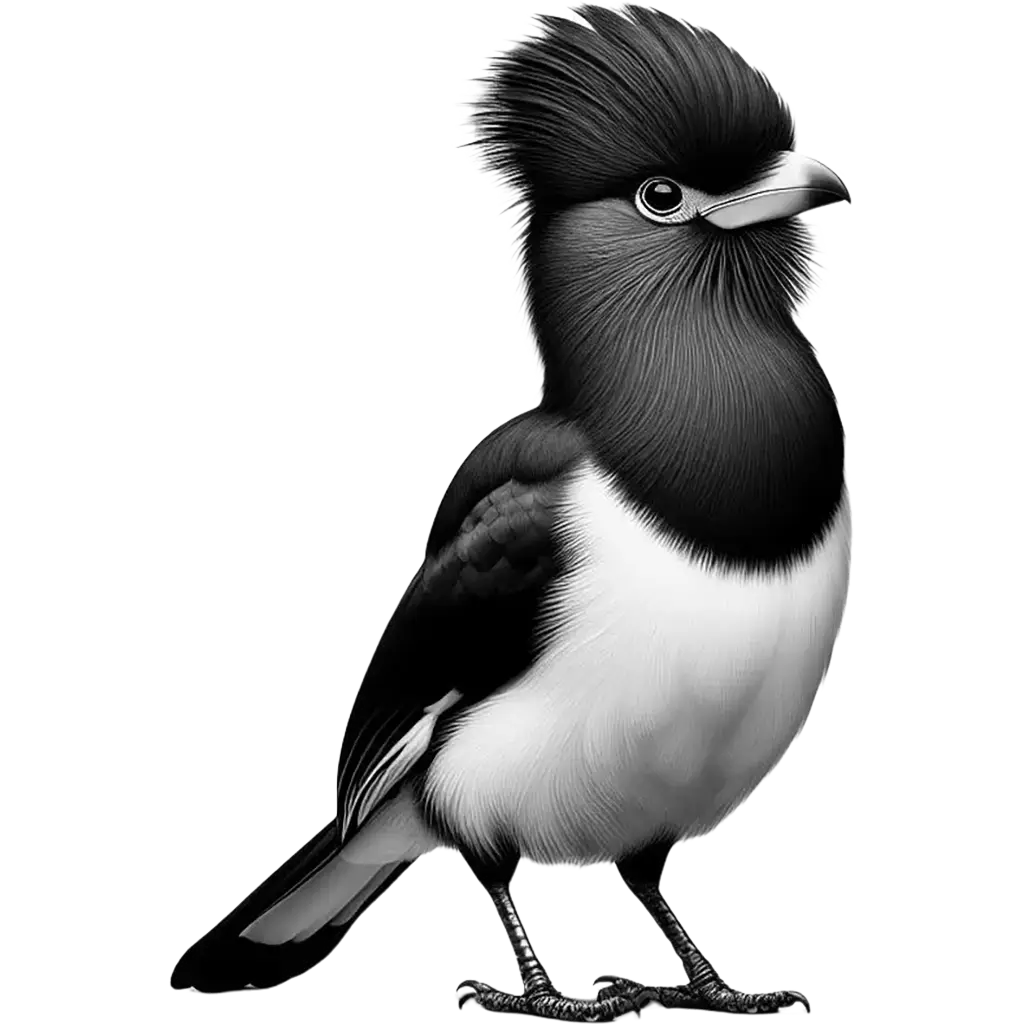
The Knysna Turaco, tauraco corythaix, is a vibrant and elusive bird, native to the dense forests and woodlands of southern Africa, particularly along the Garden Route in South Africa. Distinguished by its striking green plumage, which blends seamlessly into the forest canopy, this bird features a prominent crest on its
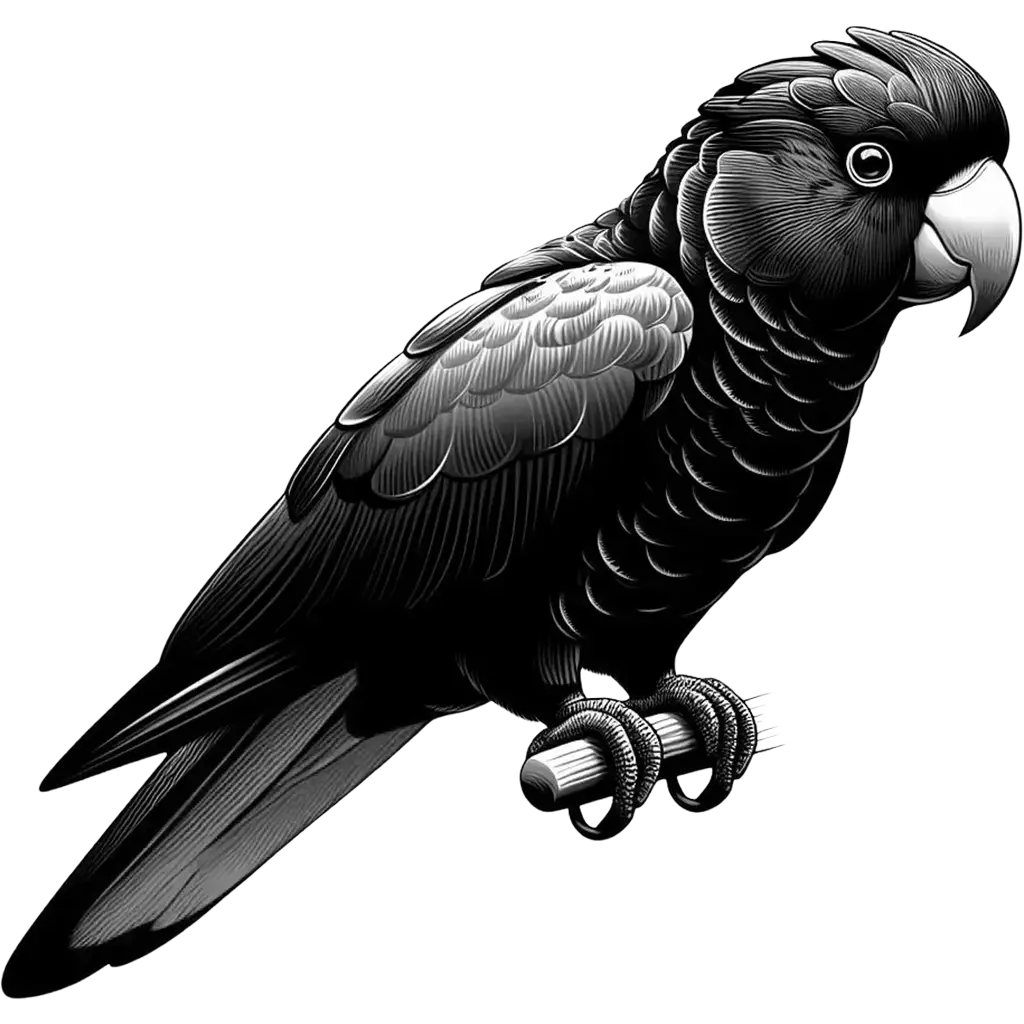
The Red-Tailed Black Cockatoo, calyptorhynchus banksii, is a large, striking bird native to Australia, known for its glossy black plumage and distinctive red tail panels. Adult males boast a bold black color with a bright red band across the tail feathers, while females and juveniles display a more varied plumage
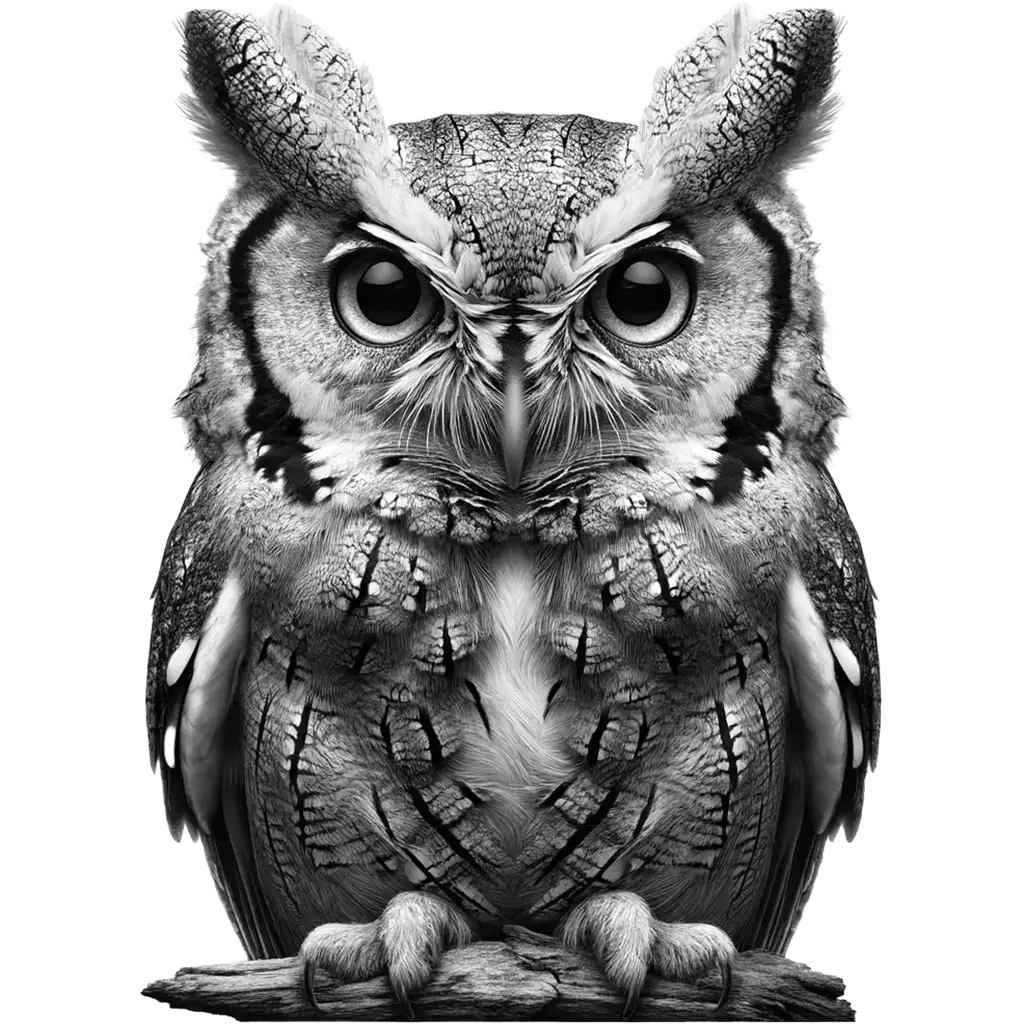
The Oriental Scops Owl, otus sunia, is a small and elusive bird of prey, known for its distinctive ear tufts and varied color morphs, ranging from gray to reddish-brown, which provide excellent camouflage against tree bark. This species typically measures about 19 to 23 cm in length, with a wingspan