
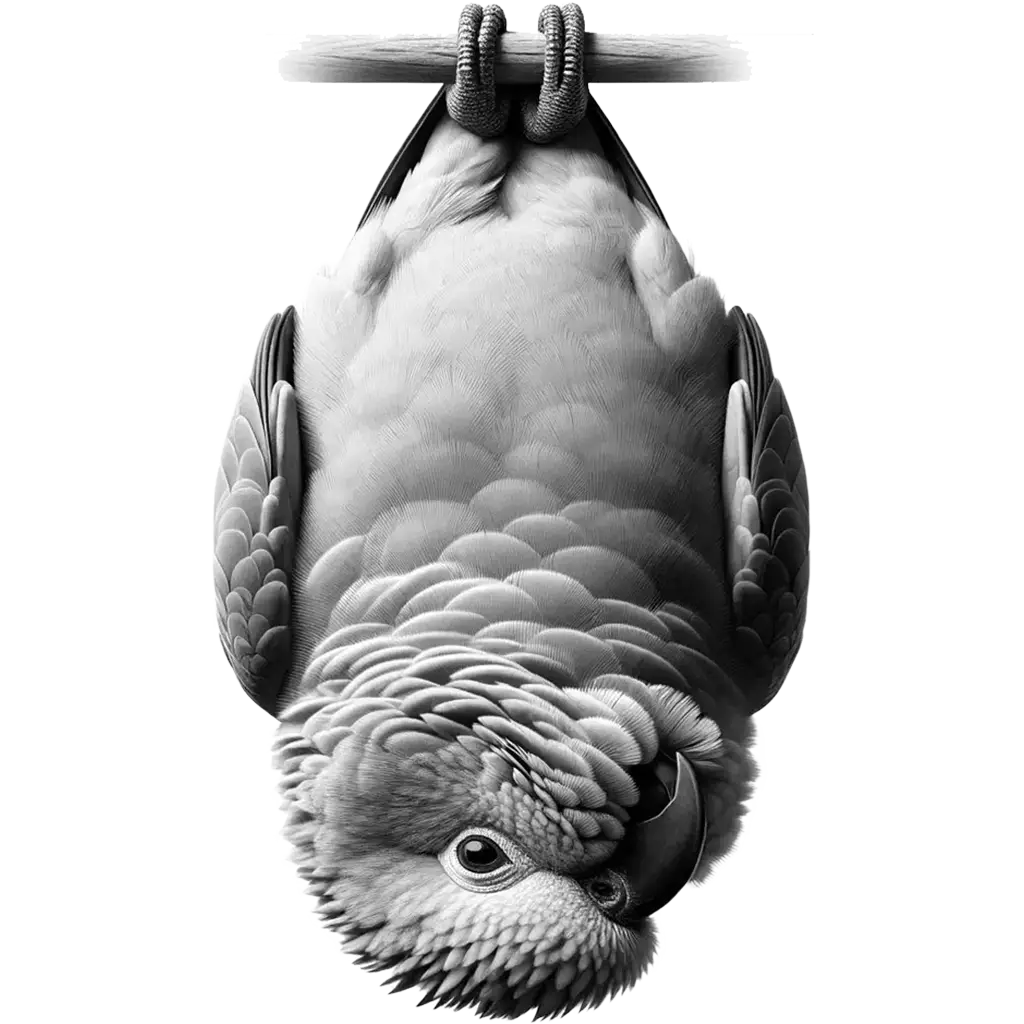
Loriculus Stigmatus
Great Hanging Parrot
Tropical forests, edges, and secondary growth
The Great Hanging Parrot, loriculus stigmatus, is a small, vibrant bird endemic to the islands of Sulawesi, Togian, Sula, and Banggai in Indonesia. This species is part of the Psittaculidae family, known for their ability to hang upside down while feeding or resting, a unique behavior from which their name derives. Adults typically measure about 12 to 14 centimeters (4.7 to 5.5 inches) in length and weigh between 15 to 20 grams (0.53 to 0.71 ounces). They exhibit a bright green plumage overall, with males featuring a distinctive red throat patch and rump, while females generally lack these red markings, showcasing a more uniform green coloration.
| Population: | Not precisely quantified; considered to be of least concern, though habitat loss poses a potential threat |
| Generation Length: | 4-5 years |
| Average Weight: | Approximately 28-34 grams |
| Average Length: | 10-12 cm |
| Lifespan: | Up to 10-15 years in captivity; lifespan in the wild is less documented |
| Diet: | Primarily nectar and fruits |
| Conservation Status: | Least Concern (LC) |
Great Hanging Parrots inhabit a variety of forested environments, including primary and secondary rainforests, mangroves, and cultivated areas with scattered trees. They are known for their agility and acrobatic skills, often seen hanging upside down from branches to access flowers, fruits, and nectar, which constitute their primary diet. This feeding behavior plays a crucial role in pollination, contributing to the health and regeneration of their forest habitats.
The diet of the Great Hanging Parrot mainly consists of nectar, flowers, and fruits, supplemented by small seeds and insects. Their specialized brush-tipped tongues enable them to extract nectar efficiently, making them important pollinators for a variety of plant species.
Reproduction for the Great Hanging Parrot typically involves monogamous pairs that nest in tree cavities. Females lay 2 to 3 eggs per clutch, which are incubated for about 20 days. Both parents participate in feeding and caring for the chicks, which fledge approximately 30 days after hatching, continuing to receive parental care until they are fully independent.
The Great Hanging Parrot is currently listed as Least Concern by the IUCN Red List, although its population is believed to be declining due to habitat loss and degradation. Deforestation for timber extraction and agricultural expansion poses significant threats to their natural habitats. Conservation efforts for the Great Hanging Parrot include habitat protection, sustainable forestry practices, and research to better understand their ecology and behavior. The preservation of this species is essential for maintaining the biodiversity and ecological balance of the Sulawesi region.
Classifications
The Key Attributes
Features
- Movement:
Flight
- Territorial Behavior:
Social, often found in pairs or small groups
- Speed:
Capable of quick and agile flight
- Diet:
Herbivore
- Physical Features:
- Small size
- Primarily green plumage
- Red throat patch in males
- Blue crown in both sexes
- Short tail
- Ability to hang upside down while feeding
- Primary Senses:
- Sight
- Hearing
Understanding Habitat and Range
Geography
- Habitat:
Tropical forests, edges, and secondary growth
- Migration Patterns:
Non-migratory, but may exhibit local movements in search of food
- Geographical Range:
Endemic to Sulawesi and nearby islands in Indonesia
- Climate Preferences:
Prefers warm, humid tropical climates
Navigating the Wilderness
In the wild
- Predators:
Larger birds and small mammals
- Prey:
Nectar, fruits, small insects
- Feeding Behavior:
Feeds on nectar, fruits, and occasionally insects
- Diet:
Primarily nectar and fruits
- Defensive Mechanisms:
- Camouflage within foliage
- Agile flight to escape predators
- Preferred Food Sources:
- Flowers' nectar
- Fruits
Insights Into Reproduction
Mating
- Mating System:
Monogamous
- Number of Offspring:
Usually 2-3 eggs
- Incubation Period:
About 20 days
- Parental Involvement:
- Both parents share in feeding and caring for the chicks
Youngsters Section
Great Hanging Parrot
Fun Fact
The Great Hanging Parrot is known for its acrobatic skills, often hanging upside down to feed.
These parrots are native to the Philippines and are easily recognized by their vibrant green plumage. They have a unique ability to sleep upside down, similar to bats. This behavior offers them a strategic advantage, helping them evade predators by blending into the foliage.
Download word search puzzles
Word Search Puzzles
Check Out Other Birds
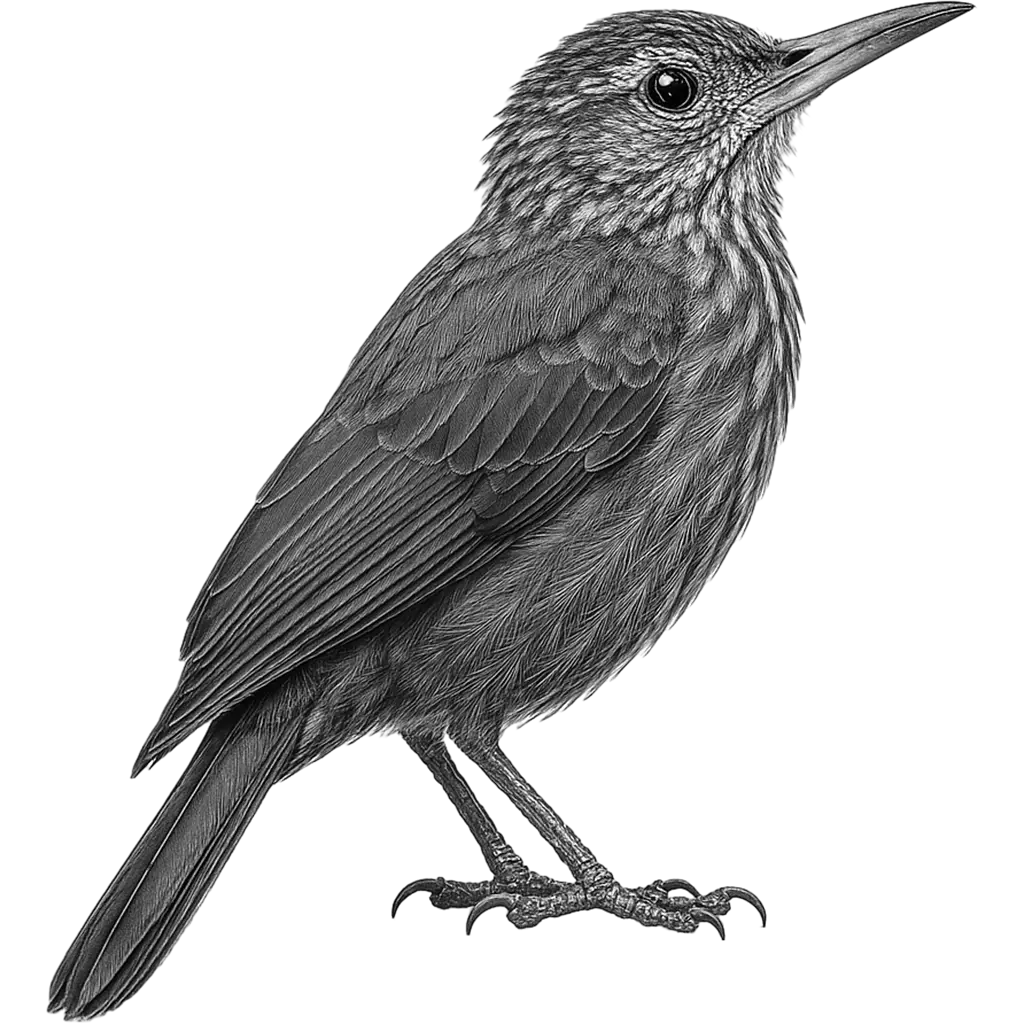
The Elegant Woodcreeper has a slender body with a long, decurved bill and a gracefully elongated tail that aids its agile movement among dense treetops. Its plumage features a mix of soft browns, subtle streaks, and a hint of olive, perfectly camouflaged against the textured bark. The bird's keen, dark
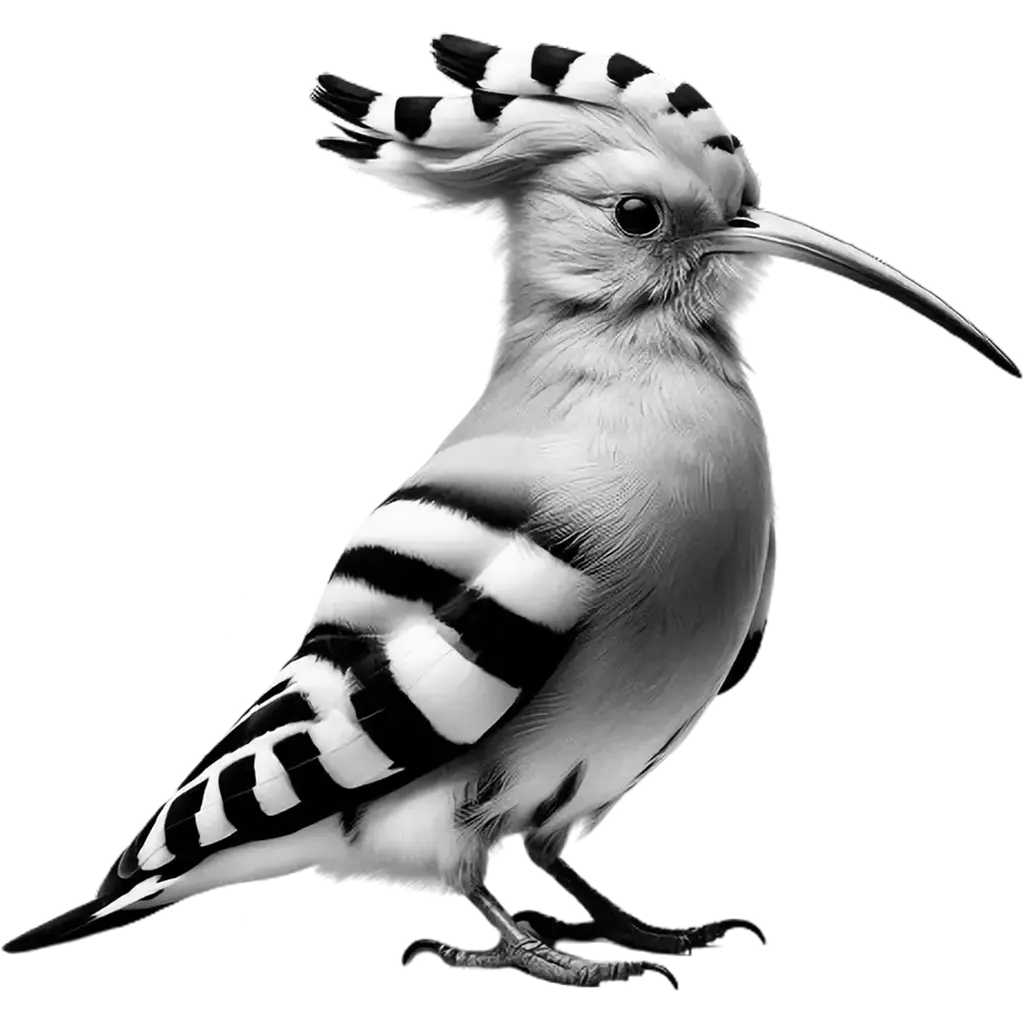
The White-Headed Wood Hoopoe, phoeniculus bollei, is a distinctive bird species primarily found in the forests and woodlands of Central and East Africa. This bird is known for its striking appearance, featuring a long, curved beak, a glossy blue-black plumage, and a prominent white head and chest, which contrast sharply
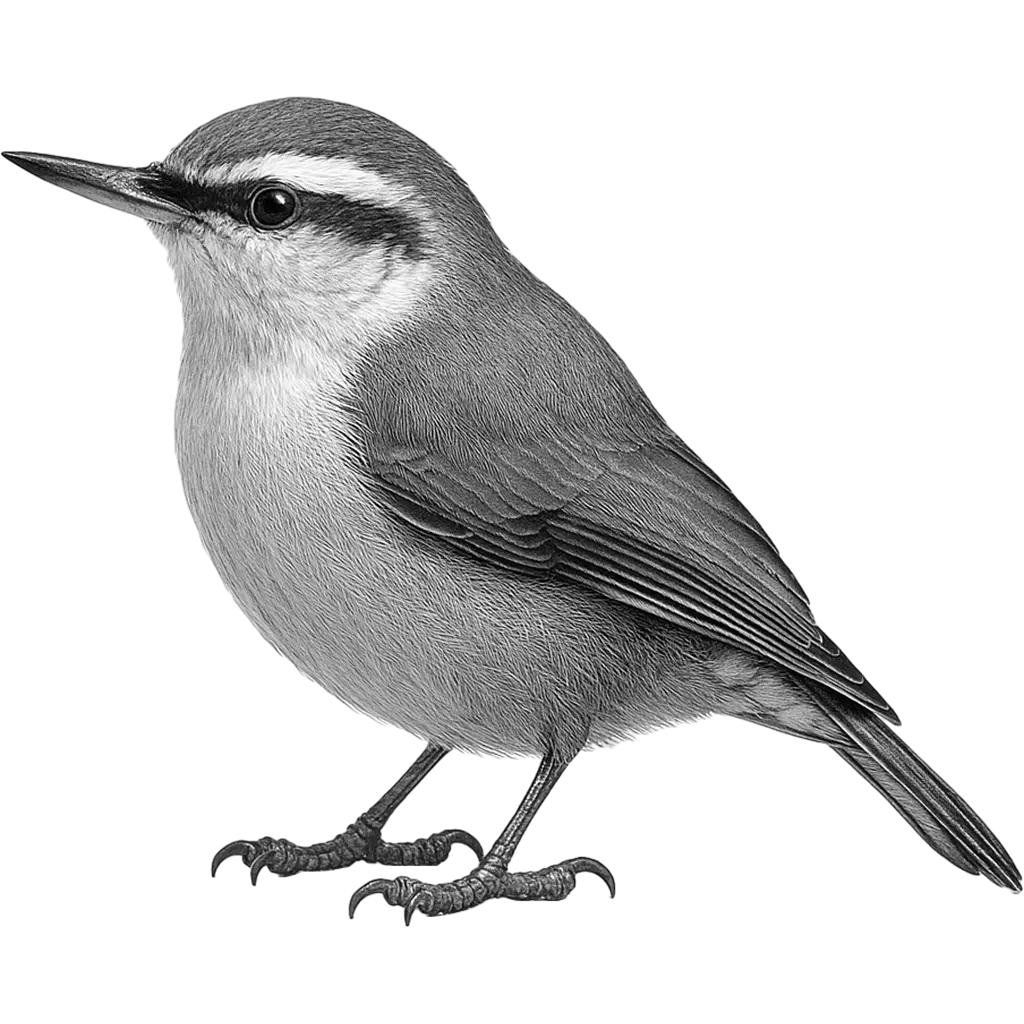
The Bahama Nuthatch is a small, agile bird with soft, mottled plumage in shades of gray and brown that blends perfectly with the bark of pine trees. Its slender body, short pointed bill, and modest, rounded tail give it a delicate, understated elegance. The subtle markings on its face and
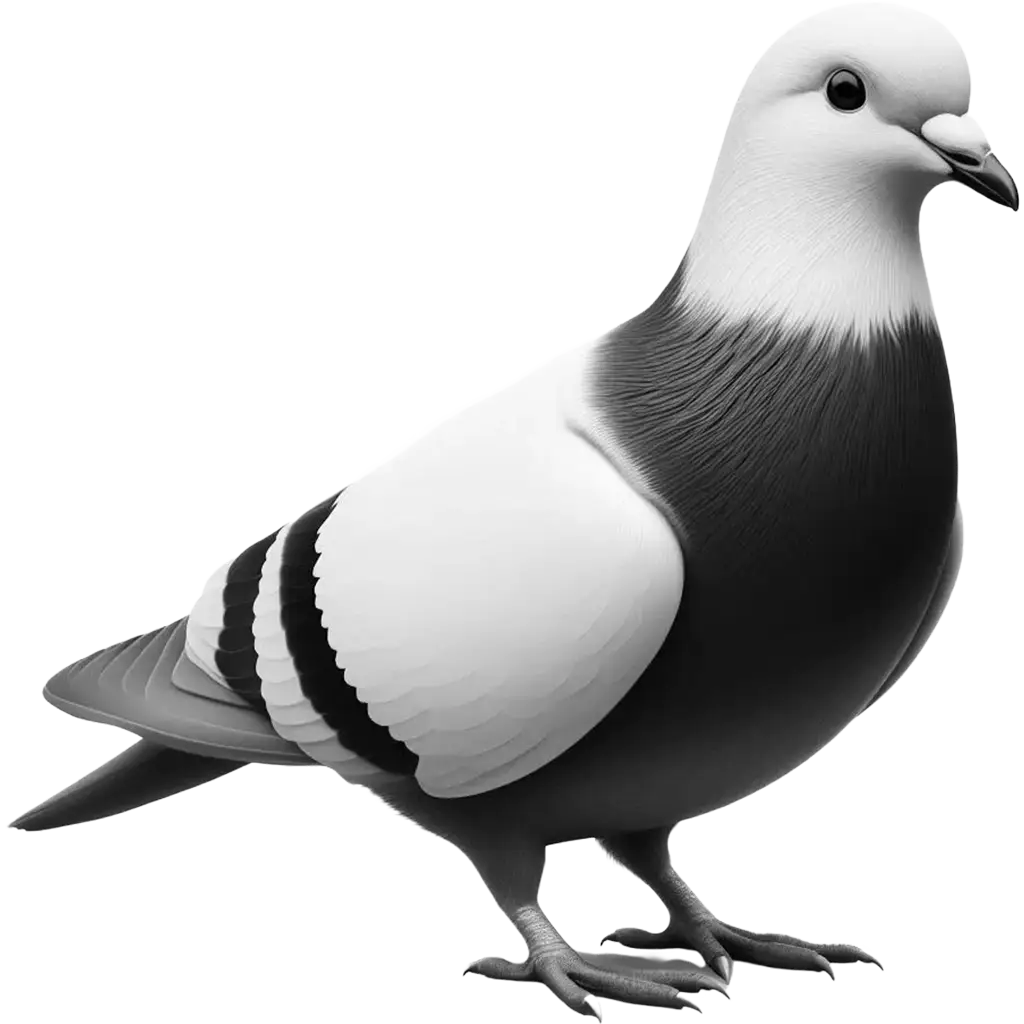
The Silvery Pigeon, columba argentina, is a rare and elusive bird species primarily found in the islands of Indonesia and parts of Malaysia. This medium-sized pigeon exhibits a distinctive plumage, predominantly silvery-grey with darker grey wings and a white underbelly, making it one of the more striking pigeon species in