
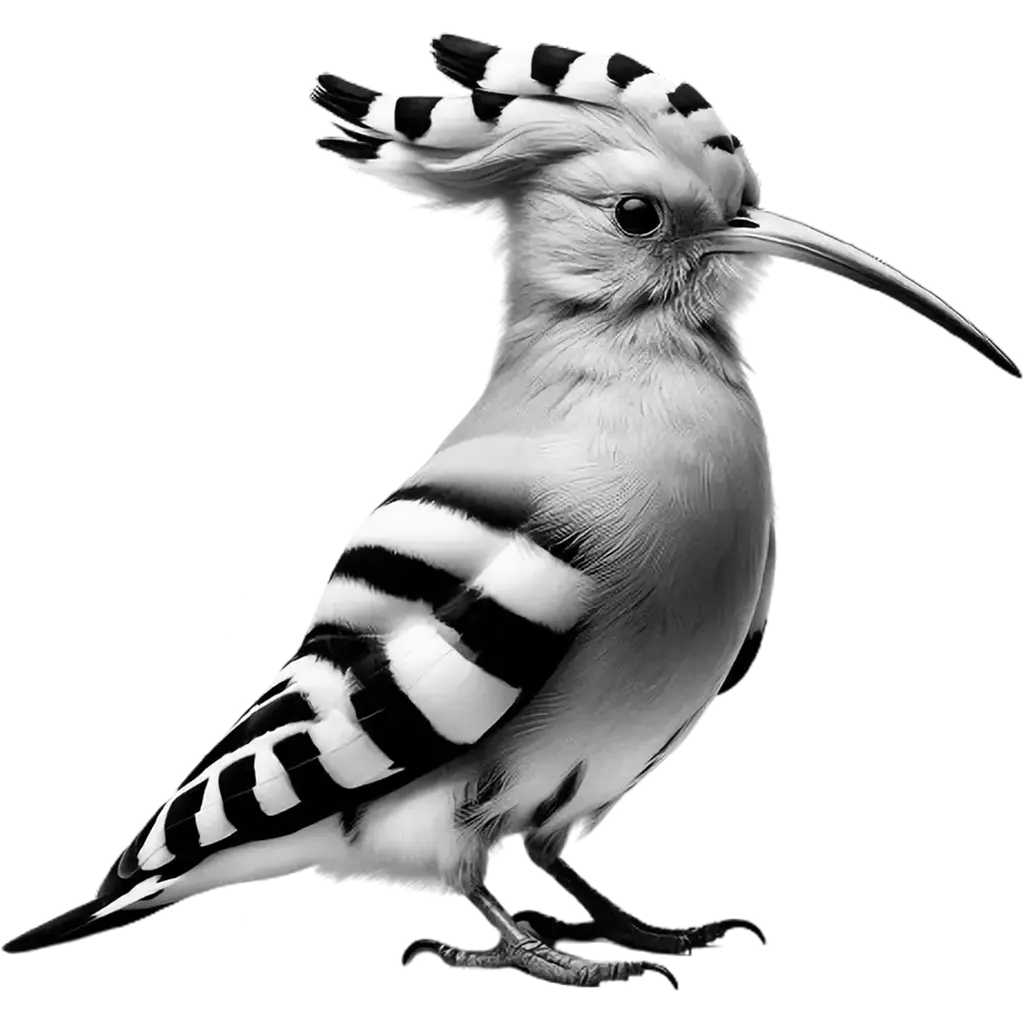
Phoeniculus Bollei
White-Headed Wood Hoopoe
Woodlands, forests, and savannahs with abundant trees
The White-Headed Wood Hoopoe, phoeniculus bollei, is a distinctive bird species primarily found in the forests and woodlands of Central and East Africa. This bird is known for its striking appearance, featuring a long, curved beak, a glossy blue-black plumage, and a prominent white head and chest, which contrast sharply with its dark body. Adults typically measure between 38 to 40 centimeters in length, including the long, tapering tail that is characteristic of the species. The White-Headed Wood Hoopoe is a social bird, often seen in small groups that communicate with a variety of vocalizations, including cackles and chattering calls.
| Population: | Not precisely quantified; considered to be of least concern with a stable population trend |
| Generation Length: | 3-4 years |
| Average Weight: | Approximately 50-70 grams |
| Average Length: | 25-30 cm, including the tail |
| Lifespan: | Up to 10 years in the wild |
| Diet: | Primarily invertebrates and some plant material |
| Conservation Status: | Least Concern (LC) |
This species prefers dense forest habitats, where it can be found foraging along tree trunks and branches in search of insects and larvae. Using their long, curved beaks, White-Headed Wood Hoopoes probe into crevices in the bark to extract their prey, playing a vital role in controlling insect populations within their ecosystem. They are adept climbers, using their strong legs and zygodactyl feet (two toes facing forward and two backward) to cling to the sides of trees as they search for food.
The diet of the White-Headed Wood Hoopoe primarily consists of insects, including beetles, larvae, and spiders, making them an important part of the forest ecosystem by helping control pest populations. They may also consume small fruits and berries, adding to their diet's variety.
Reproduction for the White-Headed Wood Hoopoe involves communal nesting, with a single pair breeding within a group, and other group members assisting in raising the young. They nest in cavities in trees, where the female lays between 2 to 4 eggs. The entire group participates in feeding and protecting the nestlings, showcasing a complex social structure and cooperative breeding behavior.
The White-Headed Wood Hoopoe is currently not considered endangered, but like many forest-dwelling species, it faces threats from habitat destruction and fragmentation. Conservation efforts focused on preserving forest habitats are crucial for maintaining healthy populations of this and other forest species. The White-Headed Wood Hoopoe's dependence on large, mature trees for nesting highlights the importance of protecting old-growth forests and managing forests sustainably.
Classifications
The Key Attributes
Features
- Movement:
Flight and climbing
- Territorial Behavior:
Highly social, living in groups
- Speed:
Not specifically quantified; capable of agile flight and quick movements in trees
- Diet:
Omnivore
- Physical Features:
- Distinctive white head and underparts with a glossy blue-black back
- Long, decurved bill used for probing bark for insects
- Long tail with white tips
- Loud and complex vocalizations
- Primary Senses:
- Sight
- Hearing
- Tactile (bill sensitivity)
Understanding Habitat and Range
Geography
- Habitat:
Woodlands, forests, and savannahs with abundant trees
- Migration Patterns:
Generally sedentary, with some local movements for food
- Geographical Range:
Central Africa, specifically found in countries like Angola, Cameroon, Congo, Democratic Republic of Congo, Gabon, Kenya, and Uganda
- Climate Preferences:
Tropical and subtropical climates
Navigating the Wilderness
In the wild
- Predators:
Birds of prey and snakes may prey on young and eggs
- Prey:
Insects, spiders, small invertebrates
- Feeding Behavior:
Forages in groups, probing tree bark and leaf litter for insects, spiders, and occasionally small fruits
- Diet:
Primarily invertebrates and some plant material
- Defensive Mechanisms:
- Group vigilance and mobbing to deter predators
- Camouflage among tree bark
- Preferred Food Sources:
- Insects and spiders found on tree bark
- Small fruits
Insights Into Reproduction
Mating
- Mating System:
Monogamous, with cooperative breeding where non-breeding individuals assist with care of the young
- Number of Offspring:
2-4 eggs
- Incubation Period:
About 14-18 days
- Parental Involvement:
- Both parents and often additional group members feed and care for the chicks
Youngsters Section
White-Headed Wood Hoopoe
Fun Fact
The White-Headed Wood Hoopoe is known for its distinctive white head and long, curved bill.
These social birds live in groups, often seen in African woodlands. They communicate using a variety of vocalizations, including cackles and trills. The White-Headed Wood Hoopoe uses its bill to extract insects from tree bark, serving as an important pest controller in its habitat.

Download word search puzzles
Word Search Puzzles
Check Out Other Birds

The King Penguin, aptenodytes patagonicus, ranks as the second largest species of penguin, surpassed only by the Emperor Penguin in size and stature. Adults can reach up to 95 cm (37 inches) in height and weigh between 11 to 16 kg (24 to 35 pounds), showcasing a sleek, streamlined body
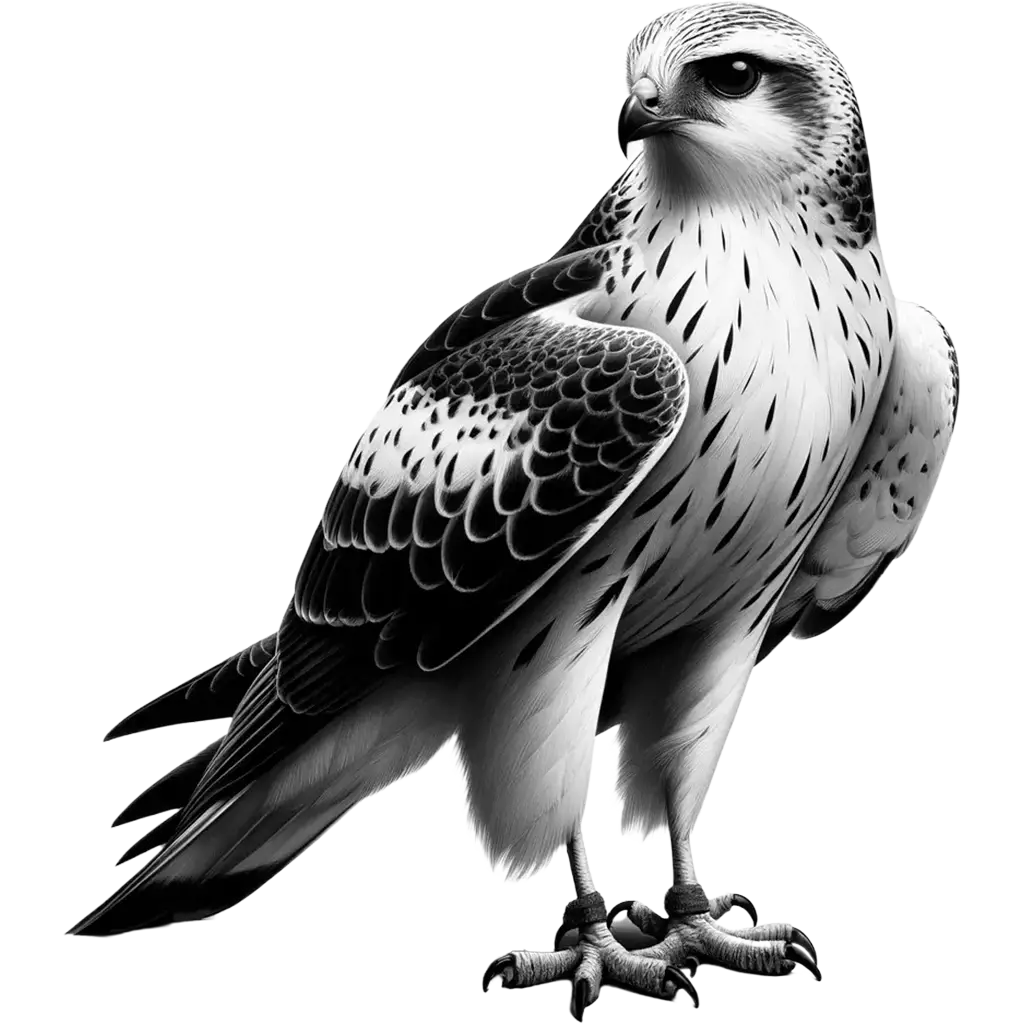
The Long-Winged Harrier, circus buffoni, is a distinctive bird of prey known for its slender frame, long wings, and tail which facilitate its prowess in flight. Males typically exhibit a striking gray and white plumage with black wingtips, while females and juveniles are primarily brown with streaked underparts. This species

The Snowy Albatross, Diomedea exulans, is a marvel of the avian world, holding the record for the longest wingspan of any living bird, typically ranging from 2.5 to 3.5 meters. Adults are predominantly white, with black-tipped wings and a pale pink bill. They are highly adapted to life at sea,
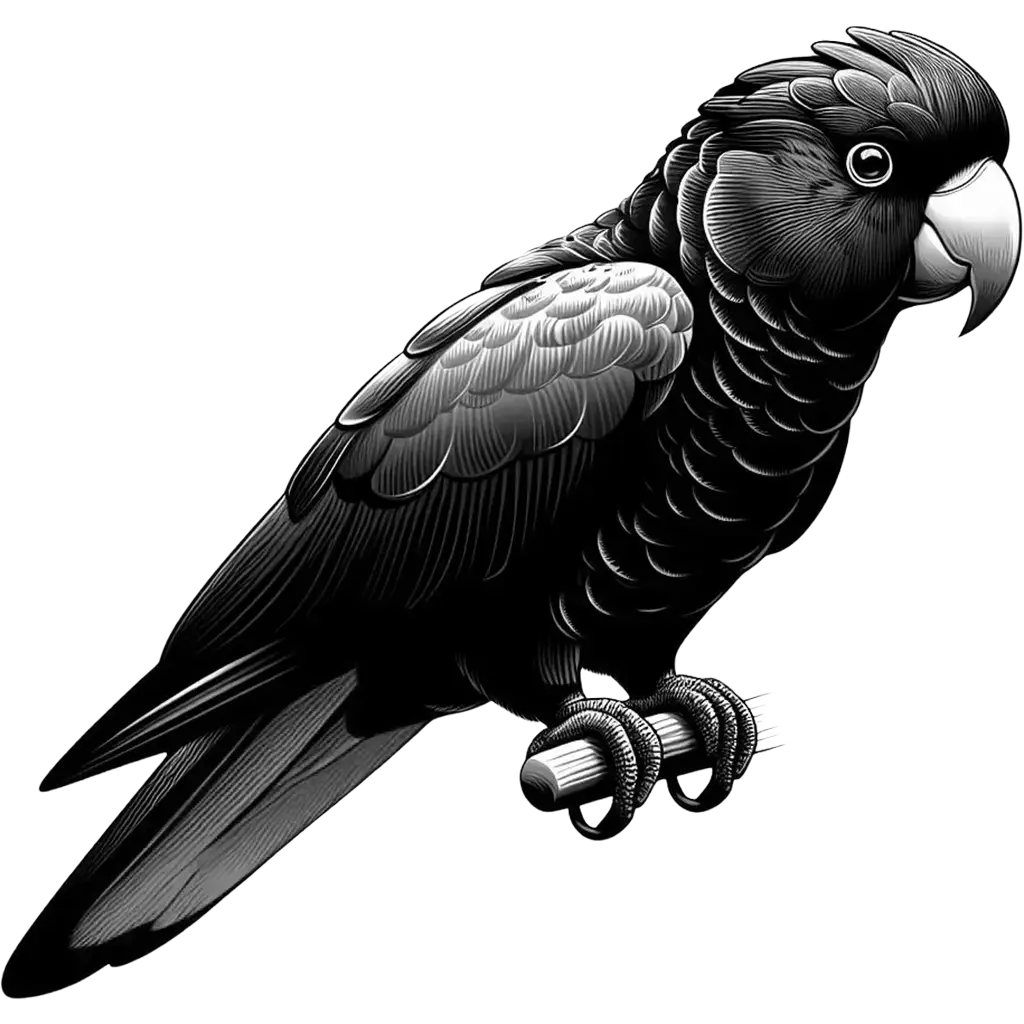
The Red-Tailed Black Cockatoo, calyptorhynchus banksii, is a large, striking bird native to Australia, known for its glossy black plumage and distinctive red tail panels. Adult males boast a bold black color with a bright red band across the tail feathers, while females and juveniles display a more varied plumage