
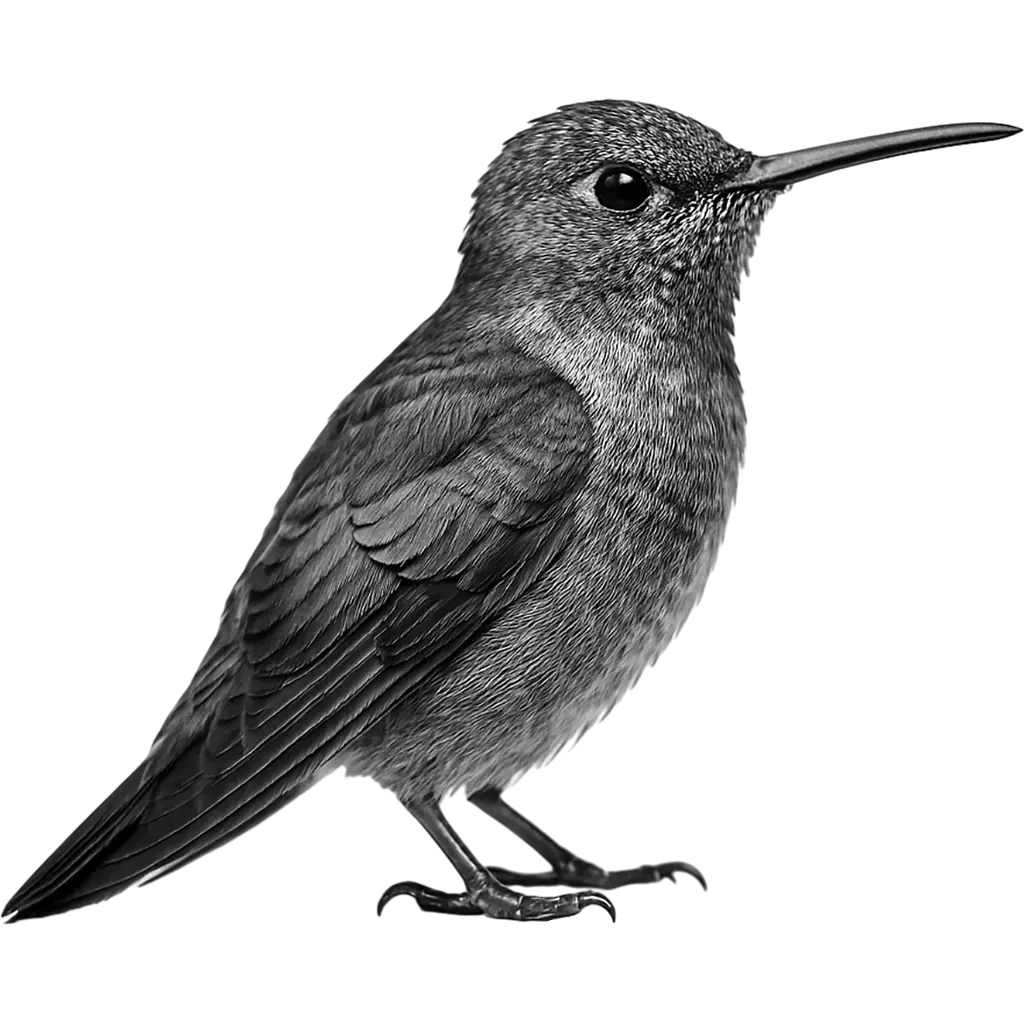
Amazilia Yucatanensis
Buff-Bellied Hummingbird
Tropical and subtropical regions, gardens, and forest edges
The Buff-bellied Hummingbird is a dazzling small bird distinguished by its vibrant coloration and sleek, streamlined body. Its plumage gleams with iridescent greens and subtle hues of blue, with a notable buff-colored belly that contrasts with its shimmering metallic back. The bird features a delicate, elongated bill perfect for accessing flower nectar, and its agile, rapid wings create a mesmerizing blur during flight. Overall, its compact and elegant body structure makes it a captivating sight in its natural habitat.
| Population: | Stable population with consistent sightings across the Yucatan Peninsula; no significant decline observed |
| Generation Length: | 1-2 years |
| Average Weight: | 3-4 g |
| Average Length: | 7-9 cm |
| Lifespan: | 3-5 years in the wild, up to 8 years in captivity |
| Diet: | Primarily nectar with occasional insects |
| Conservation Status: | Least Concern (LC) |
The Buff-bellied Hummingbird leads a dynamic lifestyle primarily defined by its vigorous activity and agile maneuvers. It is most active during daylight hours, frequently seen darting among flowering plants in gardens and forests. This bird utilizes its exceptional flying skills to hover in place, sometimes hovering motionlessly to feed on nectar, and often displays rapid bursts of flight when escaping predators. It is highly territorial, defending its feeding grounds with assertive aerial displays. Beyond feeding, it engages in short local movements in search of optimal feeding spots and tends to favor sunlit areas for resting. Its behavior also includes frequent social interactions during feeding times, where both competitive and cooperative behaviors are observed among individuals sharing similar habitats. These behaviors highlight its adaptability and robust energy levels.
Feeding predominantly on nectar from a variety of flowering plants, the Buff-bellied Hummingbird has a diet that sustains its high metabolism. It uses its long, slender bill to extract nectar efficiently, supplementing its sugar-rich diet with small insects and spiders that provide essential proteins. This dietary mix not only fuels its rapid wing beats and acrobatic flight but also supports its overall energy requirements during long periods of activity. The species is known for frequent visits to feeders and natural blooms, where it displays remarkable agility in maintaining balance while feeding. Its feeding patterns ensure that it consumes enough energy to fuel its constant motion, thereby playing an important role in pollinating the plants it visits as it moves swiftly from flower to flower.
During the breeding season, Buff-bellied Hummingbirds engage in elaborate aerial courtship displays that involve rapid movements and vibrant color exhibitions. Males often perform high-speed dives and intricate maneuvers to attract females. The competitive nature of these displays ensures that only the most agile and vigorous males succeed, leading to brief but intense mating encounters. Female selection is discerning and signals overall fitness.
The Buff-bellied Hummingbird currently maintains a stable population with consistent sightings across its range in the Yucatan Peninsula and adjacent areas. Though subject to localized fluctuations due to environmental changes, the species does not face significant threats. Conservational observations indicate that its populations remain robust and its habitat continues to provide ample food sources. Population levels remain favorable.
Classifications
The Key Attributes
Features
- Movement:
Flight
- Territorial Behavior:
Highly territorial during feeding times
- Speed:
Rapid and agile
- Diet:
Nectarivore, insectivore
- Physical Features:
- Iridescent plumage
- Buff-colored belly
- Delicate, elongated bill
- Rapid wing beats
- Primary Senses:
- Sight
- Hearing
Understanding Habitat and Range
Geography
- Habitat:
Tropical and subtropical regions, gardens, and forest edges
- Migration Patterns:
Non-migratory or local movements
- Geographical Range:
Yucatan Peninsula and parts of Central America
- Climate Preferences:
Prefers warm climates
Navigating the Wilderness
In the wild
- Predators:
Spiders, small reptiles, larger birds
- Prey:
Small insects and nectar
- Feeding Behavior:
Feeds while hovering among blooms
- Diet:
Primarily nectar with occasional insects
- Defensive Mechanisms:
- Rapid flight
- Camouflage against vegetation
- Preferred Food Sources:
- Flower nectar
- Small insects
Insights Into Reproduction
Mating
- Mating System:
Promiscuous
- Number of Offspring:
2 eggs
- Incubation Period:
14-16 days
- Parental Involvement:
- Female incubates eggs
- Male provides little to no care
Youngsters Section
Buff-Bellied Hummingbird
Fun Fact
Buff-bellied Hummingbirds showcase rapid, agile flight and striking iridescence.
These tiny birds are vital pollinators, often seen hovering near vibrant blooms. Their swift movements and colorful displays captivate onlookers, highlighting nature's intricate beauty and the delicate balance of their ecosystem.

Download word search puzzles
Word Search Puzzles

Check Out Other Birds
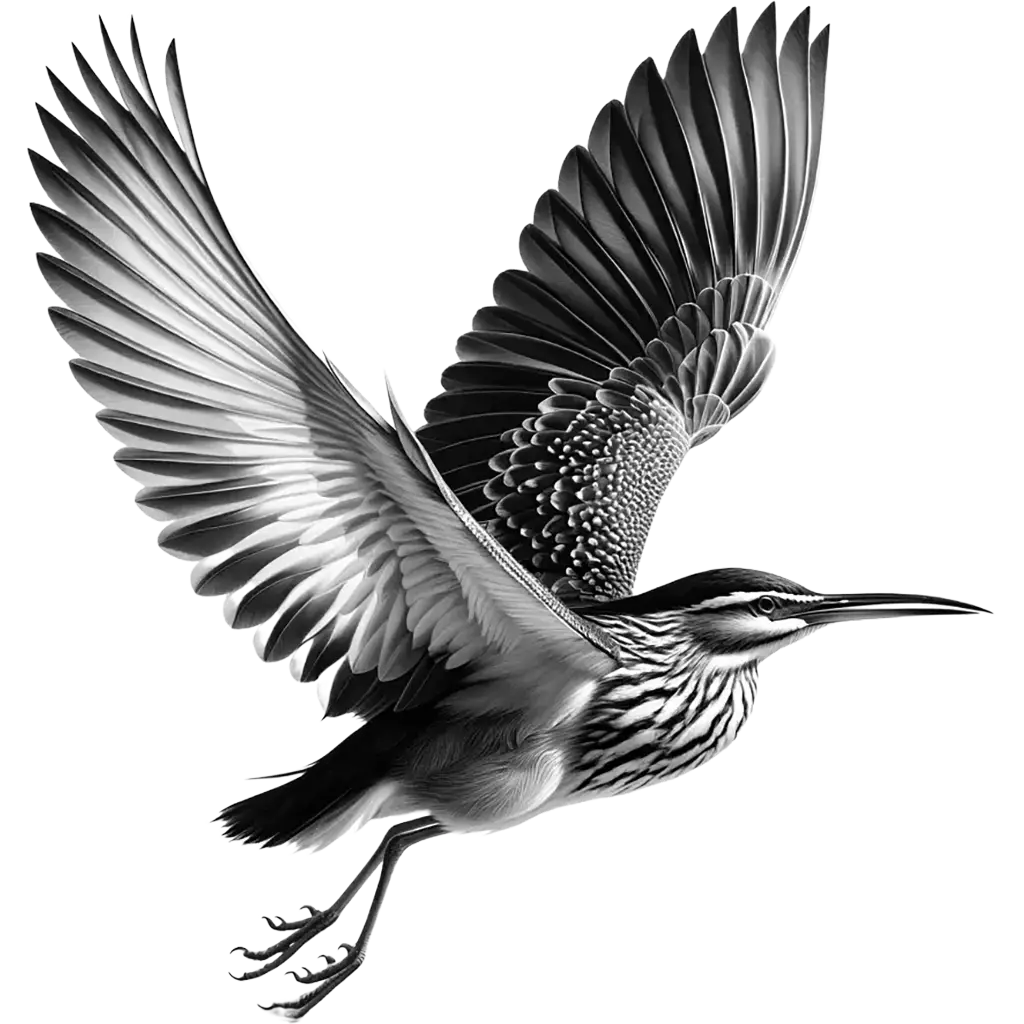
The Sunbittern, eurypyga helias, is a distinctive and enigmatic bird species native to the tropical regions of Central and South America. Measuring approximately 43 to 48 cm in length, the Sunbittern possesses a slender body, long legs, and a thin, straight bill, resembling herons in stature. However, its plumage sets
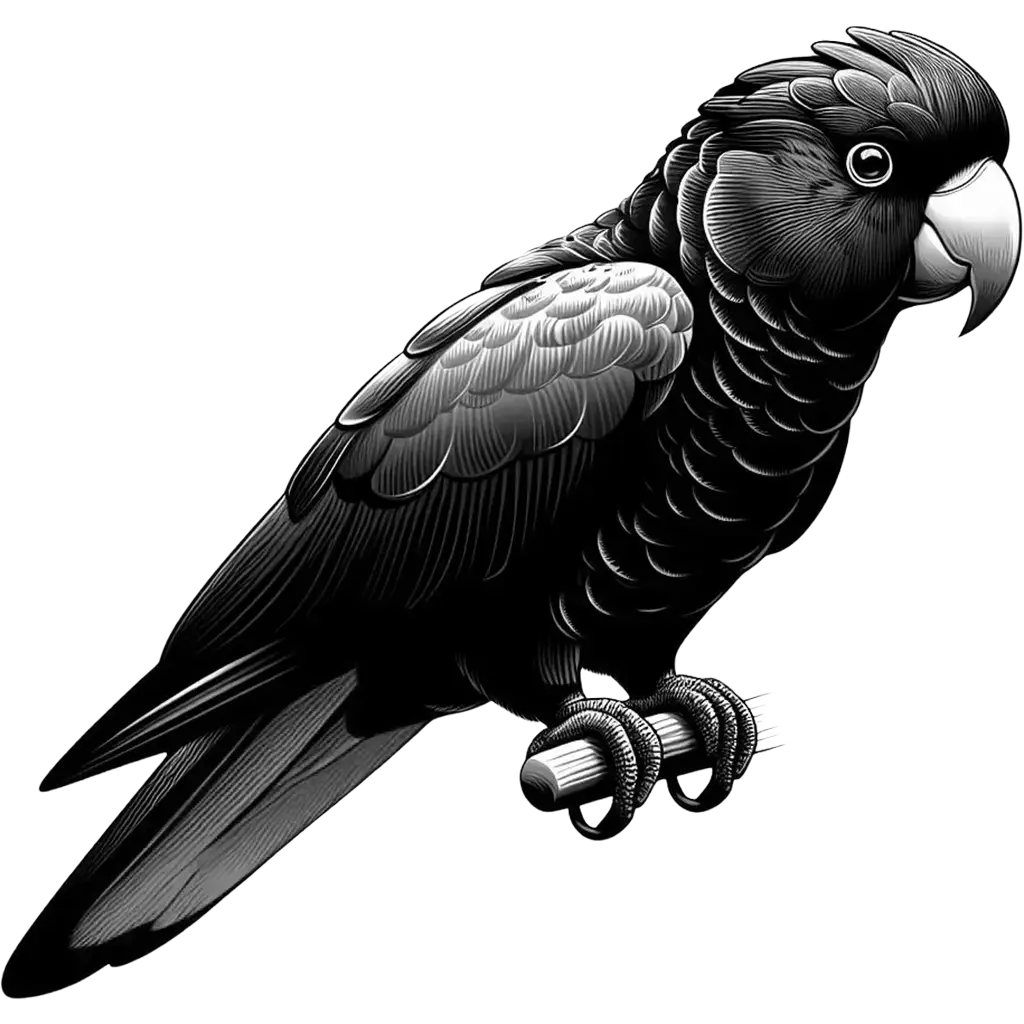
The Red-Tailed Black Cockatoo, calyptorhynchus banksii, is a large, striking bird native to Australia, known for its glossy black plumage and distinctive red tail panels. Adult males boast a bold black color with a bright red band across the tail feathers, while females and juveniles display a more varied plumage
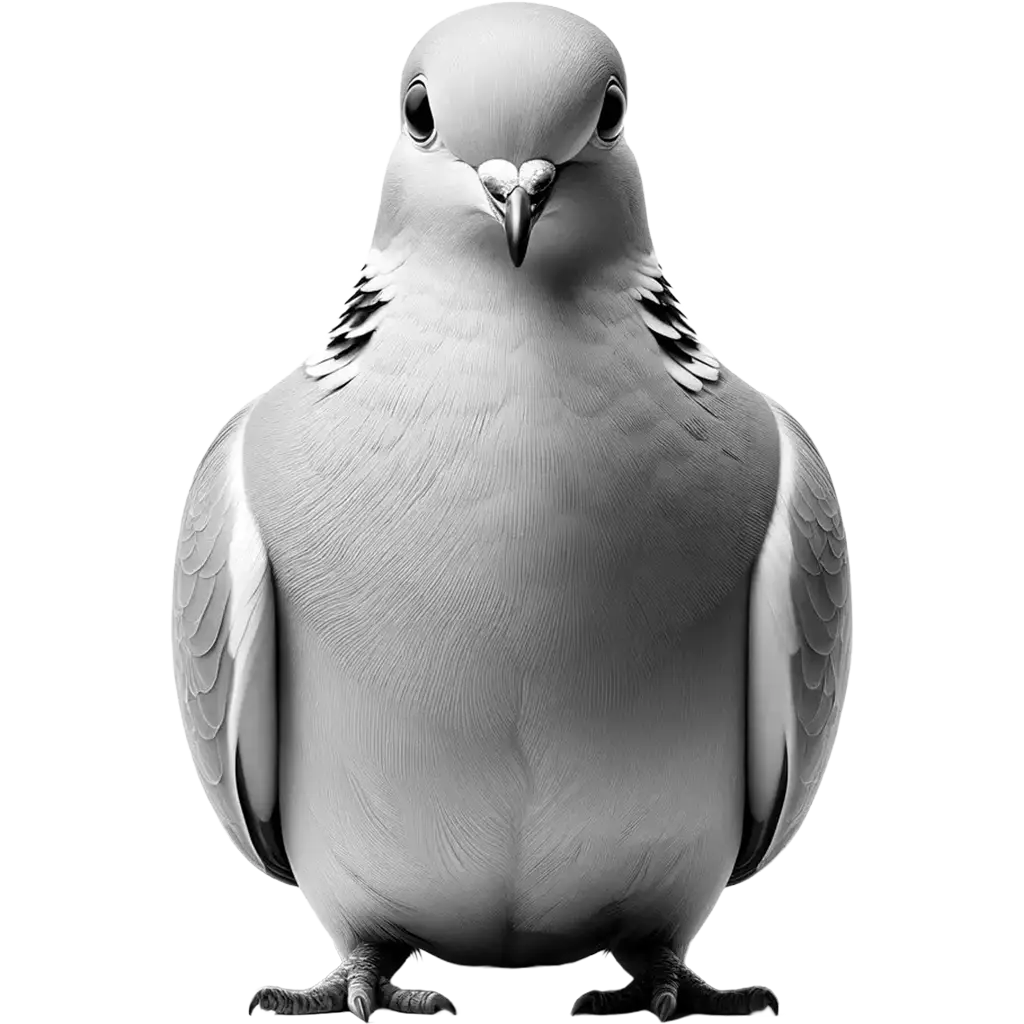
The Common Wood Pigeon, columba palumbus, is a large species of pigeon that is widespread across Europe, western Asia, and North Africa. It is easily recognizable by its size, measuring 38 to 44 cm in length and weighing between 300 to 600 grams, making it one of the larger pigeons
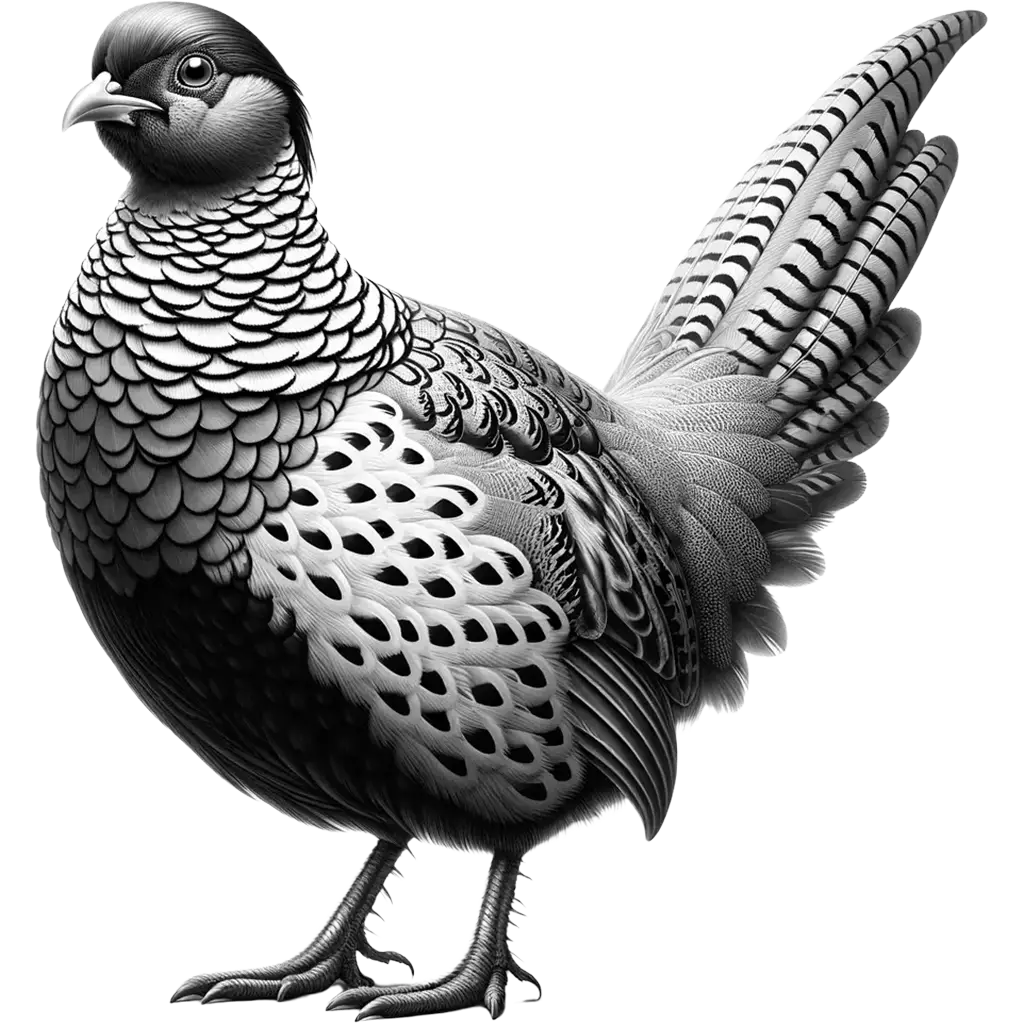
The Reeves's Pheasant, syrmaticus reevesii, is a magnificent bird known for its extraordinary tail length and striking plumage. Males are particularly notable, with tails that can reach up to 2.4 meters in length, making them one of the longest-tailed pheasants in the world. The male's plumage is a vibrant mix