
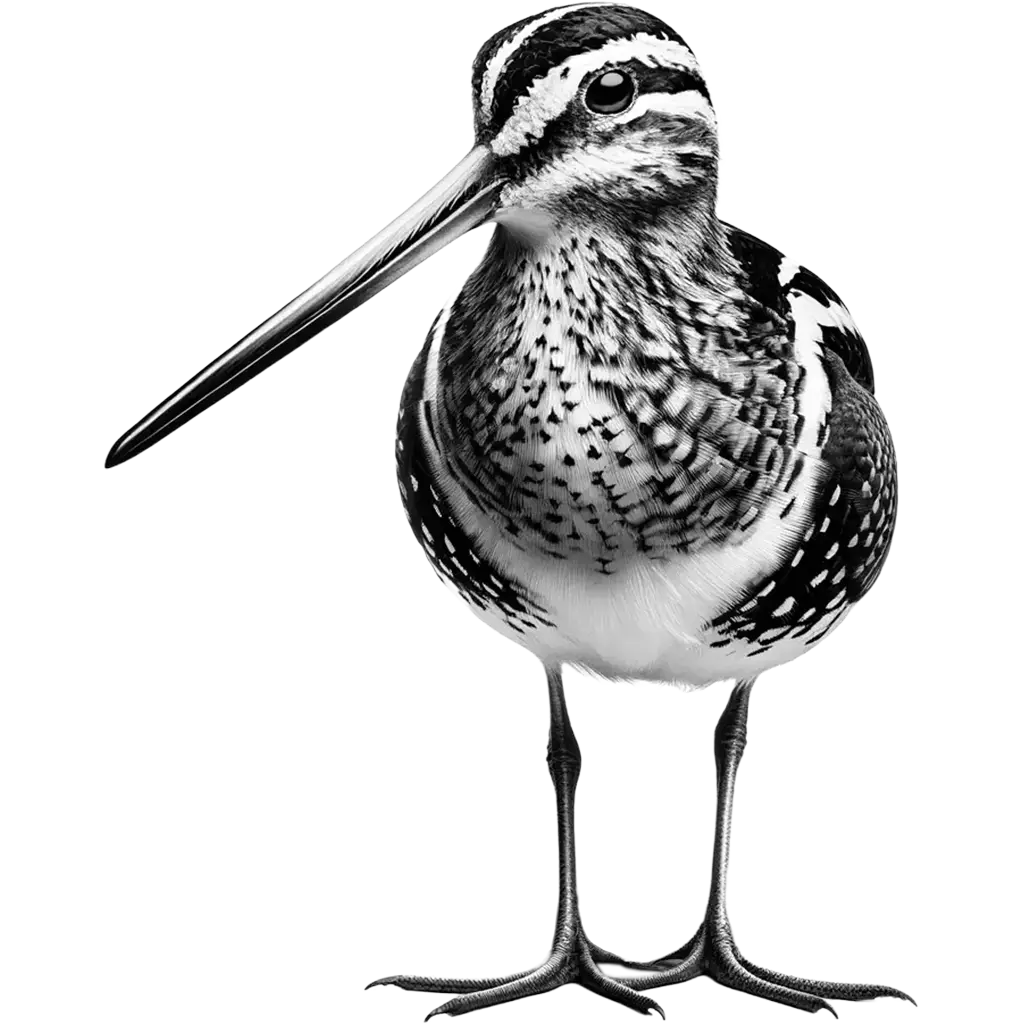
Rostratula Benghalensis
Greater Painted-Snipe
Freshwater wetlands, marshes, rice fields, and areas with dense vegetation near water
The Greater Painted-Snipe, rostratula benghalensis, is a distinctive and elusive bird species found in wetlands across Africa, Asia, and parts of Australasia. This species exhibits reverse sexual dimorphism, a unique trait where females are more brightly colored than males. Females have a striking appearance with a dark brown back, a rich chestnut head, and a white stripe above the eye, while males are generally paler with more subdued coloration. Both sexes have long, bright green legs and a long, slightly curved bill, adaptations that aid in their foraging in muddy waters. The Greater Painted-Snipe typically measures between 25 to 28 cm in length, making it a medium-sized wader within its habitat.
| Population: | Listed as Least Concern but facing habitat-related threats |
| Generation Length: | 3-4 years |
| Average Weight: | 100-200 grams |
| Average Length: | 25-28 cm |
| Lifespan: | Unknown, but similar species typically live several years |
| Diet: | Varied diet that includes both animal and plant matter |
| Conservation Status: | Least Concern (LC) |
Greater Painted-Snipes favor marshes, swamps, rice fields, and other wetlands with dense vegetation, which provide both food and cover from predators. They are non-migratory birds but may move locally depending on water levels and habitat conditions. Their presence is often a good indicator of the health of wetland ecosystems.
The diet of the Greater Painted-Snipe mainly consists of invertebrates, such as insects and their larvae, along with seeds and small aquatic plants. They feed by probing the mud with their bills, extracting food from the soil and water.
Reproduction in the Greater Painted-Snipe is notable for its role reversal, where the more colorful females court the males and may mate with several partners. Males then take on the responsibility of incubating the eggs and caring for the young. Nests are usually simple scrapes on the ground, lined with vegetation and located near water.
The population of the Greater Painted-Snipe is currently considered Near Threatened due to habitat loss, degradation of wetlands, and disturbance from agricultural activities. Conservation efforts are focused on protecting wetland habitats and managing water resources to ensure the survival of this and other wetland-dependent species. The Greater Painted-Snipe's unique behaviors and role in the ecosystem underscore the importance of biodiversity conservation in wetland habitats.
Classifications
The Key Attributes
Features
- Movement:
Walking, flying
- Territorial Behavior:
Somewhat territorial, especially during breeding season
- Speed:
Capable of quick, darting movements on land and strong flight when necessary
- Diet:
Omnivore
- Physical Features:
- Long, slightly curved bill
- Sexual dimorphism with females being more colorful and larger than males
- Camouflaged plumage with bold patterns
- Short legs and long toes for wading
- Primary Senses:
- Sight
- Hearing
- Touch
Understanding Habitat and Range
Geography
- Habitat:
Freshwater wetlands, marshes, rice fields, and areas with dense vegetation near water
- Migration Patterns:
Sedentary to partially migratory, depending on the availability of wetland habitats
- Geographical Range:
Widespread across Africa, southern Asia, and parts of Australasia
- Climate Preferences:
Prefers warm, humid environments near water sources
Navigating the Wilderness
In the wild
- Predators:
Birds of prey, larger mammals, and snakes
- Prey:
Invertebrates, small fish, seeds, and aquatic plants
- Feeding Behavior:
Feeds on insects, crustaceans, and plant material, often foraging in shallow water
- Diet:
Varied diet that includes both animal and plant matter
- Defensive Mechanisms:
- Camouflage plumage to blend into the wetland vegetation
- Quiet, secretive behavior to avoid detection
- Preferred Food Sources:
- Wetlands rich in invertebrates and seeds
Insights Into Reproduction
Mating
- Mating System:
Polyandrous, with females mating with multiple males
- Number of Offspring:
4-6 eggs per clutch
- Incubation Period:
About 18-20 days
- Parental Involvement:
- Males primarily incubate the eggs and care for the young, with females often leaving to find new mates
Youngsters Section
Greater Painted-Snipe
Fun Fact
The greater painted-snipe is notable for its role reversal, with females being more colorful and active.
In this unique bird species, the females court the males, who are responsible for incubating the eggs and caring for the chicks. The greater painted-snipe is found in marshes and wetlands across Africa, Asia, and Australia, displaying an impressive adaptability to diverse habitats.

Download word search puzzles
Word Search Puzzles
Check Out Other Birds
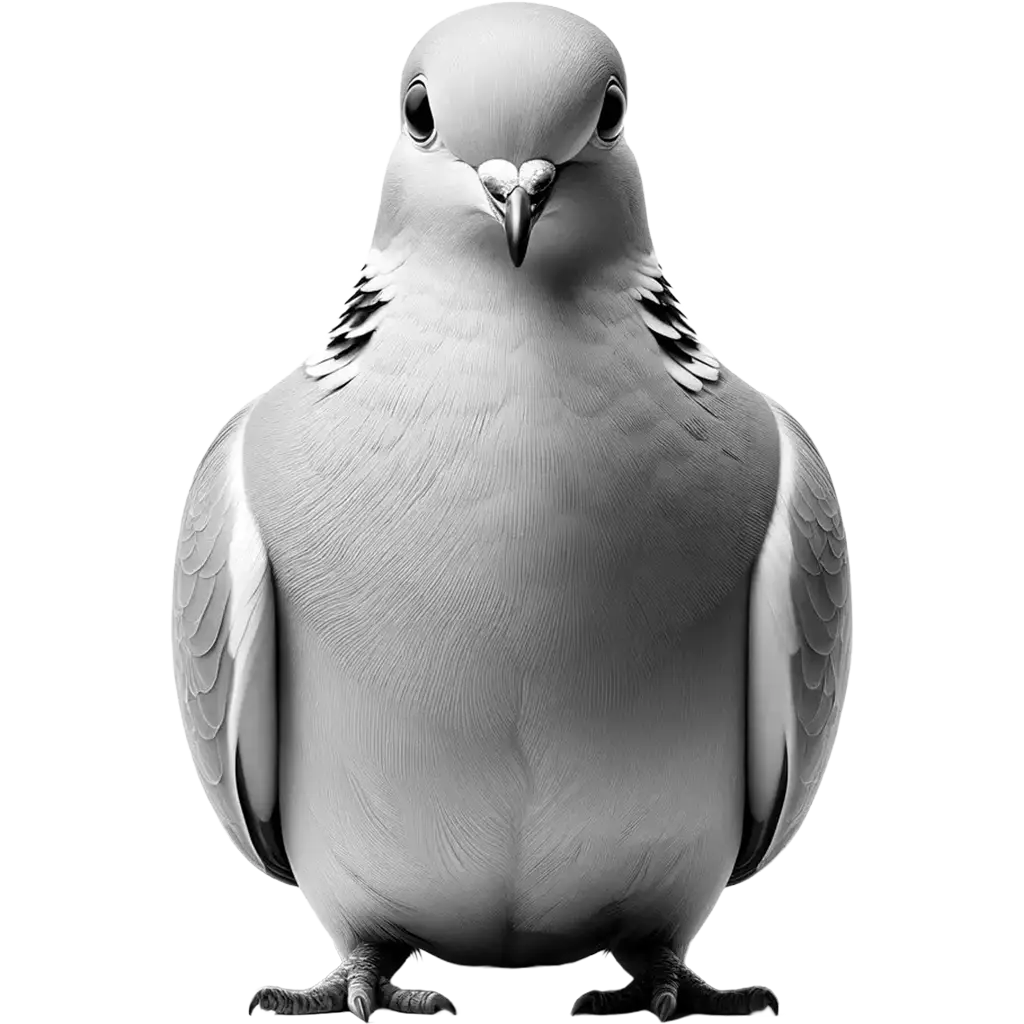
The Common Wood Pigeon, columba palumbus, is a large species of pigeon that is widespread across Europe, western Asia, and North Africa. It is easily recognizable by its size, measuring 38 to 44 cm in length and weighing between 300 to 600 grams, making it one of the larger pigeons
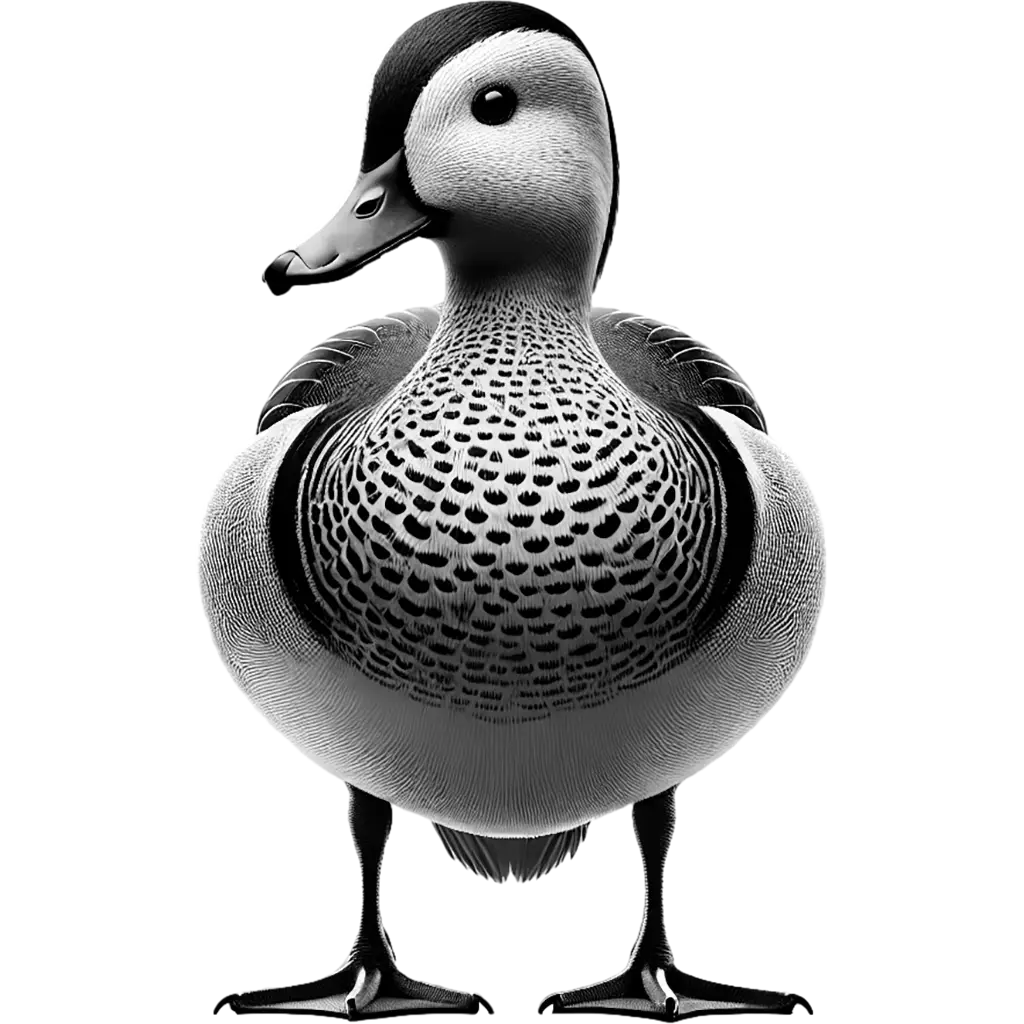
The Ringed Teal is a striking waterfowl with a mottled plumage of browns and grays, accented by a pale ring around the eye. Its slender body, elongated neck, and broad wings combine to create a balanced, elegant appearance. The moderate fork in its tail and subtle iridescence of its feathers
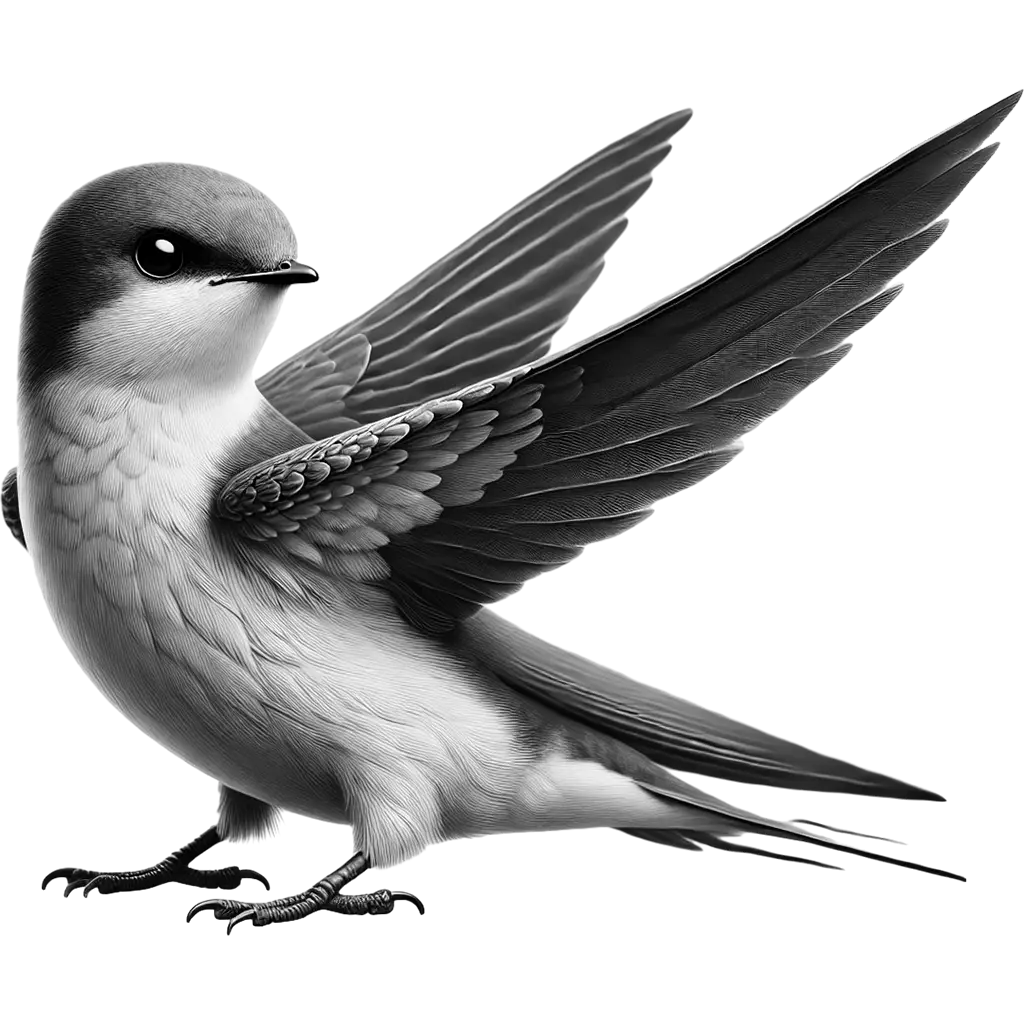
The Little Swift is a small bird, measuring approximately 13 centimeters in length. It boasts predominantly black plumage, accented by a distinctive white throat patch and a conspicuous white rump that extends onto the flanks. Its short, square tail and broad wings with blunt tips contribute to its agile flight
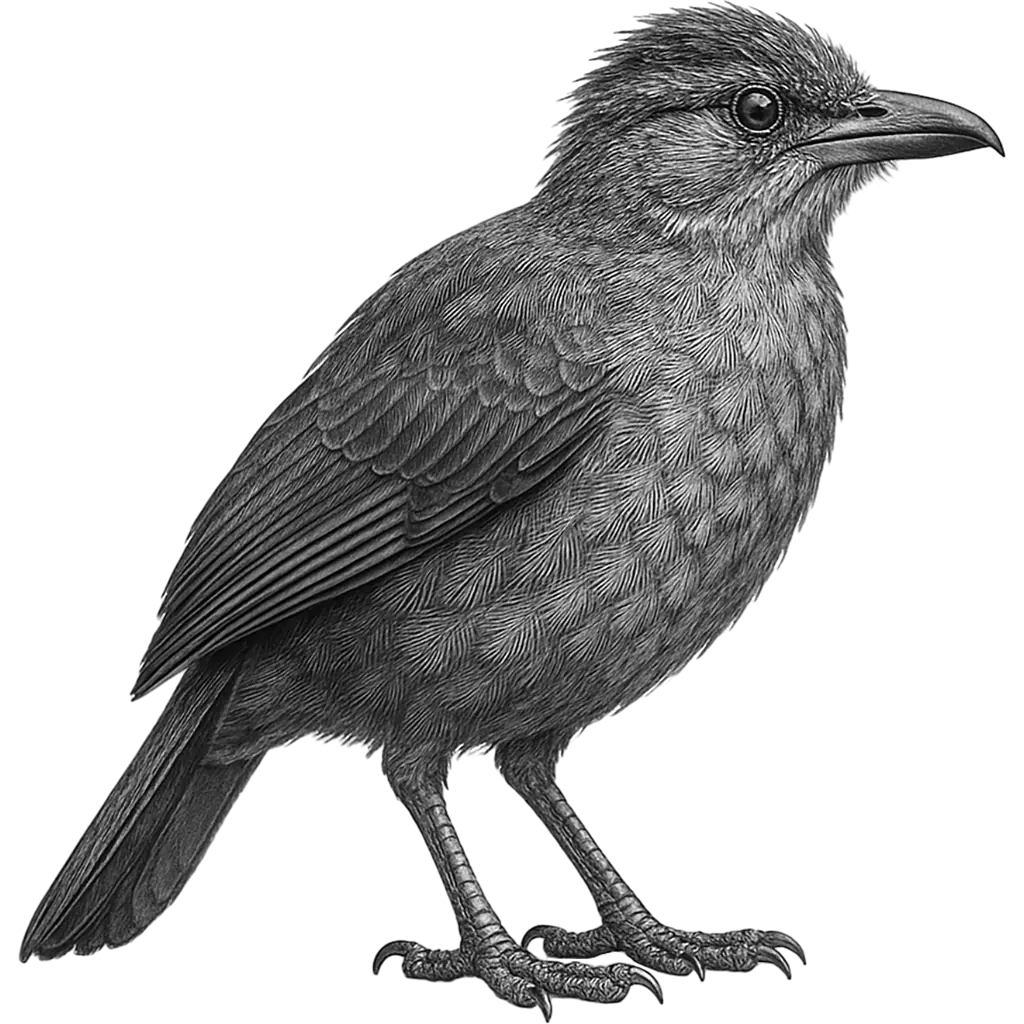
The Hook-billed Bulbul has a slender, medium-sized body typically measuring around 20 centimeters in length, with muted brownish-gray upperparts and a pale, off-white underbelly. Its most distinctive feature is a long, curved bill that hooks at the tip, contrasting sharply in silvery-gray. The bird's tail is relatively long and rounded,