

Hydrobates Pelagicus
European Storm Petrel
Open ocean and coastal areas, breeding on islands and coastal cliffs
The European Storm Petrel, hydrobates pelagicus, is the smallest seabird in the European waters, distinguished by its fluttering flight pattern and the habit of pattering on the water's surface. Adults typically measure 15 to 16 cm in length, with a wingspan of 36 to 39 cm, and weigh around 25 to 30 grams. Their plumage is predominantly black, with a distinctive white rump and a square-tailed silhouette. Despite their small size, they are known for their hardiness and ability to navigate through stormy weather, earning them the name 'storm petrel.'
| Population: | Listed as Least Concern, but some populations are threatened by specific local issues |
| Generation Length: | 6 years |
| Average Weight: | 20-30 grams |
| Average Length: | 14-18 cm |
| Lifespan: | 20 years or more in the wild |
| Diet: | Piscivorous and planktivorous, feeding on marine invertebrates and small fish |
| Conservation Status: | Least Concern (LC) |
European Storm Petrels are pelagic, spending the majority of their lives at sea, only coming ashore to breed. They inhabit the North Atlantic Ocean, from the coasts of Europe to western Africa, favoring open ocean away from the continental shelf. These birds are highly adapted to a life spent on the wing, with their feet positioned far back on their body, aiding in their unique flight but making them awkward on land.
The diet of the European Storm Petrel consists mainly of planktonic crustaceans, small fish, and squid, which they pick from the ocean's surface at night. They are known to follow ships and use the cover of darkness to feed on the small organisms disturbed by the ship's passage, showcasing their opportunistic feeding habits.
Reproduction for the European Storm Petrel involves nesting in colonies on remote islands, where they lay a single white egg in burrows or crevices among rocks. Both parents share the responsibility of incubation, which lasts about 40 to 60 days. The nocturnal habits of these birds continue into their breeding cycle, with adults only visiting the nests under the cover of darkness to avoid predation.
The population of the European Storm Petrel is considered stable, though they face threats from introduced predators on breeding islands, pollution, and climate change, which can affect their food supply. Conservation efforts focus on protecting their breeding sites, controlling invasive species on these islands, and monitoring population trends to ensure the sustainability of this remarkable seabird species.
Classifications
The Key Attributes
Features
- Movement:
Flying, fluttering over water
- Territorial Behavior:
Colonial, especially during breeding season
- Speed:
Capable of swift and agile flight
- Diet:
Carnivore
- Physical Features:
- Small size with long, pointed wings
- Blackish-brown upperparts and white underparts
- Square-tailed with a distinctive band at the end
- Webbed feet and a hooked beak for catching prey
- Primary Senses:
- Sight
- Smell
Understanding Habitat and Range
Geography
- Habitat:
Open ocean and coastal areas, breeding on islands and coastal cliffs
- Migration Patterns:
Migratory, with wintering areas largely at sea
- Geographical Range:
Breeds on islands and coasts of Europe, migrating to the Atlantic and Mediterranean
- Climate Preferences:
Prefers marine environments, from temperate to subpolar regions
Navigating the Wilderness
In the wild
- Predators:
Larger birds, rats, and cats on breeding islands
- Prey:
Small marine organisms
- Feeding Behavior:
Feeds on small fish, squid, and plankton, often picking prey from the sea surface
- Diet:
Piscivorous and planktivorous, feeding on marine invertebrates and small fish
- Defensive Mechanisms:
- Flight agility to evade predators
- Nocturnal activity to reduce predation risks
- Nesting in inaccessible places on cliffs and islands
- Preferred Food Sources:
- Marine environments rich in small fish and plankton
Insights Into Reproduction
Mating
- Mating System:
Monogamous
- Number of Offspring:
Usually one egg
- Incubation Period:
40-60 days
- Parental Involvement:
- Both parents share incubation and chick feeding responsibilities
Youngsters Section
European Storm Petrel
Fun Fact
The European Storm Petrel is the smallest seabird in Europe, weighing only around 25 grams.
These birds have an incredible sense of smell, which they use to locate food over vast ocean distances. They feed on small fish and plankton, often following ships to scavenge for scraps. Known for their fluttering flight, they are a common sight in rough seas.

Download word search puzzles
Word Search Puzzles


Check Out Other Birds
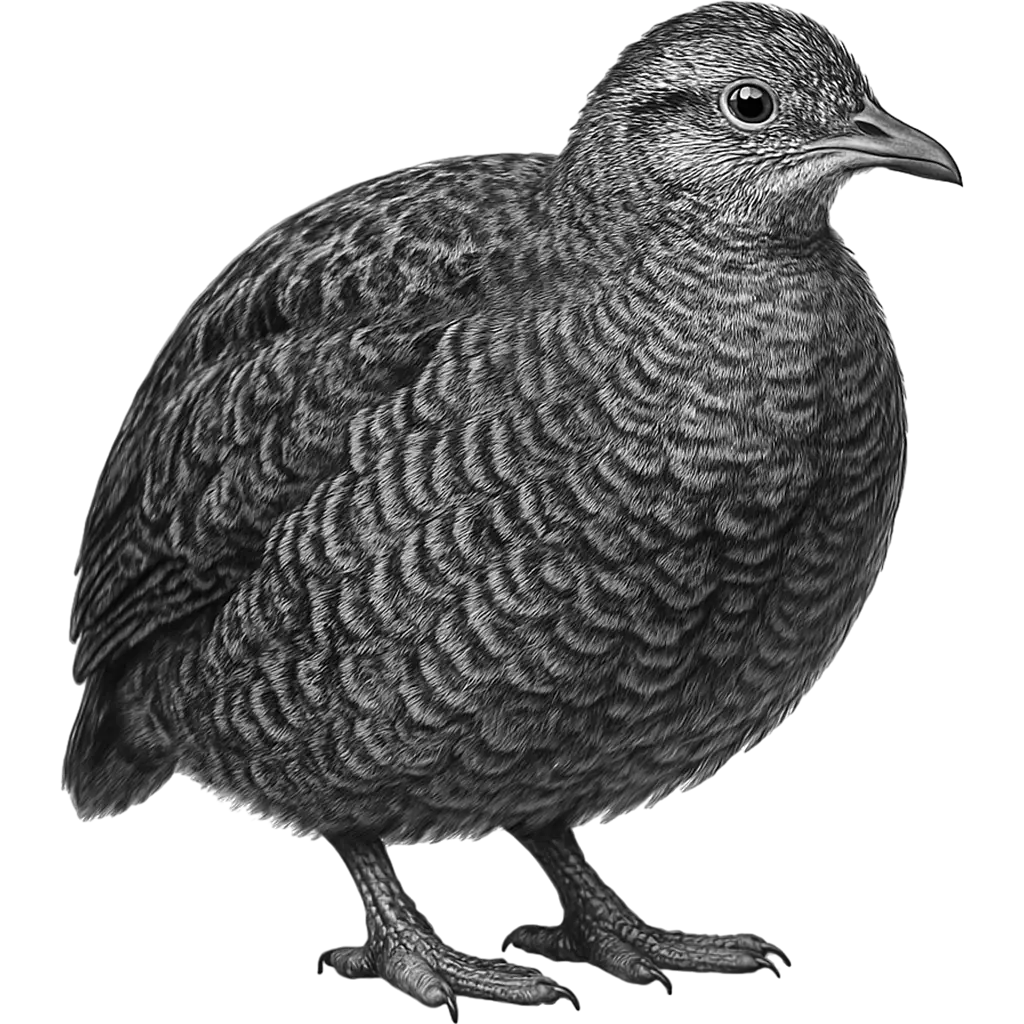
The Highland Tinamou possesses a unique, earthy plumage composed of intermingling shades of muted gray, warm brown, and soft chestnut that seamlessly blend into the rugged mountainous habitat. Its medium-sized, rounded body is complemented by a short, subtly tipped tail and strong, robust legs ideally adapted for swift, agile movements
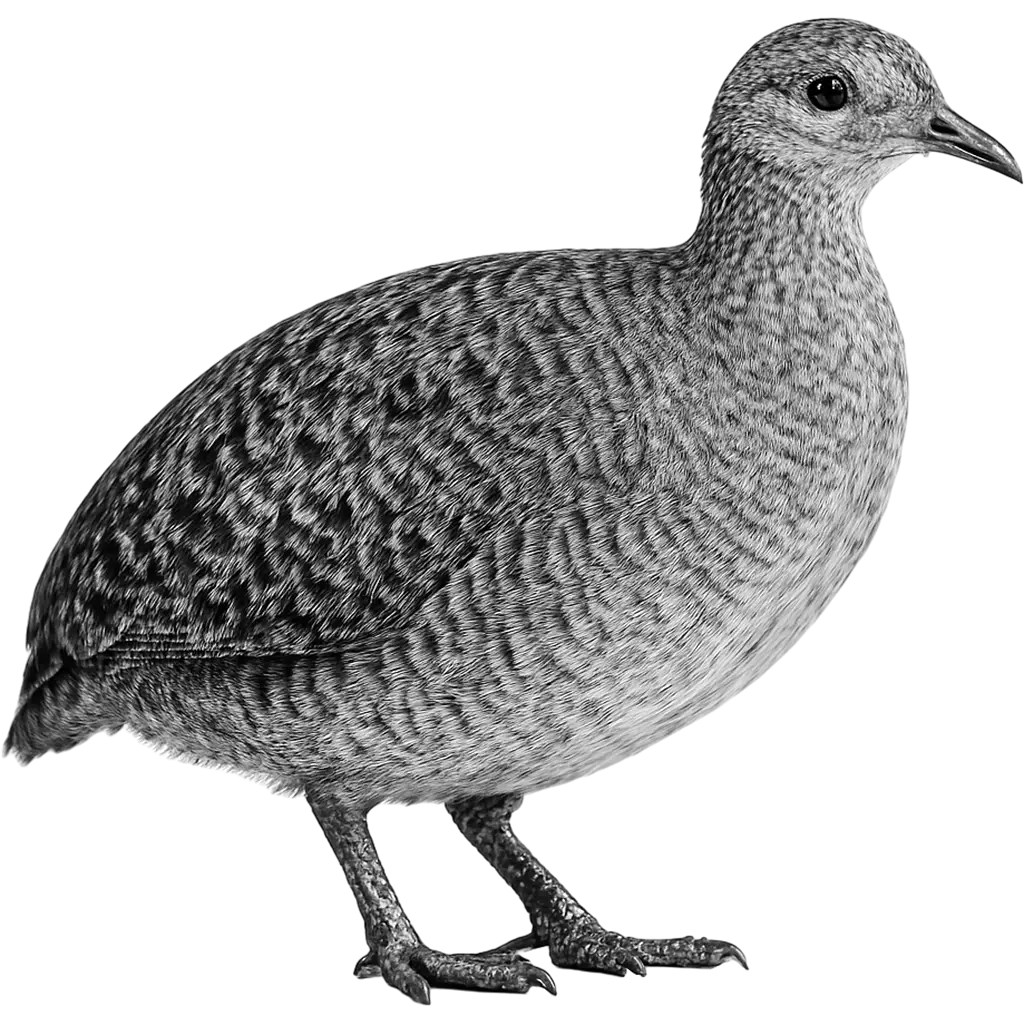
The Grey Tinamou sports a modest, earthy appearance with predominately grey plumage that blends seamlessly into the forest floor. Its compact, rounded body is supported by strong, stout legs and short wings. A subtle pattern of mottled markings enhances its camouflage amid leaf litter and underbrush. The bird's alert eyes

The Malayan Peacock-Pheasant, polyplectron malacense, is a stunning bird species native to the forests of Peninsular Malaysia. Characterized by its relatively small size, with males reaching about 50 to 65 cm in length including the tail, and weighing approximately 450 to 700 grams. The males are particularly noted for their

The Scarlet Macaw, ara macao, is a large, brightly colored parrot native to humid evergreen forests in Central and South America. This striking bird can reach up to 81 cm in length, including its long, pointed tail, and weighs about 1 kg. Its vibrant plumage is primarily scarlet, with blue