
Fulica Cornuta
Horned Coot
High‑altitude freshwater lakes and wetlands
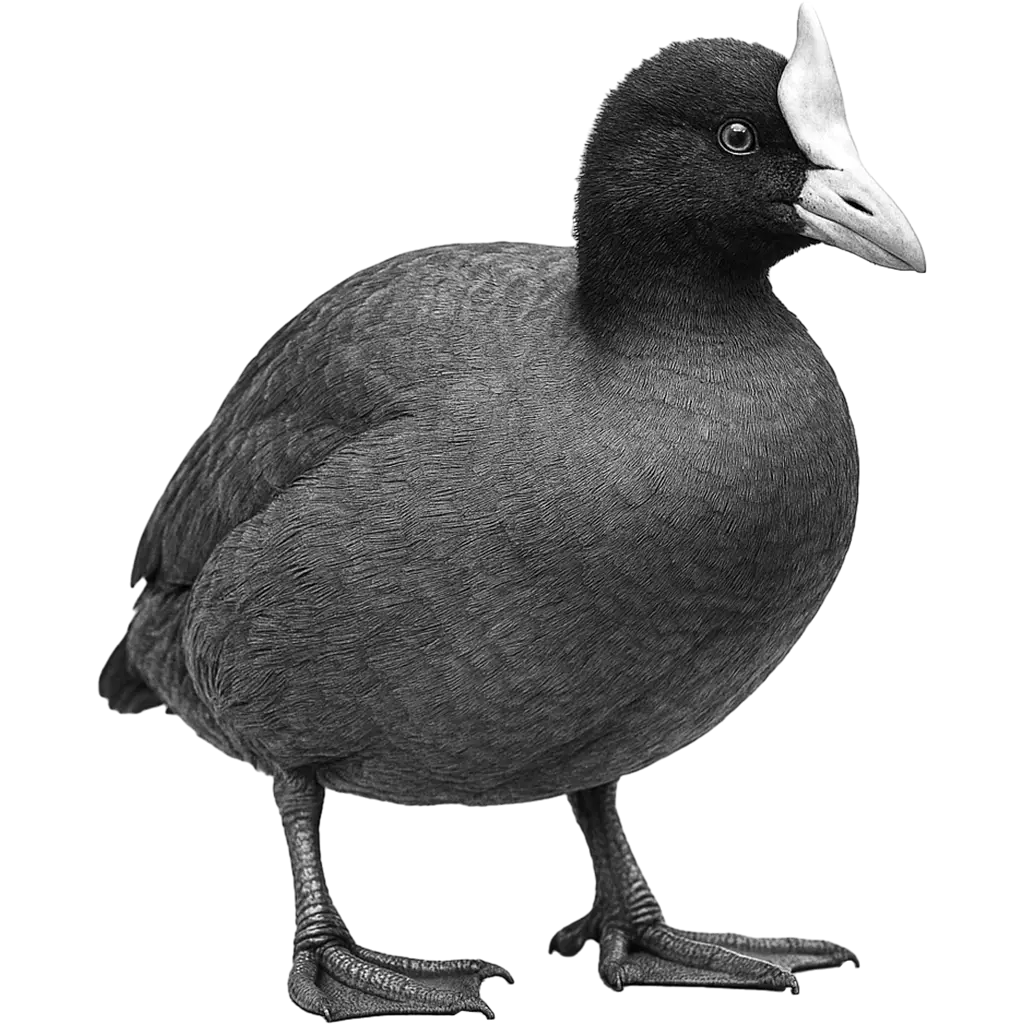
The Horned Coot is a robust waterbird measuring between forty-six and sixty-two centimeters in length and weighing from 1.6 to 2.29 kilograms. Its plumage is uniformly black, contrasting with a pale yellowish bill. Unique to this species are three filamentous wattles at the bill base, the central one potentially erectile and tipped with tufted filoplumes. Short, rounded wings and a long, slender neck complement its broad, lobed feet adapted for swimming in deep Andean lakes.
| Population: | 10,000-20,000 individuals, with as few as 620 in Chilean range |
| Generation Length: | 7.0 years |
| Average Weight: | 1.6-2.29 kg |
| Average Length: | 46-62 cm |
| Lifespan: | 5-8 years in the wild |
| Diet: | Omnivorous, feeding on aquatic vegetation, algae, and small invertebrates |
| Conservation Status: | Near Threatened (NT) |
The Horned Coot inhabits high-altitude lakes and wetlands in the Andes of Argentina, Bolivia, and Chile, ranging from 3,000 to 5,200 meters above sea level. It is primarily diurnal, actively foraging along lake margins and open water from dawn until dusk. These coots are not strongly migratory and maintain small territories or loose congregations year-round. They often swim in deep water, using lobed feet to propel themselves, and navigate shallow margins to graze on submerged vegetation. During breeding season, they may gather in colonies of up to eighty pairs on artificial pebble islands. Outside the breeding period, individuals may disperse into smaller groups but remain closely tied to their freshwater habitats, exhibiting caution and quick flight responses when disturbed.
The Horned Coot feeds primarily on aquatic vegetation, such as algae, pondweeds, and water grasses, which provide essential carbohydrates and fiber. It supplements its diet with small aquatic invertebrates including insect larvae and crustaceans, adding protein and lipids necessary for thermoregulation in cold highland waters. Foraging occurs by diving or partially submerging to pluck submerged plants and by grazing along shallow shorelines. Seasonal fluctuations in food availability lead to dietary flexibility; during breeding months, increased intake of protein-rich invertebrates supports egg production and chick growth. Adult coots may often consume up to several hundred grams of plant and animal matter each day year-round, balancing their nutritional requirements to maintain energy levels and breeding success in challenging Andean environments.
Breeding begins between November and January, when monogamous pairs construct massive pebble islands in shallow water to support their nests. Both partners gather stones and algae, creating platforms that may exceed a ton in weight. After egg-laying, both adults share incubation duties for approximately twenty-one to twenty-four days, and continue cooperative care of precocial chicks until they are capable of swimming and diving independently.
Global population estimates range between ten and twenty thousand individuals, with as few as six hundred twenty recorded on the Chilean side. The species maintains stable but low-density populations in its restricted altiplano range. Ongoing threats from habitat degradation, water extraction, and livestock trampling have led to declines in some areas. Conservation efforts focus on protecting key breeding lakes and monitoring population trends.
Classifications
The Key Attributes
Features
- Movement:
Swimming and flight
- Territorial Behavior:
Territorial during breeding season
- Speed:
Moderate
- Diet:
Omnivore
- Physical Features:
- Three erectile wattles with filamentous tufts
- Overall black plumage
- Pale yellowish bill
- Broad, lobed feet
- Primary Senses:
- Sight
- Hearing
Understanding Habitat and Range
Geography
- Habitat:
High‑altitude freshwater lakes and wetlands
- Migration Patterns:
Non-migratory
- Geographical Range:
North‑west Argentina, south‑west Bolivia, and north‑eastern Chile
- Climate Preferences:
High‑altitude Andean climates
Navigating the Wilderness
In the wild
- Predators:
Not well documented
- Prey:
Aquatic plants, algae, and small invertebrates
- Feeding Behavior:
Forages by swimming and diving for aquatic vegetation and invertebrates
- Diet:
Omnivorous, feeding on aquatic vegetation, algae, and small invertebrates
- Defensive Mechanisms:
- Camouflage
- Rapid flight
- Diving to escape predators
- Preferred Food Sources:
- Aquatic vegetation
- Algae
- Invertebrates
Insights Into Reproduction
Mating
- Mating System:
Monogamous
- Number of Offspring:
Not well documented
- Incubation Period:
21-24 days
- Parental Involvement:
- Both parents share incubation and chick‑rearing duties
Youngsters Section
Horned Coot
Fun Fact
Horned Coots build massive pebble islands as nest platforms weighing up to 1.5 tons.
Horned Coot chicks are precocial, leaving the nest shortly after hatching and following parents to learn diving and foraging. Both parents cooperate to defend territories and maintain pebble mounds each season. This engineering-like behavior is unique among coots and helps protect the young from shore-based predators.

Download word search puzzles
Word Search Puzzles


Check Out Other Birds
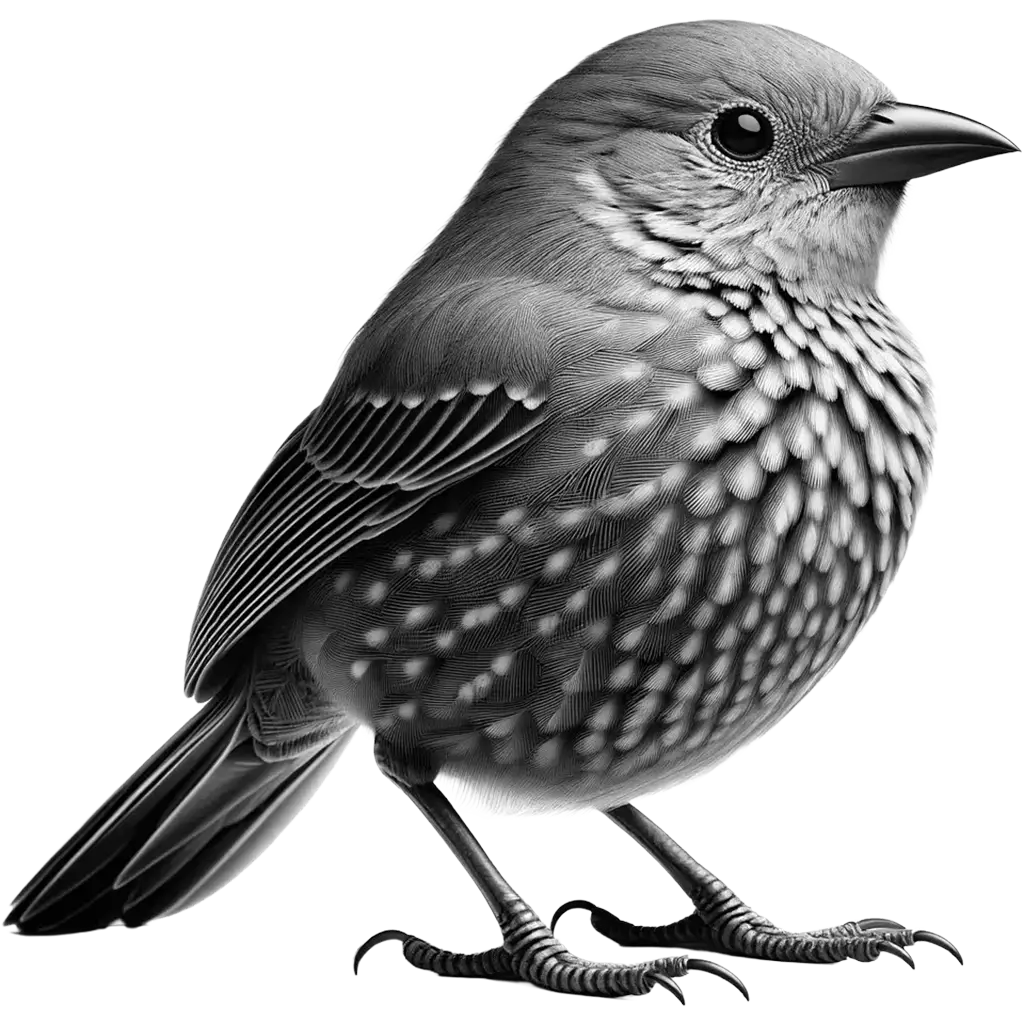
The Common Cactus Finch, geospiza scandens, is one of the notable species of Darwin's finches, endemic to the Galápagos Islands. This small bird, measuring approximately 12 to 14 cm in length, is characterized by its stout body and large, pointed beak adapted for feeding on cactus flowers, fruits, and seeds.
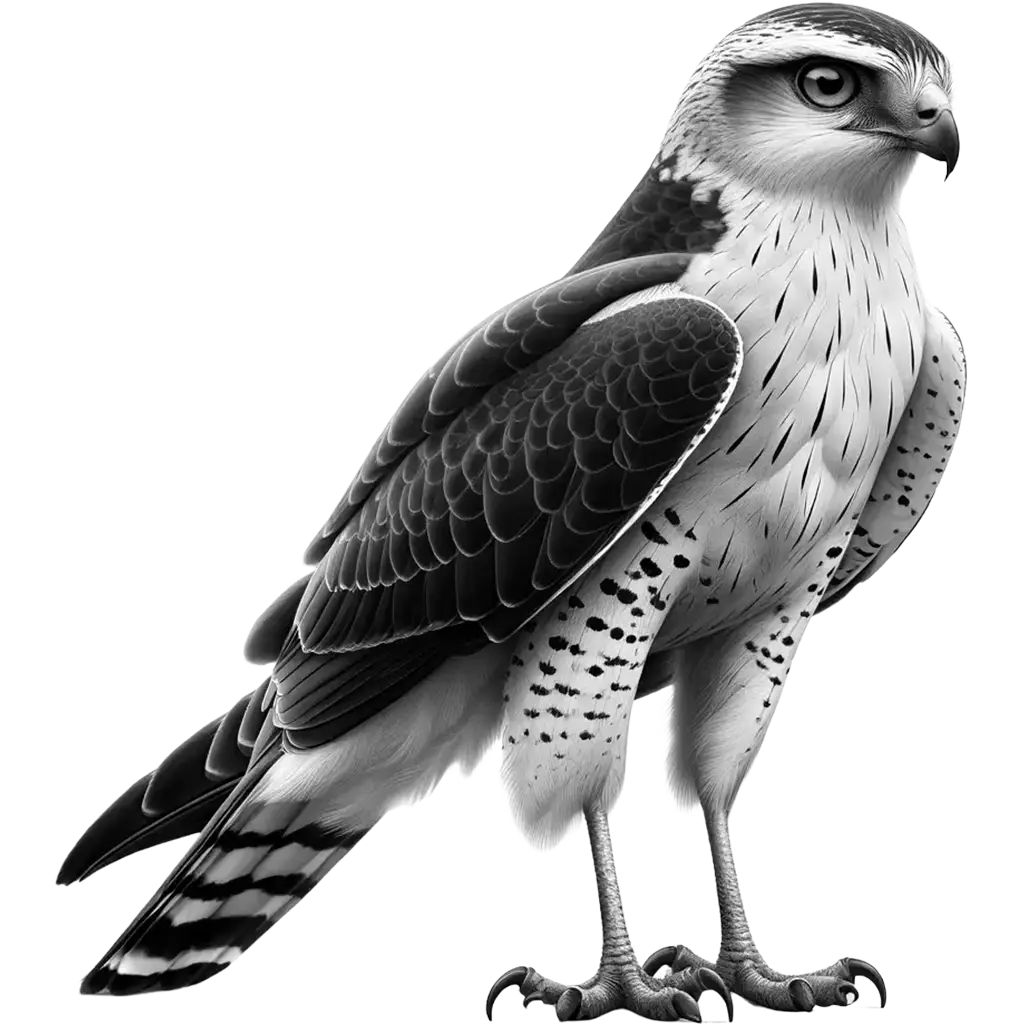
The Madagascar Harrier-Hawk, polyboroides radiatus, is a distinctive bird of prey endemic to Madagascar, known for its striking appearance and remarkable flexibility. This medium-sized raptor has a length of about 60 to 66 cm and exhibits a predominantly grey plumage with a white throat and fine black barring on the
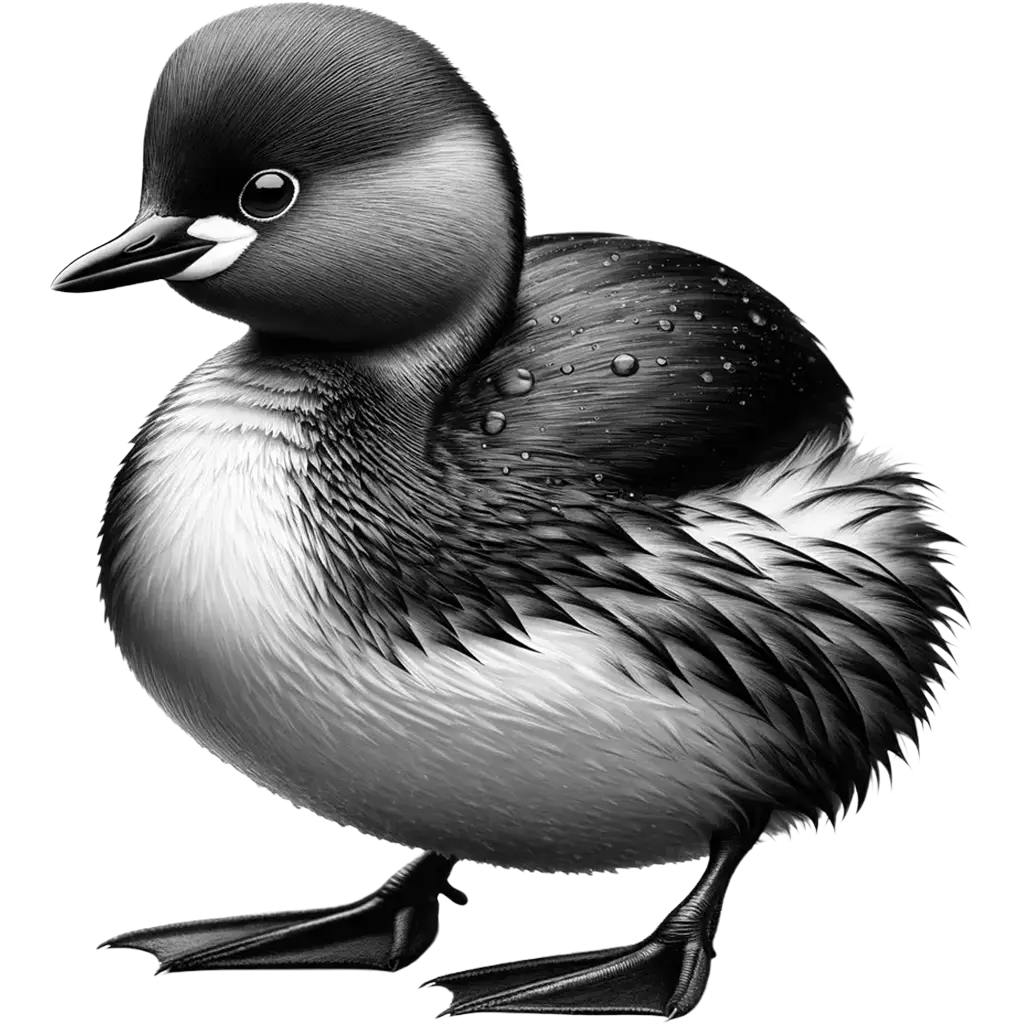
The Little Grebe, tachybaptus ruficollis, also known as the Dabchick, is a small water bird, celebrated for its remarkable diving ability and agility in water. Adults typically measure about 23 to 29 cm in length, with a distinctive stout body, short neck, and almost tailless appearance. During the breeding season,
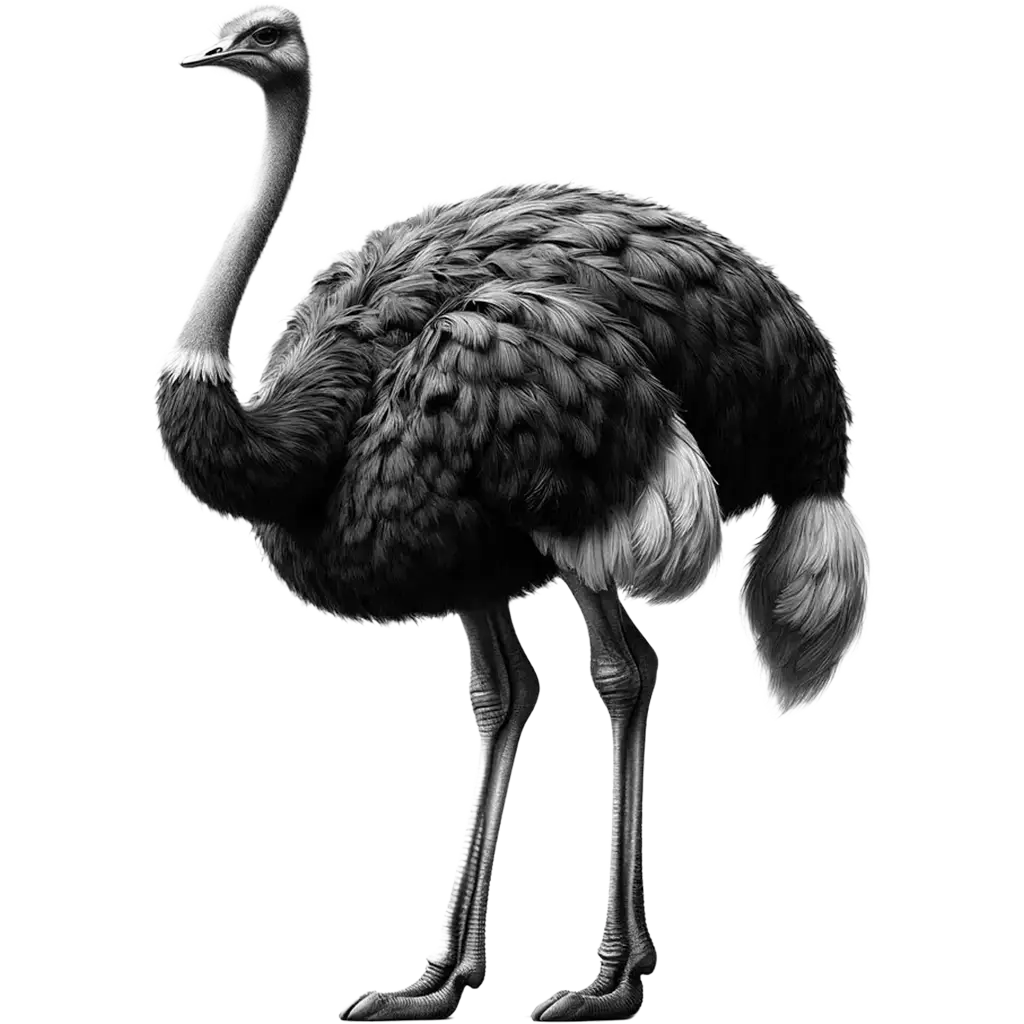
The Masai Ostrich, struthio camelus massaicus, is the East African subspecies of the common ostrich, distinguished by its unique coloration and size. Males possess a distinctive black and white plumage, with bright pink to red necks and thighs during the breeding season, signaling their readiness to mate. Females and juveniles