

Charadrius Vociferus
Killdeer
Open areas such as fields, beaches, and mudflats, often far from water
The Killdeer, charadrius vociferus, is a medium-sized plover known for its distinctive 'kill-deer' call from which it gets its name. Measuring approximately 20 to 25 cm in length, with a wingspan of 45 to 50 cm, the Killdeer is easily recognized by its brownish-tan back and white underbelly. A notable feature is the two black bands across its chest, a unique trait among the plovers. Its long, slender legs are orange-red, matching the ring around its eyes. The Killdeer's face is marked with a white forehead and a black eyestripe, adding to its striking appearance.
| Population: | Widespread and abundant, classified as Least Concern |
| Generation Length: | 4 years |
| Average Weight: | 85-100 grams |
| Average Length: | 20-25 cm |
| Lifespan: | Up to 10 years in the wild |
| Diet: | Varied diet of invertebrates and some seeds |
| Conservation Status: | Least Concern (LC) |
Killdeers are found across North and South America in a variety of habitats, including fields, lawns, and parking lots, as well as near water bodies like rivers, ponds, and coastlines. Adaptability is a key trait, allowing them to thrive in both natural and human-altered landscapes. They are known for their dramatic 'broken-wing' display, used to distract predators away from their nests.
The diet of the Killdeer consists mainly of insects, earthworms, and other invertebrates, which they hunt for by probing the ground with their beak or catching them in flight. This diet makes them beneficial for controlling pest populations in agricultural and residential areas. They also consume seeds and other plant material, demonstrating their opportunistic feeding habits.
Reproduction in Killdeers involves a simple nesting strategy, where they lay eggs in a shallow depression on the ground, often in gravel or on bare soil, making their nests difficult to spot. The eggs, usually numbering 4 to 6, are well-camouflaged, blending into the substrate to protect them from predators. Both parents are involved in nest defense and care for the young, which are precocial and can leave the nest within hours of hatching.
The population of the Killdeer is considered stable, though they face threats from habitat loss and environmental pollution. Their presence across a wide range of habitats and adaptability to human environments have helped maintain their numbers. However, conservation efforts, particularly in the preservation of wetlands and natural grasslands, are important for ensuring the continued health and diversity of Killdeer populations and the broader ecosystems they inhabit.
Classifications
The Key Attributes
Features
- Movement:
Walking, running, and short flights
- Territorial Behavior:
Territorial during breeding season
- Speed:
Not specifically quantified; known for quick movements on the ground
- Diet:
Omnivore
- Physical Features:
- Brown and white plumage with two distinct black bands across the chest
- Long legs for wading in shallow waters
- Short, stubby beak for probing the soil
- Loud, distinctive call
- Primary Senses:
- Sight
- Hearing
Understanding Habitat and Range
Geography
- Habitat:
Open areas such as fields, beaches, and mudflats, often far from water
- Migration Patterns:
Northern populations migrate to the southern United States and Central America for winter
- Geographical Range:
Throughout North and Central America
- Climate Preferences:
Temperate to warm climates
Navigating the Wilderness
In the wild
- Predators:
Birds of prey, mammals, and snakes may prey on eggs and young
- Prey:
Insects, worms, crustaceans
- Feeding Behavior:
Forages for insects, worms, and other small invertebrates, as well as some plant material
- Diet:
Varied diet of invertebrates and some seeds
- Defensive Mechanisms:
- Broken-wing display to distract predators from nests
- Camouflage of eggs and chicks
- Aggressive defense of territory
- Preferred Food Sources:
- Open grounds for easy foraging of invertebrates
Insights Into Reproduction
Mating
- Mating System:
Monogamous
- Number of Offspring:
4-6 eggs per clutch
- Incubation Period:
About 24-28 days
- Parental Involvement:
- Both parents participate in nesting duties and protection of the young
Youngsters Section
Killdeer
Fun Fact
Killdeer are known for their distinctive "broken-wing" act to protect their nests from predators.
When a predator approaches, the killdeer will feign injury, luring the threat away from its nest. It flaps around, appearing hurt, until the predator follows it far enough from the nest. Once at a safe distance, the killdeer swiftly flies away, leaving the predator confused.

Download word search puzzles
Word Search Puzzles


Check Out Other Birds
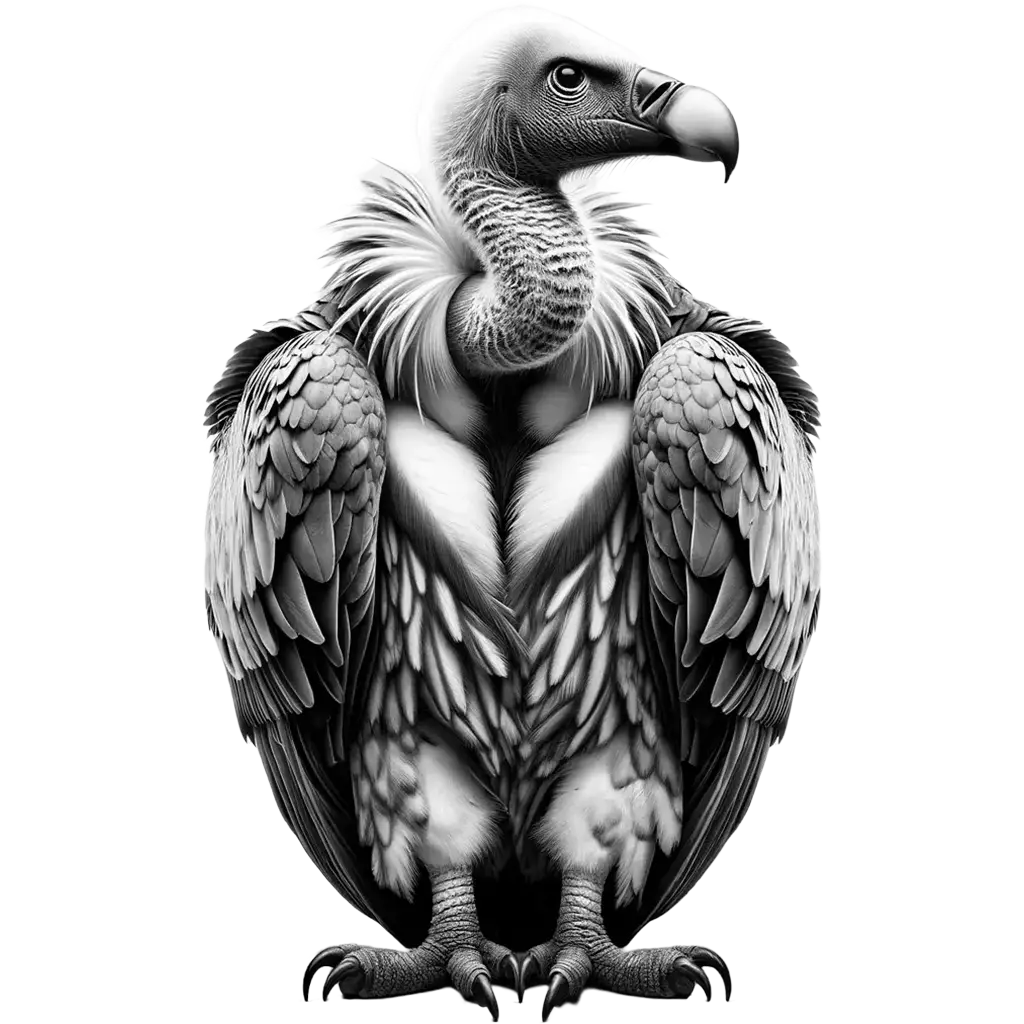
Rüppell's vulture, gyps rueppelli, named after the German naturalist Eduard Rüppell, is a large and critically endangered bird of prey residing predominantly in the Sahel region of Africa. This species stands out due to its impressive size, with a length of up to 1 meter and a wingspan reaching nearly
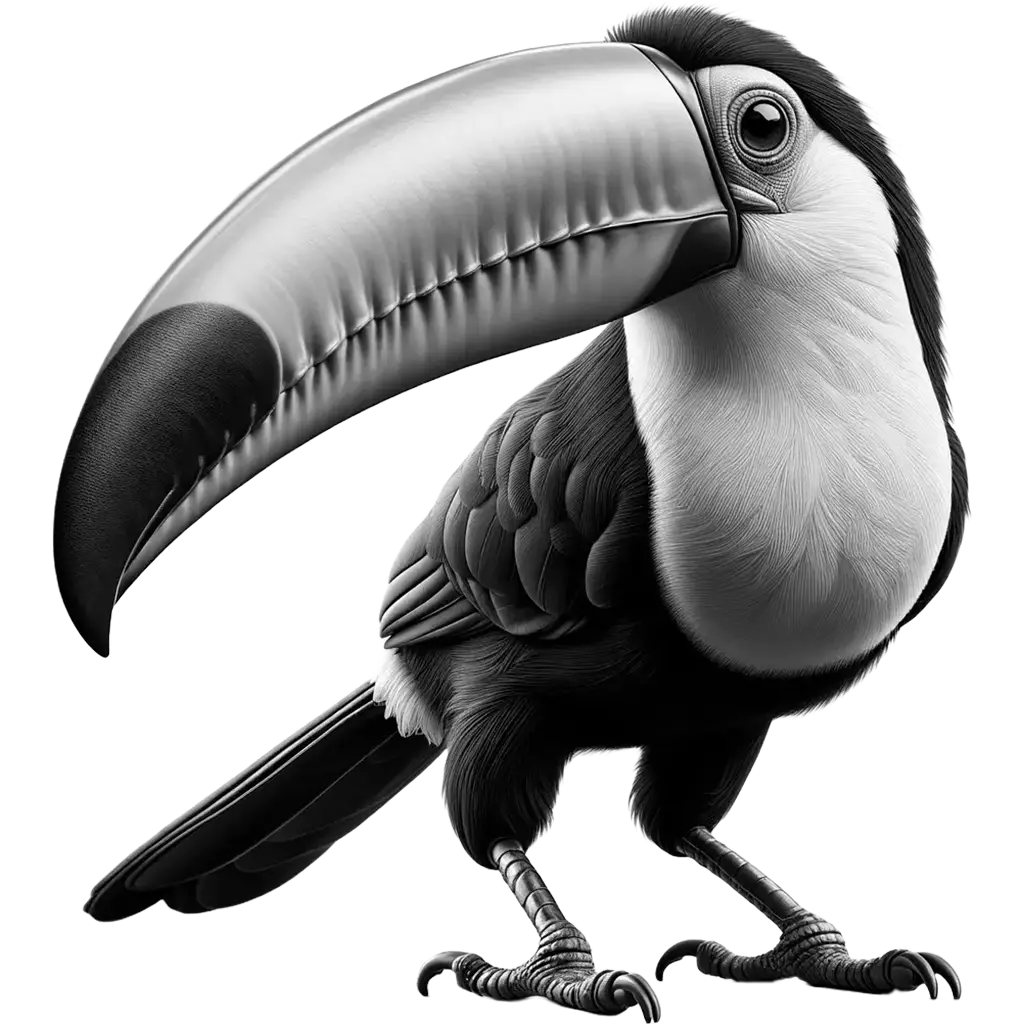
The Channel-Billed Toucan, ramphastos vitellinus, is a vibrant and charismatic bird native to Trinidad and the northern regions of South America, including Venezuela, Guyana, Suriname, French Guiana, and northern Brazil. Recognizable by its large, colorful bill, which can measure up to 14 centimeters in length, this species boasts a striking
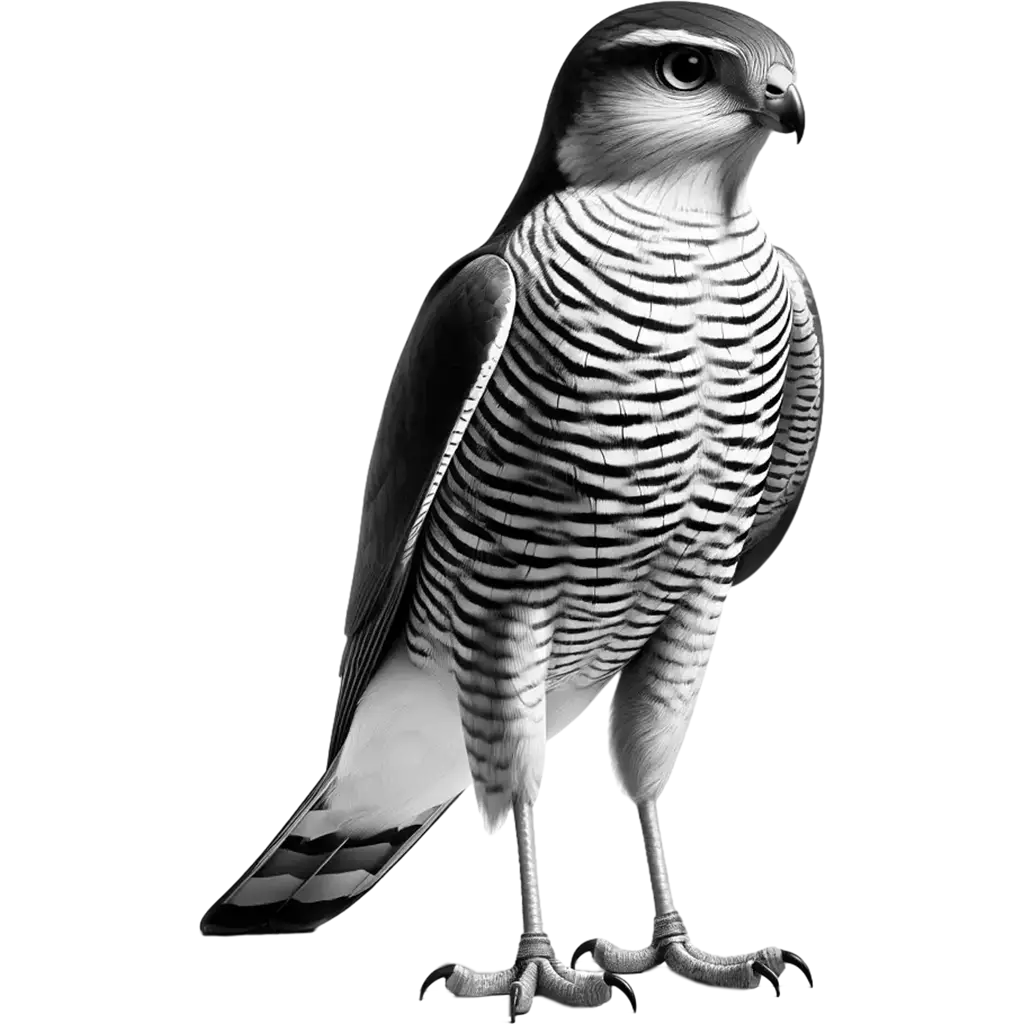
The Chestnut-Flanked Sparrowhawk, accipiter castanilius, is a small, elusive bird of prey found in the dense forests of West and Central Africa. This raptor is notable for its striking appearance, with adult males displaying a distinctive chestnut color on their flanks, contrasting with their slate-gray back and wings. The underparts
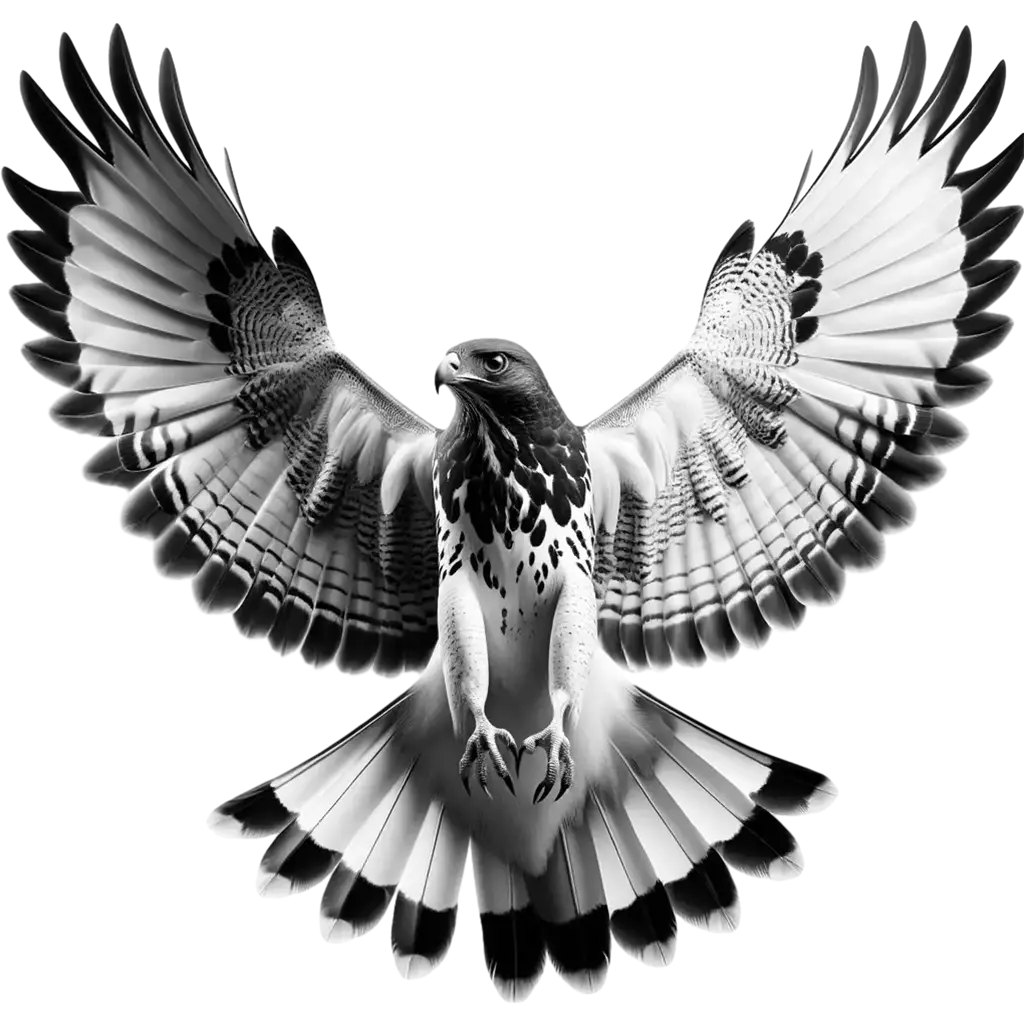
The European Honey Buzzard, pernis apivorus, is a medium-sized bird of prey, distinguished by its striking appearance and specialized diet. Adults typically feature a broad range of plumage variations, from light to dark morphs, but generally have a grayish-brown body, with paler underparts and a distinctive head pattern resembling a