

Milvago Chimango
Chimango Caracara
Open and semi-open landscapes, including farmlands, parks, and urban areas
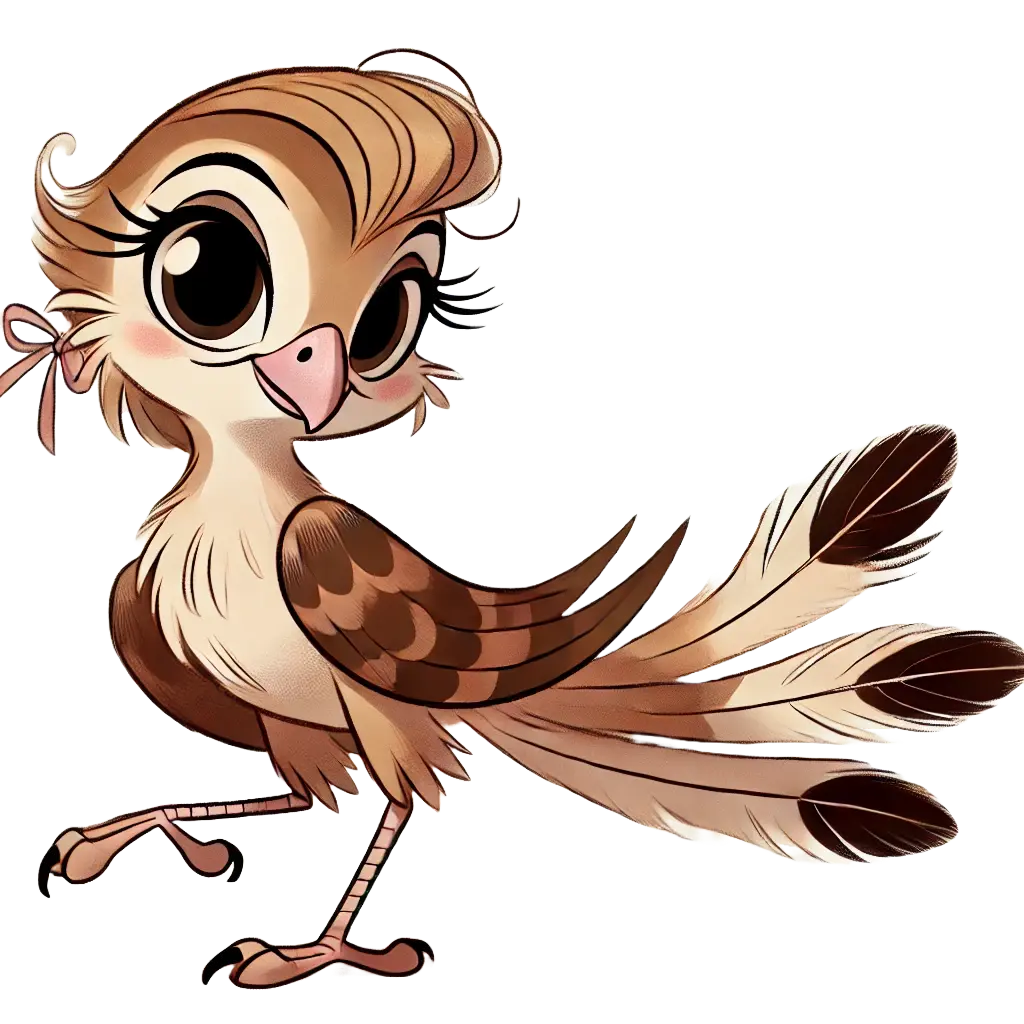
The Chimango Caracara, milvago chimango, is a small raptor found widely across southern South America, including Argentina, Chile, Uruguay, Paraguay, and the southern regions of Brazil. This bird of prey is part of the Falconidae family and is known for its adaptability to various environments, including open grasslands, agricultural areas, and urban settings. The Chimango Caracara has a compact body measuring 38 to 43 centimeters in length, with a wingspan of approximately 70 to 80 centimeters. Its plumage is primarily brown with lighter, beige underparts and distinctive dark streaks across the chest and throat area. The tail and wings exhibit darker bands, and its face is characterized by a bare, yellowish skin around the beak and eyes.
| Population: | Common and widespread, not currently considered threatened |
| Generation Length: | 4-5 years |
| Average Weight: | 300-350 grams |
| Average Length: | 38-43 cm |
| Lifespan: | Up to 10 years in the wild |
| Diet: | Highly varied; includes both live prey and scavenged items |
| Conservation Status: | Least Concern (LC) |
Chimango Caracaras are highly social birds, often seen in groups, especially outside the breeding season. They are opportunistic feeders, with a diet that includes insects, rodents, small birds, carrion, and even human refuse, showcasing their versatile feeding habits. This adaptability allows them to thrive in a wide range of conditions and makes them a common sight in both rural and urban areas.
The diet of the Chimango Caracara reflects its opportunistic nature, allowing it to exploit various food sources depending on availability. This flexibility in diet aids in its survival across its broad range, contributing to its status as one of the most common raptors in its habitat. It plays an important role in the ecosystem as both a predator and scavenger, helping to control pest populations and clean up carrion.
Reproduction for the Chimango Caracara typically involves monogamous pairs that build nests in trees, cliffs, or even on the ground. Breeding season varies by region but generally occurs during the spring and summer months. Females lay 2 to 3 eggs, which are incubated for about 28 to 32 days. Both parents participate in raising the young, which fledge approximately 40 to 50 days after hatching.
The Chimango Caracara is currently considered to be of Least Concern by the IUCN, due to its wide distribution and large population. However, like all wildlife, it faces threats from habitat destruction and pollution. Conservation efforts for this species are generally focused on habitat preservation and reducing pollution, especially in urban and agricultural areas where they are most likely to come into conflict with human activities. The continued adaptability of the Chimango Caracara will be crucial for its survival in the face of ongoing environmental changes.
Classifications
The Key Attributes
Features
- Movement:
Flight, walking
- Territorial Behavior:
Can be seen alone, in pairs, or in small groups
- Speed:
Not specifically quantified; capable of agile flight
- Diet:
Omnivore
- Physical Features:
- Small size for a raptor
- Dark brown to grey plumage with lighter underparts
- Yellow facial skin
- Hooked beak for tearing food
- Primary Senses:
- Sight
- Hearing
Understanding Habitat and Range
Geography
- Habitat:
Open and semi-open landscapes, including farmlands, parks, and urban areas
- Migration Patterns:
Partially migratory, depending on the geographical location within its range
- Geographical Range:
Southern South America, from central Chile and Argentina to Tierra del Fuego, and east to Uruguay and southern Brazil
- Climate Preferences:
Varied; adaptable to different climates from temperate to subpolar regions
Navigating the Wilderness
In the wild
- Predators:
Larger birds of prey
- Prey:
Insects, small mammals, birds, carrion, and garbage
- Feeding Behavior:
Versatile, feeding on a wide range of food items from insects and small vertebrates to carrion and human refuse
- Diet:
Highly varied; includes both live prey and scavenged items
- Defensive Mechanisms:
- Agility in flight
- Social behavior for detection of predators
- Preferred Food Sources:
- Varied; adapts to available food sources in its environment
Insights Into Reproduction
Mating
- Mating System:
Monogamous
- Number of Offspring:
2-3 eggs
- Incubation Period:
About 28-32 days
- Parental Involvement:
- Both parents involved in nest building, incubating eggs, and feeding chicks
Youngsters Section
Chimango Caracara
Fun Fact
The Chimango Caracara is a South American bird of prey known for its adaptability and intelligence.
These opportunistic feeders have a varied diet, including insects, carrion, and small animals. They often inhabit open fields, farmlands, and urban areas, showcasing their versatility in different environments. Their adaptability has allowed them to thrive in diverse habitats, from grasslands to human settlements.

Download word search puzzles
Word Search Puzzles

Check Out Other Birds

The Coconut Lorikeet, trichoglossus haematodus, is a vibrant, medium-sized parrot native to a wide range of habitats across Southeast Asia, Oceania, and parts of East Indonesia. Characterized by its bright green plumage, blue head, and red and yellow breast, this bird is a striking sight in its natural environment. Adults
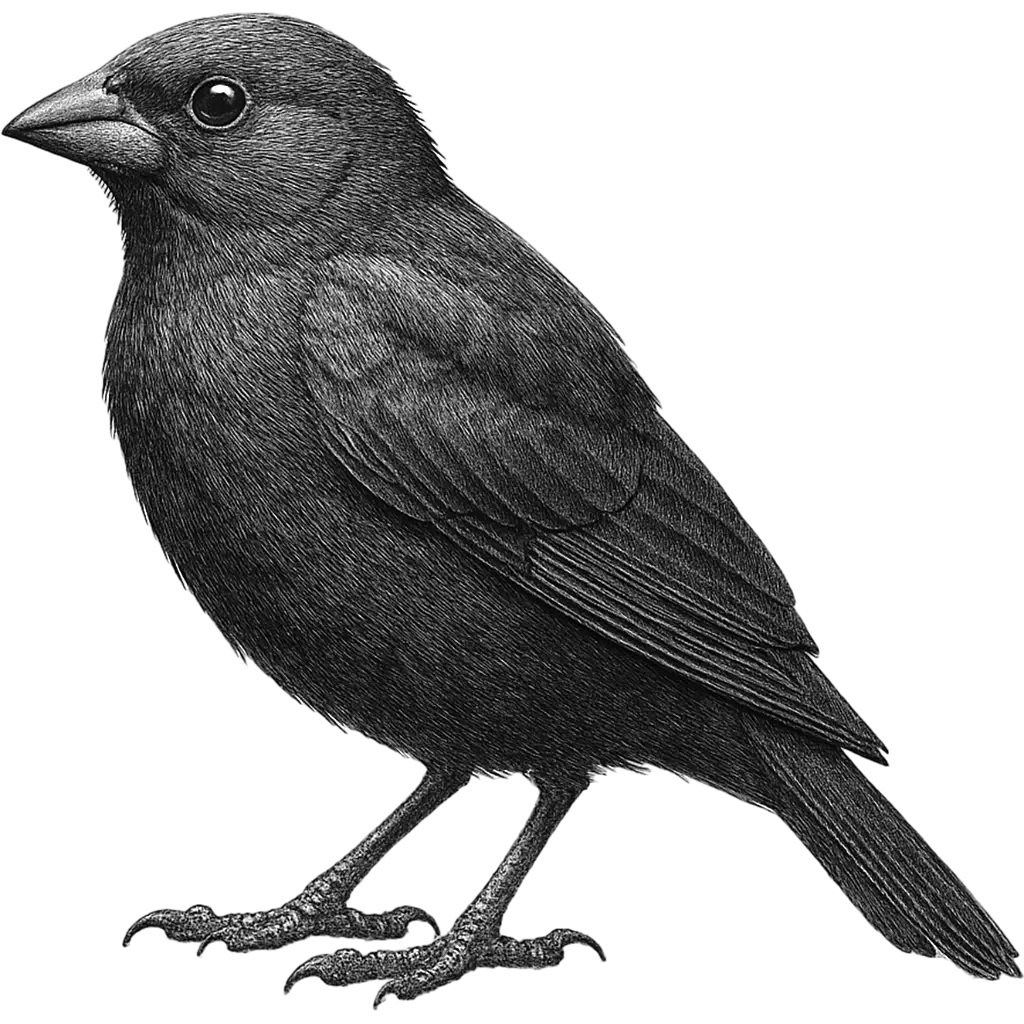
The Screaming Cowbird has glossy, mildly iridescent black plumage covering its head, back, and underparts, contrasted by distinct rufous underwing coverts visible in flight. Its slender body measures between 18 and 21 centimeters in length, supported by long, sturdy legs and black feet. The bird's short, conical bill is dark
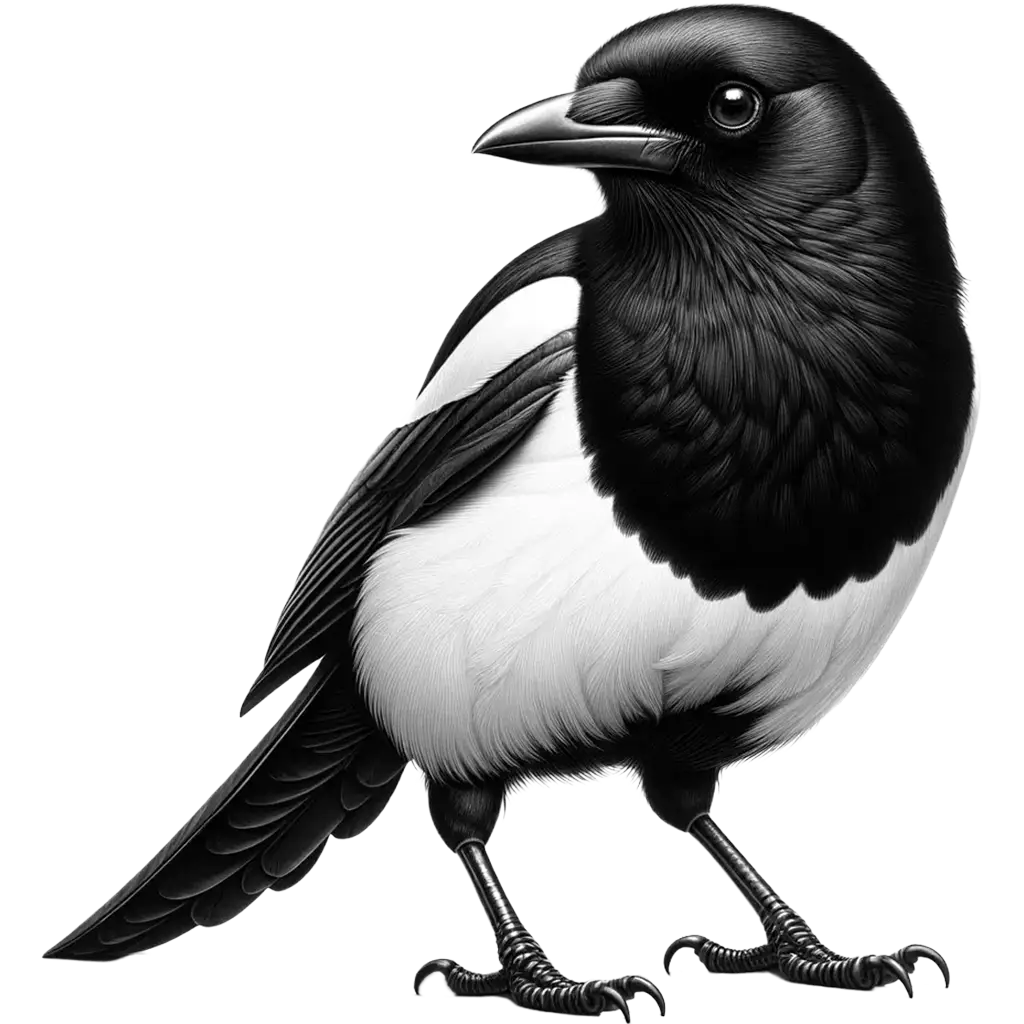
The Magpie Mannikin, spermestes fringilloides, is a small, strikingly patterned bird native to the subtropical and tropical regions of eastern Africa. This species exhibits a distinctive black and white plumage, with a glossy black head, chest, and upperparts contrasted by white underparts and flanks. Measuring approximately 10 to 11 cm

The Sunbittern, eurypyga helias, is a distinctive and enigmatic bird species native to the tropical regions of Central and South America. Measuring approximately 43 to 48 cm in length, the Sunbittern possesses a slender body, long legs, and a thin, straight bill, resembling herons in stature. However, its plumage sets