
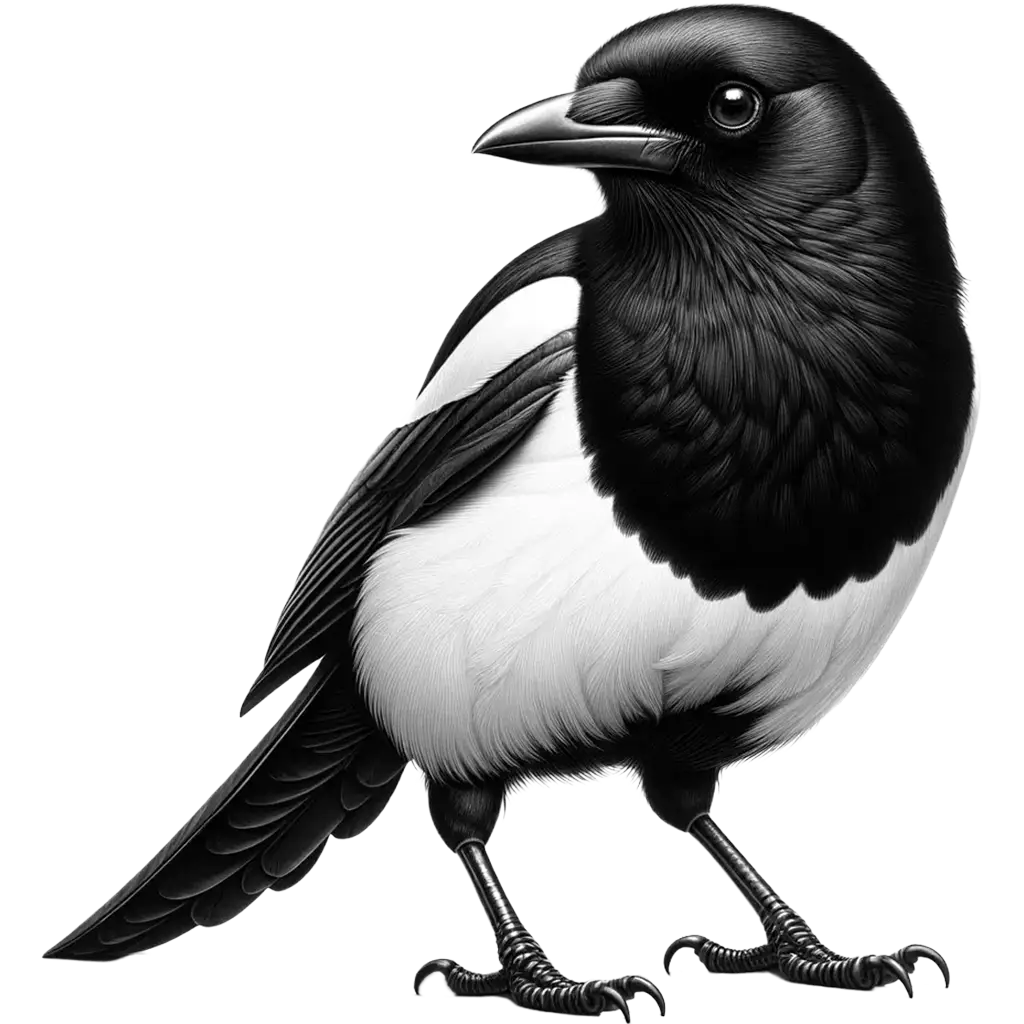
Spermestes Fringilloides
Magpie Mannikin
Grasslands, open woodland, and areas near water like marshes and rivers
The Magpie Mannikin, spermestes fringilloides, is a small, strikingly patterned bird native to the subtropical and tropical regions of eastern Africa. This species exhibits a distinctive black and white plumage, with a glossy black head, chest, and upperparts contrasted by white underparts and flanks. Measuring approximately 10 to 11 cm in length, the Magpie Mannikin is easily recognizable by its robust body, short tail, and the sharp, conical beak typical of seed-eating birds. Their appearance is further accentuated in flight, where their black and white feathers create a dazzling display.
| Population: | Listed as Least Concern but subject to local population pressures |
| Generation Length: | 3-4 years |
| Average Weight: | 10-15 grams |
| Average Length: | 10-11 cm |
| Lifespan: | Approximately 5-7 years in the wild |
| Diet: | Primarily seeds and grains, supplemented with insects |
| Conservation Status: | Least Concern (LC) |
Magpie Mannikins are highly sociable birds, often found in small flocks that can include other mannikin species. They exhibit a preference for reed beds, grasslands, and areas near water bodies where they can find their primary food sources. These birds are adept at navigating through dense vegetation, using their agility to forage and evade predators. Their social behavior extends to their vocalizations; a series of chirps and trills that serve as communication within the flock.
The diet of the Magpie Mannikin primarily consists of seeds, grains, and occasionally small insects. Their feeding habits highlight their role in the dispersal of grass seeds, contributing to the health of their ecosystems. In areas where they coexist with human populations, they can also be observed feeding on rice and other cereal crops, occasionally earning them the status of agricultural pests.
Reproduction in Magpie Mannikins involves the construction of spherical nests woven from grass and other plant materials, typically positioned in reeds or low bushes. Females lay 3 to 6 eggs per clutch, with both parents participating in incubation and the feeding of hatchlings. Their breeding season is closely linked to the rainy season, ensuring an abundance of food for the growing chicks.
The population of the Magpie Mannikin is considered stable, with a wide distribution across its native range. However, habitat destruction and changes in agricultural practices pose potential threats to some populations. Conservation efforts focus on habitat preservation and the management of agricultural landscapes to support biodiversity. The Magpie Mannikin's adaptability to different environments and its role in seed dispersal underscore its importance within its natural habitat and the interconnectedness of species within ecosystems.
Classifications
The Key Attributes
Features
- Movement:
Flying, hopping
- Territorial Behavior:
Social, often seen in flocks
- Speed:
Not specifically quantified; known for quick, agile flight and active movement within vegetation
- Diet:
Omnivore
- Physical Features:
- Small size with a distinctive black and white plumage pattern
- Stout beak for seed eating
- Short tail and round wings
- Nimble in brush and thickets
- Primary Senses:
- Sight
- Hearing
Understanding Habitat and Range
Geography
- Habitat:
Grasslands, open woodland, and areas near water like marshes and rivers
- Migration Patterns:
Generally sedentary, but may move locally in response to food availability
- Geographical Range:
Sub-Saharan Africa, particularly in regions from Senegal and Ethiopia south to South Africa
- Climate Preferences:
Prefers warm climates with access to water and dense vegetation
Navigating the Wilderness
In the wild
- Predators:
Small carnivorous mammals, birds of prey, and reptiles
- Prey:
Seeds, grains, small insects
- Feeding Behavior:
Feeds on seeds, grains, and insects, often foraging in small groups or flocks
- Diet:
Primarily seeds and grains, supplemented with insects
- Defensive Mechanisms:
- Flocking behavior to confuse predators
- Quick, darting flight to evade threats
- Camouflage in vegetation
- Preferred Food Sources:
- Grass seeds, grains, and available insects
Insights Into Reproduction
Mating
- Mating System:
Monogamous
- Number of Offspring:
3-6 eggs per clutch
- Incubation Period:
About 11-13 days
- Parental Involvement:
- Both parents share in feeding and caring for the young
Youngsters Section
Magpie Mannikin
Fun Fact
The Magpie Mannikin is a small, social bird found in sub-Saharan Africa. They thrive in grasslands.
These birds are known for their striking black and white plumage, resembling a magpie. They often gather in flocks, feeding primarily on seeds. Magpie Mannikins are skilled at building intricate nests using grass and twigs, showcasing their remarkable architectural abilities in the wild.

Download word search puzzles
Word Search Puzzles

Check Out Other Birds

The King Penguin, aptenodytes patagonicus, ranks as the second largest species of penguin, surpassed only by the Emperor Penguin in size and stature. Adults can reach up to 95 cm (37 inches) in height and weigh between 11 to 16 kg (24 to 35 pounds), showcasing a sleek, streamlined body
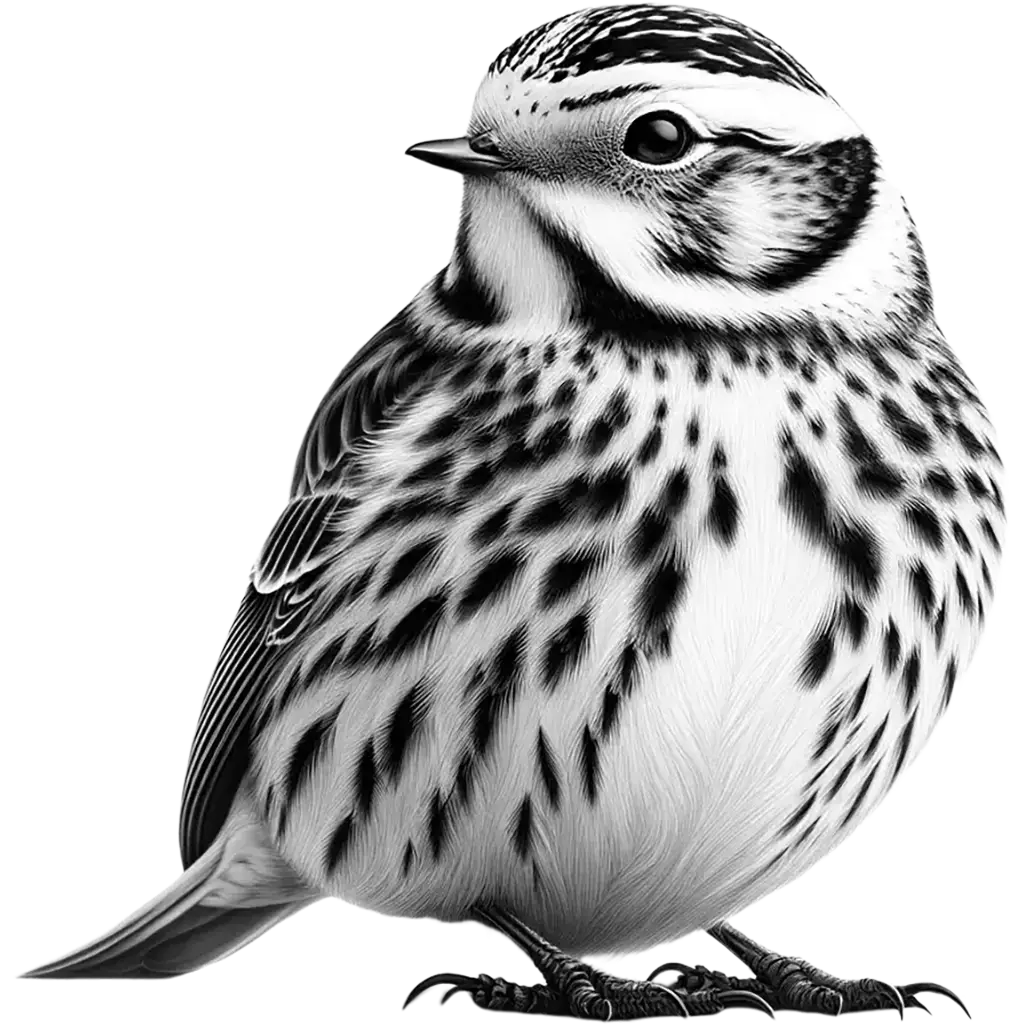
The Lapland Longspur, calcarius lapponicus, is a small, hardy bird known for its distinctive plumage and far-reaching migrations. This species exhibits a remarkable adaptation to cold environments, breeding in the Arctic tundra of North America, Europe, and Asia, and wintering in temperate and even subtropical regions. Adults typically measure about
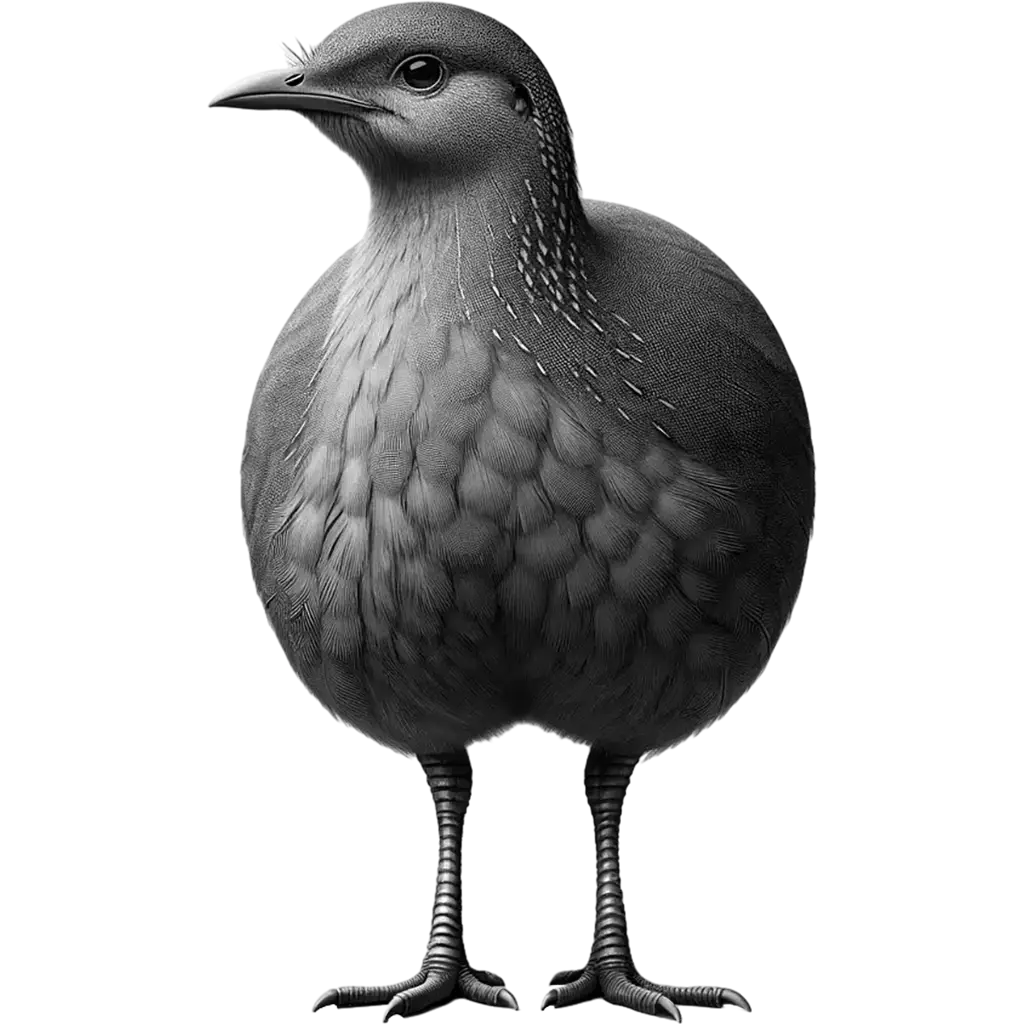
The Great Tinamou, tinamus major, is a large, ground-dwelling bird native to the rainforests of Central and South America. This elusive species is characterized by its soft, cryptically colored plumage, typically shades of brown and gray, which aids in camouflage within the forest floor's leaf litter. Adults can reach up
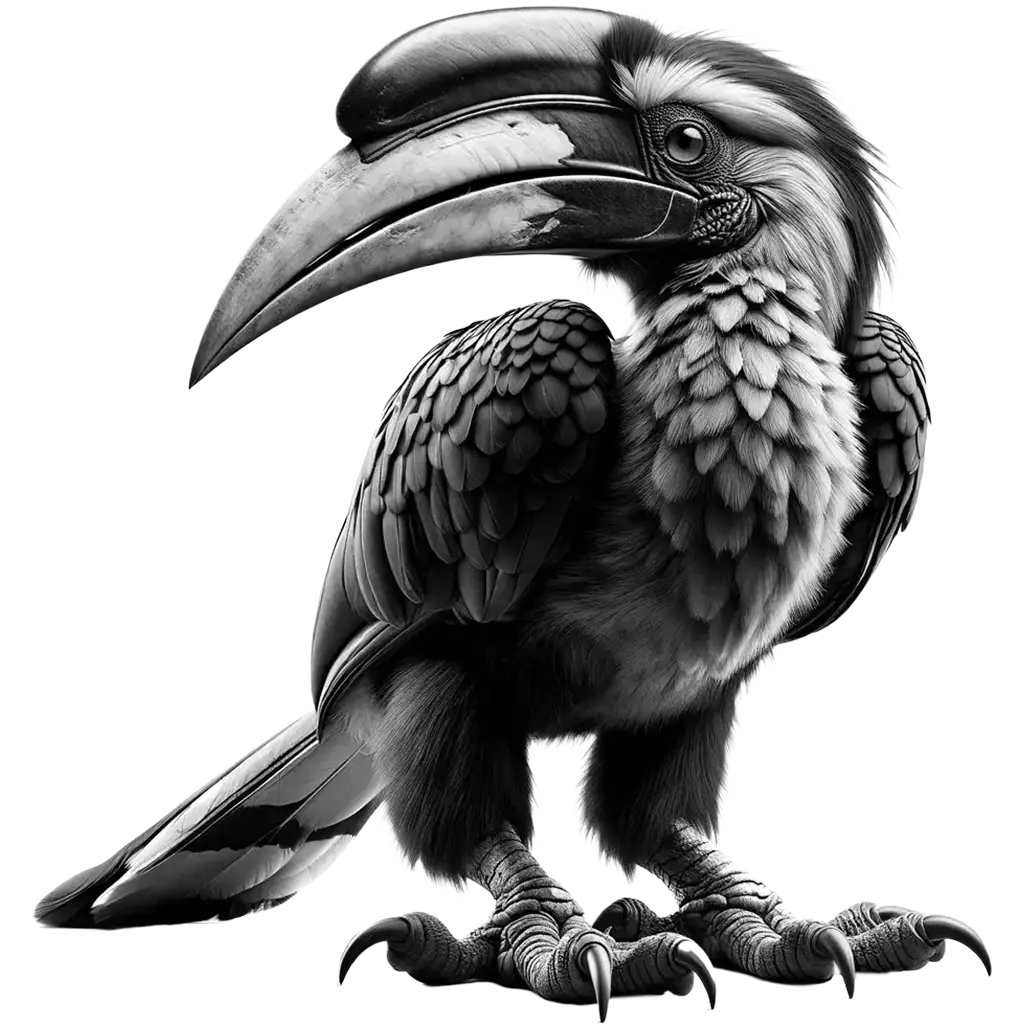
Blyth's Hornbill, rhyticeros plicatus, also known as the papuan hornbill, is a large and distinctive bird native to the forests of New Guinea, the Bismarck Archipelago, and the Solomon Islands. This species is notable for its impressive size, with males reaching up to 91 cm in length and featuring a