

Aptenodytes Patagonicus
King Penguin
Subantarctic islands and surrounding marine waters
The King Penguin, aptenodytes patagonicus, ranks as the second largest species of penguin, surpassed only by the Emperor Penguin in size and stature. Adults can reach up to 95 cm (37 inches) in height and weigh between 11 to 16 kg (24 to 35 pounds), showcasing a sleek, streamlined body ideal for their aquatic lifestyle. Their distinctive appearance includes a striking silver-grey back, a deep black head, white underparts, and vivid orange patches on the side of the head and upper chest. This vibrant coloration not only adds to their visual allure but also plays a role in mate selection and species identification.
| Population: | Not currently considered threatened; populations are large and in some places increasing |
| Generation Length: | 6-7 years |
| Average Weight: | 11-16 kg |
| Average Length: | 95 cm |
| Lifespan: | Up to 20 years in the wild |
| Diet: | Primarily fish and squid |
| Conservation Status: | Least Concern (LC) |
King Penguins inhabit the subantarctic islands and parts of Antarctica, thriving in the cold climate but breeding on islands that are free from sea ice. They are highly social birds, forming large breeding colonies that can number in the thousands. These colonies are a hub of activity, with adults and chicks intermingling and vocalizing in what appears to be a chaotic chorus, yet each penguin is able to recognize its mate and offspring through their unique calls.
The diet of the King Penguin is primarily composed of small fish, squid, and crustaceans, which they hunt in the cold, nutrient-rich waters surrounding their breeding islands. They are adept swimmers, capable of diving to depths of over 100 meters (328 feet) in search of food, using their powerful flippers to propel themselves through the water with remarkable speed and agility.
Reproduction is a lengthy process for King Penguins, with a breeding cycle that extends over 14 to 16 months. This allows them to raise at most two chicks every three years. Mating pairs share the responsibility of incubating the single egg, which is balanced on their feet and kept warm under a flap of abdominal skin known as a brood pouch. Chicks, once hatched, are covered in a fluffy brown down, remaining in the colony's crèche for protection and warmth while both parents forage at sea to feed them.
The population of the King Penguin is currently stable, with some colonies even experiencing growth. However, they face potential threats from climate change, which can impact their food supply and breeding habitat. Conservation efforts are focused on monitoring their population trends and protecting their breeding sites from human disturbance and environmental changes. The King Penguin's unique life history and the extreme environment in which they live continue to fascinate scientists and wildlife enthusiasts alike.
Classifications
The Key Attributes
Features
- Movement:
Walking, swimming
- Territorial Behavior:
Colonial but not territorial; breeds in large colonies
- Speed:
Swimming speeds of up to 12 km/h
- Diet:
Carnivore
- Physical Features:
- Large size, second only to the emperor penguin among penguin species
- Bright orange cheek patches and beak
- Sleek, streamlined body for efficient swimming
- Feathers are tightly packed for insulation against cold water
- Primary Senses:
- Sight (underwater vision is particularly good)
- Hearing
Understanding Habitat and Range
Geography
- Habitat:
Subantarctic islands and surrounding marine waters
- Migration Patterns:
Non-migratory, but may travel extensively within their foraging range
- Geographical Range:
Circumpolar distribution around the Antarctic, with breeding colonies on subantarctic islands such as South Georgia, the Falkland Islands, and others
- Climate Preferences:
Cold, subantarctic and antarctic marine environments
Navigating the Wilderness
In the wild
- Predators:
Seals, sea lions, and orca whales are natural predators; eggs and chicks may be preyed upon by birds like skuas
- Prey:
Small fish, squid, krill, and other crustaceans
- Feeding Behavior:
Dives to depths of over 100 meters to hunt fish, squid, and crustaceans
- Diet:
Primarily fish and squid
- Defensive Mechanisms:
- Swimming agility to evade predators
- Colonial living reduces individual risk from predators
- Vigilance in protecting nests from avian predators
- Preferred Food Sources:
- Cold, nutrient-rich subantarctic waters
Insights Into Reproduction
Mating
- Mating System:
Monogamous
- Number of Offspring:
Usually one egg
- Incubation Period:
About 55 days, with both parents sharing incubation duties
- Parental Involvement:
- Both parents are involved in raising the chick, taking turns foraging at sea and caring for the offspring
Youngsters Section
King Penguin
Fun Fact
King Penguins are the second-largest penguin species and can dive over 300 meters deep in search of food.
They primarily feed on lanternfish, squid, and other small fish. During breeding season, King Penguins form large colonies on sub-Antarctic islands, with some colonies containing tens of thousands of birds. They have a unique two-year breeding cycle, unlike most other penguins.

Download word search puzzles
Word Search Puzzles


Check Out Other Birds
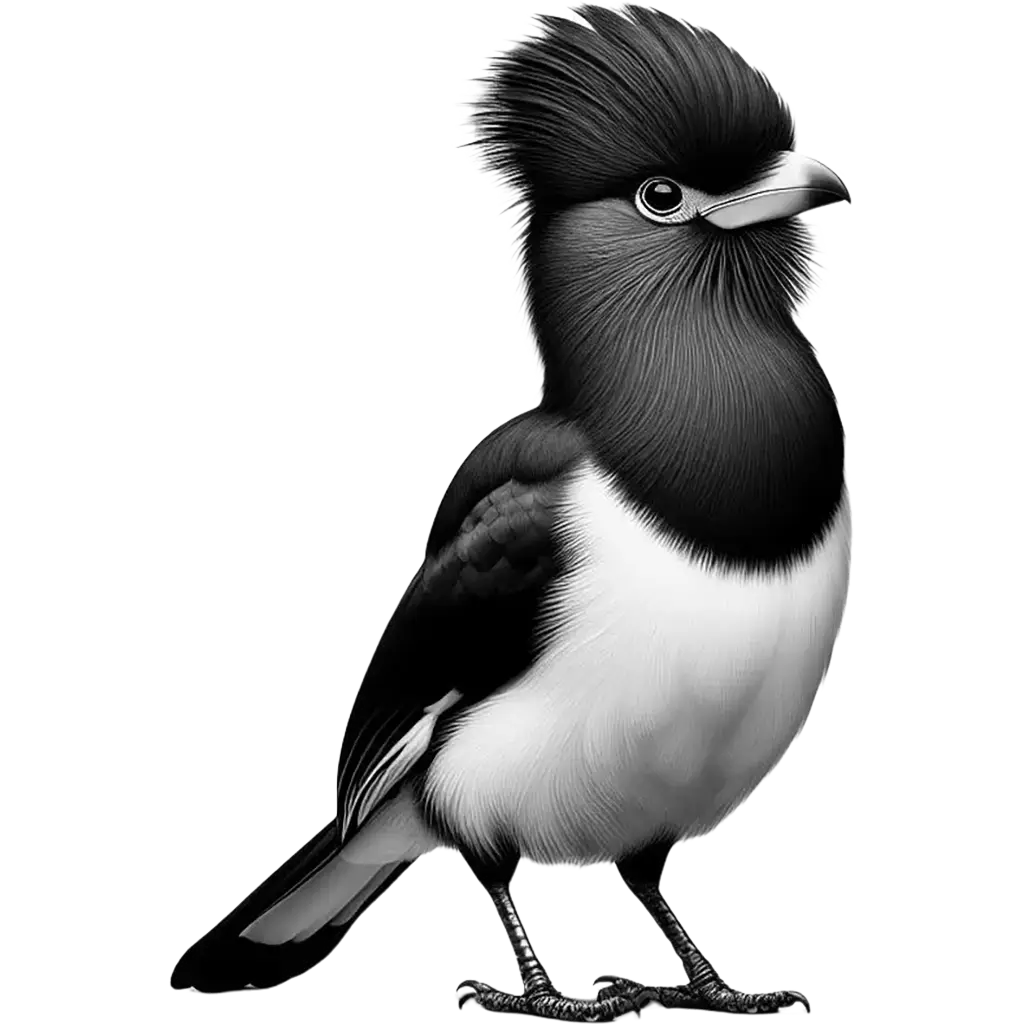
The Knysna Turaco, tauraco corythaix, is a vibrant and elusive bird, native to the dense forests and woodlands of southern Africa, particularly along the Garden Route in South Africa. Distinguished by its striking green plumage, which blends seamlessly into the forest canopy, this bird features a prominent crest on its

The Killdeer, charadrius vociferus, is a medium-sized plover known for its distinctive 'kill-deer' call from which it gets its name. Measuring approximately 20 to 25 cm in length, with a wingspan of 45 to 50 cm, the Killdeer is easily recognized by its brownish-tan back and white underbelly. A notable
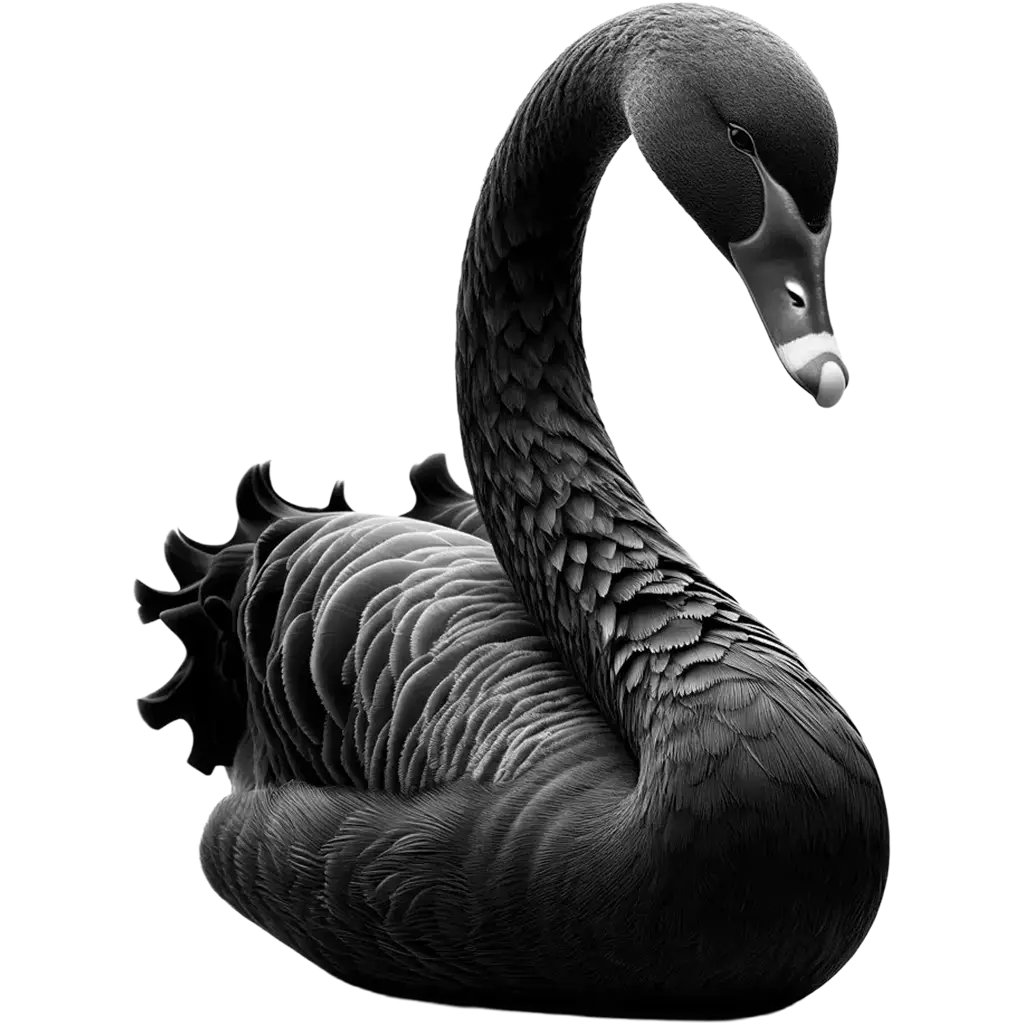
The Black Swan, cygnus atratus, is a large waterbird native to Australia, easily distinguished by its mostly black plumage and striking red bill with a white band. It measures between 110 to 142 centimeters in length and has a wingspan of up to 2 meters, making it one of the
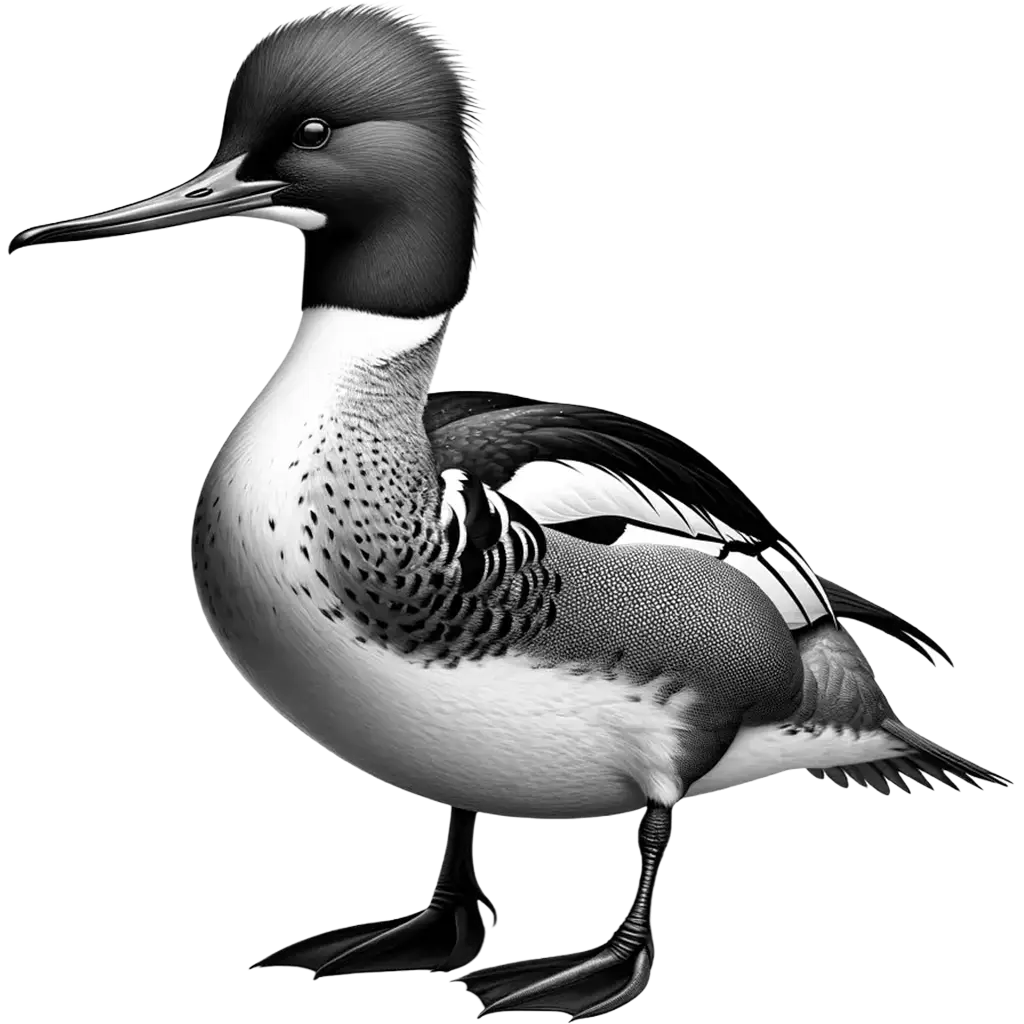
The Red-Breasted Merganser, mergus serrator, is a distinctive sea duck known for its slender, elongated body and striking plumage. Adult males have a dark green head, a white neck with a narrow collar, and a reddish-brown breast, while their back is black and sides are grey. They are particularly noted