
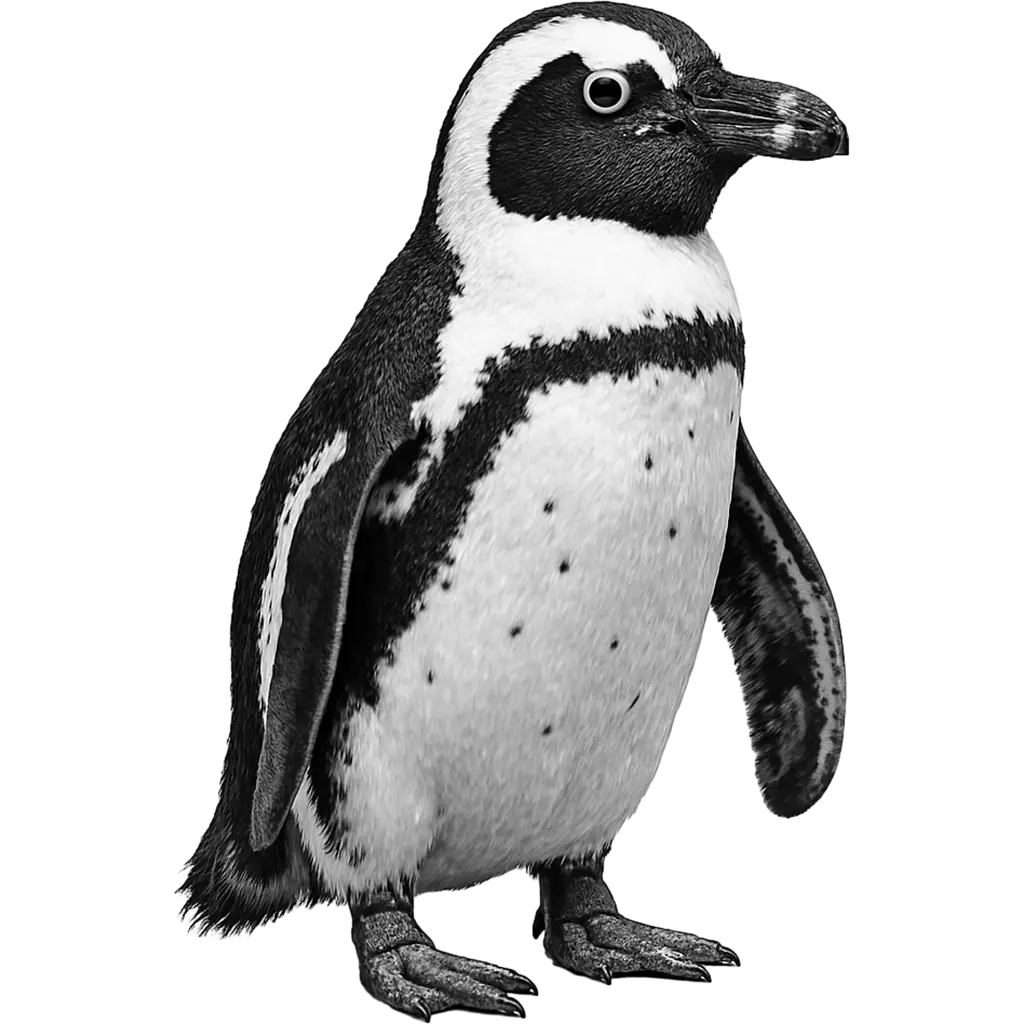
Spheniscus Demersus
African Penguin
Coastal islands, rocky shores, and sandy beaches in southern Africa.
African Penguins exhibit a striking tuxedo-like appearance with vivid black and white plumage. Their compact, robust bodies and short, powerful flippers allow them to swim gracefully through the ocean, while bright red-orange patches near the eyes add a touch of color. Their overall look combines elegance and functional design, perfectly suited for life in coastal habitats.
| Population: | Approximately 25,000 mature individuals; declining due to oil spills, overfishing, and habitat loss |
| Generation Length: | Approximately 8-10 years |
| Average Weight: | 2.5-3.5 kg |
| Average Length: | Approximately 60-70 cm (body length) |
| Lifespan: | 20-30 years in the wild; up to 40 years in captivity |
| Diet: | Mainly fish, with occasional crustaceans |
| Conservation Status: | Endangered (EN) |
In bustling colonies along rocky shores and sandy beaches, African Penguins display highly social behaviors. They forage cooperatively in the ocean, diving skillfully after small fish and communicating through a series of calls both above and below water. On land, they congregate in large groups, engaging in communal preening and resting in the sun to regulate body temperature. Their activity is deeply influenced by tidal cycles and seasonal variations, and they exhibit a playful yet cautious demeanor in their dynamic environment.
Their diet is primarily composed of small fish such as sardines and anchovies, which they catch with swift, precise dives. Occasional consumption of crustaceans and cephalopods supplements their protein intake. This specialized feeding strategy supports their energy demands for long foraging trips and vigorous swimming, while also playing an important role in maintaining the health of their marine ecosystem.
During the breeding season, African Penguins form loose bonds within colonies. Courtship involves a series of soft calls, synchronized movements, and mutual preening rituals. After a single egg is laid, both parents take turns incubating and later feeding the chick, ensuring it gains the necessary survival skills in a challenging coastal environment.
Wild populations are currently estimated at around 25,000 mature individuals; however, ongoing threats from pollution, overfishing, and habitat loss continue to reduce their numbers. Conservation programs focused on habitat protection and sustainable fishing practices remain critical for securing their future.
Classifications
The Key Attributes
Features
- Movement:
They swim gracefully with strong, coordinated flipper strokes and waddle charmingly on land.
- Territorial Behavior:
Social birds that nest in colonies; they display communal behavior when foraging and resting.
- Speed:
Moderate, with swift bursts during diving or when escaping threats.
- Diet:
Primarily piscivorous, feeding on small fish.
- Physical Features:
- Distinctive black and white plumage resembling a tuxedo
- Stout, compact body built for powerful swimming
- Bright red-orange patches around the eyes and on the beak
- Short, robust flippers and a streamlined shape
- Primary Senses:
- Sight
- Hearing
- Smell
Understanding Habitat and Range
Geography
- Habitat:
Coastal islands, rocky shores, and sandy beaches in southern Africa.
- Migration Patterns:
Non-migratory; local movements occur seasonally in search of food and safe nesting areas.
- Geographical Range:
Native to southern Africa, primarily along the coasts of Namibia and South Africa.
- Climate Preferences:
Prefers temperate to subtropical marine climates with moderate to high humidity.
Navigating the Wilderness
In the wild
- Predators:
Large gulls, seals, and occasionally terrestrial mammals; humans also pose a threat.
- Prey:
Small fish, with occasional crustaceans and cephalopods.
- Feeding Behavior:
Forages in groups while swimming and diving for small fish; uses keen vision to detect prey underwater.
- Diet:
Mainly fish, with occasional crustaceans
- Defensive Mechanisms:
- Group cohesion and rapid, coordinated swimming to evade predators
- Effective camouflage on rocky coasts when on land
- Preferred Food Sources:
- Small fish and aquatic invertebrates
Insights Into Reproduction
Mating
- Mating System:
Solitary outside the breeding season; brief courtship occurs within colonies.
- Number of Offspring:
Typically one egg per breeding cycle.
- Incubation Period:
Eggs are incubated for approximately 35-40 days.
- Parental Involvement:
- Both parents share in incubating the egg and feeding the chick until independence.
Youngsters Section
African Penguin
Fun Fact
African Penguins are known for their distinctive tuxedo-like markings and endearing waddles.
They often form large colonies and engage in playful interactions that reveal complex social behaviors essential for survival in challenging coastal environments.

Download word search puzzles
Word Search Puzzles

Check Out Other Birds
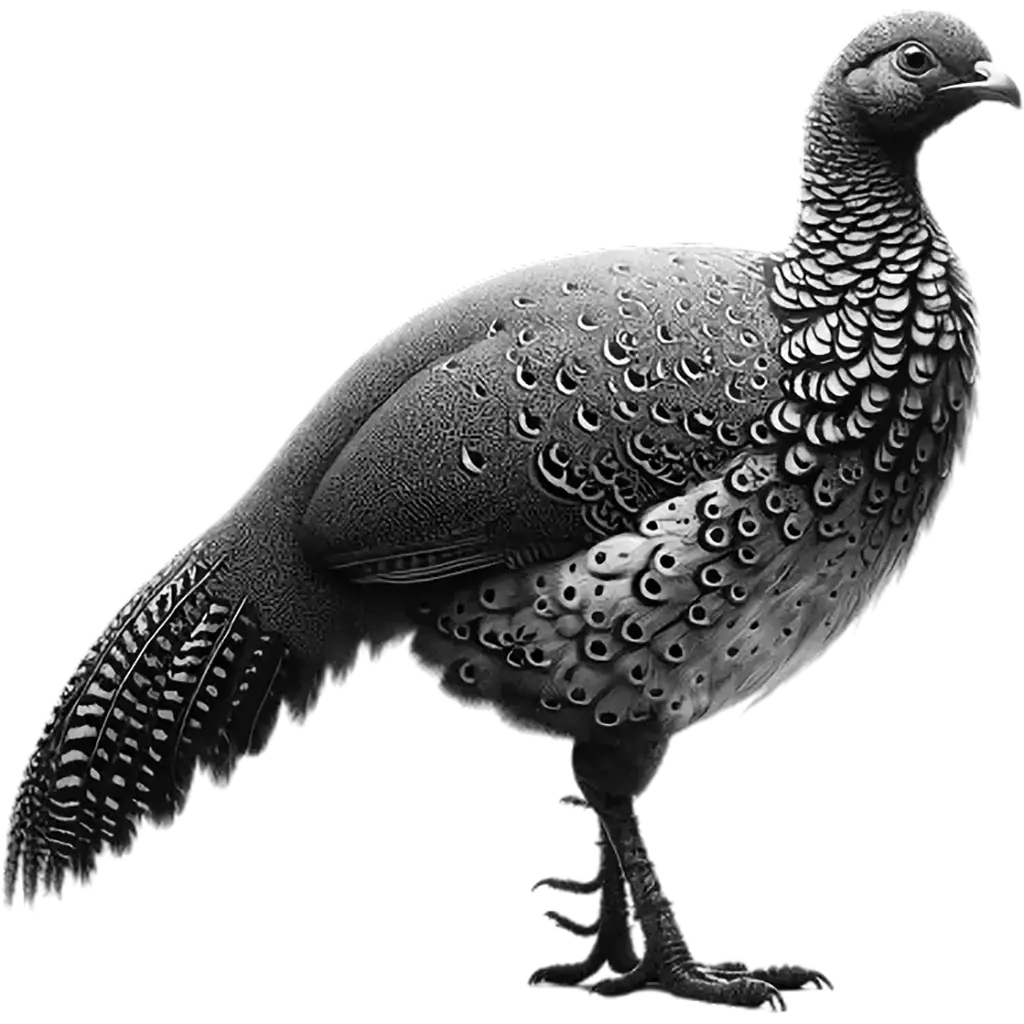
The Malayan Peacock-Pheasant, polyplectron malacense, is a stunning bird species native to the forests of Peninsular Malaysia. Characterized by its relatively small size, with males reaching about 50 to 65 cm in length including the tail, and weighing approximately 450 to 700 grams. The males are particularly noted for their
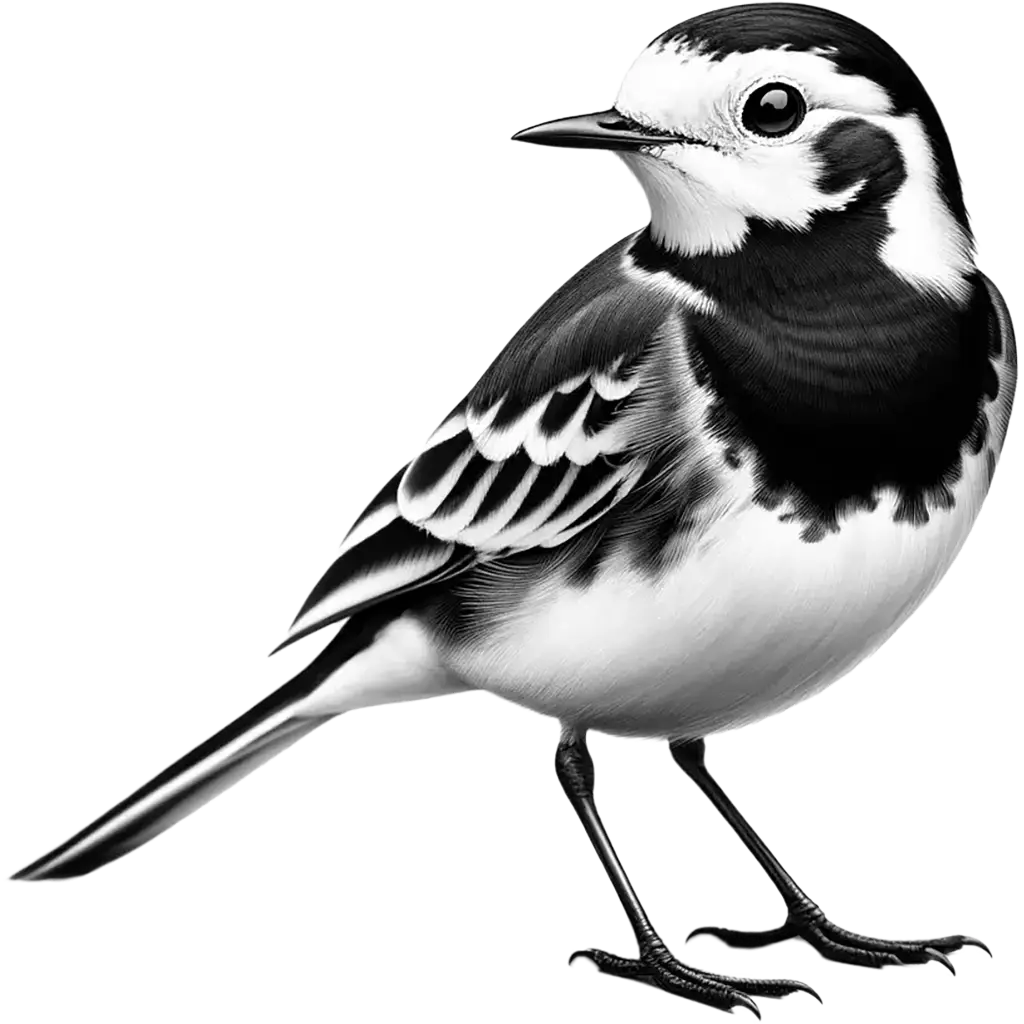
The African Pied Wagtail, motacilla aguimp, is a striking bird characterized by its contrasting black and white plumage and distinctive wagging tail behavior. This species typically measures between 18 to 20 cm in length, displaying a sleek, streamlined body that is primarily black with a white belly, chest, and eyebrow
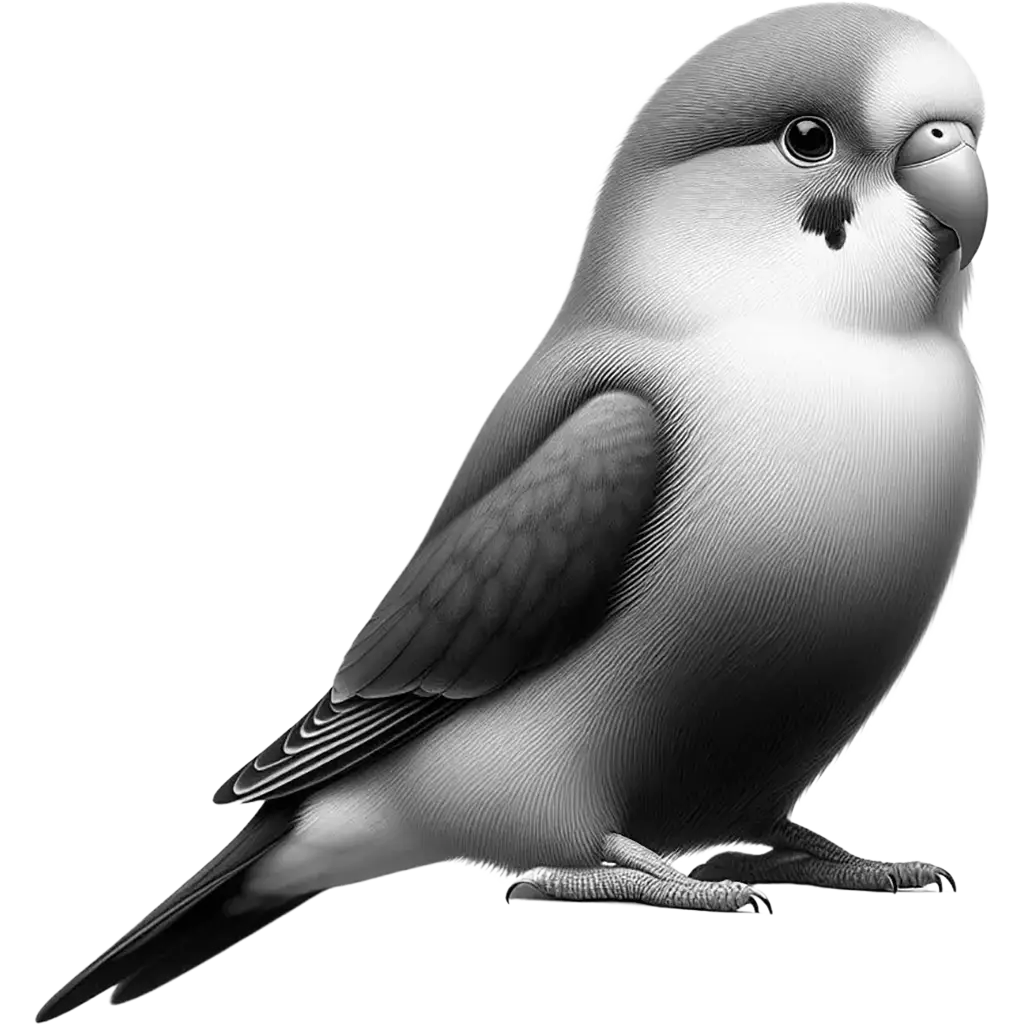
The Grey-headed lovebird, agapornis canus, also known as the Madagascar Lovebird, is a small parrot species native to Madagascar and the Comoros islands. This diminutive bird is notable for its distinctive sexual dimorphism; males boast a mostly grey head and neck, which sharply contrasts with their bright green body, while
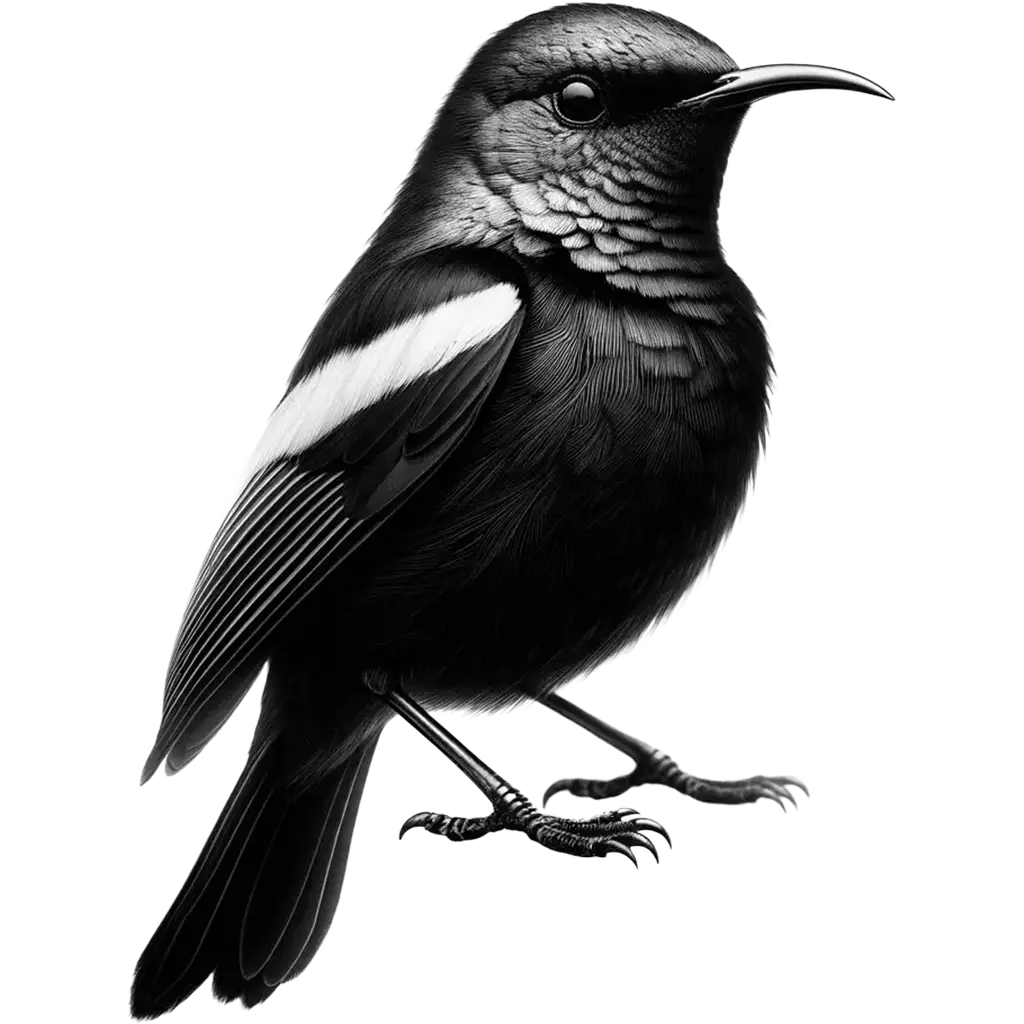
The Nile Valley Sunbird, hedydipna metallica, is a dazzling, small bird species known for its iridescent plumage and energetic behavior. Males are particularly striking, with metallic green feathers covering their head and back, contrasting beautifully with their dark, forked tails and the bright yellow underparts. Females and juveniles have a