
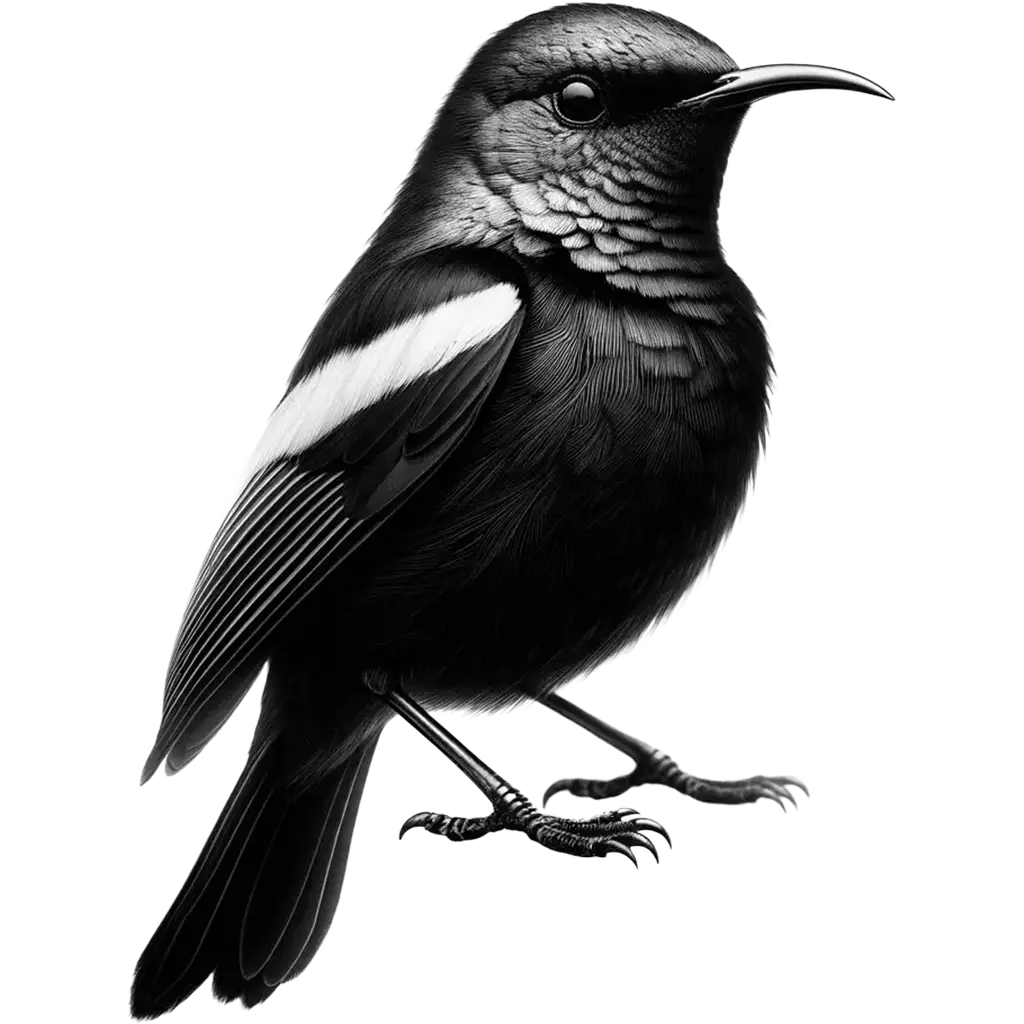
Hedydipna Metallica
Nile Valley Sunbird
Arid and semi-arid regions, particularly in areas with abundant flowering plants
The Nile Valley Sunbird, hedydipna metallica, is a dazzling, small bird species known for its iridescent plumage and energetic behavior. Males are particularly striking, with metallic green feathers covering their head and back, contrasting beautifully with their dark, forked tails and the bright yellow underparts. Females and juveniles have a more subdued coloration, typically olive or greyish on the upper parts with paler underbellies. This species, like other sunbirds, is diminutive in size, generally measuring between 9 to 12 cm in length and weighing around 5 to 8 grams, with a slender, curved bill perfectly adapted for nectar feeding.
| Population: | Considered to be of Least Concern but may face habitat-specific threats |
| Generation Length: | 2-3 years |
| Average Weight: | 5-10 grams |
| Average Length: | 9-12 cm |
| Lifespan: | Unknown in the wild, typically a few years for small birds |
| Diet: | Mainly nectar but supplements diet with insects, especially during breeding season |
| Conservation Status: | Least Concern (LC) |
Native to the Nile Valley and surrounding regions in Northeast Africa, these sunbirds inhabit a variety of environments, including gardens, woodland edges, and open scrublands. They are particularly drawn to areas with abundant flowering plants, which provide their primary food source. Nile Valley Sunbirds are sedentary, with local populations rarely moving great distances, making them a common sight in their native habitats throughout the year.
The diet of the Nile Valley Sunbird primarily consists of nectar, which they extract with their specialized bills while hovering or perching beside flowers. This nectar-rich diet is supplemented by small insects and spiders, providing essential proteins and other nutrients. Their foraging behavior plays a significant role in pollination, making them crucial agents in the reproductive cycles of many plant species.
Reproduction in Nile Valley Sunbirds involves the construction of intricate, hanging nests where females lay 2 to 3 eggs. These nests are often suspended from the tips of branches or in dense vegetation, providing protection from predators. Both males and females participate in feeding and caring for the chicks, showcasing a cooperative approach to parenting that ensures the survival of their offspring.
The population of the Nile Valley Sunbird is considered stable, with no immediate threats identified across its range. However, habitat destruction and the impacts of pesticide use on insect populations could pose future challenges. Conservation efforts focusing on habitat preservation and the maintenance of floral diversity are essential for supporting the continued well-being of this and other nectar-feeding bird species.
Classifications
The Key Attributes
Features
- Movement:
Flying, hovering
- Territorial Behavior:
Can be territorial, especially males during breeding season
- Speed:
Quick and agile in flight, capable of hovering to feed on nectar
- Diet:
Nectarivore, occasionally insectivore
- Physical Features:
- Small size with a slender body
- Long, curved beak adapted for nectar feeding
- Iridescent plumage, often with metallic sheen
- Short legs, adapted for perching and not walking
- Primary Senses:
- Sight
- Taste
Understanding Habitat and Range
Geography
- Habitat:
Arid and semi-arid regions, particularly in areas with abundant flowering plants
- Migration Patterns:
Resident, with some local movements in response to flowering seasons
- Geographical Range:
Nile Valley region, from Egypt south to Sudan and Ethiopia
- Climate Preferences:
Prefers hot, dry climates, often found near water sources in arid landscapes
Navigating the Wilderness
In the wild
- Predators:
Larger birds, reptiles, and small mammals
- Prey:
Nectar from flowers, small insects
- Feeding Behavior:
Primarily feeds on nectar, playing an important role in pollination; also consumes insects for protein
- Diet:
Mainly nectar but supplements diet with insects, especially during breeding season
- Defensive Mechanisms:
- Camouflage within vegetation
- Agility and speed in flight to evade predators
- Preferred Food Sources:
- Flowering plants like acacias and aloes
Insights Into Reproduction
Mating
- Mating System:
Monogamous
- Number of Offspring:
2-3 eggs
- Incubation Period:
About 14 days
- Parental Involvement:
- Both parents involved in feeding and caring for the young
Youngsters Section
Nile Valley Sunbird
Fun Fact
The Nile Valley Sunbird is known for its striking metallic plumage and vibrant coloration.
This small bird, found in Africa, feeds primarily on nectar but will also consume insects for protein. Males display brilliant iridescent colors, especially during the breeding season, to attract mates. Their long, curved bills are well-adapted for reaching deep into flowers.

Download word search puzzles
Word Search Puzzles


Check Out Other Birds
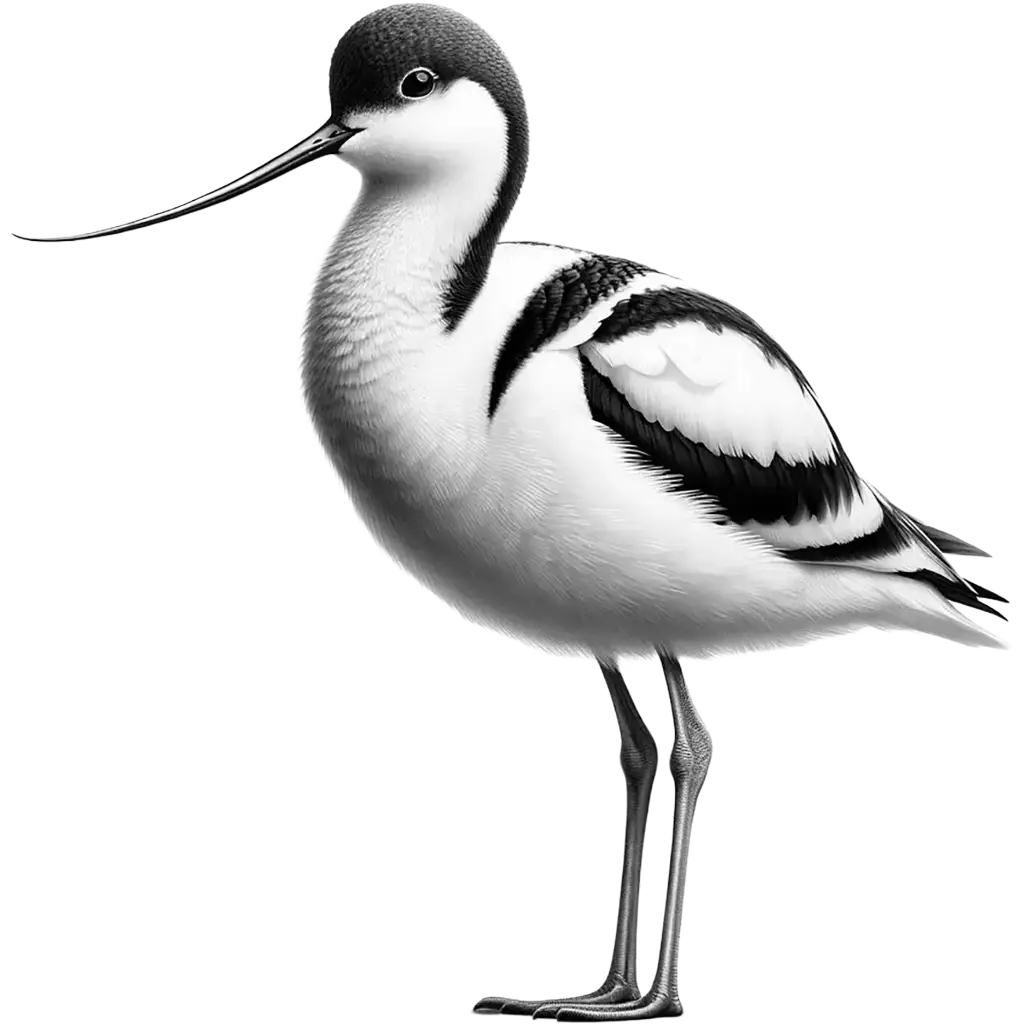
The Pied Avocet, recurvirostra avosetta, is a striking wading bird known for its elegant black and white plumage and distinctive upcurved bill. This bird typically measures about 42 to 45 cm in length, with a wingspan of 77 to 85 cm. Its long, thin legs are a pale blue, complementing
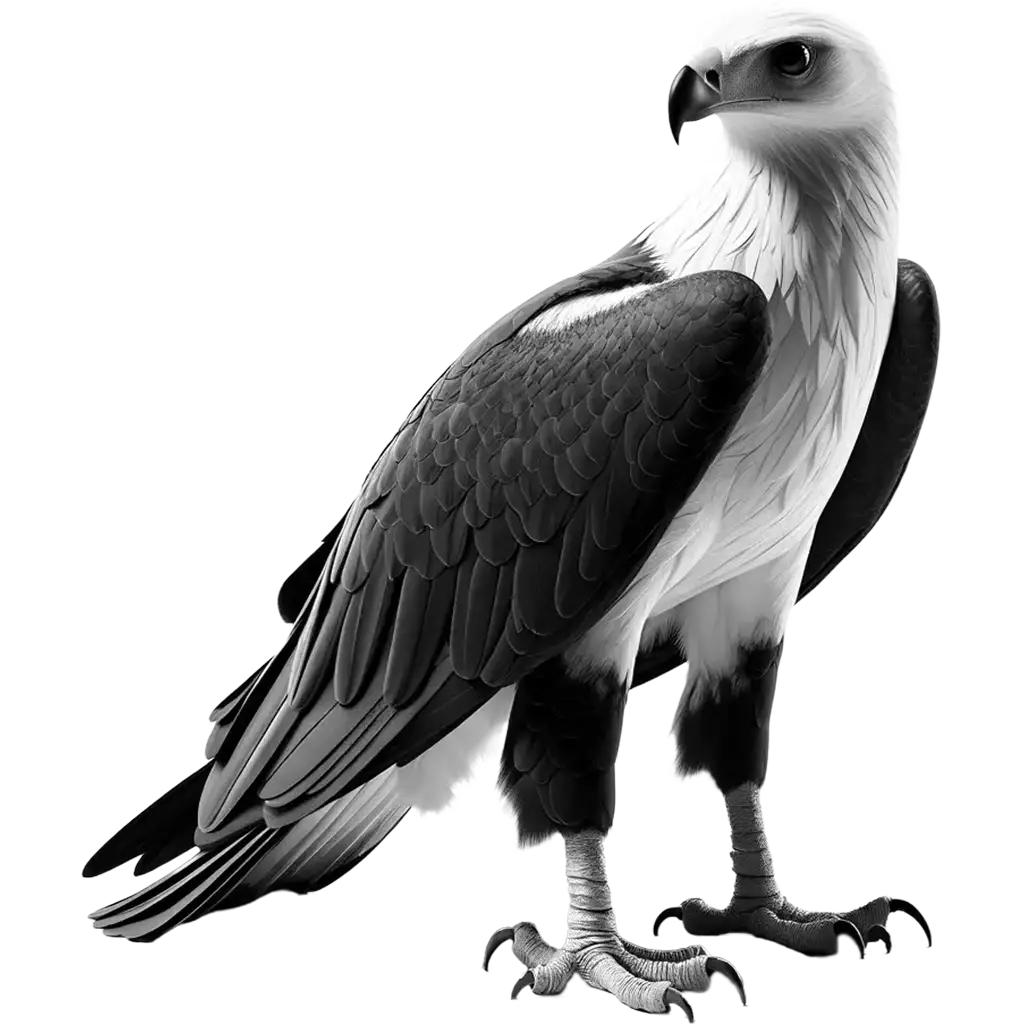
The Wedge-Tailed Eagle, aquila audax, is a powerful bird of prey and one of the largest eagles in the world, recognized by its long, distinctive wedge-shaped tail. Adults can have a wingspan of up to 2.5 meters and weigh between 3 to 6 kg, with females generally larger than males.
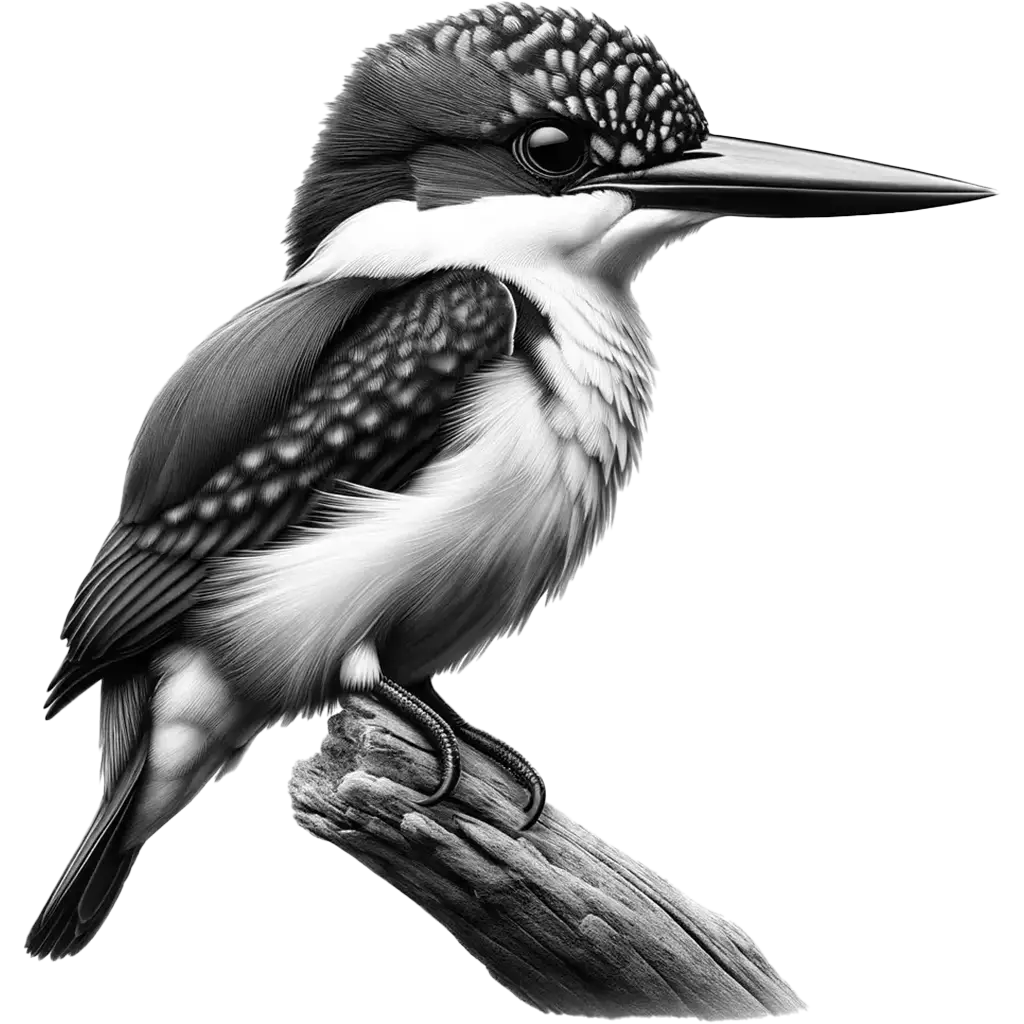
The Malachite Kingfisher, corythornis cristatus, is a small, vibrantly colored bird, renowned for its brilliant plumage and striking appearance. Measuring approximately 13 cm in length and weighing around 17 grams, this bird boasts a bright blue to turquoise upper body, with a contrasting rust-orange underparts. A distinctive feature is its
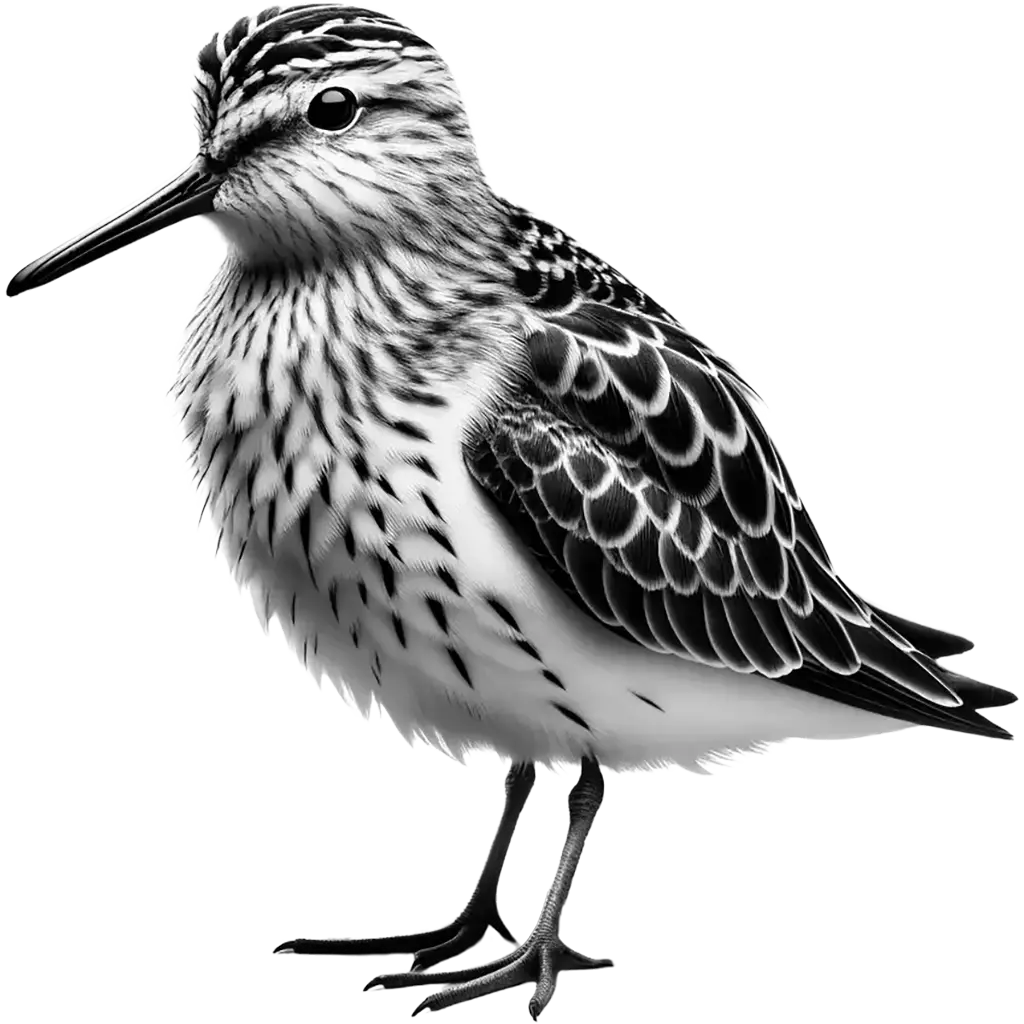
The Pectoral Sandpiper, calidris melanotos, is a medium-sized shorebird distinguished by its streaked brown upperparts and white underparts, sharply divided by a distinctive brown breast band. This migratory bird measures approximately 21 to 23 cm in length, with a wingspan of 46 to 57 cm, and is characterized by its