
Aquila Audax
Wedge-Tailed Eagle
Open woodlands, forests, savannas, and semi-arid regions
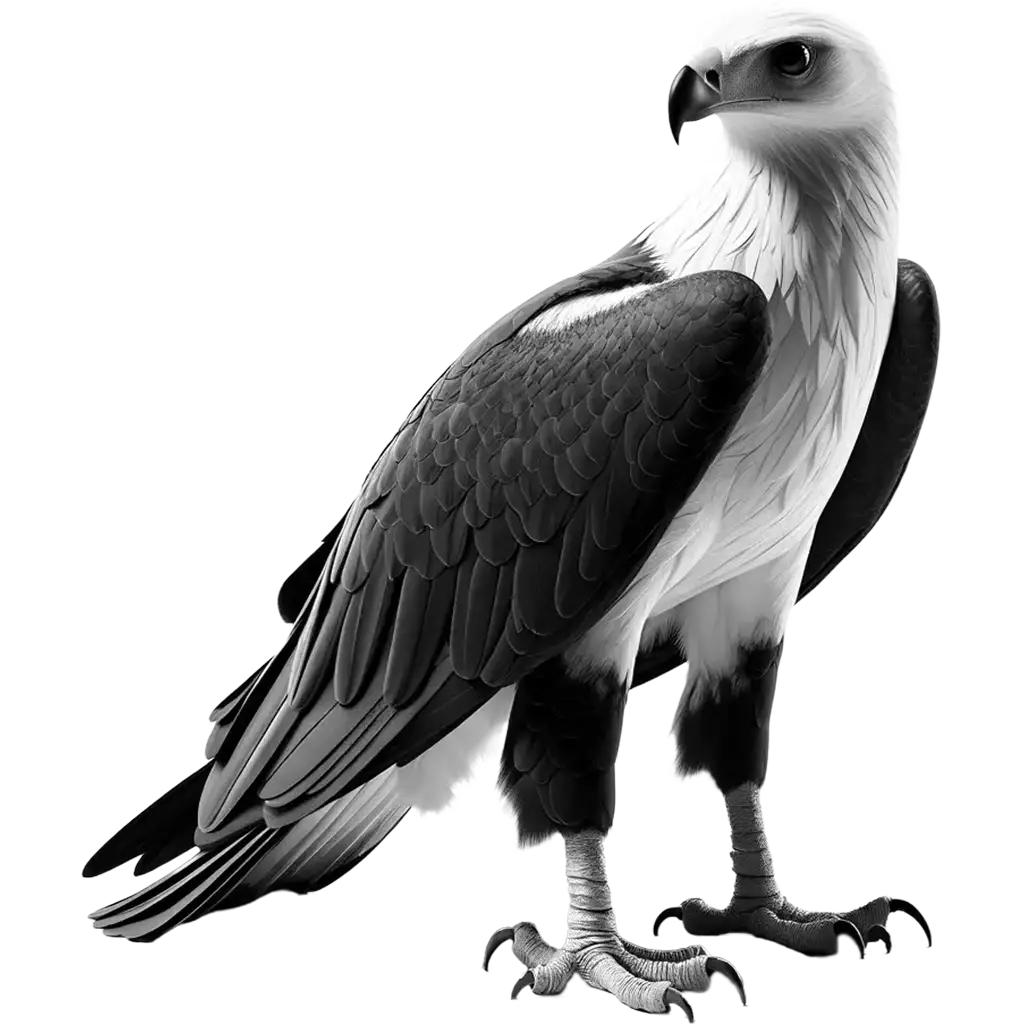
The Wedge-Tailed Eagle, aquila audax, is a powerful bird of prey and one of the largest eagles in the world, recognized by its long, distinctive wedge-shaped tail. Adults can have a wingspan of up to 2.5 meters and weigh between 3 to 6 kg, with females generally larger than males. Their plumage is mostly dark brown to black, with younger eagles displaying lighter, golden feathers on their necks and heads. The eagle's large, hooked beak and strong talons are perfectly adapted for hunting and feeding.
| Population: | Listed as Least Concern, with stable populations |
| Generation Length: | 5-7 years |
| Average Weight: | 3-5 kg |
| Average Length: | 85-105 cm, with a wingspan of 2.3-2.8 meters |
| Lifespan: | 20-30 years in the wild |
| Diet: | Opportunistic feeder, primarily carnivorous |
| Conservation Status: | Least Concern (LC) |
Native to Australia and parts of Papua New Guinea and Indonesia, Wedge-Tailed Eagles inhabit a variety of landscapes, including forests, savannas, grasslands, and semi-arid regions. They are highly territorial birds, often seen soaring at great heights on thermal currents. These eagles are known for their remarkable flying abilities, capable of performing intricate maneuvers during flight.
The diet of the Wedge-Tailed Eagle primarily consists of small to medium-sized mammals, such as rabbits, hares, and kangaroos, but it also includes birds, reptiles, and carrion. This wide diet range showcases their adaptability and skill as hunters. They are known to hunt singly, in pairs, or even in larger groups when targeting larger prey.
Reproduction for Wedge-Tailed Eagles involves monogamous pairs that mate for life. They build large nests, called eyries, atop tall trees or cliffs, where they return each breeding season to lay 1 to 3 eggs. Both parents share the duties of incubating the eggs and feeding the chicks. The young eagles fledge at around 11 weeks but may stay with the parents, learning to hunt, for up to six months.
The population of the Wedge-Tailed Eagle is considered stable, though it faces threats from habitat destruction, secondary poisoning, and persecution due to misconceptions about their impact on livestock. Conservation efforts focus on habitat protection, public education, and legal protection measures to ensure the survival of this magnificent bird of prey, a symbol of the wild landscapes of Australia.
Classifications
The Key Attributes
Features
- Movement:
Flying, soaring
- Territorial Behavior:
Highly territorial, especially during breeding season
- Speed:
Capable of high speeds during flight, especially when diving
- Diet:
Carnivore
- Physical Features:
- Large body with long, broad wings and a distinctive wedge-shaped tail
- Powerful talons and beak for hunting and feeding
- Dark plumage with lighter bands on the wings and tail
- Excellent vision for spotting prey from great heights
- Primary Senses:
- Sight
Understanding Habitat and Range
Geography
- Habitat:
Open woodlands, forests, savannas, and semi-arid regions
- Migration Patterns:
Sedentary, with some local movements in response to food availability
- Geographical Range:
Australia, including Tasmania and southern New Guinea
- Climate Preferences:
Adaptable to a range of climates from tropical to temperate regions
Navigating the Wilderness
In the wild
- Predators:
Few natural predators due to size; humans can be a threat due to persecution and habitat destruction
- Prey:
Rabbits, hares, kangaroos, lizards, birds, and carrion
- Feeding Behavior:
Predatory, hunting live prey including mammals, birds, and reptiles, and scavenging carrion
- Diet:
Opportunistic feeder, primarily carnivorous
- Defensive Mechanisms:
- Using size and strength to deter predators
- Aggressive defense of territory and nest
- Preferred Food Sources:
- Varied depending on habitat, but often large open areas for hunting
Insights Into Reproduction
Mating
- Mating System:
Monogamous, with long-term pair bonds
- Number of Offspring:
1-3 eggs
- Incubation Period:
About 45 days
- Parental Involvement:
- Both parents share in nest building, incubation, and feeding of the young
Youngsters Section
Wedge-Tailed Eagle
Fun Fact
The wedge-tailed eagle is Australia's largest bird of prey, with a wingspan reaching up to 2.84 meters.
These eagles are known for their long, wedge-shaped tails and powerful flight. They can soar at altitudes of over 1,800 meters and have excellent eyesight, enabling them to spot prey from great distances. They primarily feed on rabbits, hares, and carrion, but can also hunt larger animals.

Download word search puzzles
Word Search Puzzles

Check Out Other Birds

The Oriental Scops Owl, otus sunia, is a small and elusive bird of prey, known for its distinctive ear tufts and varied color morphs, ranging from gray to reddish-brown, which provide excellent camouflage against tree bark. This species typically measures about 19 to 23 cm in length, with a wingspan
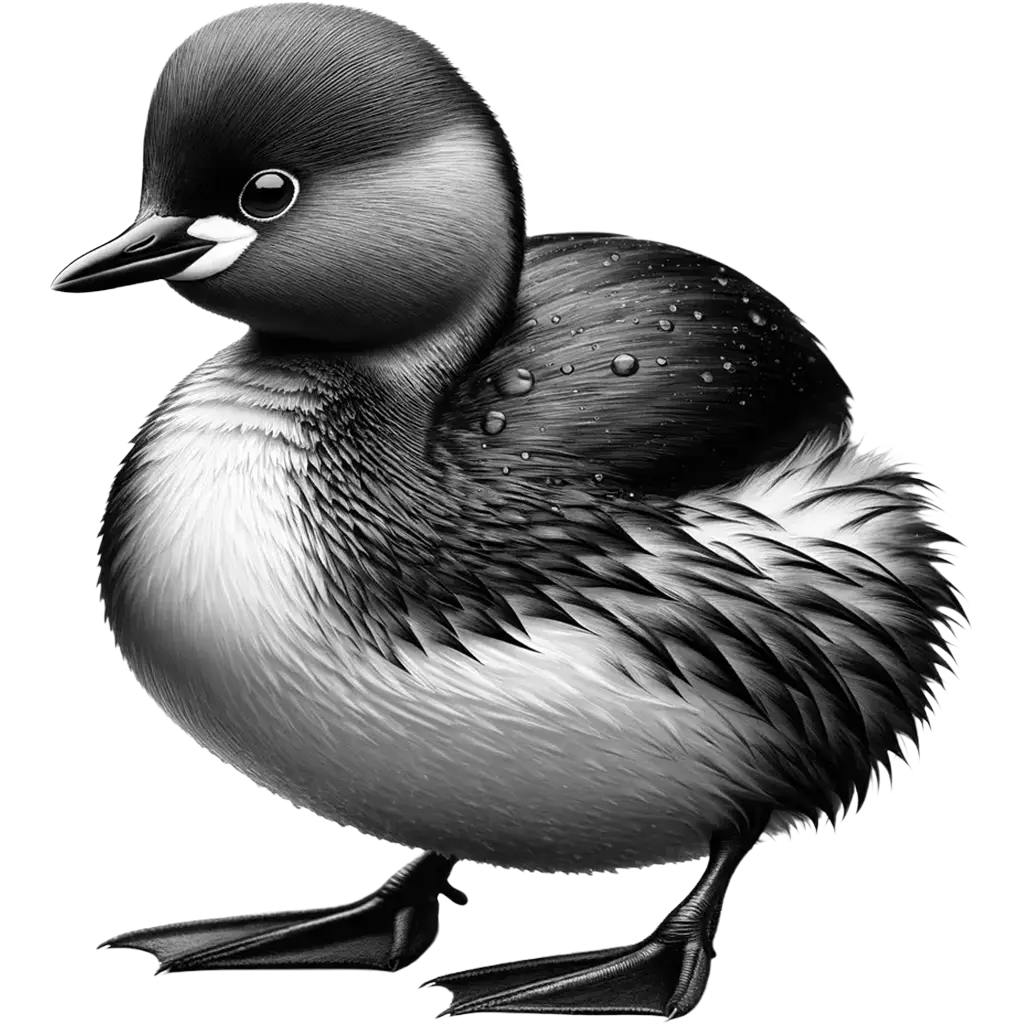
The Little Grebe, tachybaptus ruficollis, also known as the Dabchick, is a small water bird, celebrated for its remarkable diving ability and agility in water. Adults typically measure about 23 to 29 cm in length, with a distinctive stout body, short neck, and almost tailless appearance. During the breeding season,

The Common Wood Pigeon, columba palumbus, is a large species of pigeon that is widespread across Europe, western Asia, and North Africa. It is easily recognizable by its size, measuring 38 to 44 cm in length and weighing between 300 to 600 grams, making it one of the larger pigeons
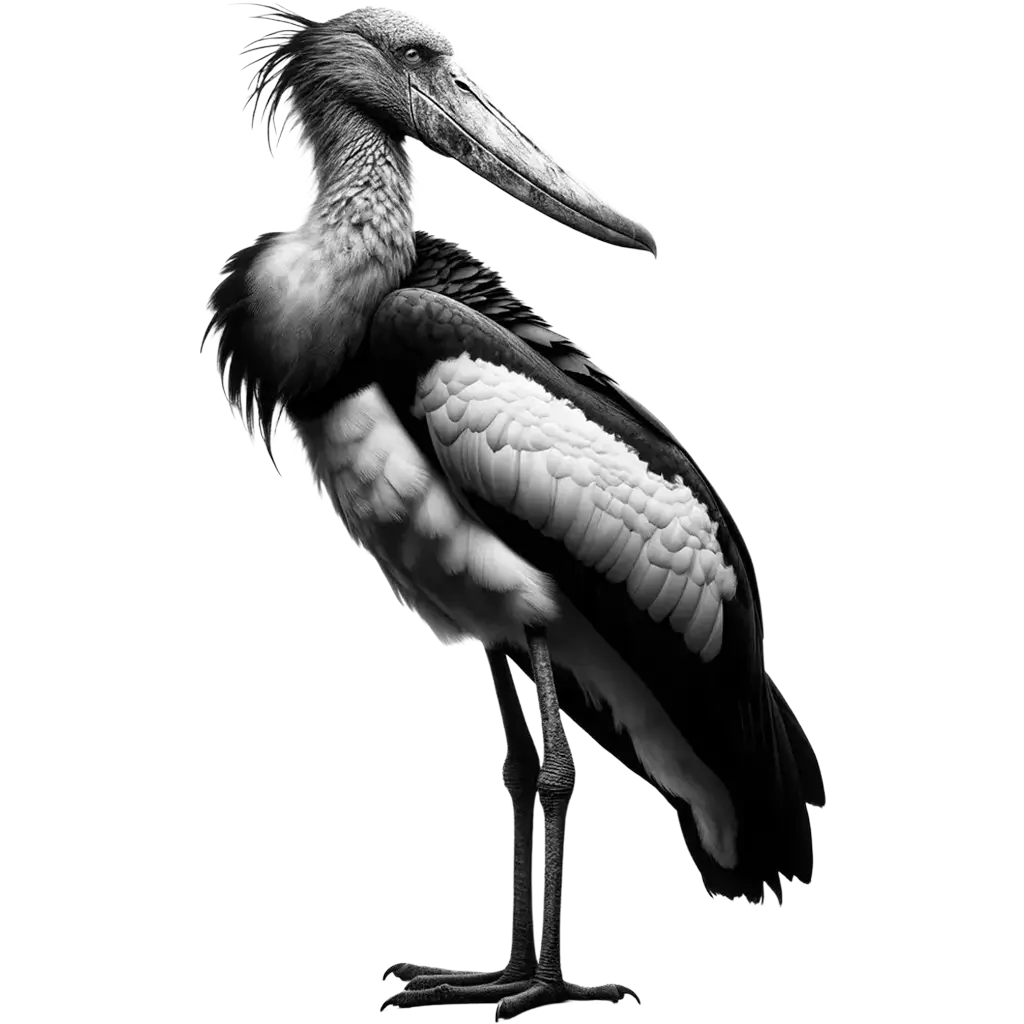
The Greater Adjutant, leptoptilos dubius, is a large stork standing at an impressive height of up to 1.5 meters with a wingspan reaching 2.5 meters. Its appearance is distinctive with a bald head and neck, a heavy bill, and a predominantly dark grey plumage, except for the white underparts. The