
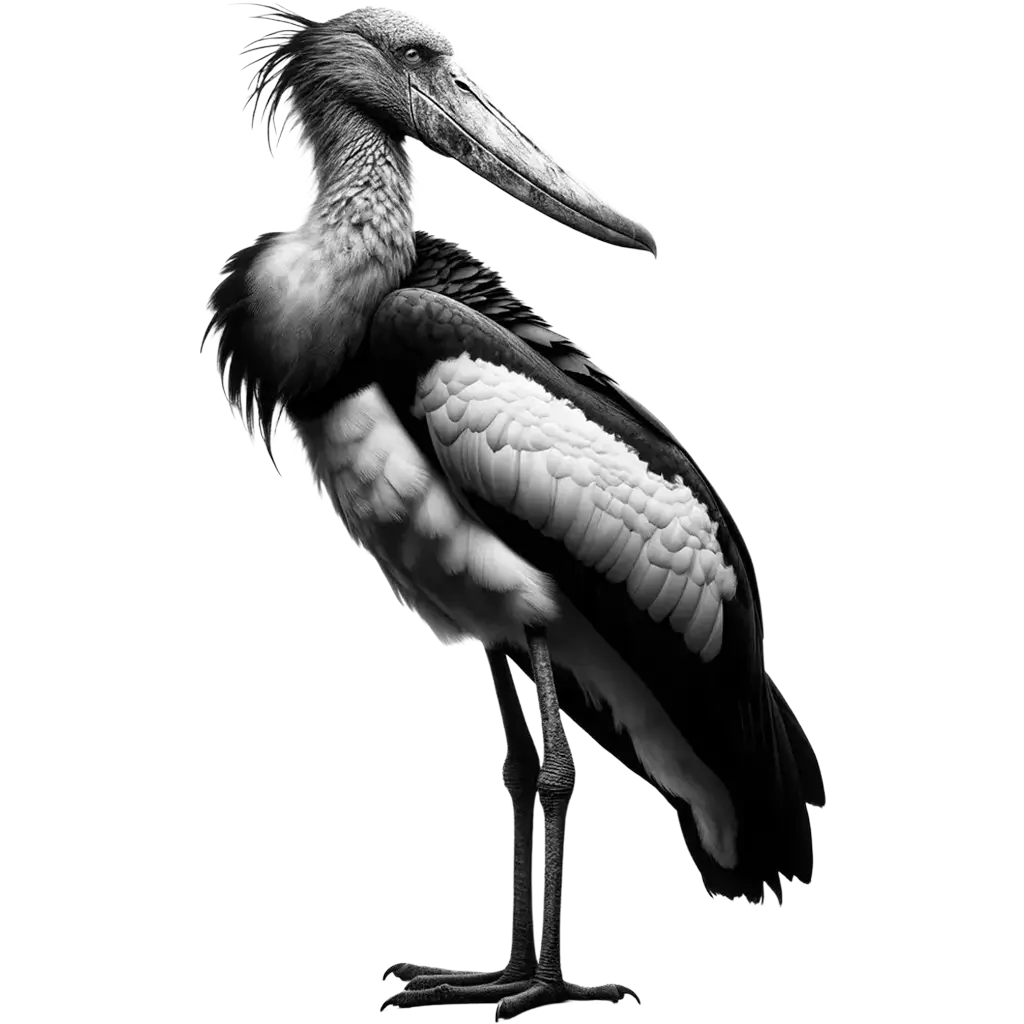
Leptoptilos Dubius
Greater Adjutant
Wetlands, freshwater marshes, and adjoining agricultural fields
The Greater Adjutant, leptoptilos dubius, is a large stork standing at an impressive height of up to 1.5 meters with a wingspan reaching 2.5 meters. Its appearance is distinctive with a bald head and neck, a heavy bill, and a predominantly dark grey plumage, except for the white underparts. The legs are long and strong, colored a dull yellow, complementing its overall stark appearance. This bird is often noted for its ungainly gait and posture when on the ground.
| Population: | Less than 1,000 mature individuals |
| Generation Length: | 5-6 years |
| Average Weight: | 5.5-8.5 kg |
| Average Length: | 145-150 cm |
| Lifespan: | Up to 25 years |
| Diet: | Primarily scavenged dead fish and amphibians |
| Conservation Status: | Near Threatened (NT) |
The Greater Adjutant is a scavenger, predominantly found in wetlands, freshwater lakes, and fields near human settlements in South Asia. It has a solitary nature but is often seen in small groups near food sources. The species is known for its silent demeanor, rarely vocalizing except during the breeding season. These birds play a crucial role in their ecosystem by cleaning up carrion and waste, but their dependence on specific habitats makes them vulnerable to environmental changes. They are strong flyers, capable of traveling long distances in search of food.
Diet-wise, the Greater Adjutant feeds primarily on carrion, but it also consumes frogs, large insects, and occasionally small reptiles and rodents. This bird is particularly adept at utilizing human-altered landscapes, often scavenging in landfills and dumpsites. Such habits, while beneficial for waste removal, expose the species to potential health risks from pollution and human conflict. The Greater Adjutant's feeding behavior underscores its importance in controlling disease spread by consuming dead animal matter.
Mating habits of the Greater Adjutant are characterized by nesting in large colonies, often in tall trees near water bodies. These storks are monogamous during the breeding season, with both parents involved in building the nest, incubating the eggs, and feeding the young. Clutch size varies from 2 to 4 eggs, and the breeding season is marked by increased vocalization and display rituals to attract mates and assert territory within the colony.
The population of the Greater Adjutant is critically endangered, with significant declines noted over the past decades. Habitat destruction, particularly the loss of wetlands and breeding sites, poses a major threat to their survival. Additionally, the bird faces challenges from direct human persecution and the disturbance of nesting sites. Conservation efforts are focused on habitat protection, reducing human-bird conflicts, and raising awareness to encourage the preservation of this unique species.
Classifications
The Key Attributes
Features
- Movement:
Flying, walking
- Territorial Behavior:
Non-territorial; forms large breeding colonies
- Speed:
Can fly at speeds up to 50 km/h (31 mph)
- Diet:
Carnivore/Scavenger
- Physical Features:
- Large size
- Long legs
- Huge bill
- Bare head and neck
- Greyish-white body with darker wings
- Primary Senses:
- Sight
- Hearing
Understanding Habitat and Range
Geography
- Habitat:
Wetlands, freshwater marshes, and adjoining agricultural fields
- Migration Patterns:
Resident and local movements in response to food availability
- Geographical Range:
Primarily in parts of India and Cambodia, with historical ranges extending across South and Southeast Asia
- Climate Preferences:
Tropical and subtropical climates
Navigating the Wilderness
In the wild
- Predators:
Eggs and juveniles are vulnerable to crows, eagles, and feral dogs
- Prey:
Dead animals, fish, frogs, large insects
- Feeding Behavior:
Scavenging on carcasses, foraging in shallow waters for amphibians and reptiles
- Diet:
Primarily scavenged dead fish and amphibians
- Defensive Mechanisms:
- Large size
- Flight
- Aggressive posturing
- Preferred Food Sources:
- Carcasses
- Fish
Insights Into Reproduction
Mating
- Mating System:
Colonial nesting
- Number of Offspring:
2-4 eggs per clutch
- Incubation Period:
28-30 days
- Parental Involvement:
- Both parents incubate eggs
- Both parents feed the young
Youngsters Section
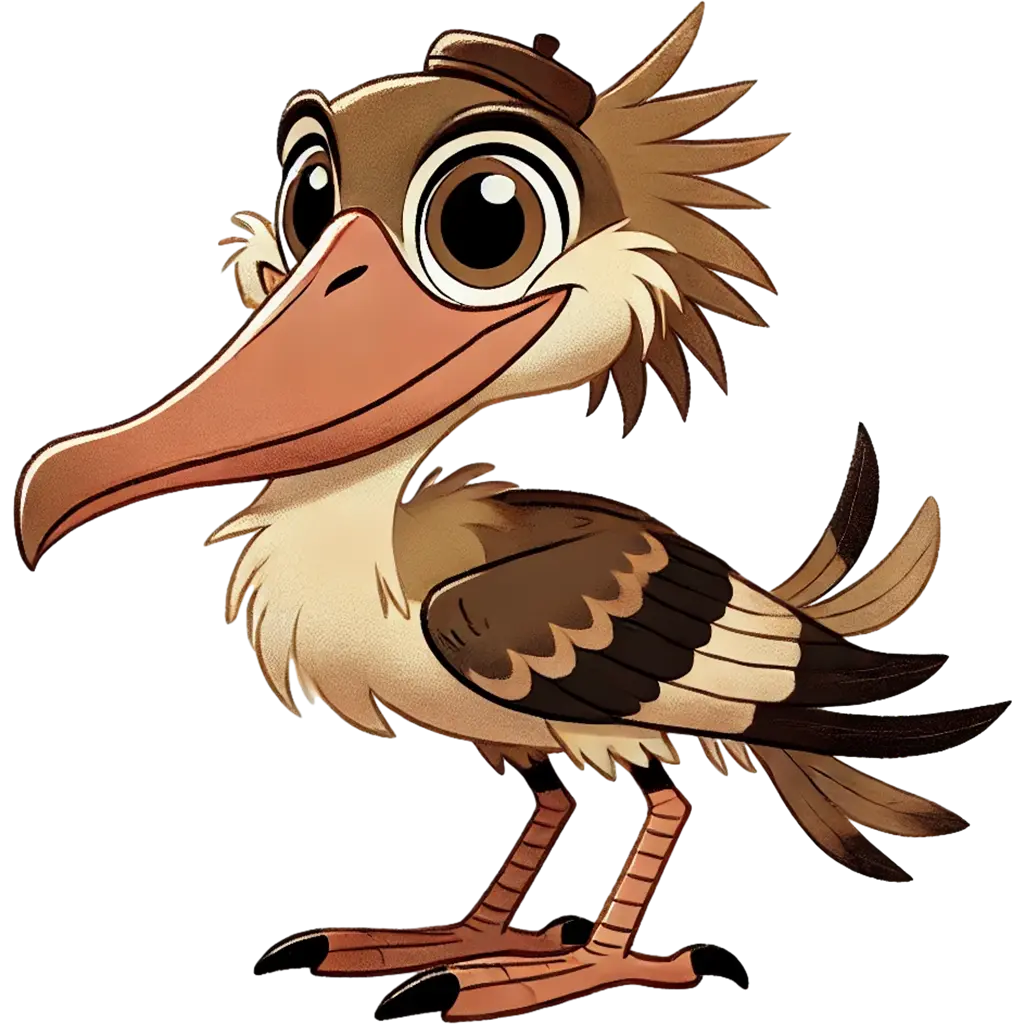
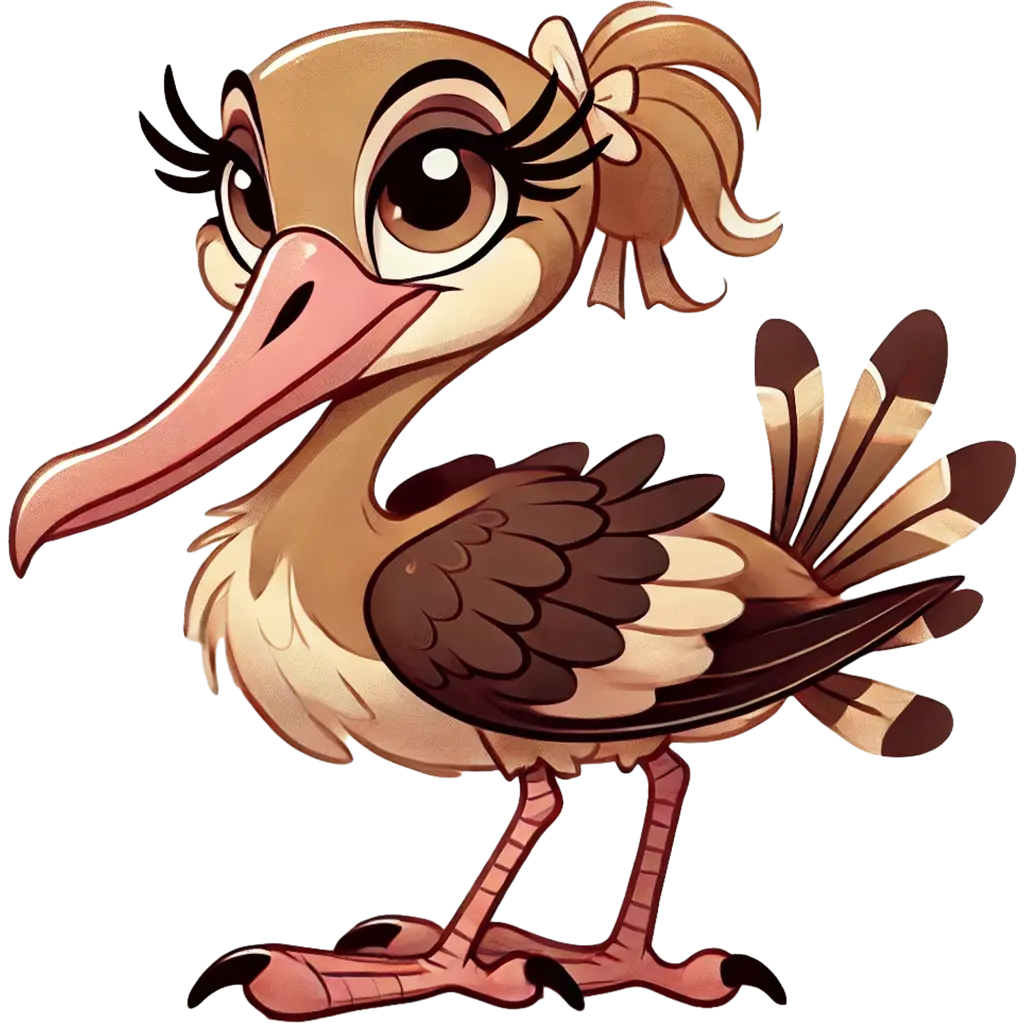
Greater Adjutant
Fun Fact
The Greater Adjutant is a large stork found in parts of Southeast Asia and the Indian subcontinent.
Known for their scavenging habits, they play a crucial ecological role by cleaning up carcasses. This helps prevent the spread of diseases. Unfortunately, their population is declining due to habitat loss and pollution. Conservation efforts are underway to protect this unique bird.

Download word search puzzles
Word Search Puzzles
Check Out Other Birds
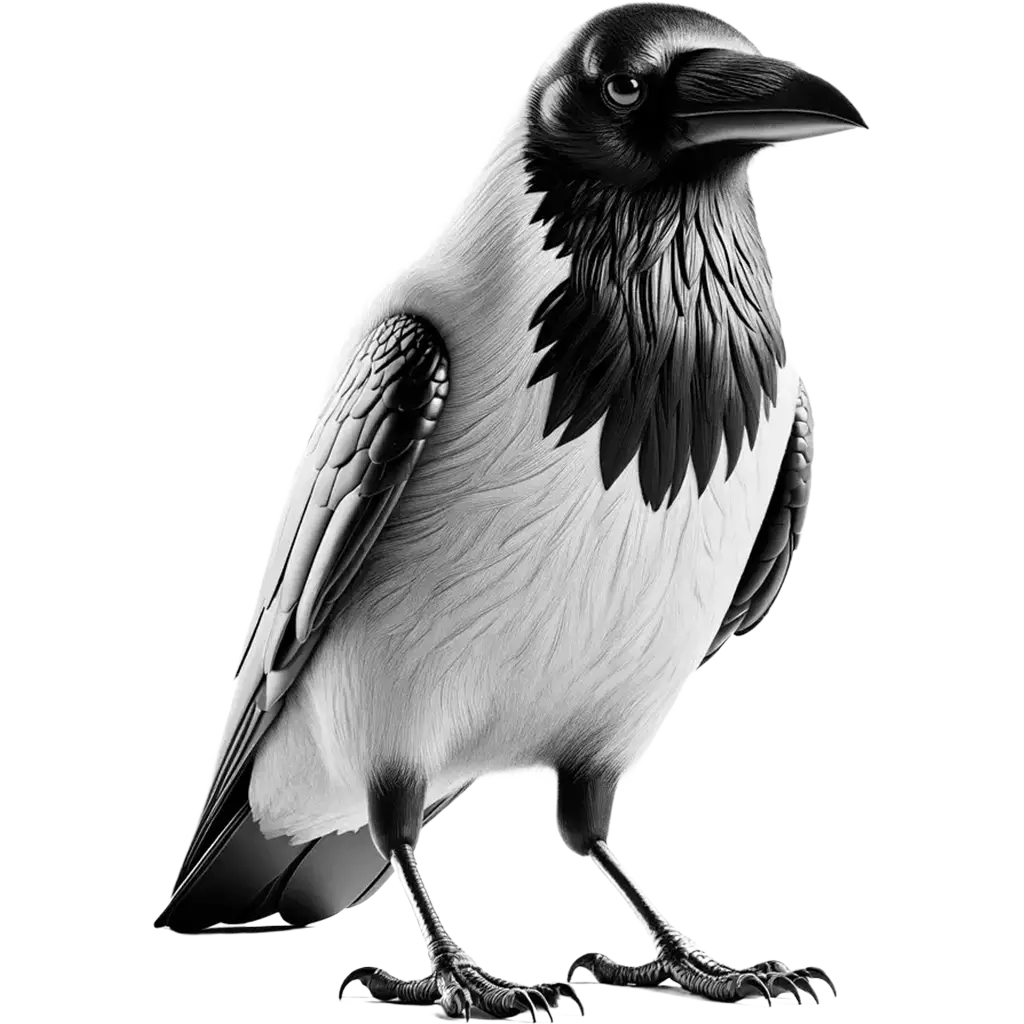
The Carrion Crow, corvus corone, stands out with its all-black plumage, which shimmers with iridescent tones of blue and green in sunlight. This bird is medium-sized, measuring approximately 48 to 52 cm in length, with a robust build and a strong, thick beak suited for its versatile diet. Its piercing
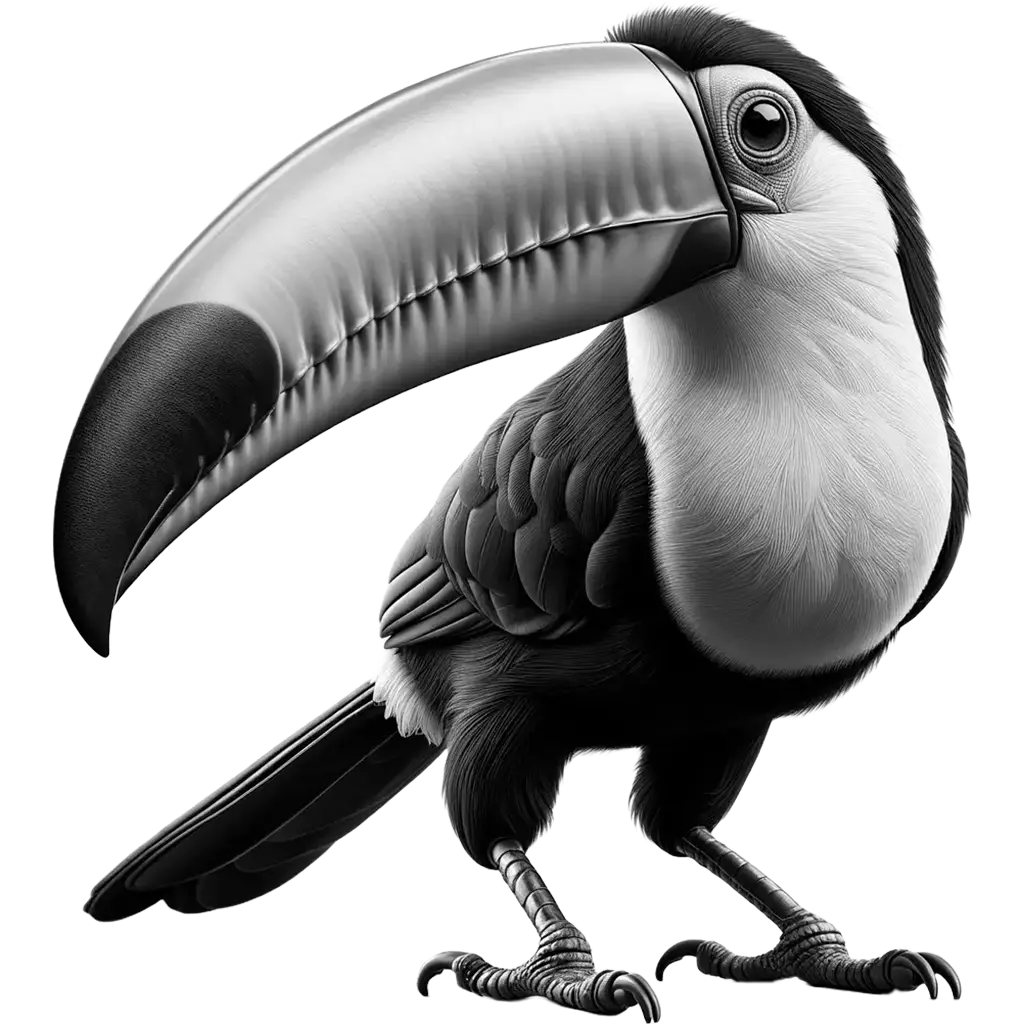
The Channel-Billed Toucan, ramphastos vitellinus, is a vibrant and charismatic bird native to Trinidad and the northern regions of South America, including Venezuela, Guyana, Suriname, French Guiana, and northern Brazil. Recognizable by its large, colorful bill, which can measure up to 14 centimeters in length, this species boasts a striking
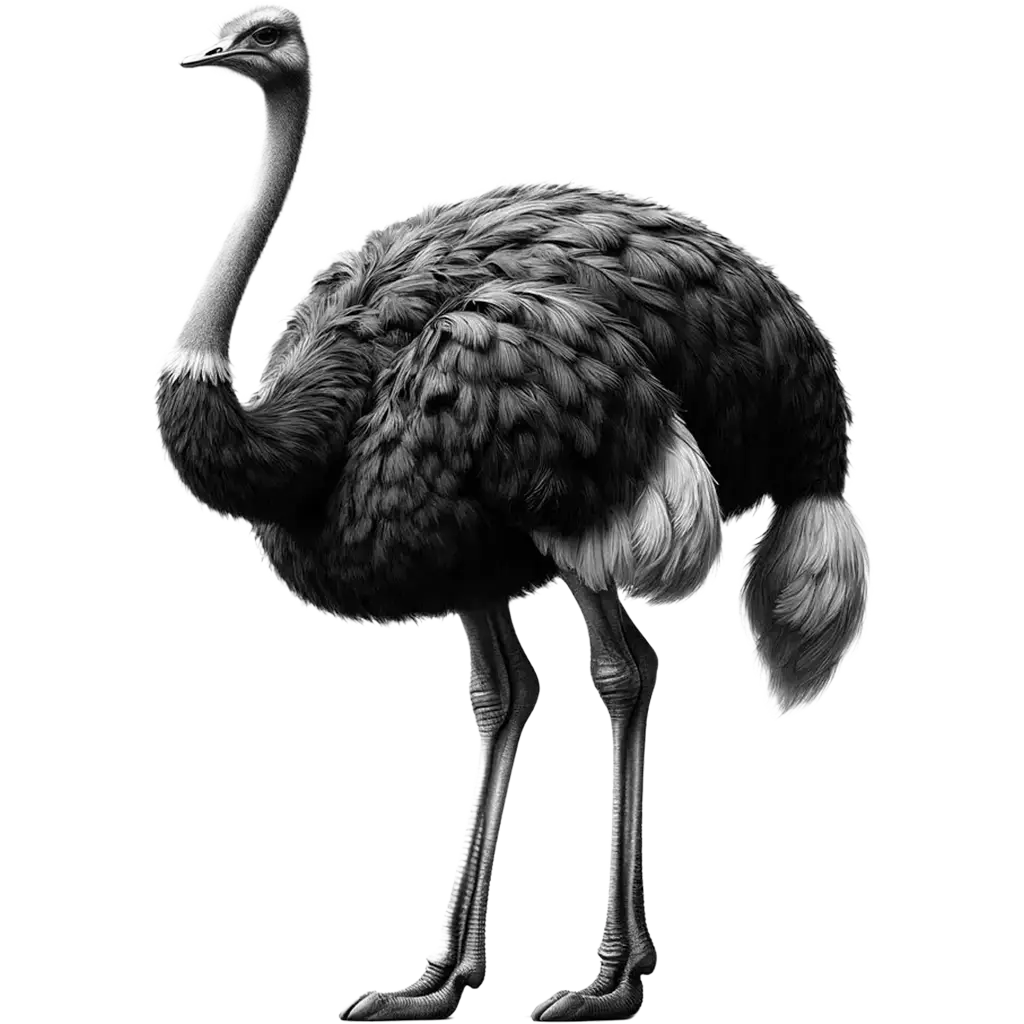
The Masai Ostrich, struthio camelus massaicus, is the East African subspecies of the common ostrich, distinguished by its unique coloration and size. Males possess a distinctive black and white plumage, with bright pink to red necks and thighs during the breeding season, signaling their readiness to mate. Females and juveniles
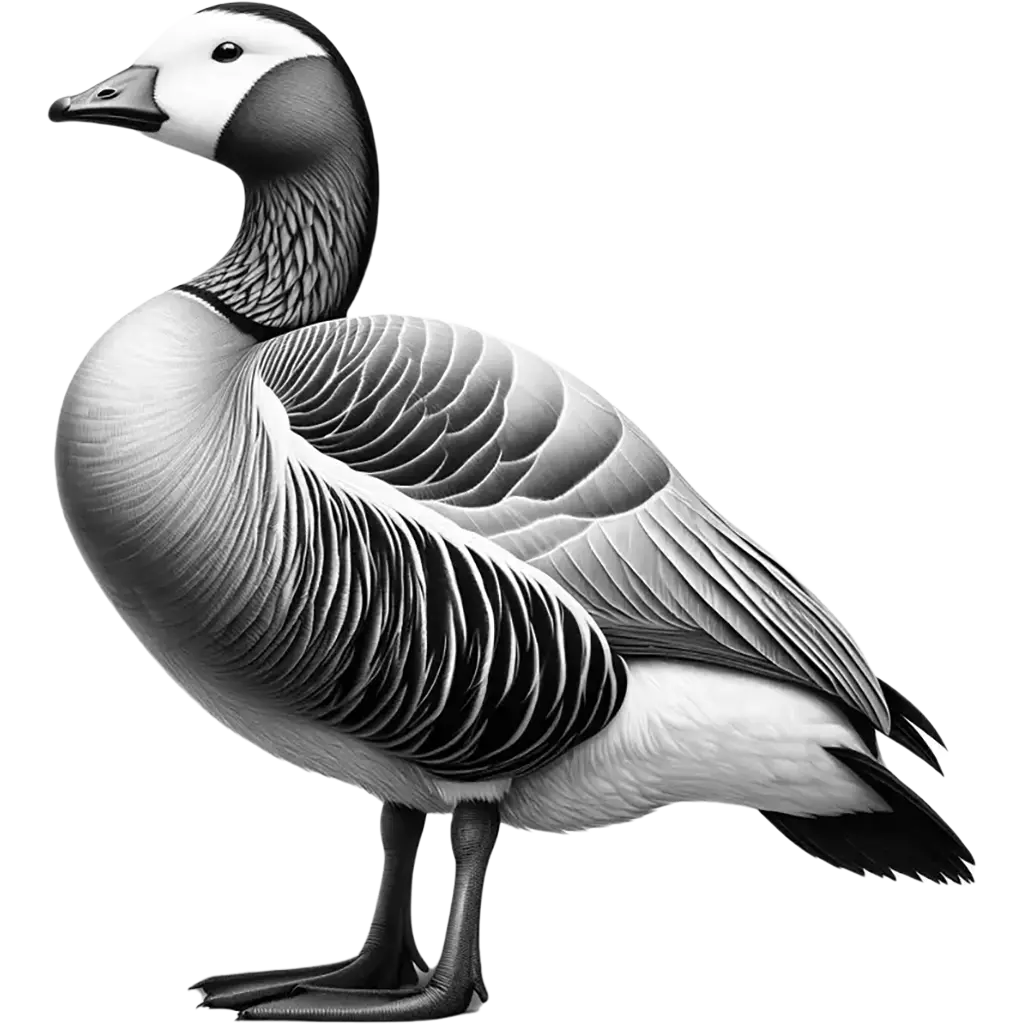
The Red-Breasted Goose, branta ruficollis, is a strikingly colored bird, renowned for its vibrant black, white, and rich chestnut plumage. This small goose measures about 53 to 56 cm in length, making it one of the more compact species within the goose family. Its most distinctive feature is the deep