
Corvus Corone
Carrion Crow
Wide range of habitats, including urban areas, farmland, woodland, and coastlines
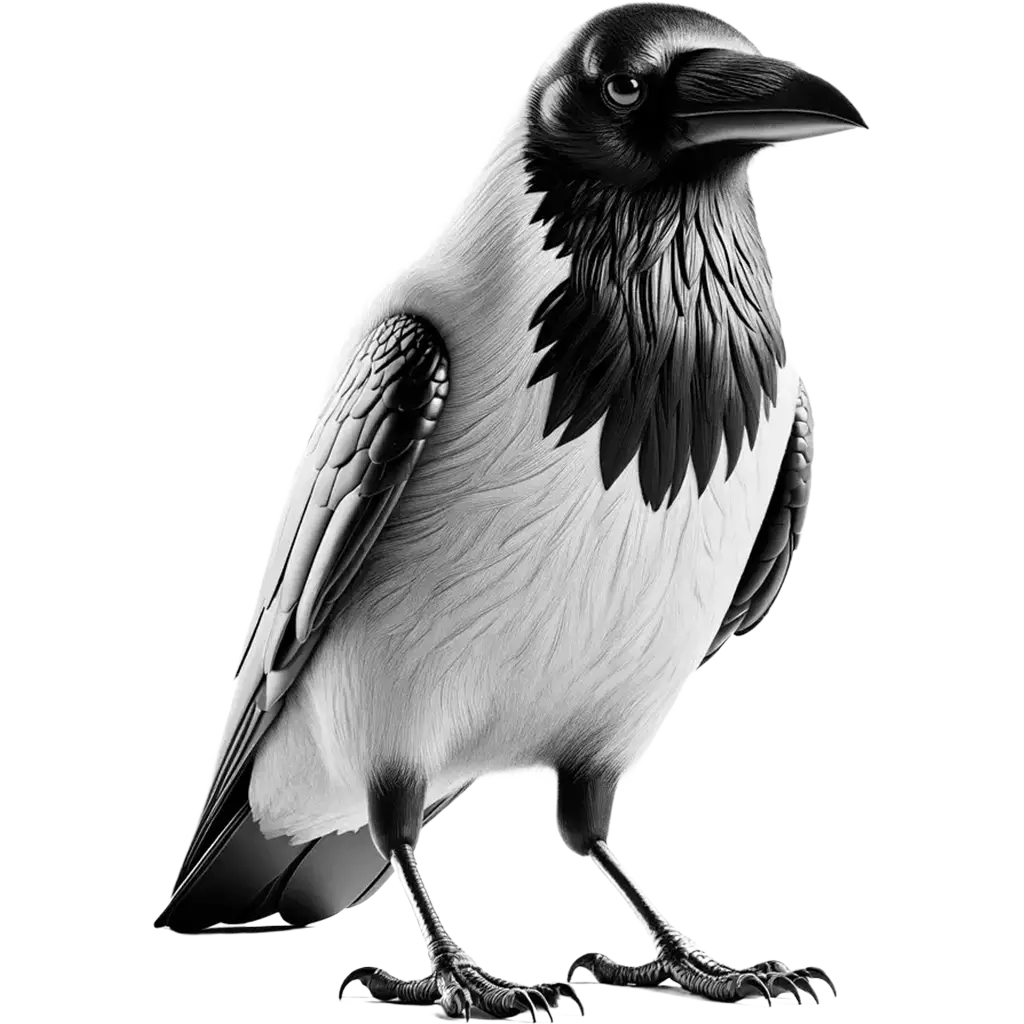
The Carrion Crow, corvus corone, stands out with its all-black plumage, which shimmers with iridescent tones of blue and green in sunlight. This bird is medium-sized, measuring approximately 48 to 52 cm in length, with a robust build and a strong, thick beak suited for its versatile diet. Its piercing eyes are particularly notable, reflecting a high level of intelligence and adaptability. The Carrion Crow's sleek and imposing appearance is complemented by powerful wings and sturdy legs, making it a dominant presence in its habitat.
| Population: | Widespread and abundant, not currently considered threatened |
| Generation Length: | 5 years |
| Average Weight: | Approximately 400-600 grams |
| Average Length: | 40-47 cm |
| Lifespan: | Up to 20 years in the wild |
| Diet: | Highly varied, includes both animal and plant matter |
| Conservation Status: | Least Concern (LC) |
The Carrion Crow exhibits remarkable adaptability, thriving in a wide range of environments from rural farmlands to urban areas. These birds are highly intelligent, displaying advanced problem-solving abilities and tool use, rare traits in the animal kingdom. Carrion Crows are mostly solitary or found in pairs, unlike their more gregarious relatives. Their complex social behaviors include the use of vocalizations and body language for communication. These crows are also known for their memory, capable of remembering human faces and places associated with danger or food sources.
Diet-wise, Carrion Crows are true omnivores, consuming a wide variety of food items. Their diet includes insects, worms, grain, fruits, small mammals, and carrion. In urban areas, they readily exploit garbage and food waste, showcasing their opportunistic feeding habits. This versatility in diet allows them to adapt to almost any environment, contributing to their success as a species. Carrion Crows also play an essential role in the ecosystem as scavengers, helping to clean up dead animals and organic waste.
Mating in Carrion Crows is monogamous, with pairs often remaining together for life. Their nesting sites are typically located in tall trees, where they construct large, sturdy nests made of twigs lined with softer materials. The breeding season sees both parents involved in egg incubation and feeding the young, demonstrating a strong parental investment which enhances the survival rates of their offspring.
The population of Carrion Crows is considered stable across their range, which covers much of Europe and parts of Asia. While they are adaptable and have thrived in areas affected by human activity, they face threats from habitat loss and pollution. Conservation efforts are less focused on this species due to their adaptability, but monitoring their health and numbers can provide valuable insights into environmental changes and the impact of urbanization on wildlife.
Classifications
The Key Attributes
Features
- Movement:
Flight
- Territorial Behavior:
Somewhat territorial, especially during breeding season
- Speed:
Not specifically quantified; capable of strong and agile flight
- Diet:
Omnivore
- Physical Features:
- Entirely black plumage
- Strong, black bill
- Strong legs and toes
- Slightly glossy sheen to feathers
- Primary Senses:
- Sight
- Hearing
- Smell
Understanding Habitat and Range
Geography
- Habitat:
Wide range of habitats, including urban areas, farmland, woodland, and coastlines
- Migration Patterns:
Largely sedentary, with some local movements
- Geographical Range:
Europe and eastern Asia
- Climate Preferences:
Adaptable to various climates
Navigating the Wilderness
In the wild
- Predators:
Larger birds of prey, cats, and humans
- Prey:
Varied, depending on food availability
- Feeding Behavior:
Feeds on a wide variety of foods, including insects, waste, carrion, seeds, and small animals
- Diet:
Highly varied, includes both animal and plant matter
- Defensive Mechanisms:
- Intelligence to avoid threats
- Aggression in defending territory or young
- Flying away from danger
- Preferred Food Sources:
- Insects
- Carrion
- Waste
- Seeds
Insights Into Reproduction
Mating
- Mating System:
Monogamous, often forming long-term pair bonds
- Number of Offspring:
3-6 eggs per clutch
- Incubation Period:
About 18-20 days
- Parental Involvement:
- Both parents share in feeding and caring for the young
Youngsters Section
Carrion Crow
Fun Fact
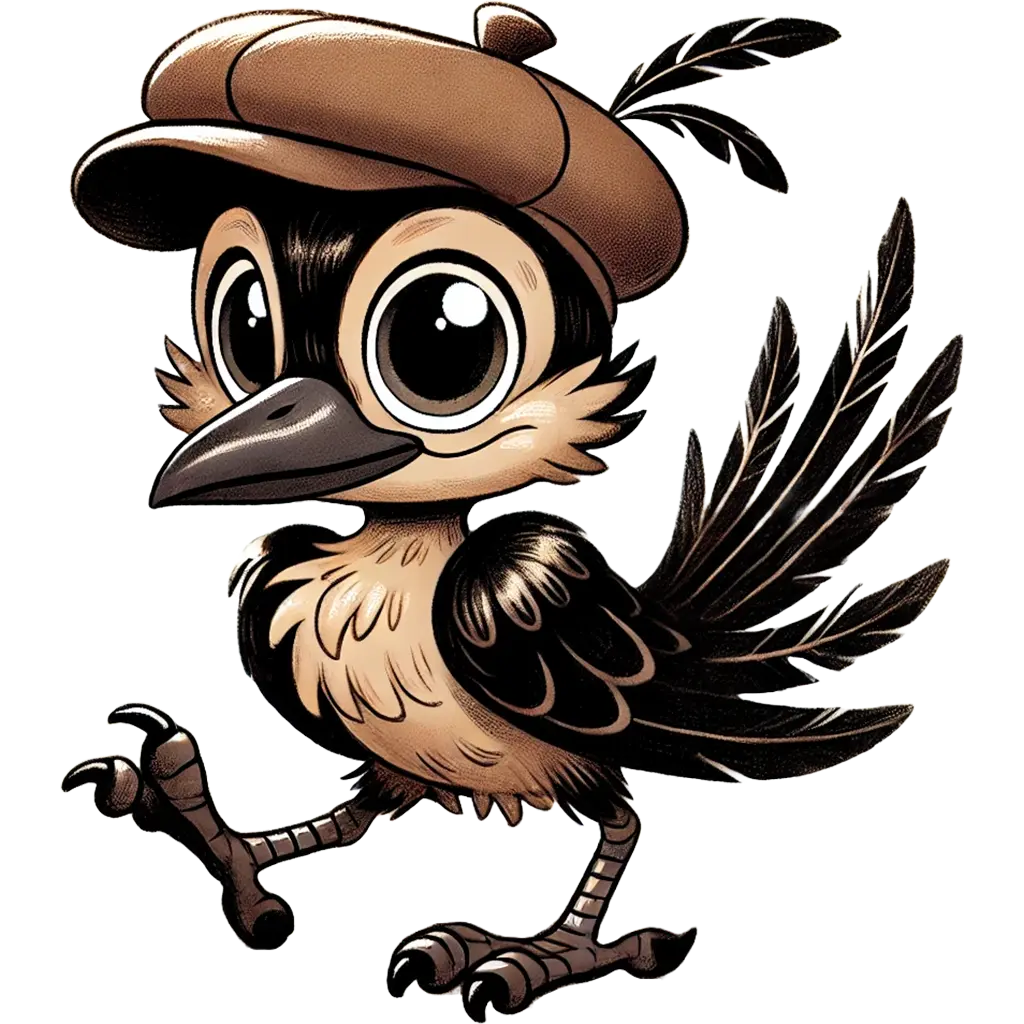
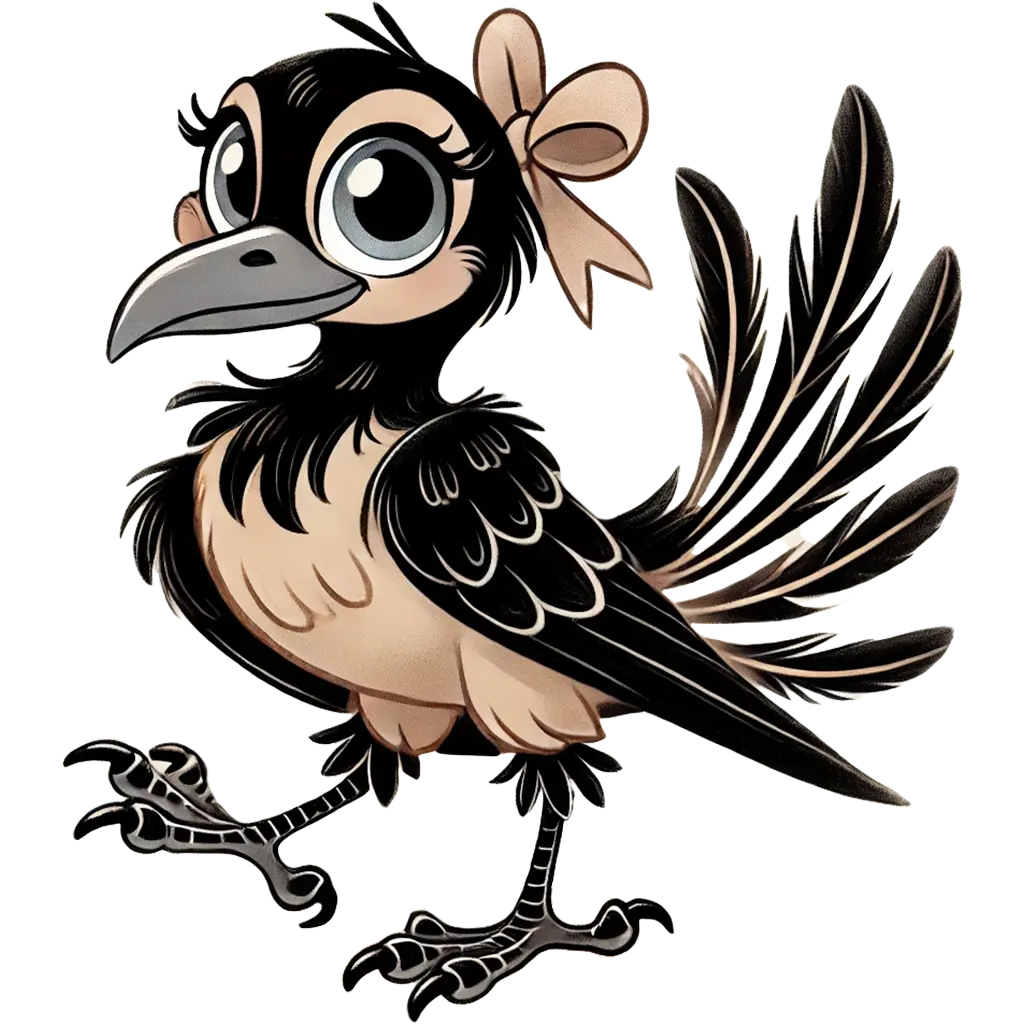
Carrion crows are highly intelligent birds known for their problem-solving skills and adaptability.
They can recognize human faces and remember those who've posed threats to them. These crows also use tools, like sticks, to access food. Their intelligence is comparable to that of a seven-year-old child, showcasing remarkable cognitive abilities within the animal kingdom.

Download word search puzzles
Word Search Puzzles
Check Out Other Birds
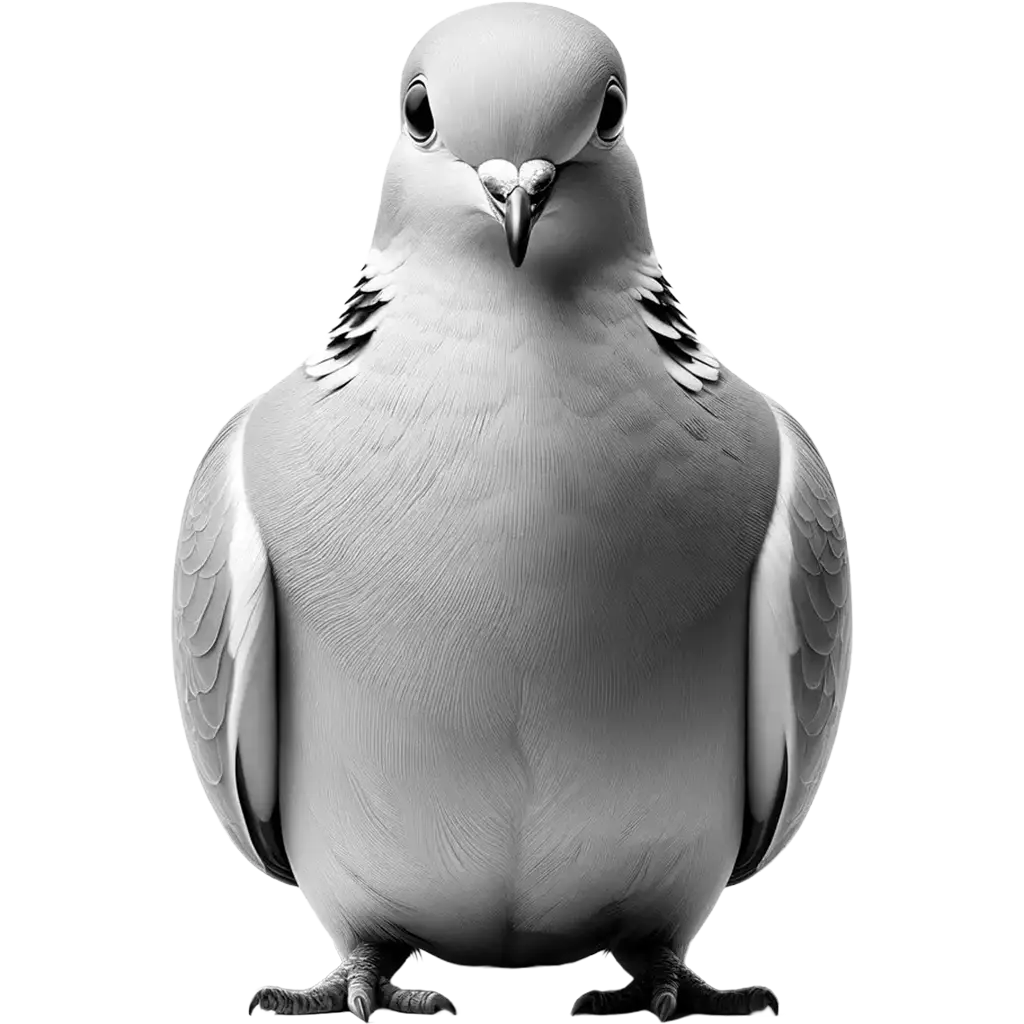
The Common Wood Pigeon, columba palumbus, is a large species of pigeon that is widespread across Europe, western Asia, and North Africa. It is easily recognizable by its size, measuring 38 to 44 cm in length and weighing between 300 to 600 grams, making it one of the larger pigeons
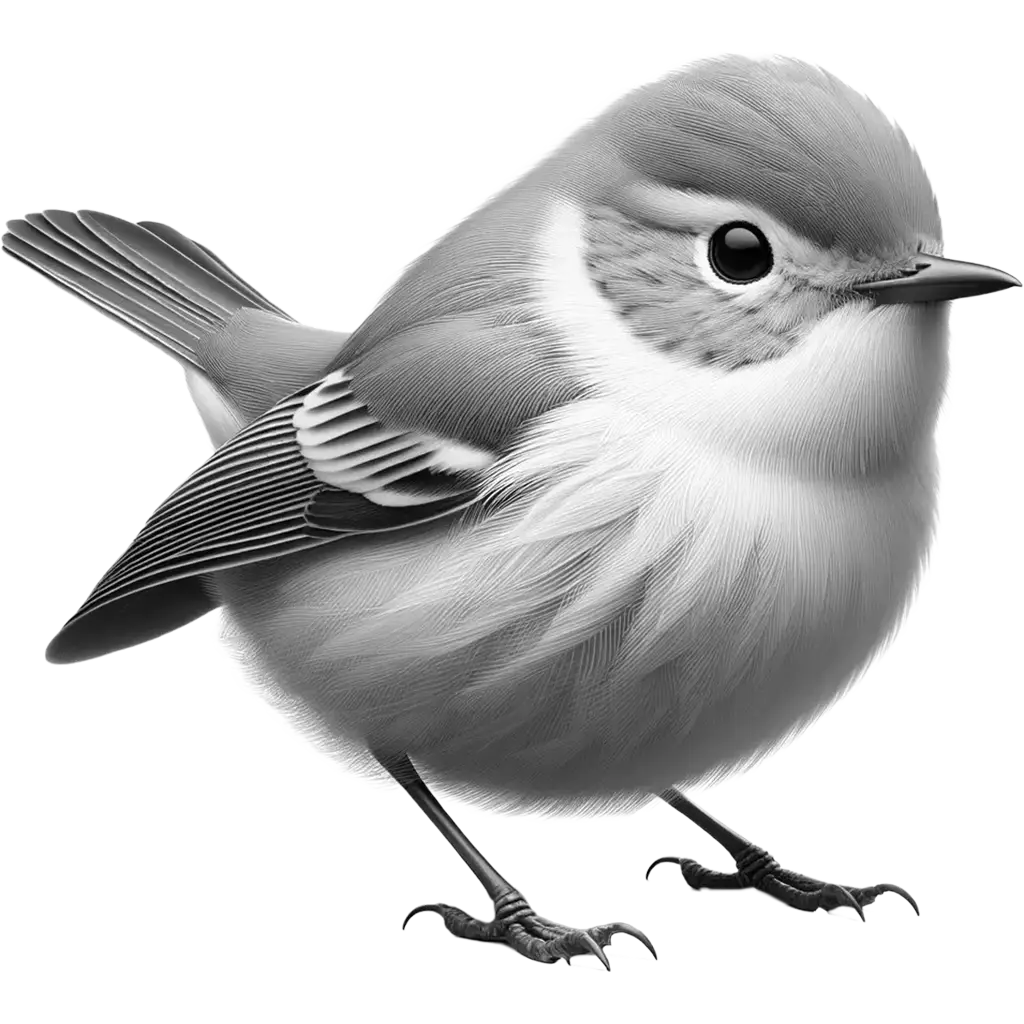
The Pink-Headed Warbler, cardellina versicolor, is a strikingly beautiful bird, notable for its vibrant pink head and chest that contrast sharply with its dark red body. This small bird, measuring approximately 13 to 14 cm in length, possesses a unique coloration among warblers, making it a sought-after species for birdwatchers.
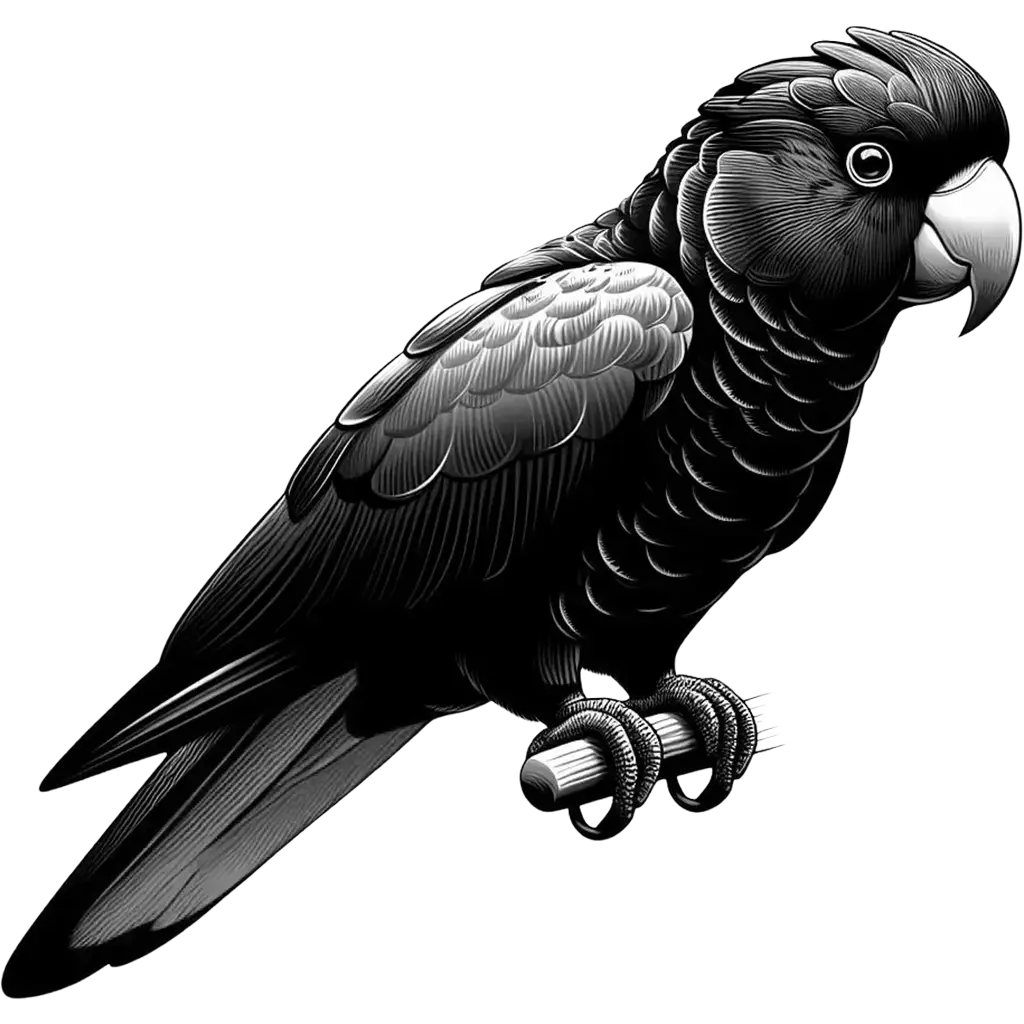
The Red-Tailed Black Cockatoo, calyptorhynchus banksii, is a large, striking bird native to Australia, known for its glossy black plumage and distinctive red tail panels. Adult males boast a bold black color with a bright red band across the tail feathers, while females and juveniles display a more varied plumage
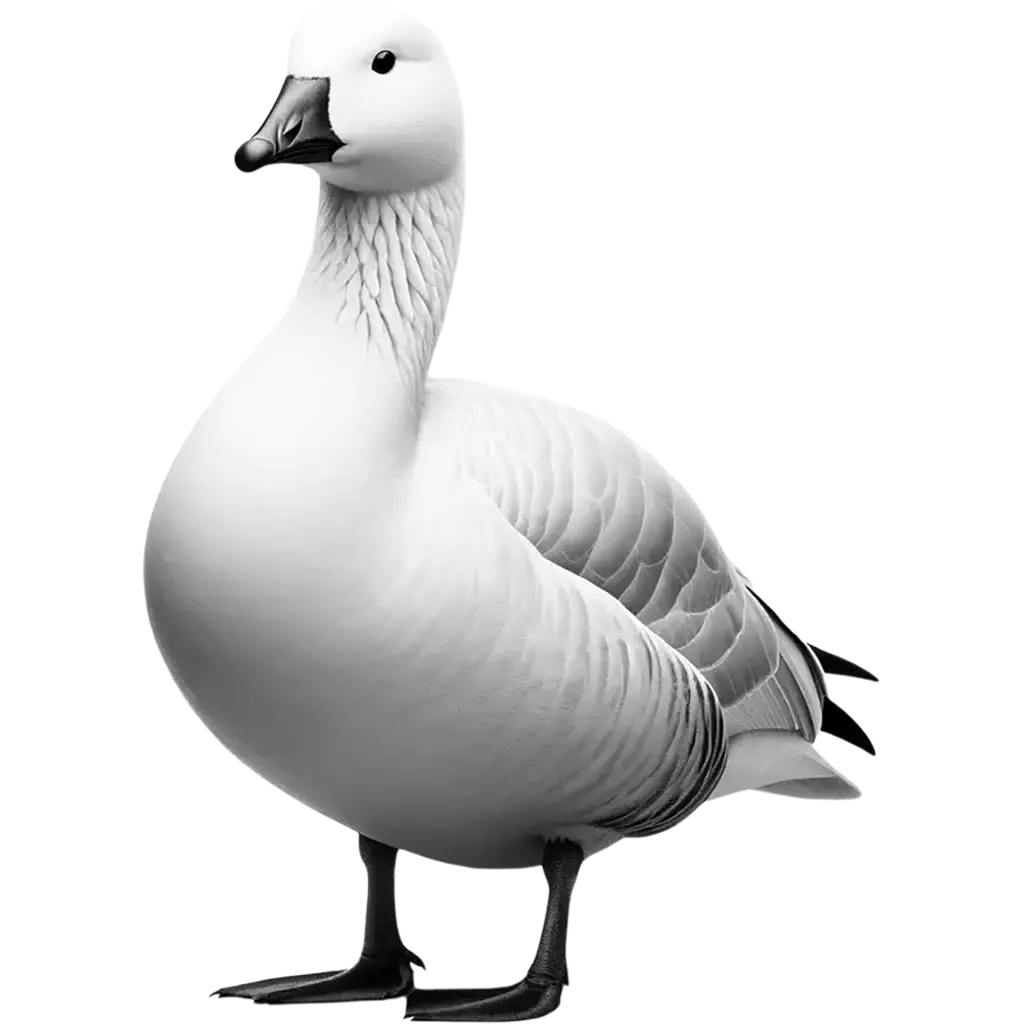
Ross's Goose, anser rossii, is a small white goose native to North America, distinguishable by its short neck and compact body. Measuring 53 to 66 cm in length and weighing between 1 to 1.6 kg, it is one of the smallest geese in its range. The species is characterized by