
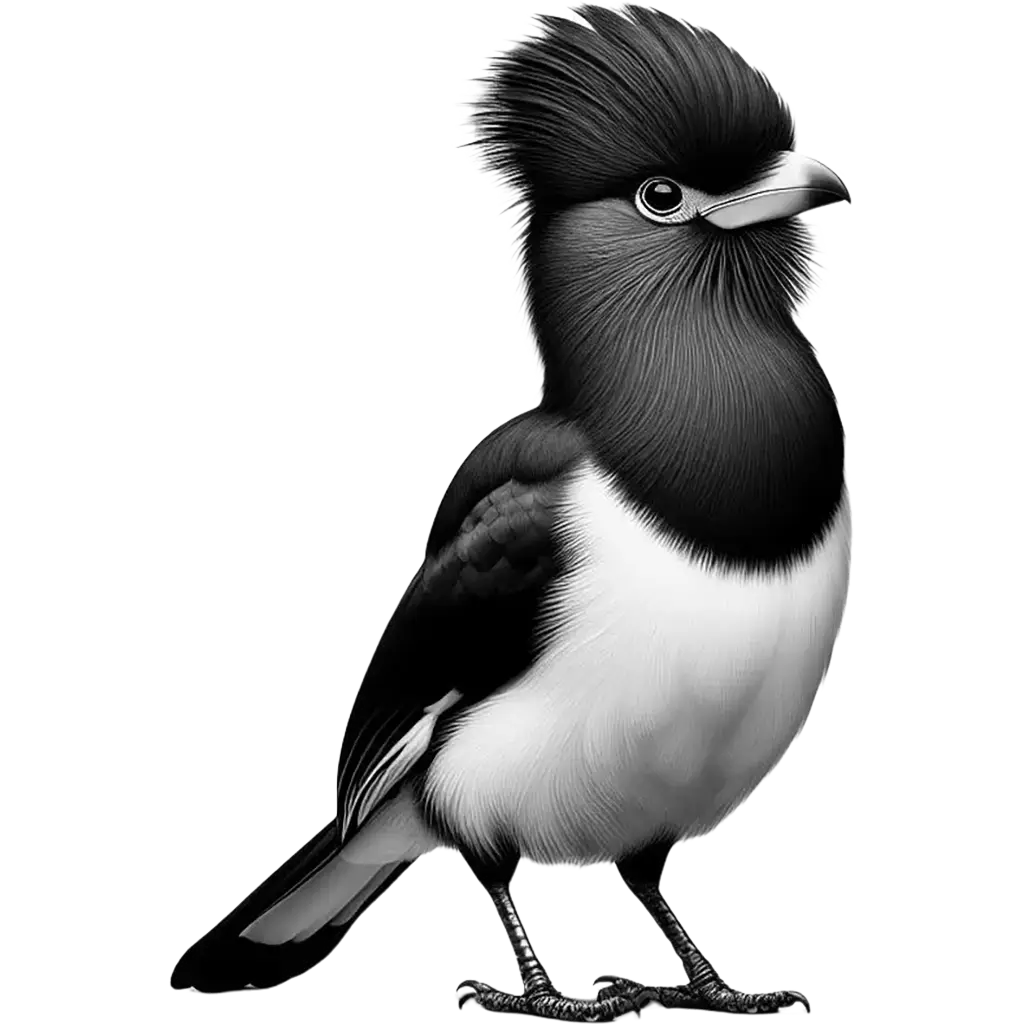
Tauraco Corythaix
Knysna Turaco
Dense forests and woodlands, particularly along riverine areas
The Knysna Turaco, tauraco corythaix, is a vibrant and elusive bird, native to the dense forests and woodlands of southern Africa, particularly along the Garden Route in South Africa. Distinguished by its striking green plumage, which blends seamlessly into the forest canopy, this bird features a prominent crest on its head, and its wings, when spread, reveal a vivid crimson color, thanks to the unique pigmentation of the turaco family. Adults typically measure around 40 to 42 cm in length, including their long tails, which contribute to their graceful flight.
| Population: | Considered stable, but dependent on forest habitat which is under pressure from human activity |
| Generation Length: | 4-5 years |
| Average Weight: | 200-315 grams |
| Average Length: | 40-42 cm, including the tail |
| Lifespan: | Up to 10-15 years in the wild |
| Diet: | Primarily frugivorous |
| Conservation Status: | Least Concern (LC) |
Knysna Turacos are arboreal and spend the majority of their time in the treetops, foraging for fruits, berries, and occasionally insects, leaves, and buds. Their diet primarily consists of fruits, making them important seed dispersers in their ecosystem. They are known for their loud and distinctive calls, which echo through the forests, especially during the early mornings and late afternoons.
Socially, Knysna Turacos are often seen in pairs or small family groups and exhibit strong territorial behavior, especially during the breeding season. They construct their nests in the forks of trees, where the female lays 2 to 3 eggs. Both parents share the responsibilities of incubation and feeding the chicks, showcasing a cooperative breeding behavior.
The breeding season varies slightly depending on the region but generally coincides with the availability of fruit, ensuring that there is ample food for the raising of their young. The nest is relatively simple, built from twigs and leaves, and is often reused or renovated each year.
The population of the Knysna Turaco is currently stable, with no immediate threats of decline. However, habitat destruction and fragmentation pose potential risks, emphasizing the need for continued conservation efforts to preserve the forests they inhabit. Their presence is a sign of a healthy, biodiverse ecosystem, making them a key species for conservation in southern Africa.
Classifications
The Key Attributes
Features
- Movement:
Flying, hopping through trees
- Territorial Behavior:
Somewhat territorial, particularly during breeding season
- Speed:
Not specifically quantified; agile flier within forest canopies
- Diet:
Herbivore
- Physical Features:
- Bright green plumage with a blue-purple crest
- Red wing coverts, visible in flight
- Strong, curved bill for eating fruits
- Long tail and robust body
- Primary Senses:
- Sight
- Hearing
Understanding Habitat and Range
Geography
- Habitat:
Dense forests and woodlands, particularly along riverine areas
- Migration Patterns:
Generally sedentary with some local movements for food
- Geographical Range:
Endemic to the southern parts of South Africa, especially in the Garden Route region
- Climate Preferences:
Prefers areas with high rainfall and dense vegetation
Navigating the Wilderness
In the wild
- Predators:
Predation mainly from birds of prey and snakes
- Prey:
Fruits from a variety of forest trees and shrubs
- Feeding Behavior:
Feeds primarily on fruits, as well as leaves, flowers, and occasionally insects
- Diet:
Primarily frugivorous
- Defensive Mechanisms:
- Camouflage within the forest canopy
- Flight into dense foliage to escape predators
- Preferred Food Sources:
- A wide range of forest fruits, supplemented with leaves and flowers
Insights Into Reproduction
Mating
- Mating System:
Monogamous
- Number of Offspring:
2-3 eggs per clutch
- Incubation Period:
About 22-24 days
- Parental Involvement:
- Both parents share in incubating the eggs and feeding the chicks
Youngsters Section
Knysna Turaco
Fun Fact
The Knysna Turaco is known for its vivid green plumage and striking red wing feathers.
This bird's green coloration comes from a unique pigment called turacoverdin, found only in certain bird species. Its call resembles a monkey's bark, making it a lively presence in South Africa's forests. The red feathers, visible during flight, add to its vibrant appearance.

Download word search puzzles
Word Search Puzzles
Check Out Other Birds
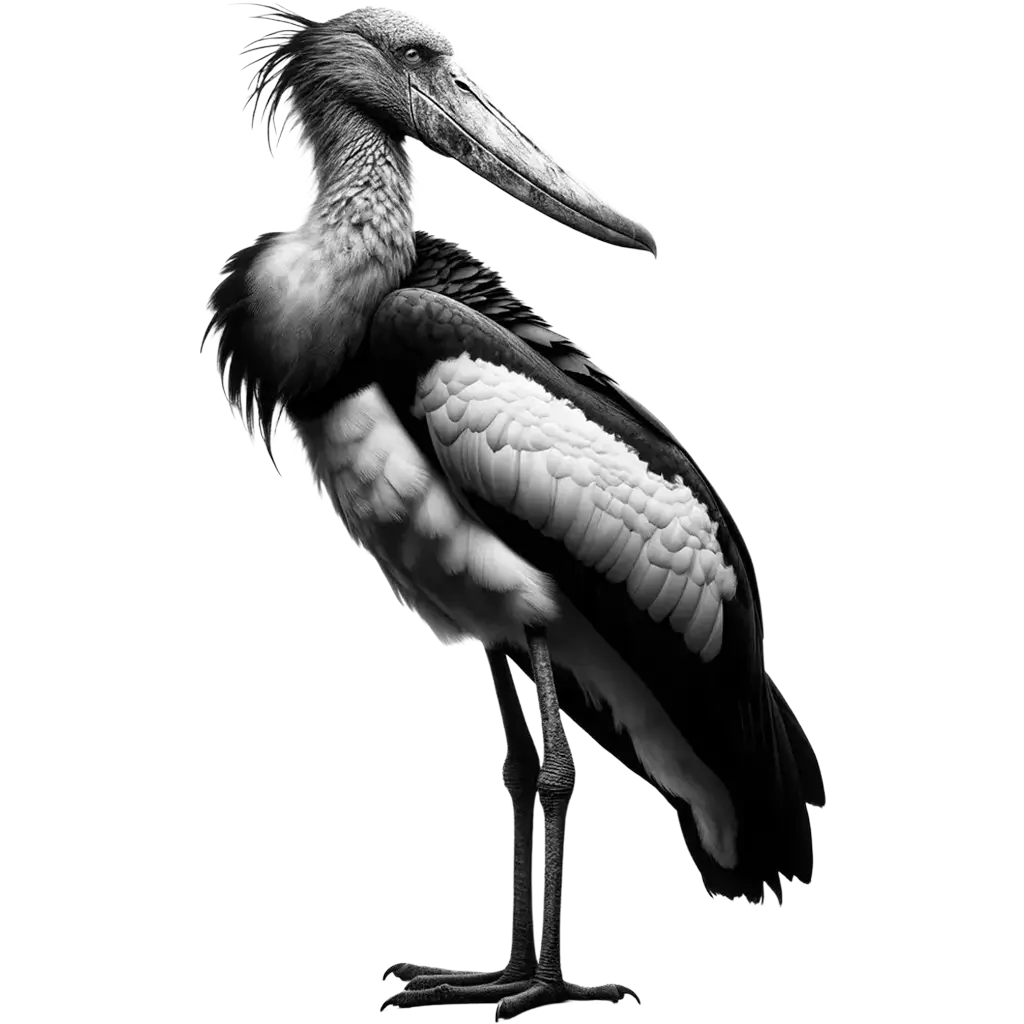
The Greater Adjutant, leptoptilos dubius, is a large stork standing at an impressive height of up to 1.5 meters with a wingspan reaching 2.5 meters. Its appearance is distinctive with a bald head and neck, a heavy bill, and a predominantly dark grey plumage, except for the white underparts. The
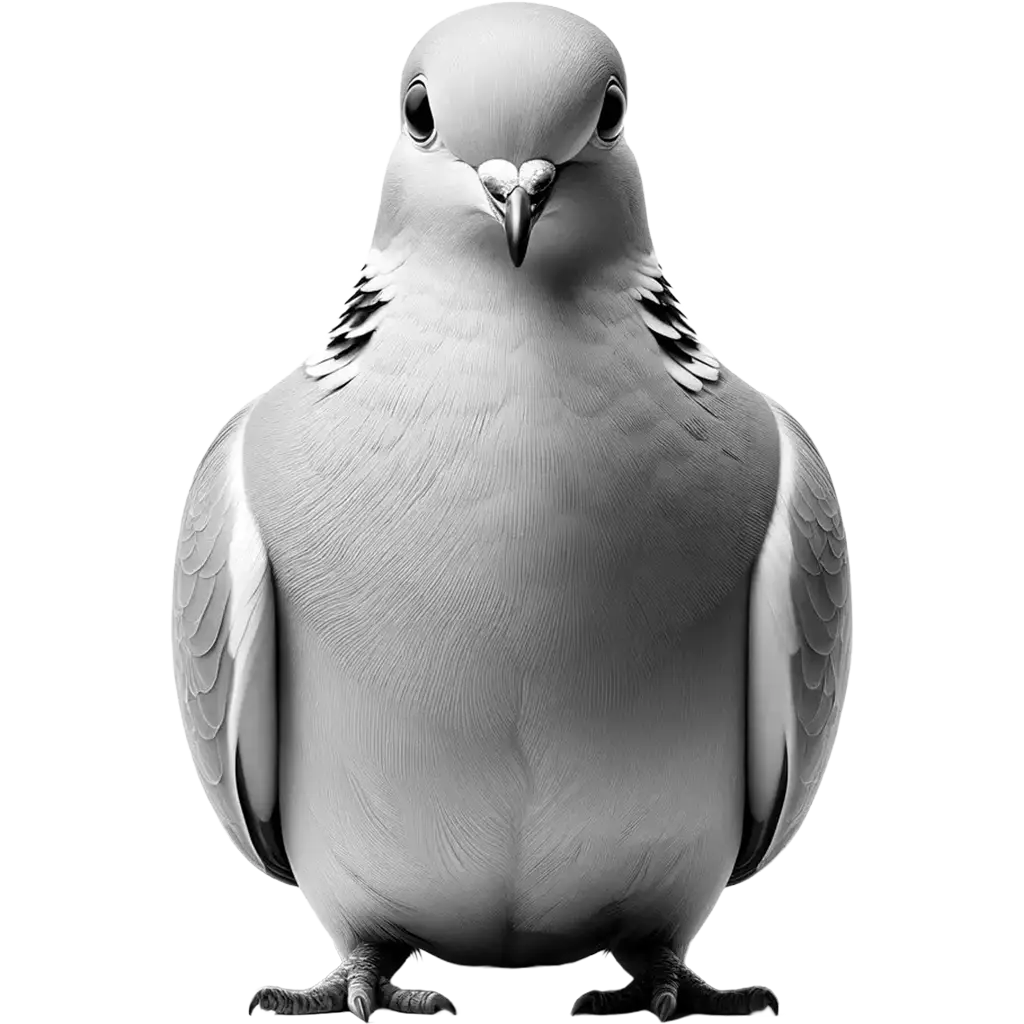
The Common Wood Pigeon, columba palumbus, is a large species of pigeon that is widespread across Europe, western Asia, and North Africa. It is easily recognizable by its size, measuring 38 to 44 cm in length and weighing between 300 to 600 grams, making it one of the larger pigeons
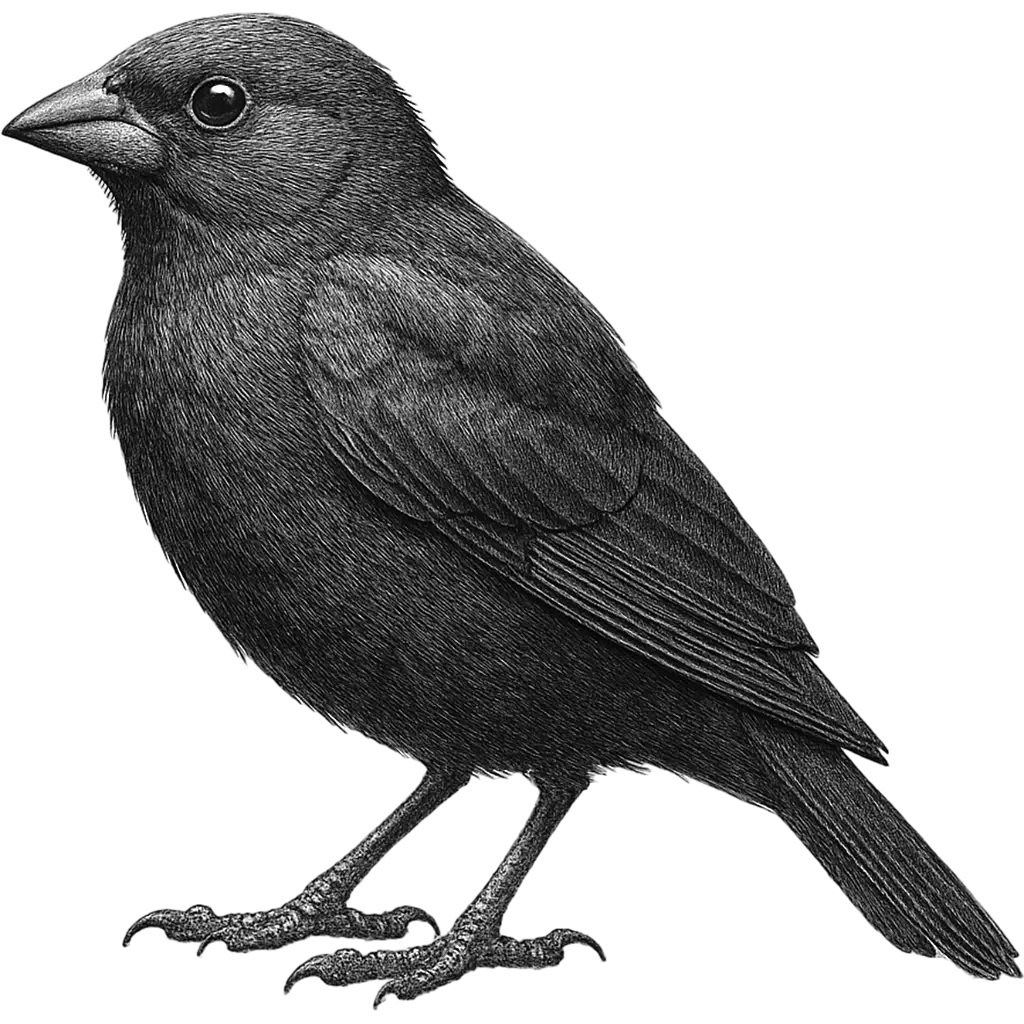
The Screaming Cowbird has glossy, mildly iridescent black plumage covering its head, back, and underparts, contrasted by distinct rufous underwing coverts visible in flight. Its slender body measures between 18 and 21 centimeters in length, supported by long, sturdy legs and black feet. The bird's short, conical bill is dark

The Little Egret, egretta garzetta, is a small, graceful heron renowned for its brilliant white plumage, slender black bill, and long black legs, with distinctive yellow feet. Measuring approximately 55 to 65 cm in length with a wingspan of 88 to 106 cm, this bird possesses an elegant neck and