
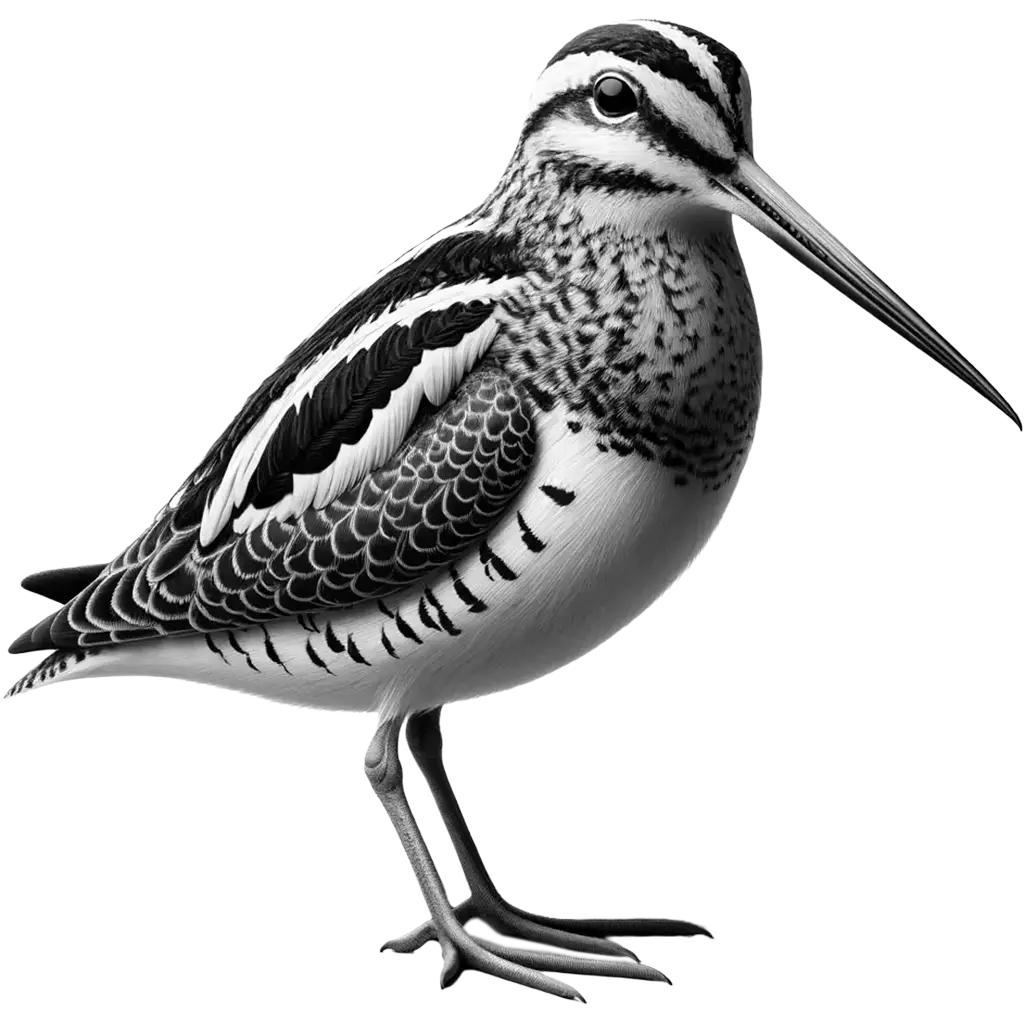
Lymnocryptes Minimus
Jack Snipe
Wet meadows, marshes, and the edges of water bodies
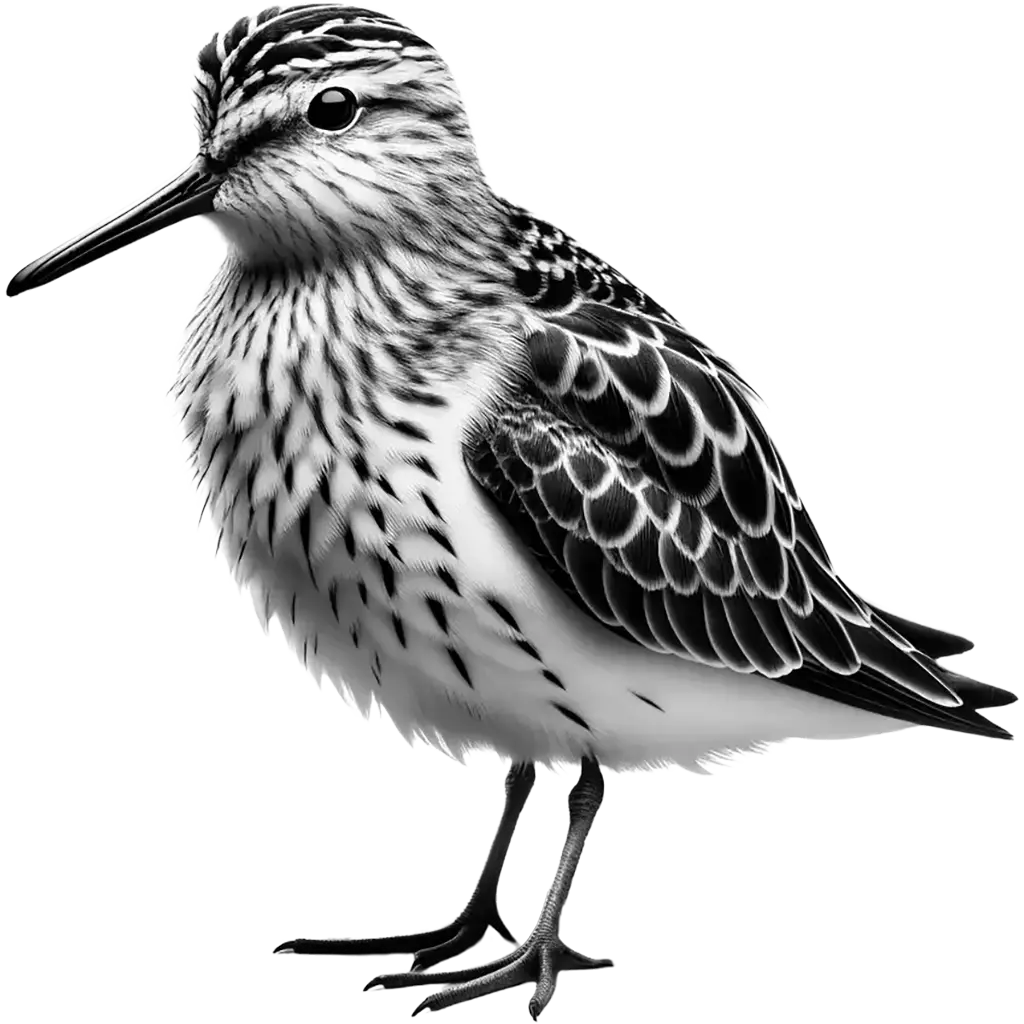
The Jack Snipe, lymnocryptes minimus, is a small, elusive wader known for its distinctive bobbing motion, often likened to a sewing machine in action. It is the smallest snipe in its range, measuring about 18 to 20 cm in length, with a wingspan of 32 to 35 cm, and weighing around 40 to 70 grams. Its plumage is cryptically colored to blend into its marshy and boggy habitat, featuring dark brown upperparts with a complex pattern of stripes and bars, and paler, buff underparts. The short, straight bill and the lack of a white trailing edge on the wings during flight distinguish it from its larger cousin, the Common Snipe.
| Population: | Considered to be of Least Concern, with stable populations across its range |
| Generation Length: | 4 years |
| Average Weight: | Approximately 30-60 grams |
| Average Length: | 18-20 cm |
| Lifespan: | Up to 10 years in the wild |
| Diet: | Invertebrates found in wet soil or mud |
| Conservation Status: | Least Concern (LC) |
Jack Snipes are solitary and secretive birds, preferring to hide rather than fly when approached. Their habitat includes marshes, wet meadows, and boggy ground across Europe and northern Asia in summer, migrating to southern Europe, Africa, and southern Asia for winter. Despite their small size, they undertake significant migratory journeys, showcasing remarkable endurance.
Their diet primarily consists of invertebrates, including insects, earthworms, and small mollusks, which they find in the mud with their sensitive bills. This probing feeding technique allows them to detect and extract prey hidden below the surface, a skill that is crucial for survival in their wetland habitats.
Breeding typically occurs from late April to May, with the Jack Snipe laying 3 to 4 eggs in a well-hidden nest on the ground, often in dense vegetation. Both parents are involved in the care of the young, which are precocial and able to leave the nest shortly after hatching, although only the female incubates the eggs.
The population of the Jack Snipe is considered stable, though it faces threats from habitat loss due to drainage of wetlands and changes in agricultural practices. Conservation efforts to protect and restore their natural habitats are essential for ensuring the continued survival of this species. Despite its widespread range and stable population, the Jack Snipe remains one of the least understood waders, partly due to its secretive nature and the challenges of studying it in its preferred habitat.
Classifications
The Key Attributes
Features
- Movement:
Flying, wading, and walking
- Territorial Behavior:
Solitary or in small groups outside of breeding season
- Speed:
Not specifically quantified; capable of rapid, erratic flight when flushed
- Diet:
Carnivore, primarily feeding on invertebrates
- Physical Features:
- Small size with a short bill
- Camouflaged plumage with brown, black, and buff stripes
- Short legs
- Characteristically bobs up and down when feeding
- Primary Senses:
- Sight
- Touch (bill sensitivity)
Understanding Habitat and Range
Geography
- Habitat:
Wet meadows, marshes, and the edges of water bodies
- Migration Patterns:
Migratory, breeding in northern Europe and Asia, wintering in southern Europe, Africa, and southern Asia
- Geographical Range:
Breeds in northern Europe and Asia; winters in southern Europe, Africa, and southern Asia
- Climate Preferences:
Prefers temperate climates during breeding and milder climates in winter
Navigating the Wilderness
In the wild
- Predators:
Birds of prey, foxes, and larger wading birds
- Prey:
Insects, worms, and other small invertebrates
- Feeding Behavior:
Probes soft mud with its bill to find invertebrates
- Diet:
Invertebrates found in wet soil or mud
- Defensive Mechanisms:
- Excellent camouflage
- Remains motionless to avoid detection
- Erratic flight to escape predators
- Preferred Food Sources:
- Soft mud and wet soil rich in invertebrates
Insights Into Reproduction
Mating
- Mating System:
Monogamous
- Number of Offspring:
Usually 4 eggs per clutch
- Incubation Period:
About 18-21 days
- Parental Involvement:
- Female primarily responsible for incubation; both parents may care for the young
Youngsters Section
Jack Snipe
Fun Fact
Jack Snipe is a small, elusive bird known for its unique bobbing motion when feeding on the ground.
This bird's distinct behavior, often called "sewing machine" action, helps it blend into its marshy habitat, making it hard for predators to spot. Unlike other snipes, it rarely flushes into flight when disturbed, relying on its camouflage to stay hidden. Its cryptic plumage and secretive nature make it a challenging species to observe in the wild.

Download word search puzzles
Word Search Puzzles


Check Out Other Birds
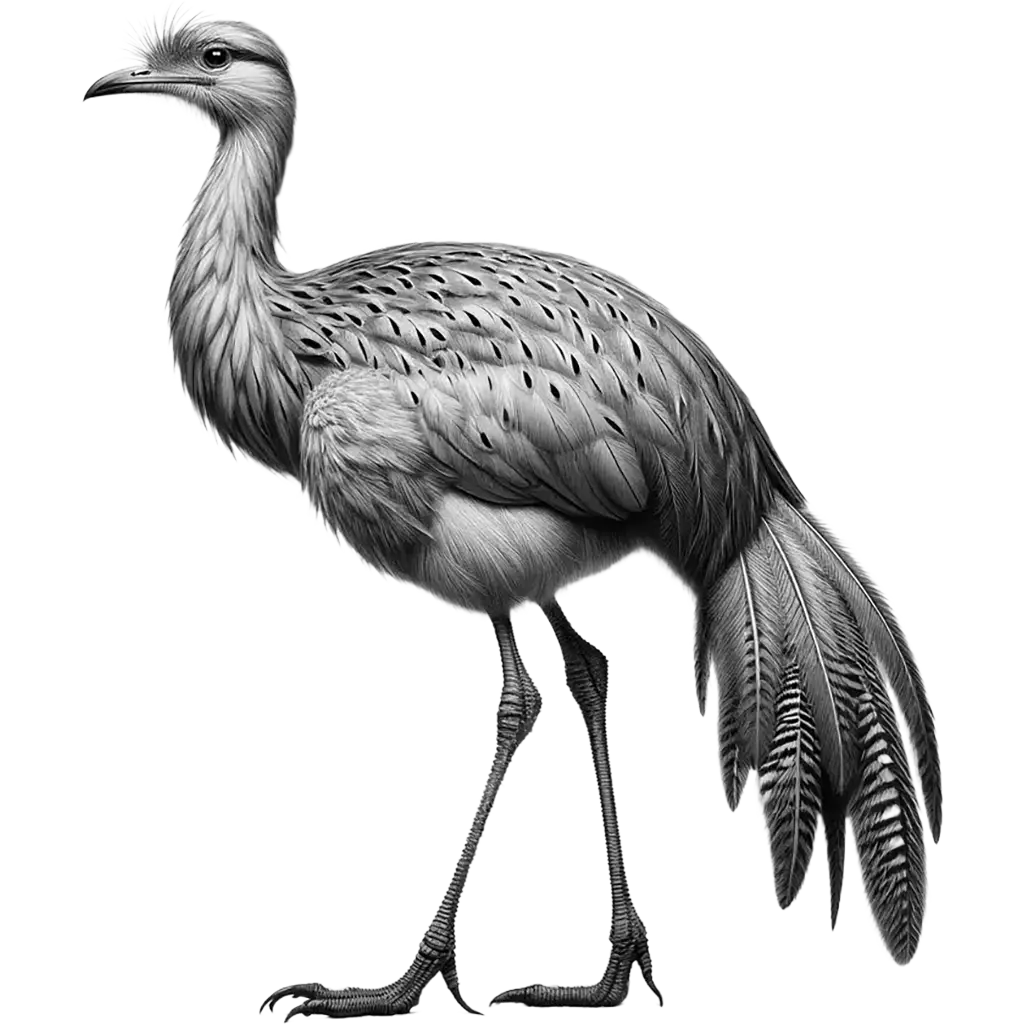
The Black-Legged Seriema, chunga burmeisteri, is a distinctive bird native to South America, particularly found in the dry woodlands and grasslands of northern Argentina, Paraguay, Bolivia, and Brazil. This species is characterized by its slender build, long legs, and predominantly grey plumage, which is complemented by striking black flight feathers
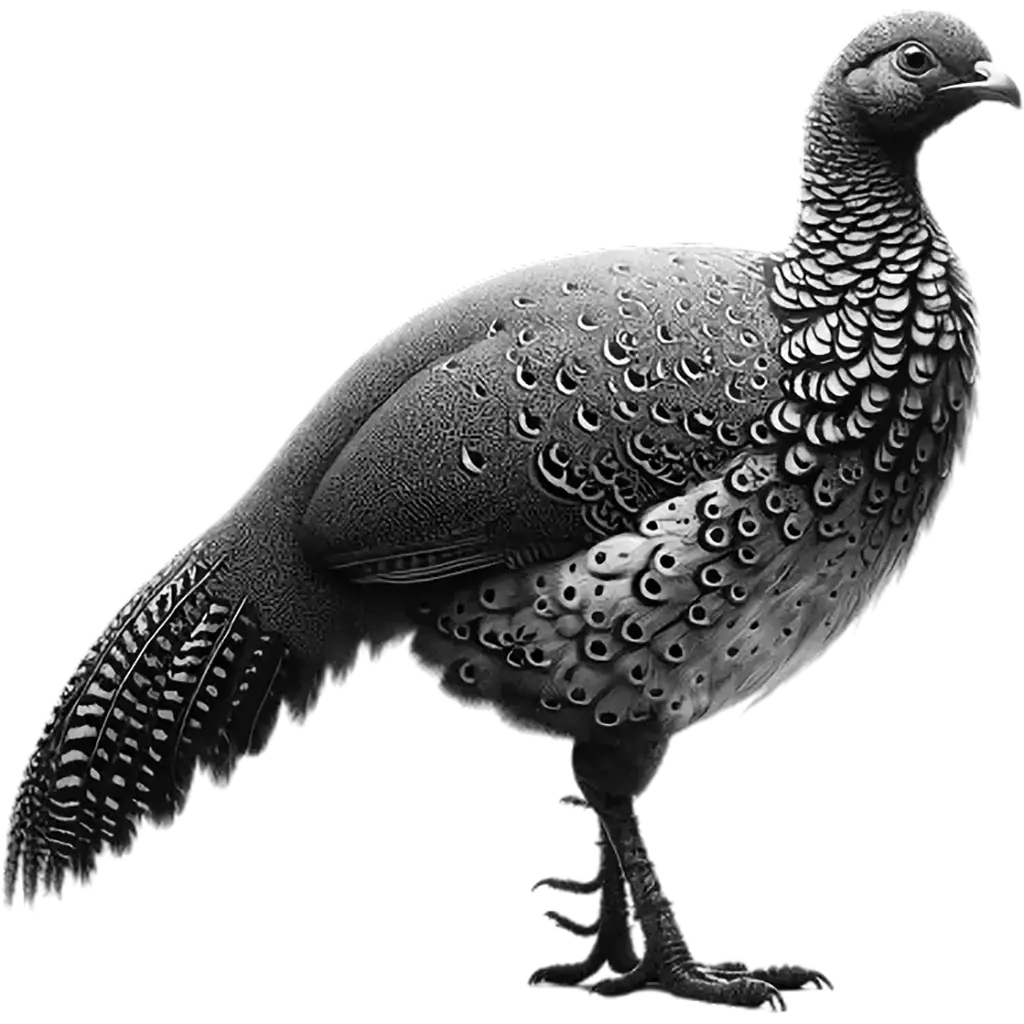
The Malayan Peacock-Pheasant, polyplectron malacense, is a stunning bird species native to the forests of Peninsular Malaysia. Characterized by its relatively small size, with males reaching about 50 to 65 cm in length including the tail, and weighing approximately 450 to 700 grams. The males are particularly noted for their
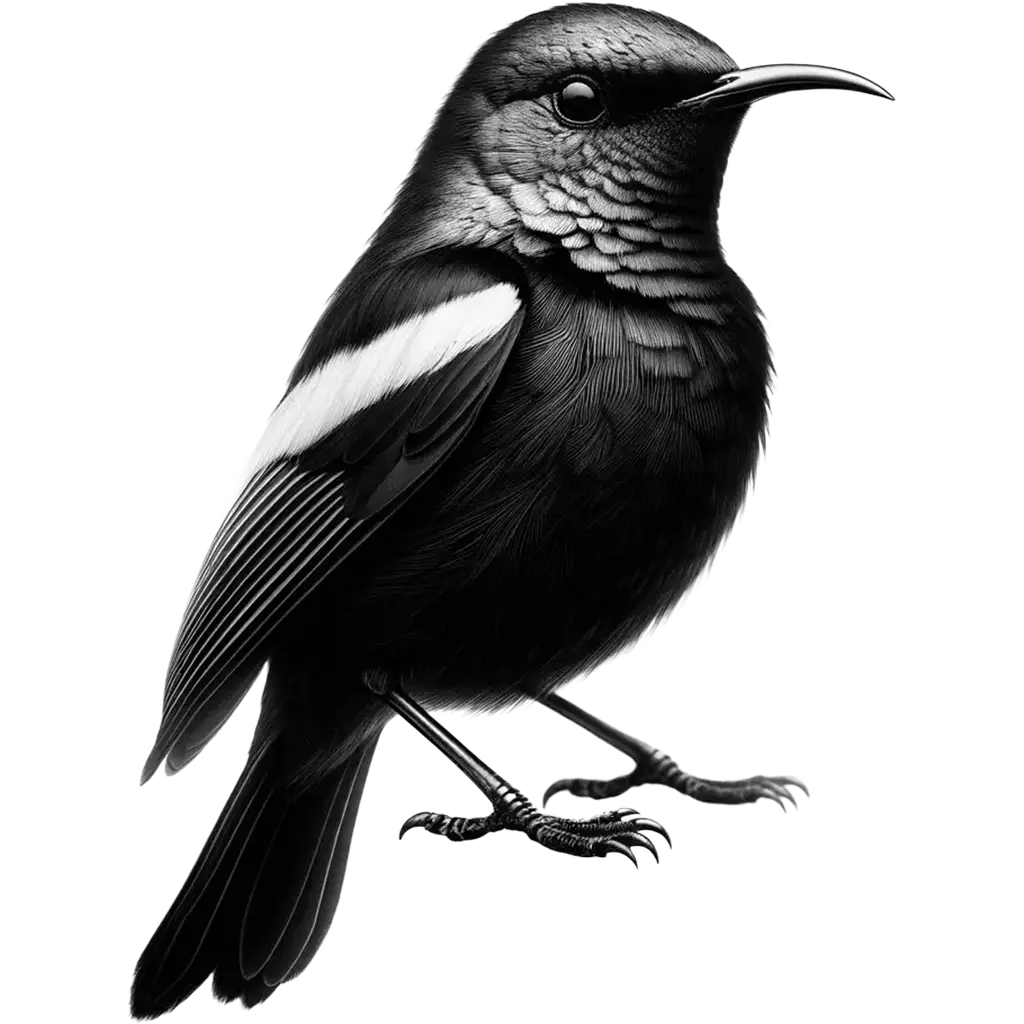
The Nile Valley Sunbird, hedydipna metallica, is a dazzling, small bird species known for its iridescent plumage and energetic behavior. Males are particularly striking, with metallic green feathers covering their head and back, contrasting beautifully with their dark, forked tails and the bright yellow underparts. Females and juveniles have a
The Pectoral Sandpiper, calidris melanotos, is a medium-sized shorebird distinguished by its streaked brown upperparts and white underparts, sharply divided by a distinctive brown breast band. This migratory bird measures approximately 21 to 23 cm in length, with a wingspan of 46 to 57 cm, and is characterized by its