
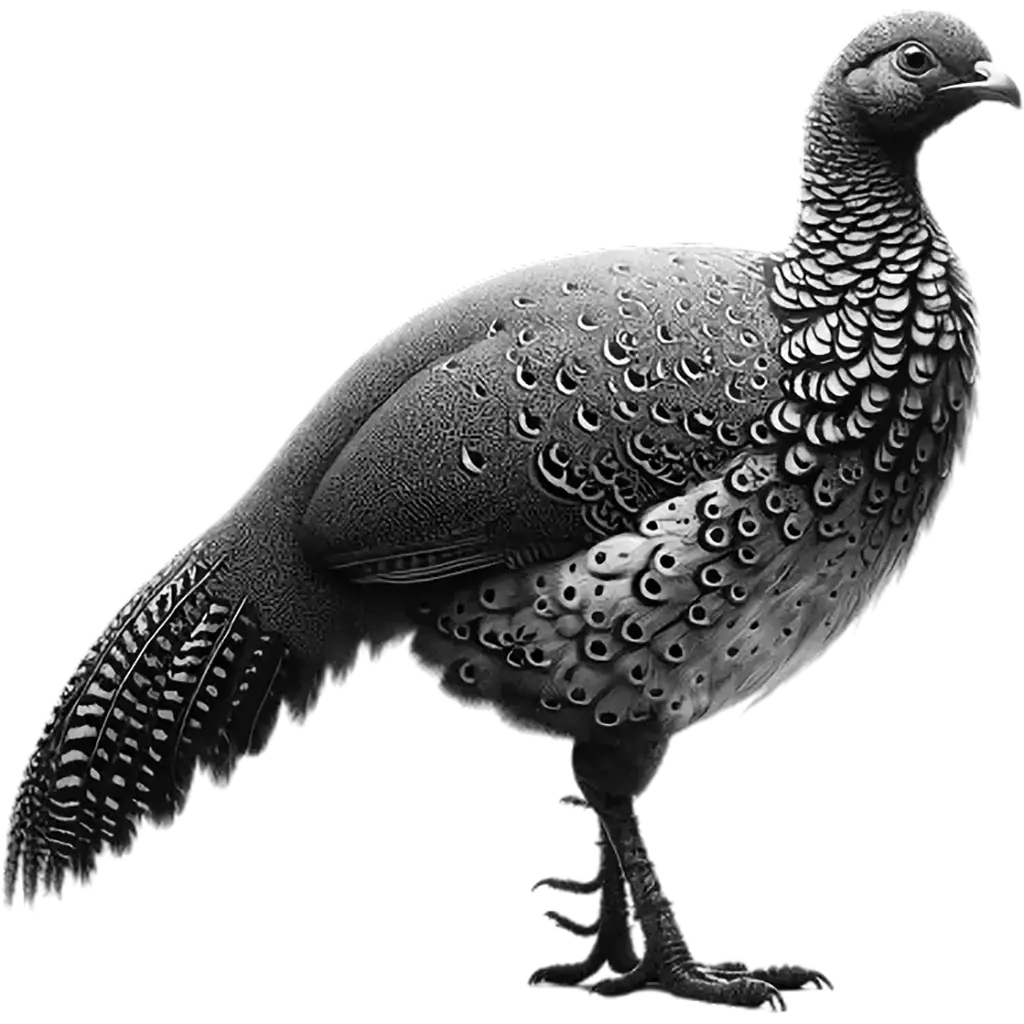
Polyplectron Malacense
Malayan Peacock-Pheasant
Lowland and hill forests, primarily in tropical rainforest areas
The Malayan Peacock-Pheasant, polyplectron malacense, is a stunning bird species native to the forests of Peninsular Malaysia. Characterized by its relatively small size, with males reaching about 50 to 65 cm in length including the tail, and weighing approximately 450 to 700 grams. The males are particularly noted for their vibrant plumage, featuring an array of iridescent blue and green 'eyes' on their tail feathers, reminiscent of a peacock's. Their body coloration is a mix of dark brown and black, finely speckled with white, and they have a crest of short, curly feathers on their head. Females are less colorful, with more subdued brown and cream plumage, lacking the ornate tail 'eyes' of the males.
| Population: | Listed as Vulnerable due to habitat loss and hunting |
| Generation Length: | 5-6 years |
| Average Weight: | Approximately 450-500 grams |
| Average Length: | 40-50 cm |
| Lifespan: | Up to 10-15 years in the wild |
| Diet: | Varied, including plant material and small animals |
| Conservation Status: | Endangered (EN) |
Malayan Peacock-Pheasants are elusive and predominantly terrestrial birds that prefer the dense undergrowth of lowland and hill forests, where they can be found foraging for food on the forest floor. They are known for their secretive nature, making them difficult to spot in their natural habitat. Despite their shy demeanor, males display elaborate courtship rituals, fanning their spectacular tails and strutting to attract females.
Their diet is omnivorous, consisting of insects, seeds, berries, and small animals, which they forage from the forest floor. This diverse diet allows them to thrive in the rich biodiversity of the Malaysian forests, contributing to the ecological balance by dispersing seeds and controlling insect populations.
Reproduction in the Malayan Peacock-Pheasant involves the construction of a simple nest on the ground, where the female lays one to two eggs. The incubation and rearing of the chicks are primarily the responsibility of the female, with the chicks being precocial and able to leave the nest shortly after hatching. The breeding season is not well defined, potentially occurring at various times throughout the year depending on environmental conditions.
The population of the Malayan Peacock-Pheasant is currently classified as Vulnerable by the IUCN, with habitat loss due to deforestation and human encroachment being the primary threats to their survival. Conservation efforts are essential to protect their natural habitats and ensure the survival of this exquisite bird species. Their presence in the wild is a testament to the rich biodiversity of Malaysia's forests and the urgent need for conservation action to protect these ecosystems.
Classifications
The Key Attributes
Features
- Movement:
Walking, short flights
- Territorial Behavior:
Territorial during breeding season
- Speed:
Not specifically quantified; known for being more terrestrial and preferring to run or walk
- Diet:
Omnivore
- Physical Features:
- Medium size with a long tail
- Males have iridescent blue-green plumage with eye-spotted tail feathers
- Females are duller with mottled brown plumage
- Short, curved beak
- Primary Senses:
- Sight
- Hearing
Understanding Habitat and Range
Geography
- Habitat:
Lowland and hill forests, primarily in tropical rainforest areas
- Migration Patterns:
Non-migratory
- Geographical Range:
Endemic to the Malay Peninsula, including parts of southern Thailand and Peninsular Malaysia
- Climate Preferences:
Prefers humid, tropical rainforest climates
Navigating the Wilderness
In the wild
- Predators:
Large birds of prey, snakes, and small mammals
- Prey:
Insects, seeds, berries, small vertebrates
- Feeding Behavior:
Forages on the forest floor for insects, seeds, berries, and small animals
- Diet:
Varied, including plant material and small animals
- Defensive Mechanisms:
- Camouflage among forest undergrowth
- Flight to escape predators
- Males display plumage to intimidate rivals and attract females
- Preferred Food Sources:
- Diverse, depending on the seasonal availability in the forest
Insights Into Reproduction
Mating
- Mating System:
Polygynous
- Number of Offspring:
Usually 1-2 eggs per clutch
- Incubation Period:
18-20 days
- Parental Involvement:
- Female solely incubates the eggs and raises the chicks
Youngsters Section
Malayan Peacock-Pheasant
Fun Fact
The Malayan Peacock-Pheasant is a dazzling bird found in the dense forests of Southeast Asia.
Its striking plumage features iridescent eye spots resembling those of a peacock. These birds are shy and elusive, often remaining hidden in the undergrowth. They mainly feed on insects, fruits, and seeds. Conservation efforts are crucial for their survival due to habitat loss and hunting.

Download word search puzzles
Word Search Puzzles
Check Out Other Birds
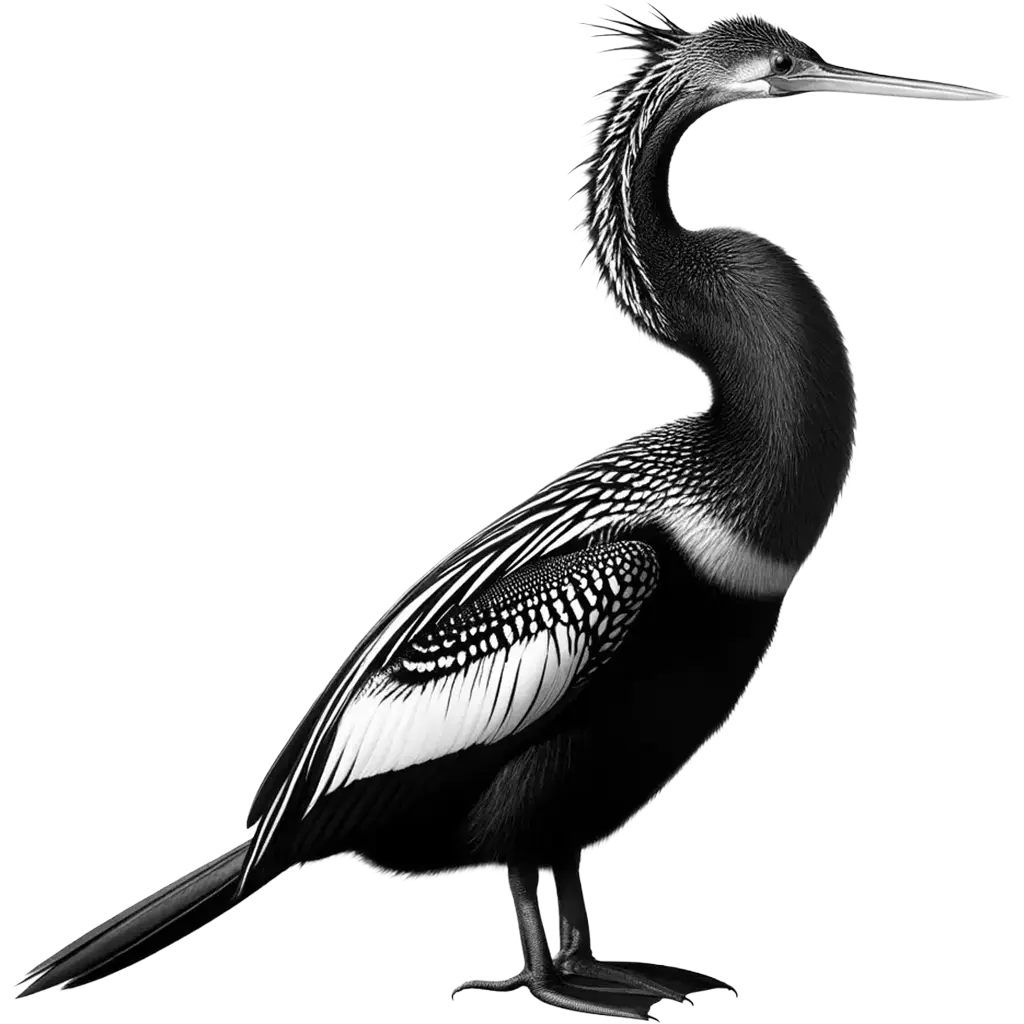
The Anhinga, Anhinga Anhinga, also known as the Snakebird, is a distinctive water bird native to freshwater lakes, swamps, and slow-moving rivers across the American tropics, from the southeastern United States to Argentina. This bird is named for its long, thin neck, which gives it a snake-like appearance when swimming
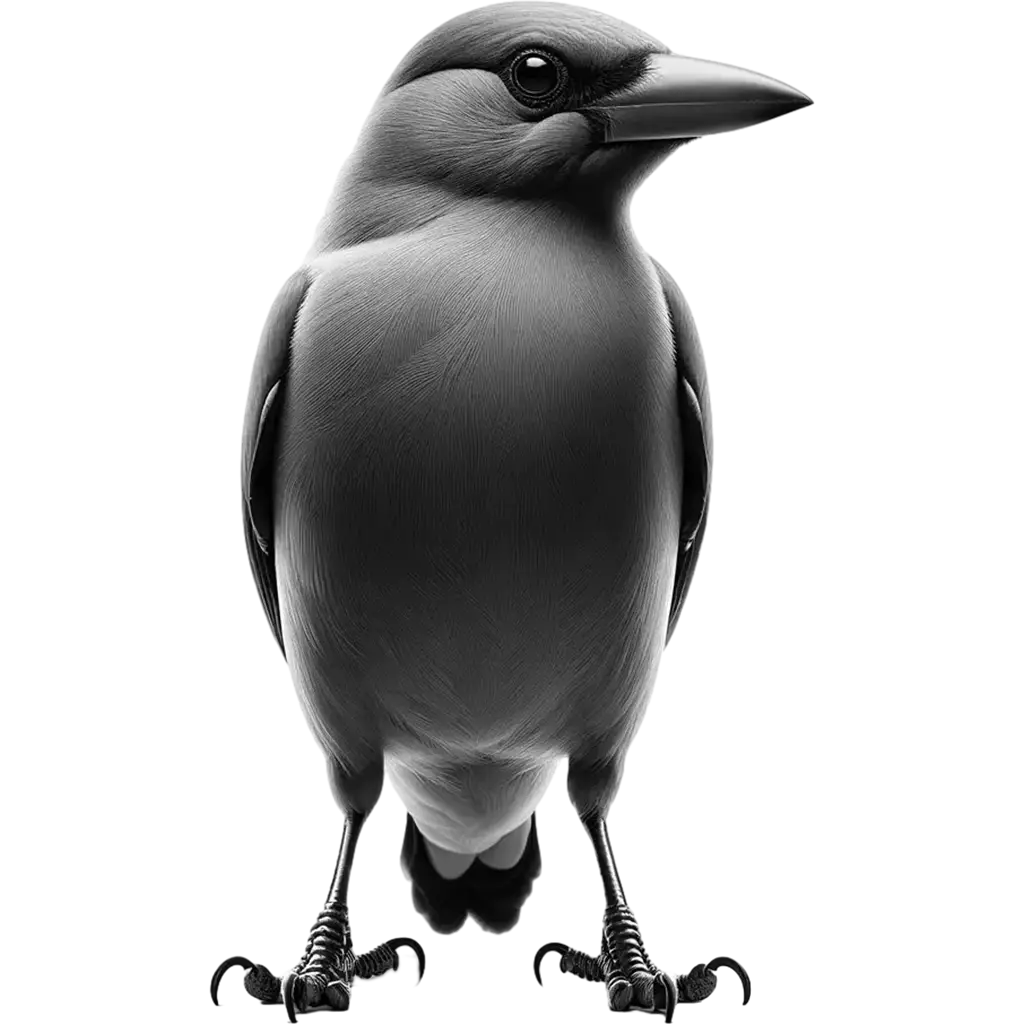
The Red-Billed Oxpecker, buphagus erythrorynchus, is a small bird native to sub-Saharan Africa, easily recognized by its distinctive red bill and yellow ring around the eyes. This species exhibits a predominantly brown plumage with lighter underparts, allowing it to blend into the savannah and woodland habitats it frequents. Adults can
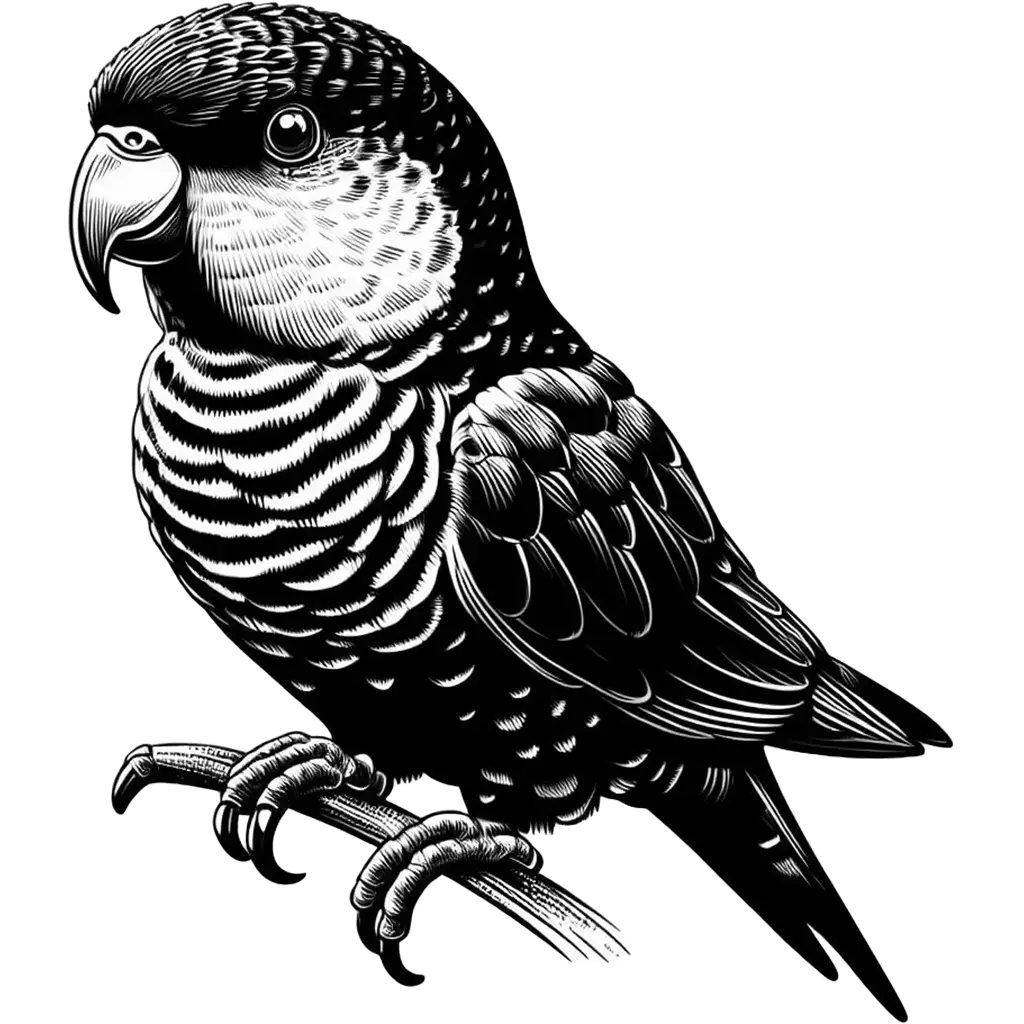
The Coconut Lorikeet, trichoglossus haematodus, is a vibrant, medium-sized parrot native to a wide range of habitats across Southeast Asia, Oceania, and parts of East Indonesia. Characterized by its bright green plumage, blue head, and red and yellow breast, this bird is a striking sight in its natural environment. Adults
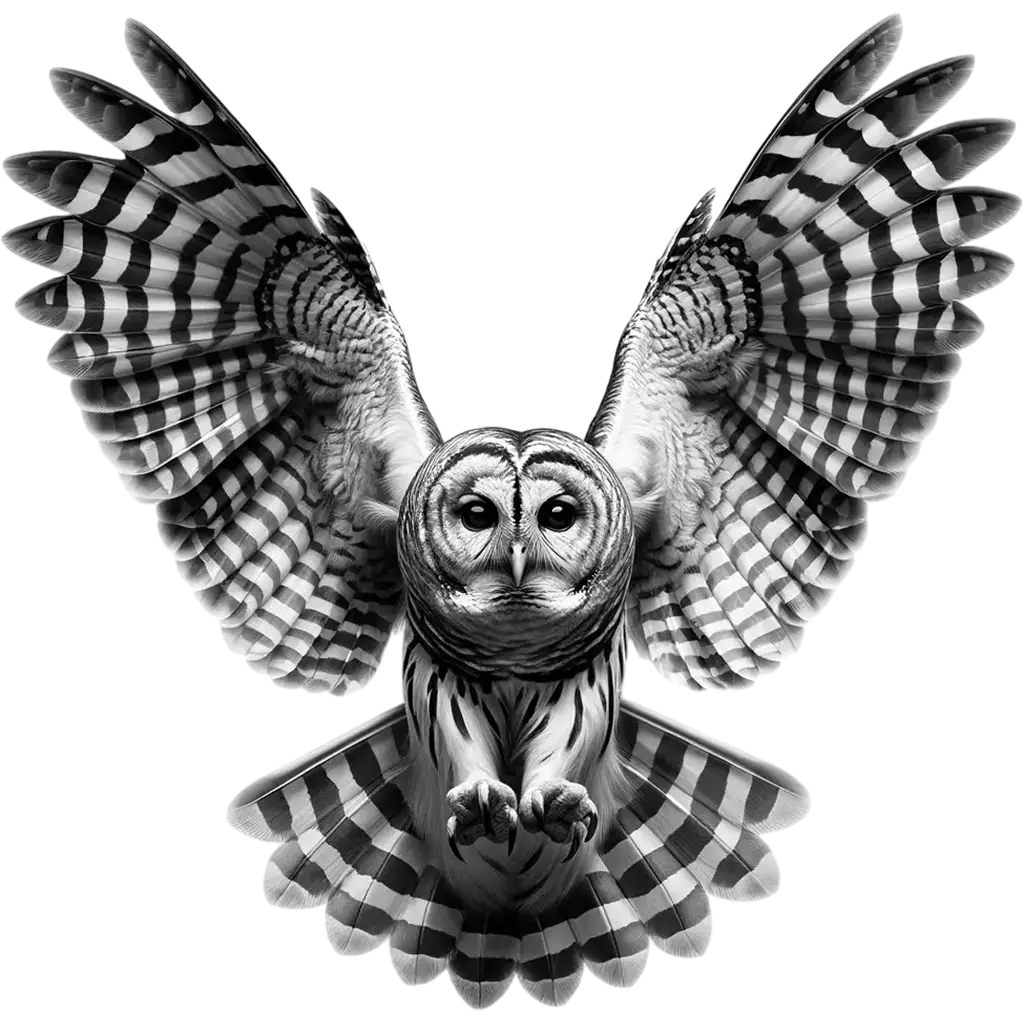
The Barred Owl, Strix varia, is a large North American owl known for its distinctive hooting call, which sounds like 'Who cooks for you? Who cooks for you all?' This species has a rounded head with no ear tufts, deep brown eyes, and a mottled brown and white plumage that