

Anser Fabalis
Taiga Bean Goose
Taiga forests, bogs, marshes, lakesides, and agricultural fields during migration
The Taiga Bean Goose, anser fabalis, is a large migratory bird that breeds in the northern taiga regions of Europe and Asia and winters in more temperate zones of Europe, eastern China, and Japan. This species is distinguished by its long neck, large body, and brownish-gray plumage, which provides excellent camouflage in its breeding habitats of marshes, wetlands, and riverbanks. Adults can measure 68 to 90 centimeters in length, with a wingspan of 140 to 174 centimeters. The bean goose gets its name from its preferred diet, often feeding on beans and other legumes, as well as grasses and grains, during the winter. Its bill is typically orange in the middle with black at the base and tip, a key feature in distinguishing it from similar species.
| Population: | Not precisely quantified; considered to be declining |
| Generation Length: | 5 years |
| Average Weight: | 2.5-4.1 kg |
| Average Length: | 68-90 cm |
| Lifespan: | 10-15 years in the wild, potentially longer in captivity |
| Diet: | Primarily grasses, sedges, and agricultural crops |
| Conservation Status: | Least Concern (LC) |
The Taiga Bean Goose is known for its remarkable migratory patterns, traveling thousands of kilometers between its breeding and wintering grounds. These geese form large flocks during migration, which provides safety in numbers from predators. During the breeding season, they prefer secluded areas within the vast expanses of the taiga forest, where they can nest on the ground, hidden among vegetation. The social structure of these geese becomes more apparent during migration and in their wintering areas, where they gather in large, noisy flocks.
The diet of the Taiga Bean Goose primarily consists of plant material, including leaves, roots, seeds, and, in agricultural areas, crops such as beans, peas, and grains. This diet changes seasonally, with a greater emphasis on grains and legumes during the winter months when they are more readily available in their wintering grounds. Their foraging habits contribute to the cycling of nutrients in their habitats, playing a crucial role in the ecological balance of these ecosystems.
Reproduction for the Taiga Bean Goose typically starts in late spring when they return to their breeding grounds. Nests are constructed on the ground, concealed by vegetation, where the female lays 4 to 6 eggs. Both parents share the responsibility of protecting the nest, but only the female incubates the eggs for about 27 to 29 days. Once hatched, the goslings are precocial, able to walk, swim, and feed themselves shortly after birth, though they remain with their parents for protection and guidance during their first year of life.
The population of the Taiga Bean Goose is subject to fluctuation due to habitat loss, hunting pressure, and changes in agricultural practices, which affect their food sources along migratory routes and wintering grounds. Conservation efforts are focused on habitat protection and management, as well as regulating hunting to ensure sustainable populations. International cooperation is crucial for the conservation of migratory species like the Taiga Bean Goose, as their survival depends on the health of ecosystems across several countries.
Classifications
The Key Attributes
Features
- Movement:
Flight, walking
- Territorial Behavior:
Non-territorial; forms large flocks
- Speed:
High speeds during flight, particularly during migration
- Diet:
Herbivore
- Physical Features:
- Long neck
- Brown body
- Orange legs and bill
- Black tail with white borders
- Primary Senses:
- Sight
- Hearing
Understanding Habitat and Range
Geography
- Habitat:
Taiga forests, bogs, marshes, lakesides, and agricultural fields during migration
- Migration Patterns:
Migratory, breeding in northern Scandinavia, Siberia, and northern Asia, wintering in Europe and eastern Asia
- Geographical Range:
Northern Eurasia
- Climate Preferences:
Temperate to subarctic
Navigating the Wilderness
In the wild
- Predators:
Foxes, eagles, and large birds of prey for eggs and goslings
- Prey:
N/A
- Feeding Behavior:
Grazes on grasses, sedges, and grains
- Diet:
Primarily grasses, sedges, and agricultural crops
- Defensive Mechanisms:
- Flight
- Forming large flocks for protection
- Preferred Food Sources:
- Grasses
- Sedges
- Agricultural grains
Insights Into Reproduction
Mating
- Mating System:
Monogamous
- Number of Offspring:
4-6 eggs
- Incubation Period:
27-29 days
- Parental Involvement:
- Both parents protect and lead the young on foraging trips
Youngsters Section
Taiga Bean Goose
Fun Fact
The Taiga Bean Goose is a migratory bird found in Northern Europe and Asia, known for its distinct honking.
These geese breed in the taiga, a biome characterized by coniferous forests, and migrate southwards for winter. They prefer wetlands and fields during migration, often forming large flocks. Their diet mainly consists of grasses and grains, making them important for ecosystem balance.

Download word search puzzles
Word Search Puzzles


Check Out Other Birds
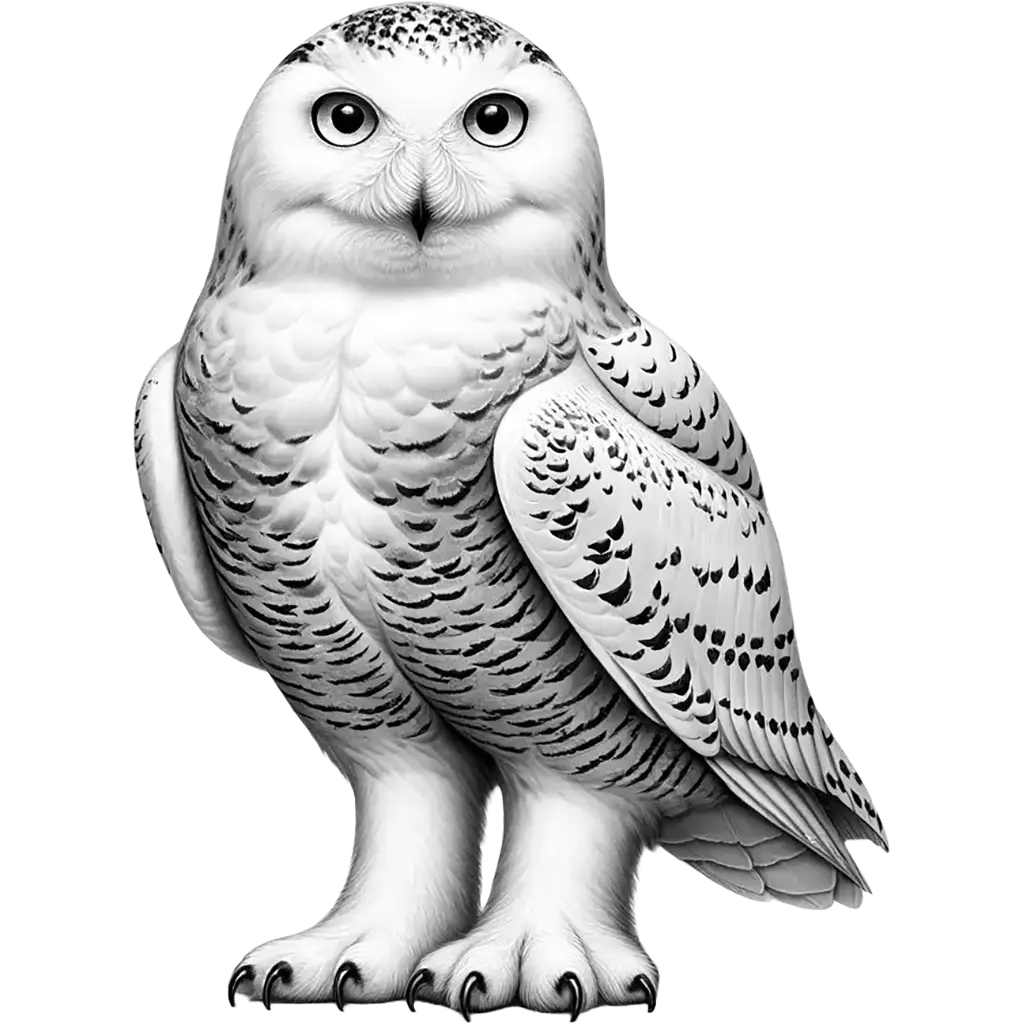
The Snowy Owl, bubo scandiacus, stands as a magnificent bird of prey, renowned for its striking white plumage that serves as camouflage in its Arctic tundra habitat. This large owl can reach up to 70 cm in length, with a wingspan of about 125 to 150 cm, making it one
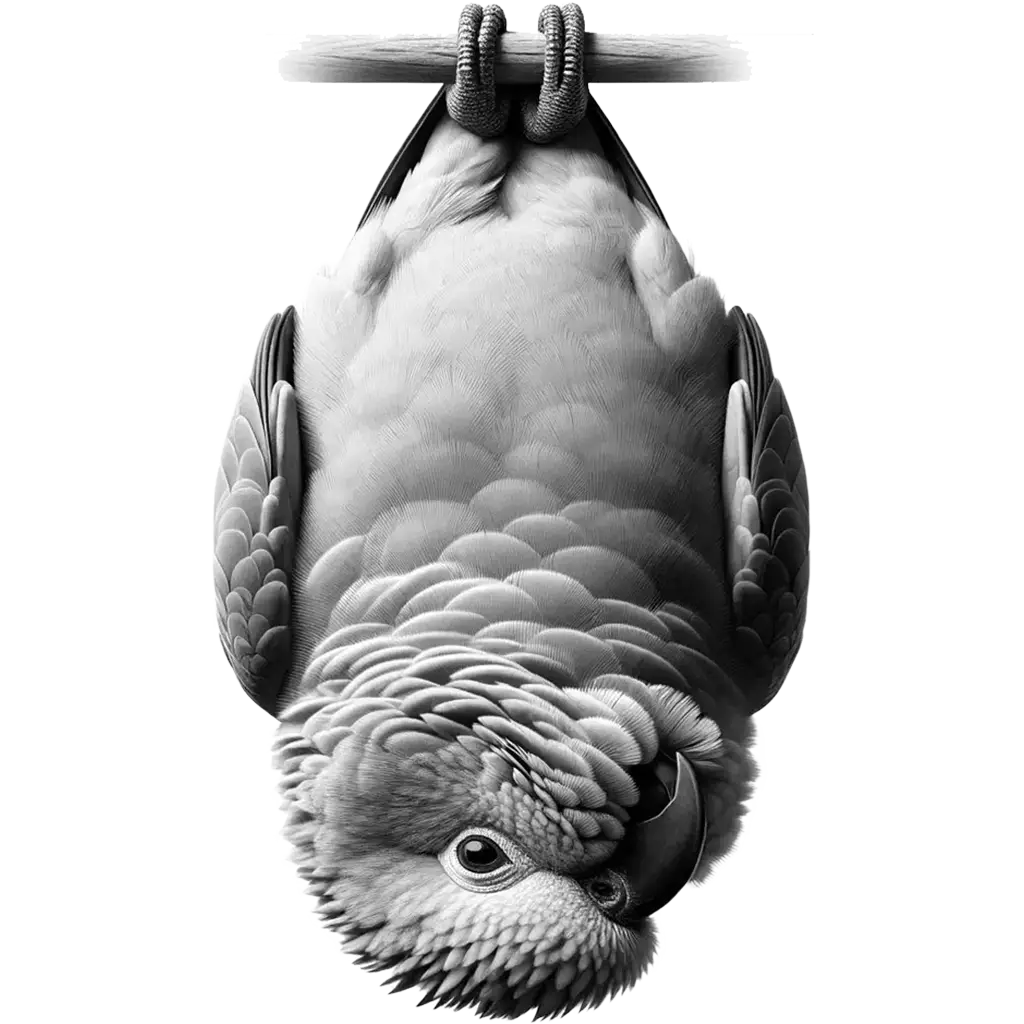
The Great Hanging Parrot, loriculus stigmatus, is a small, vibrant bird endemic to the islands of Sulawesi, Togian, Sula, and Banggai in Indonesia. This species is part of the Psittaculidae family, known for their ability to hang upside down while feeding or resting, a unique behavior from which their name
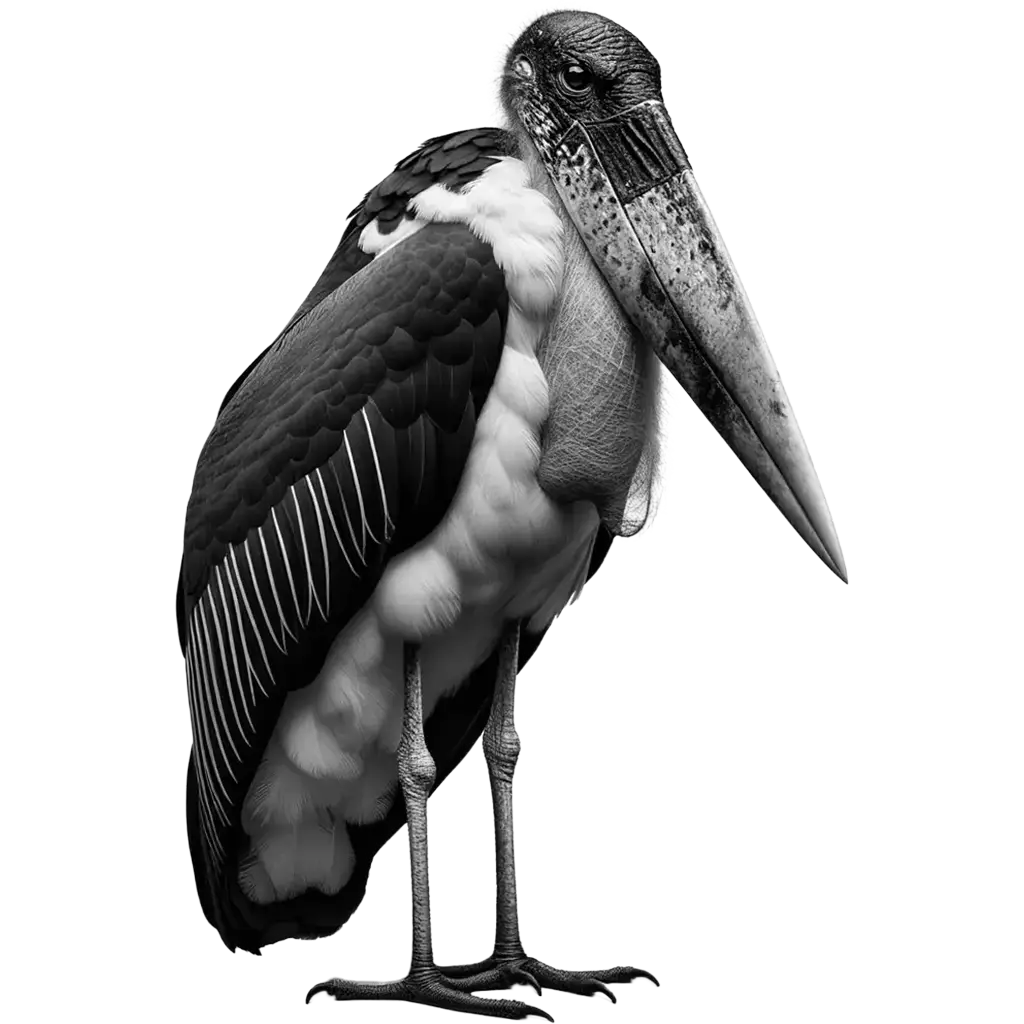
The Marabou Stork, leptoptilos crumenifer, is a large wading bird native to sub-Saharan Africa, easily identifiable by its imposing size, bald head, and neck, and a distinctive inflatable throat pouch. Standing up to 150 cm tall with a wingspan reaching over 2.5 meters, it is among the largest flying birds.
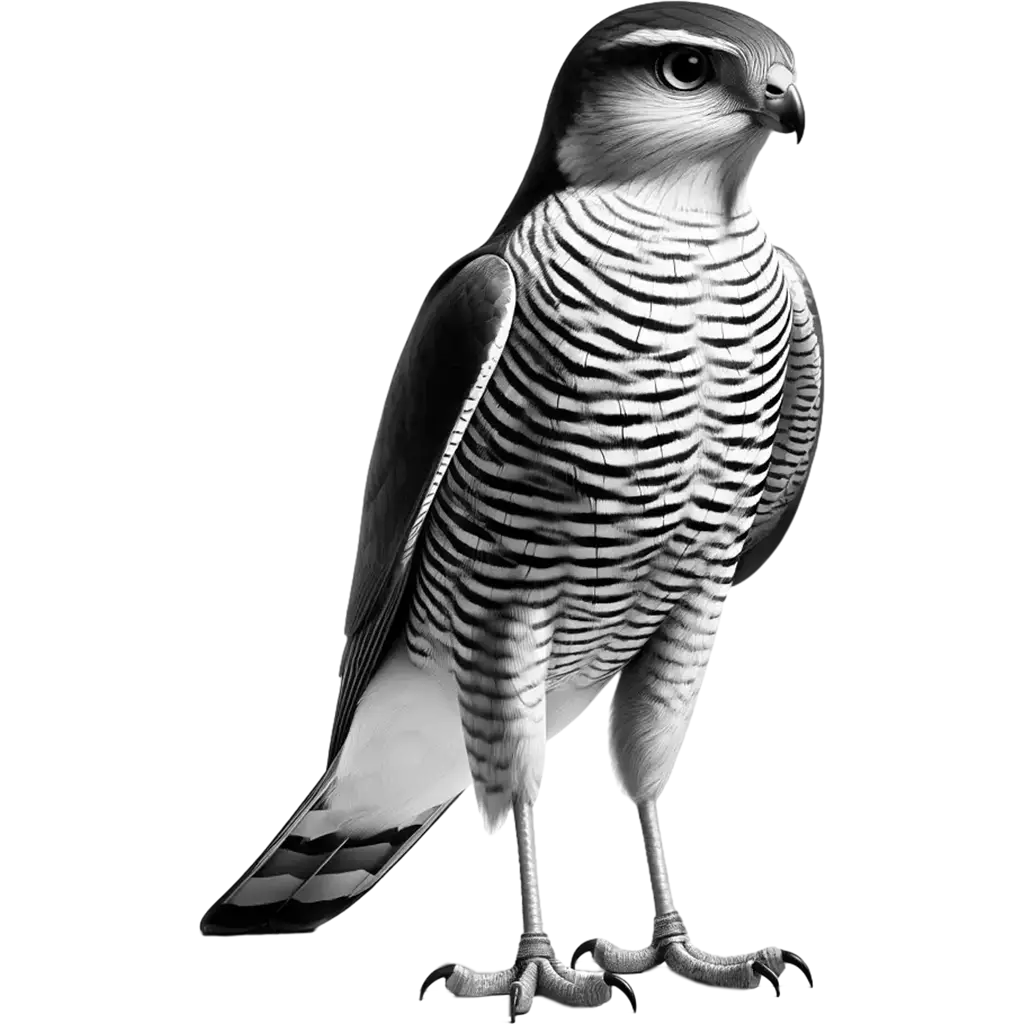
The Chestnut-Flanked Sparrowhawk, accipiter castanilius, is a small, elusive bird of prey found in the dense forests of West and Central Africa. This raptor is notable for its striking appearance, with adult males displaying a distinctive chestnut color on their flanks, contrasting with their slate-gray back and wings. The underparts