
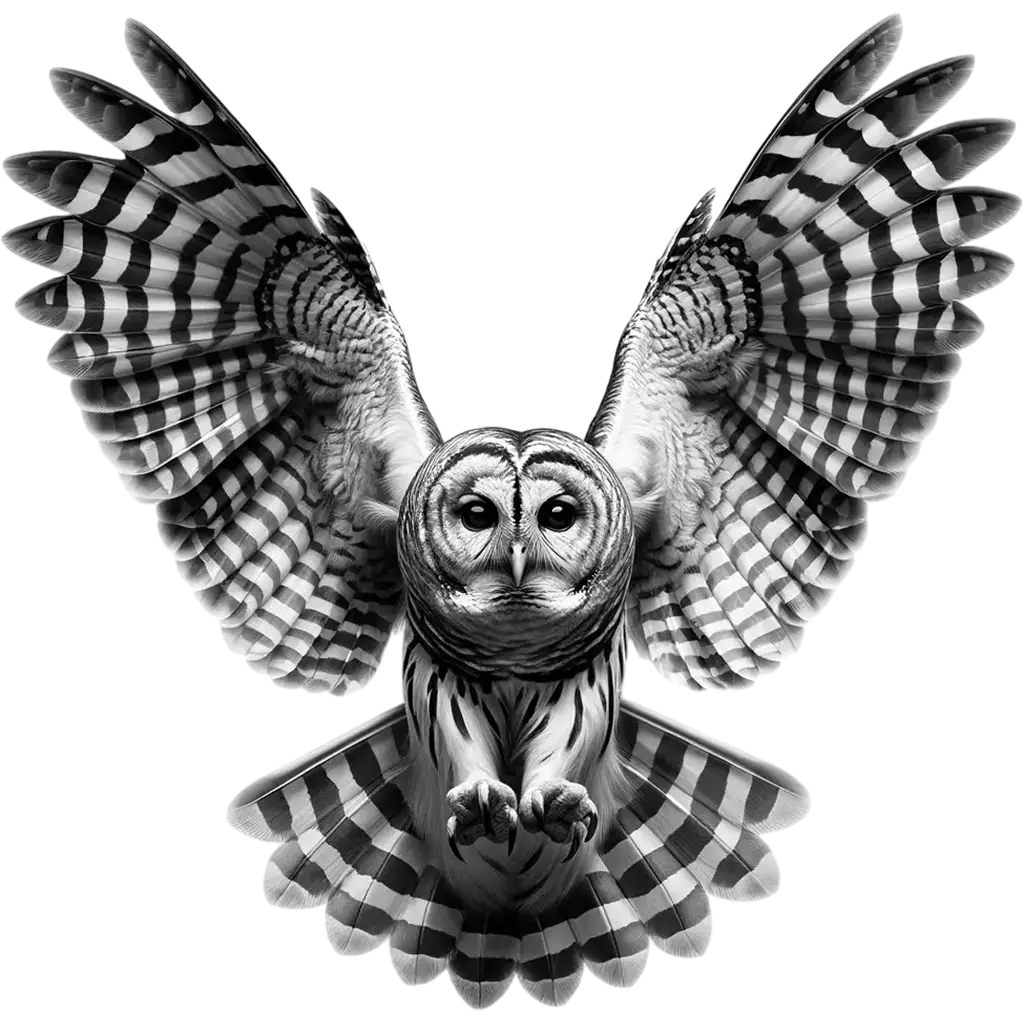
Strix Varia
Barred Owl
Dense woods, swamps, and forested river bottoms
The Barred Owl, Strix varia, is a large North American owl known for its distinctive hooting call, which sounds like 'Who cooks for you? Who cooks for you all?' This species has a rounded head with no ear tufts, deep brown eyes, and a mottled brown and white plumage that provides excellent camouflage against the bark of trees. Adults typically measure about 40 to 63 centimeters in length, with a wingspan ranging from 96 to 125 centimeters. The barred pattern on its chest and vertical streaks on its belly give the Barred Owl its name. These features, along with its striking face, marked by a concentric arrangement of brown and white feathers, make it a particularly striking bird.
| Population: | Widespread and stable |
| Generation Length: | 4-5 years |
| Average Weight: | 500-1,050 grams |
| Average Length: | 40-63 cm |
| Lifespan: | 10-23 years in the wild, longer in captivity |
| Diet: | Varied, primarily small mammals and rodents |
| Conservation Status: | Least Concern (LC) |
The Barred Owl prefers dense woodlands with large, mature trees, often near water. It is predominantly found in the eastern United States but has expanded its range into the Pacific Northwest and Canada, where it competes with the threatened Spotted Owl. Barred Owls are highly territorial and mostly nocturnal, hunting from perches with a silent flight. They have adapted well to human presence and can occasionally be seen or heard in suburban parks and forested residential areas. Their call is often the most reliable indicator of their presence in a given area.
The diet of the Barred Owl is varied and includes small mammals, birds, amphibians, and invertebrates. They are opportunistic hunters and are known to prey on a wide range of forest-dwelling creatures, from mice and voles to rabbits, bats, and even other smaller owls. Their hunting strategy involves watching quietly from a perch before swooping down on prey with deadly accuracy in almost complete silence, thanks to their feather structure.
Mating and reproduction for Barred Owls involve monogamous pairs that often remain together in the same territory for many years. Nesting usually takes place in the hollows of large trees, but they can also use abandoned nests of other large birds. The female typically lays 2 to 4 eggs, which she incubates for about 28 to 33 days while being fed by the male. The young owlets are cared for by both parents and start to venture from the nest after 6 weeks, though they are not proficient flyers until around 10 weeks old.
The population of the Barred Owl is considered stable and has been increasing in some areas, partly due to the proliferation of suitable habitats created by logging and the abandonment of farmland. However, their expansion has raised concerns for the conservation of the Spotted Owl in the west, where competition for habitat has become an issue. Conservation efforts for Barred Owls focus on understanding their impact on other owl species and maintaining healthy forest ecosystems that support their diverse prey base.
Classifications
The Key Attributes
Features
- Movement:
Flight
- Territorial Behavior:
Territorial, especially during breeding season
- Speed:
Not specified; known for silent flight due to feather structure
- Diet:
Carnivore
- Physical Features:
- Barred plumage on the chest and belly
- Round head with no ear tufts
- Dark eyes
- Primary Senses:
- Hearing
- Sight
Understanding Habitat and Range
Geography
- Habitat:
Dense woods, swamps, and forested river bottoms
- Migration Patterns:
Non-migratory
- Geographical Range:
Eastern United States, extending into Canada and southward into Central America
- Climate Preferences:
Temperate
Navigating the Wilderness
In the wild
- Predators:
Few natural predators; young may be threatened by raccoons, other large birds of prey
- Prey:
Small mammals, birds, amphibians, and insects
- Feeding Behavior:
Nocturnal, hunting from perches with sudden flights to snatch prey
- Diet:
Varied, primarily small mammals and rodents
- Defensive Mechanisms:
- Camouflage
- Silent flight
- Preferred Food Sources:
- Mice
- Voles
- Rabbits
- Small birds
Insights Into Reproduction
Mating
- Mating System:
Monogamous
- Number of Offspring:
2-4 eggs
- Incubation Period:
28-33 days
- Parental Involvement:
- Both parents care for the young, with the male primarily hunting and the female tending to the chicks
Youngsters Section
Barred Owl
Fun Fact
Barred Owls are known for their distinctive "Who cooks for you? Who cooks for you all?" call.
These owls are native to North America and prefer wooded areas. They have striking brown and white striped plumage, which helps them blend into their forest habitat. Barred Owls have excellent night vision and silent flight, making them efficient nocturnal hunters.
Download word search puzzles
Word Search Puzzles
Check Out Other Birds
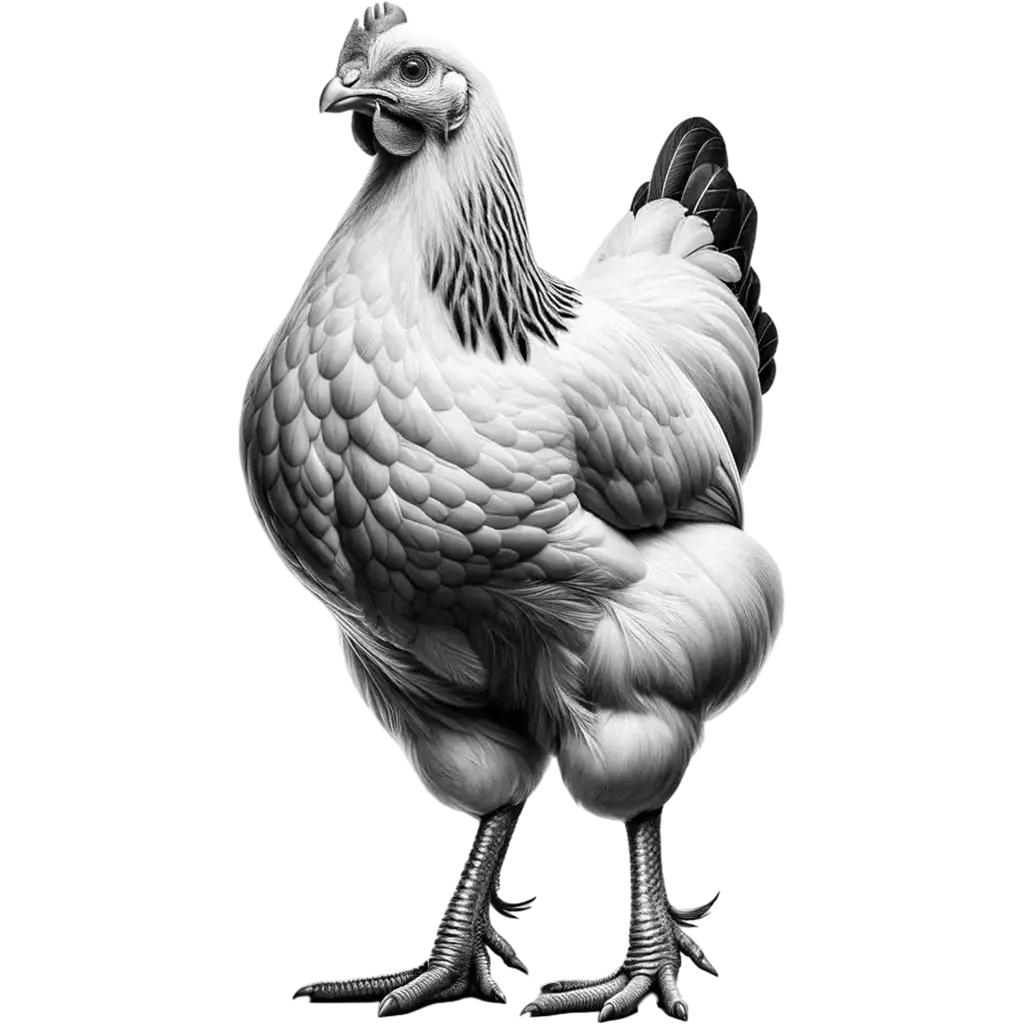
The Jersey Giant, developed in the United States in the late 19th century, is the largest breed of chicken known for its substantial size and impressive stature. Originating from New Jersey, this breed was initially bred to replace the turkey as the premier source of meat poultry. Adult Jersey Giants
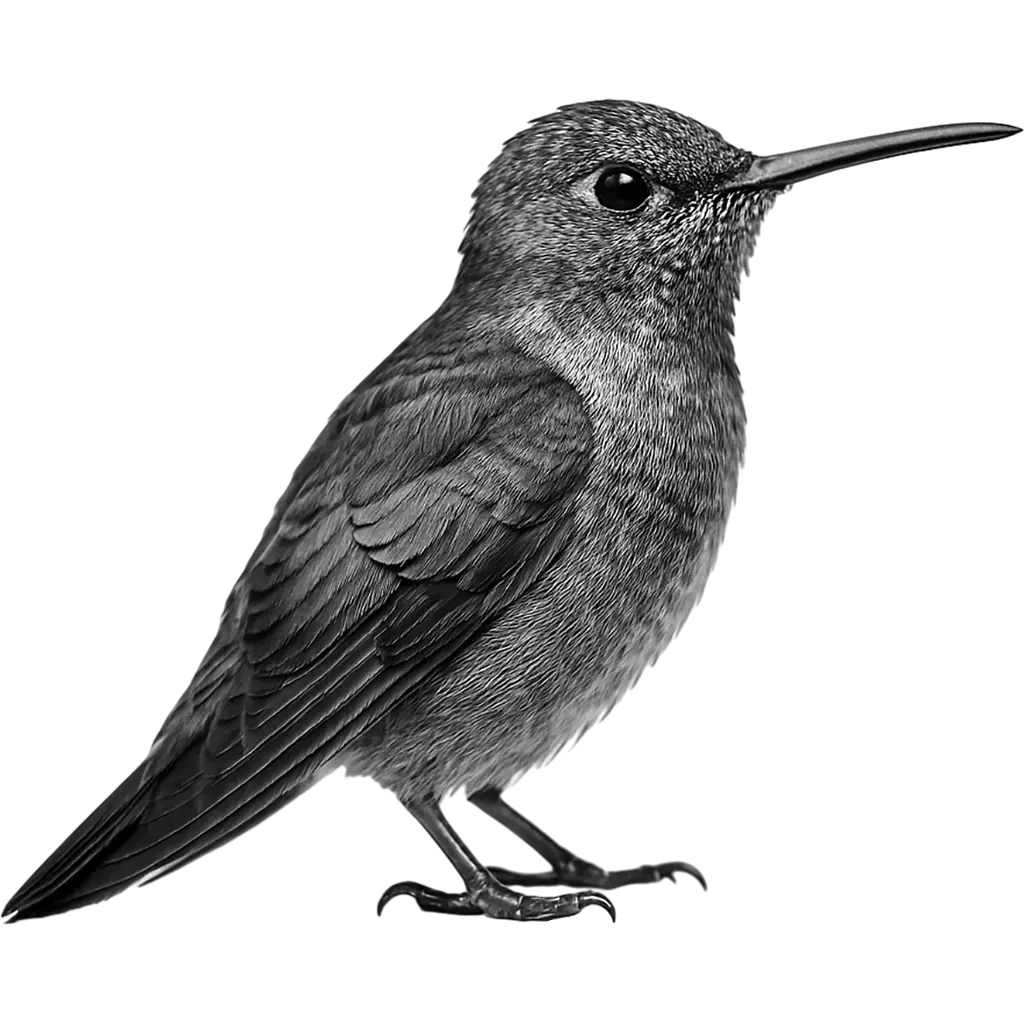
The Buff-bellied Hummingbird is a dazzling small bird distinguished by its vibrant coloration and sleek, streamlined body. Its plumage gleams with iridescent greens and subtle hues of blue, with a notable buff-colored belly that contrasts with its shimmering metallic back. The bird features a delicate, elongated bill perfect for accessing
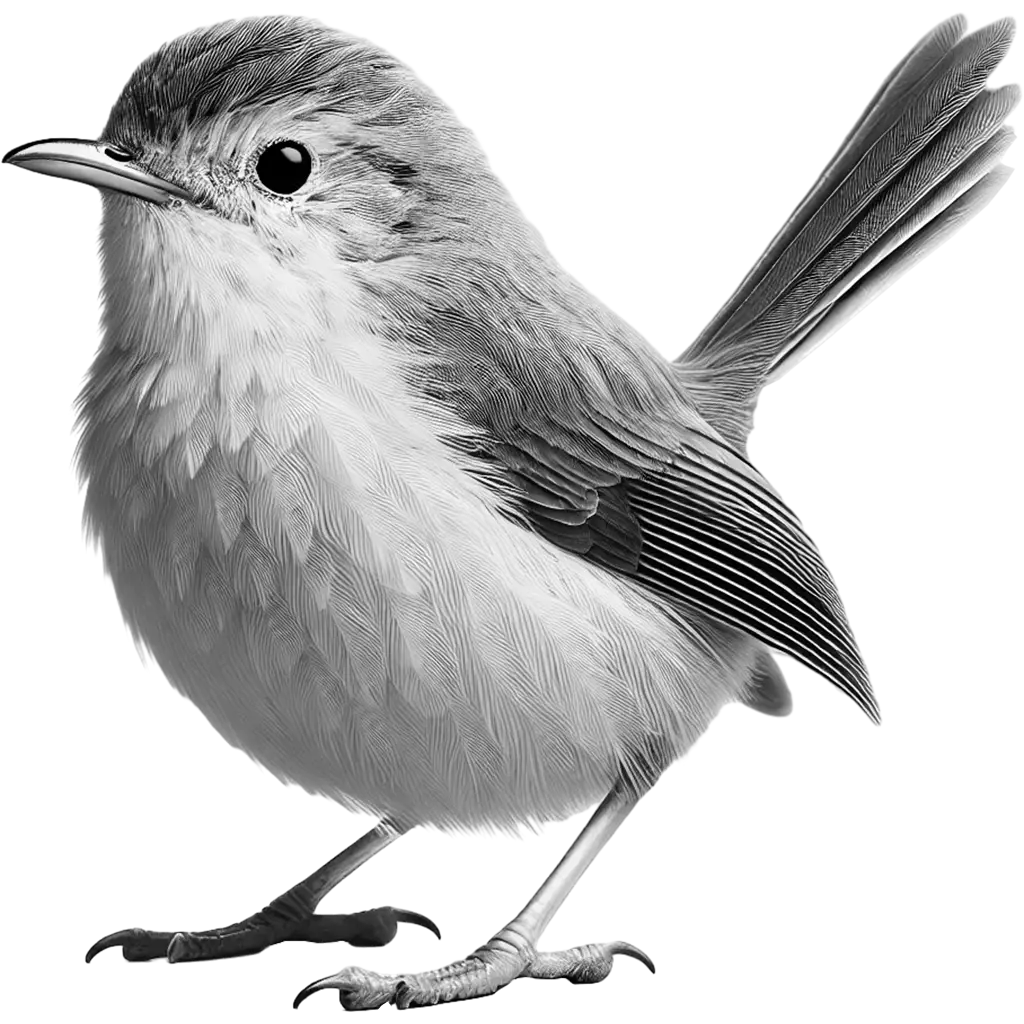
The Pale Prinia is a diminutive bird characterized by its soft, pale plumage that ranges from light gray to off-white. Its slender body is accentuated by subtle streaks along its wings and back, while a delicate, pointed bill and long, tapering tail contribute to its refined, graceful appearance. The bird's
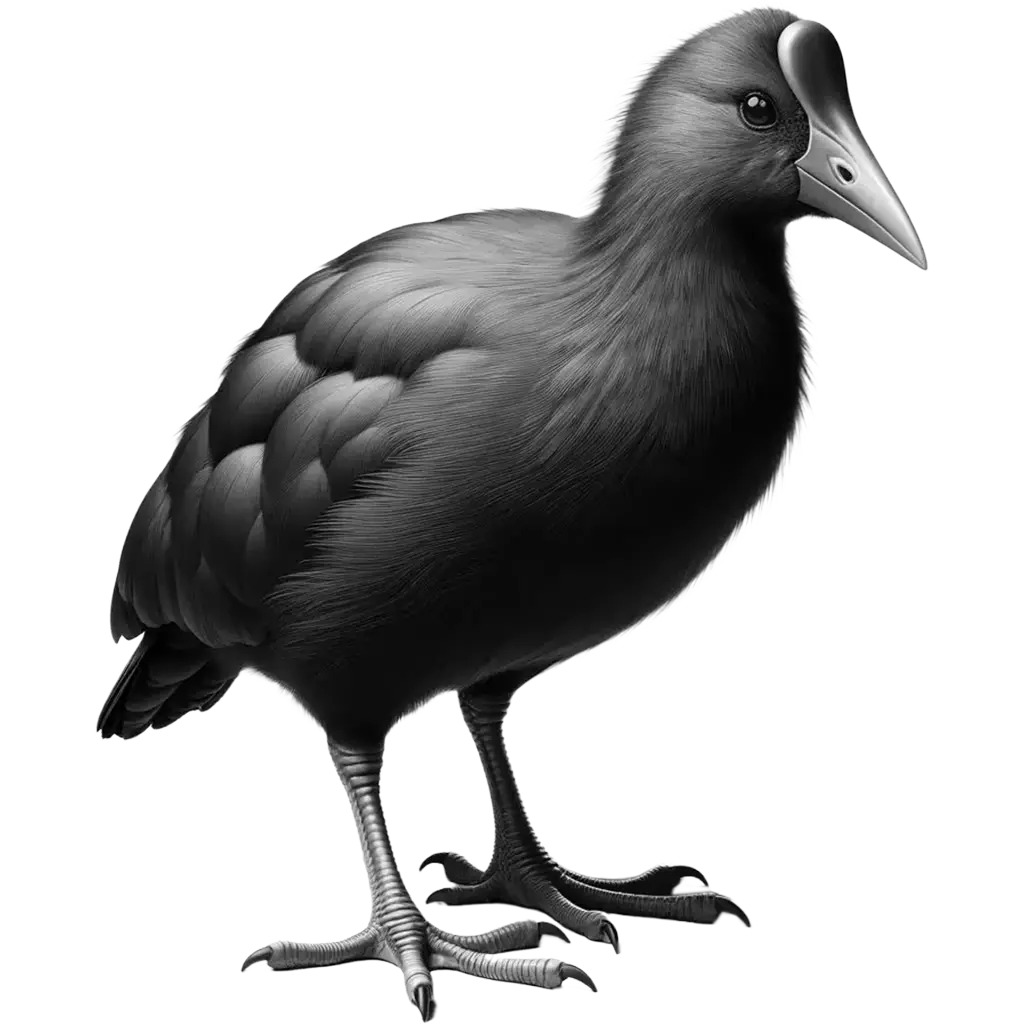
The Australasian Swamphen, porphyrio melanotus, formerly known as the Purple Swamphen, is a vivid and sizeable waterbird that is part of the rail family. This species is easily identifiable by its deep blue plumage, contrasting with its black back and wings. Adults have a distinctive red beak and frontal shield,