
Tinamus Tao
Grey Tinamou
Dense rainforests and subtropical woodlands
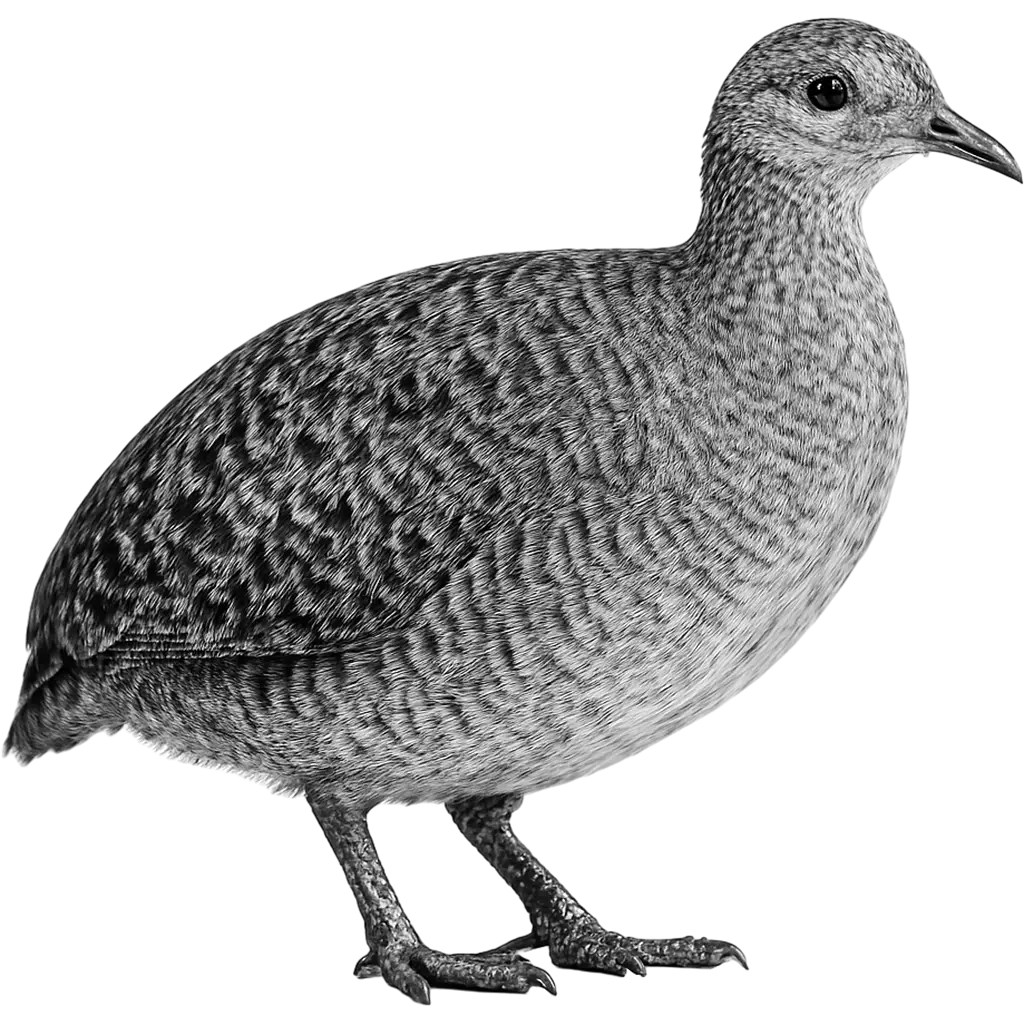
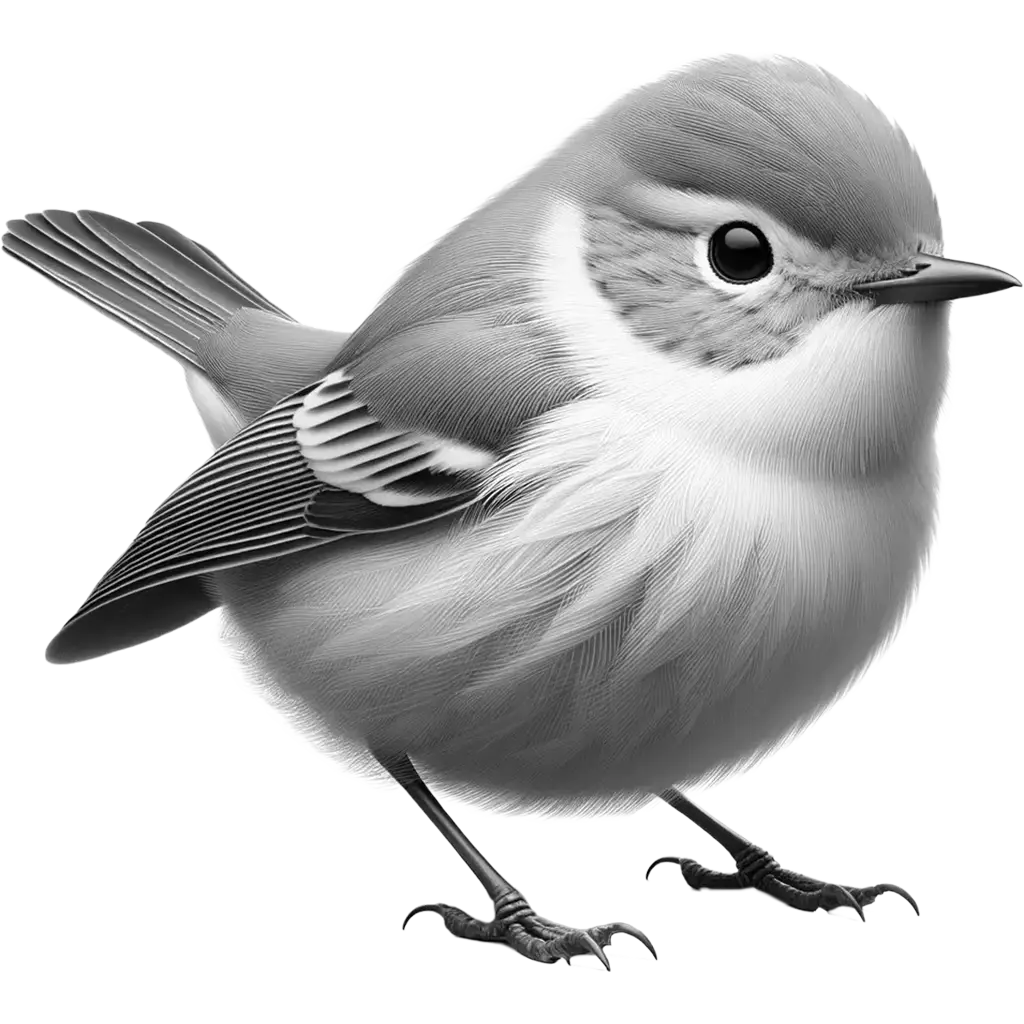
The Grey Tinamou sports a modest, earthy appearance with predominately grey plumage that blends seamlessly into the forest floor. Its compact, rounded body is supported by strong, stout legs and short wings. A subtle pattern of mottled markings enhances its camouflage amid leaf litter and underbrush. The bird's alert eyes and delicate beak add an air of gentle curiosity, perfectly suited for its reclusive, ground-dwelling lifestyle in dense tropical forests.
| Population: | Relatively stable in remaining forest fragments of South America, though localized declines occur due to deforestation |
| Generation Length: | 2-3 years |
| Average Weight: | 800-1000 g |
| Average Length: | 40-45 cm |
| Lifespan: | 4-6 years in the wild, up to 8 years in captivity |
| Diet: | Omnivorous, combining animal and plant matter |
| Conservation Status: | Least Concern (LC) |
In the wild, the Grey Tinamou is a solitary and elusive bird that spends most of its time on the forest floor. It is primarily active during the early morning and late afternoon when the forest is quieter, favoring the soft light for foraging and movement. This tinamou employs quick dashes and short bursts of flight to evade potential predators, retreating into dense underbrush when disturbed. Its behavior is marked by cautious foraging trips and measured movements through leaf litter and fallen branches. These adaptive strategies ensure its long-term survival in challenging habitats.
The Grey Tinamou primarily feeds on a diverse array of invertebrates, fallen fruits, seeds, and small plant matter found on the forest floor. It uses its keen vision to detect subtle movements and colors in the leaf litter, picking off food with its small, delicate beak. Its foraging habits allow it to consume a balanced mix of proteins, carbohydrates, and essential vitamins. The digestive system efficiently extracts nutrients from both animal and plant sources, fueling daily activities and playing a vital role in seed dispersal and forest regeneration.
During the breeding season, Grey Tinamous exhibit polyandrous behavior, where females mate with multiple males. Males are primarily responsible for incubating the eggs and caring for the chicks. Courtship involves subtle calls and gentle displays on the forest floor, ensuring that pairs form quickly and effectively. Mating rituals are marked by soft vocalizations and delicate body movements, strengthening pair bonds rapidly.
The population of Grey Tinamous is considered stable within remaining forest habitats, although deforestation poses a growing threat. Local declines have been reported in heavily disturbed areas, yet conservation efforts in protected reserves help maintain steady numbers. Ongoing research and habitat restoration projects are crucial to supporting their long-term survival.
Classifications
The Key Attributes
Features
- Movement:
Ground running with occasional short, rapid flights
- Territorial Behavior:
Somewhat territorial during the breeding season
- Speed:
Quick over short distances
- Diet:
Omnivorous
- Physical Features:
- Medium-sized body with cryptic grey plumage
- Stout legs and short wings
- Delicate facial features
- Rounded, soft contours
- Primary Senses:
- Sight
- Hearing
Understanding Habitat and Range
Geography
- Habitat:
Dense rainforests and subtropical woodlands
- Migration Patterns:
Non-migratory with localized movements
- Geographical Range:
Primarily found in the Atlantic Forest of Brazil and adjacent regions in South America
- Climate Preferences:
Tropical to subtropical, humid environments
Navigating the Wilderness
In the wild
- Predators:
Large raptors, small mammals, and arboreal snakes
- Prey:
Invertebrates, fallen fruits, seeds, and small plant parts
- Feeding Behavior:
Forages actively by probing leaf litter and fallen debris on the forest floor
- Diet:
Omnivorous, combining animal and plant matter
- Defensive Mechanisms:
- Cryptic plumage
- Rapid, low flight to evade predators
- Preferred Food Sources:
- Fallen fruits
- Insects and other invertebrates
- Seeds
Insights Into Reproduction
Mating
- Mating System:
Polyandrous
- Number of Offspring:
3-6 eggs per clutch
- Incubation Period:
21-24 days
- Parental Involvement:
- Males undertake most incubation and chick care
Youngsters Section
Grey Tinamou
Fun Fact
Grey Tinamous are known for their secretive, ground-foraging behavior.
Their elusive nature and subtle calls make them a fascinating sight for birdwatchers, while their role in seed dispersal supports forest regeneration.

Download word search puzzles
Word Search Puzzles

Check Out Other Birds
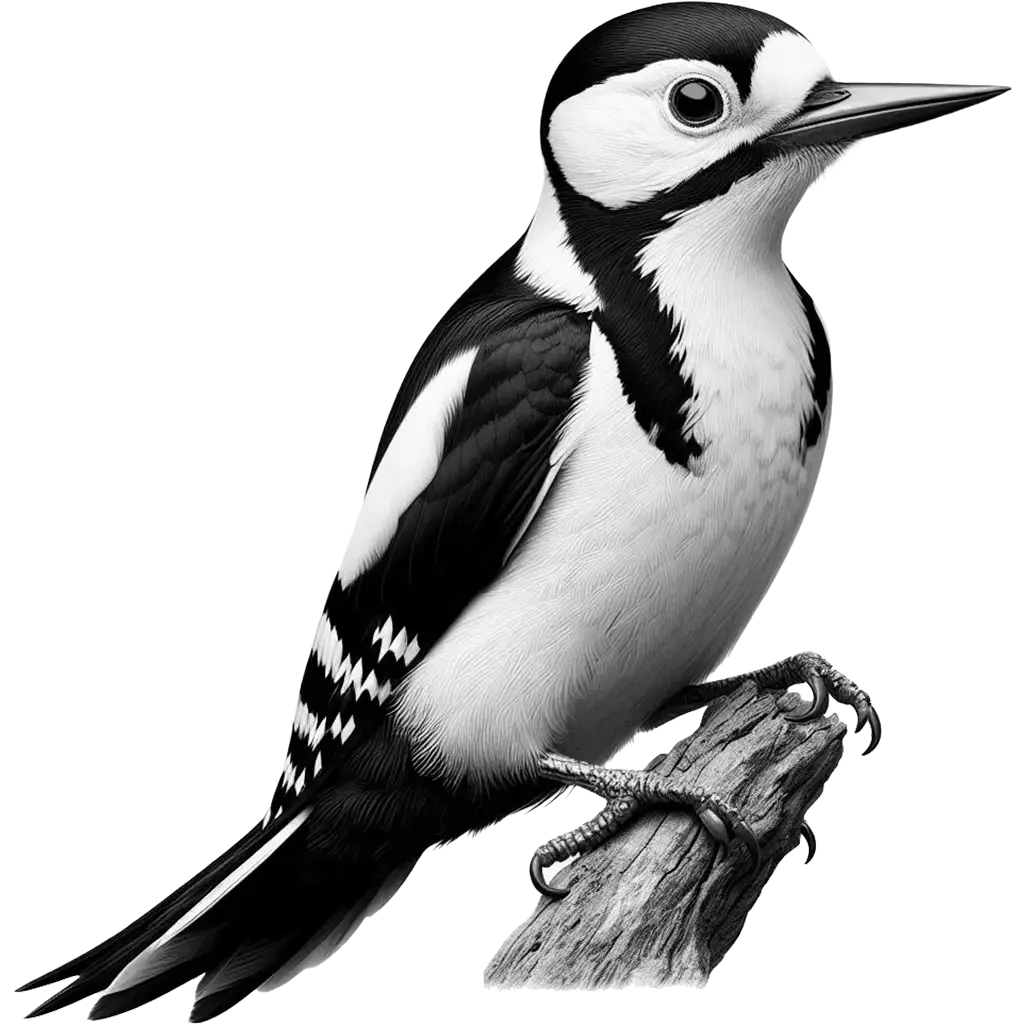
The European Green Woodpecker, picus viridis, is a large, vibrant bird native to the broadleaf forests across Europe and parts of western Asia. This species is distinguished by its bright green plumage, contrasting with a red crown in males and a black moustachial stripe, which is red in males and
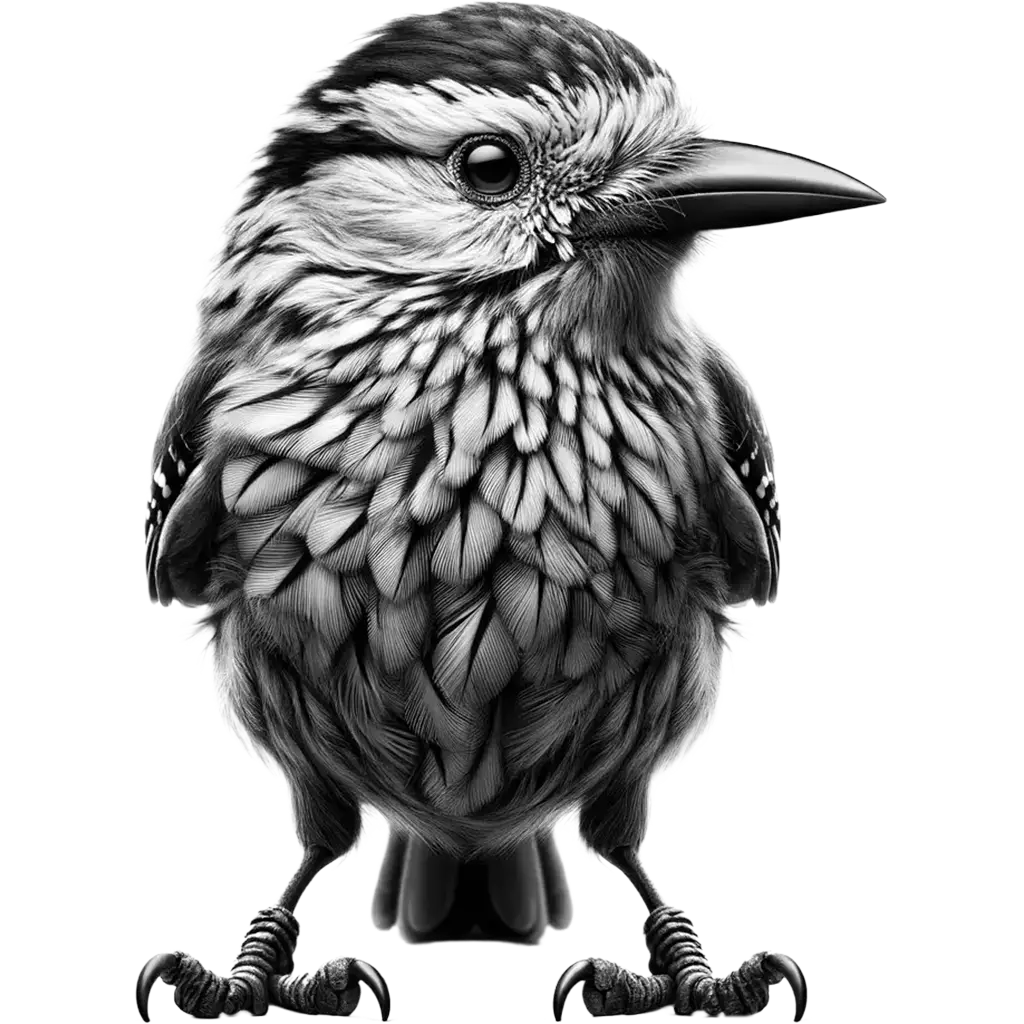
The Spotted Nutcracker, nucifraga caryocatactes, is a robust bird species belonging to the crow family, Corvidae, known for its distinctive spotted plumage and strong bill. Adults typically measure about 32 to 38 cm in length, with a wingspan of approximately 49 to 53 cm. Their plumage is primarily chocolate brown,

The Lilian's Lovebird, agapornis lilianae, also known as the Nyasa Lovebird, is a small, vibrant parrot native to the woodlands and savannas of southeastern Africa. Measuring about 13 to 14 cm in length and weighing approximately 30 to 40 grams, this species is distinguished by its bright green plumage, with
The Pink-Headed Warbler, cardellina versicolor, is a strikingly beautiful bird, notable for its vibrant pink head and chest that contrast sharply with its dark red body. This small bird, measuring approximately 13 to 14 cm in length, possesses a unique coloration among warblers, making it a sought-after species for birdwatchers.