
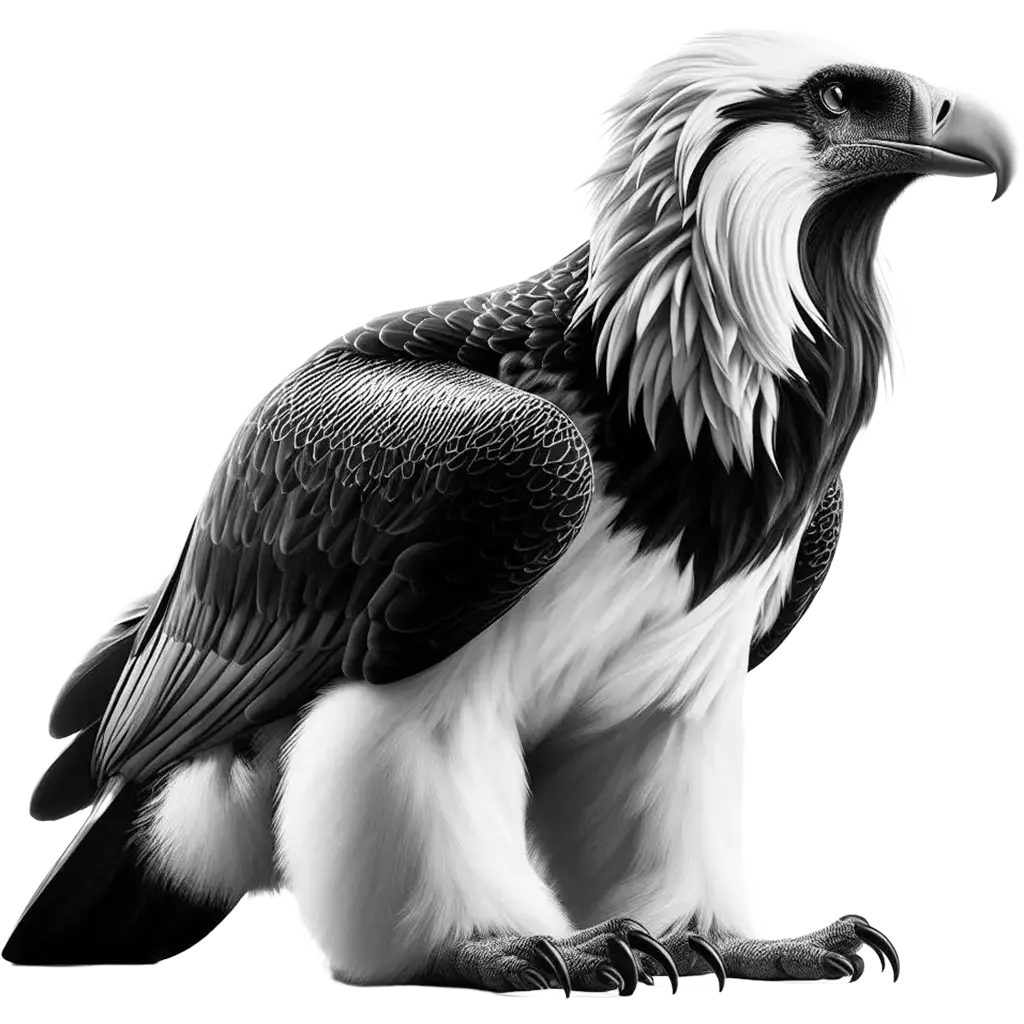
Gypaetus Barbatus
Bearded Vulture
Mountainous regions and high-altitude grasslands
The Bearded Vulture, gypaetus barbatus, is a distinctive bird of prey, known for its striking appearance and unique dietary habits. This vulture has a wingspan of 2.3 to 2.8 meters (7.5 to 9.2 feet), making it one of the largest raptors. Its appearance is notable for the feathered neck ruff, reddish-brown body, and a 'beard' of bristles under the chin, from which it gets its name. Juveniles are darker, almost black, and acquire the full adult plumage over 5 to 7 years. The Bearded Vulture's long, narrow wings and wedge-shaped tail allow for remarkable agility in flight, particularly in the mountainous habitats it prefers.
| Population: | Listed as Near Threatened, with declining populations due to habitat degradation, poisoning, and disturbances at nesting sites |
| Generation Length: | 10 years |
| Average Weight: | 4.5-7.8 kg |
| Average Length: | 100-115 cm, with a wingspan of 2.3-2.8 meters |
| Lifespan: | Up to 40-45 years in the wild |
| Diet: | Osteophagous (bone-eating) |
| Conservation Status: | Near Threatened (NT) |
The Bearded Vulture is unique among vultures, as its diet primarily consists of bones, which can constitute up to 85% of its intake. This specialization allows it to occupy a niche with little competition. It is known for its dramatic method of breaking larger bones by dropping them from great heights onto rocky slopes to access the marrow inside. They also consume smaller bones whole, which are digested in their highly acidic stomach.
Habitat-wise, the Bearded Vulture inhabits mountain ranges in Europe, Asia, and Africa, favoring high elevations with rugged terrain. These areas provide the necessary updrafts for soaring and a plentiful supply of carcasses. The species is solitary or found in pairs, and it is highly territorial, with pairs maintaining large territories that they defend vigorously.
Reproduction in the Bearded Vulture involves a lengthy commitment, with pairs forming lifelong bonds. They typically lay one to two eggs in nests built on inaccessible rock ledges, and both parents share incubation and chick-rearing duties. The breeding cycle is long, with chicks spending 5 to 6 months in the nest before fledging.
The population of the Bearded Vulture is considered near threatened, with threats including poisoning, disturbances at nesting sites, and habitat degradation. Conservation efforts are focused on reducing threats, habitat protection, and reintroduction programs in areas where the species has disappeared. The Bearded Vulture plays a crucial role in its ecosystem by recycling carrion and contributing to the health of mountain ecosystems.
Classifications
The Key Attributes
Features
- Movement:
Soaring flight
- Territorial Behavior:
Territorial, especially around nesting sites
- Speed:
Not specifically quantified; known for its remarkable soaring ability
- Diet:
Scavenger, specializes in consuming bone marrow
- Physical Features:
- Long, narrow wings for soaring
- Distinctive reddish or yellow tint to the head and neck, believed to be from dust-bathing in iron-rich soil
- Long, wedge-shaped tail
- Beard-like feathering at the base of the beak
- Primary Senses:
- Sight
- Smell
Understanding Habitat and Range
Geography
- Habitat:
Mountainous regions and high-altitude grasslands
- Migration Patterns:
Mostly sedentary, with some altitudinal movements
- Geographical Range:
Ranges from the mountains of southern Europe, Africa, the Indian subcontinent, to Tibet and parts of China
- Climate Preferences:
Prefers rugged mountainous landscapes
Navigating the Wilderness
In the wild
- Predators:
Few natural predators due to its size; eggs and young may be threatened by other large birds of prey and some mammals
- Prey:
Carcasses of dead animals
- Feeding Behavior:
Primarily consumes the bones and marrow of dead animals, capable of digesting large bones
- Diet:
Osteophagous (bone-eating)
- Defensive Mechanisms:
- Large size and powerful flight deter most predators
- Nesting in inaccessible cliff faces provides protection for their young
- Preferred Food Sources:
- Bones from the carcasses of large mammals
Insights Into Reproduction
Mating
- Mating System:
Monogamous
- Number of Offspring:
1-2 eggs
- Incubation Period:
About 53-60 days
- Parental Involvement:
- Both parents involved in incubation and feeding of the young, often with the male providing food while the female tends to the nest
Youngsters Section
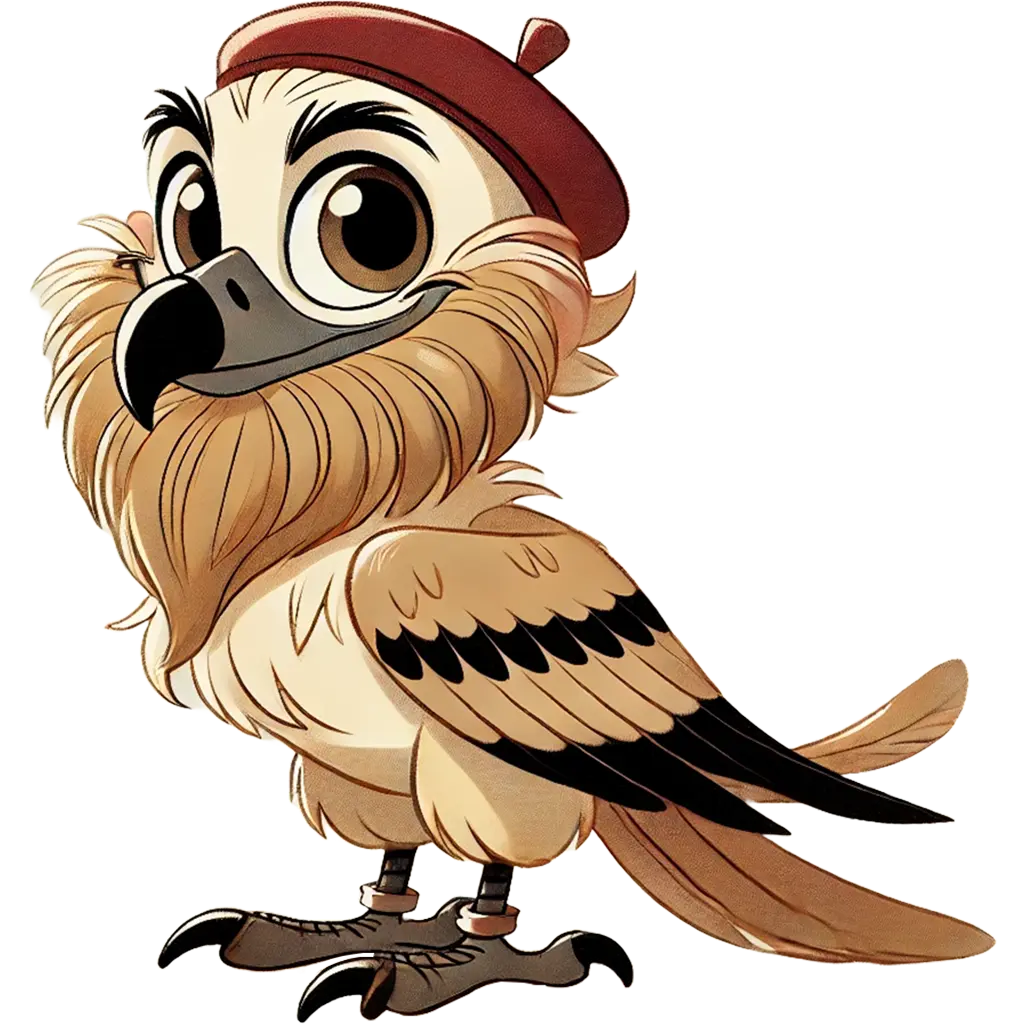
Bearded Vulture
Fun Fact
The bearded vulture is a unique bird known for its bone-eating habits.
This bird, also called the lammergeier, consumes bone marrow by dropping bones from great heights to crack them open. It has a wingspan of up to 9 feet, allowing it to soar effortlessly in the mountains. Its striking appearance and feeding behavior make it a fascinating creature of the high-altitude ecosystems.

Download word search puzzles
Word Search Puzzles
Check Out Other Birds
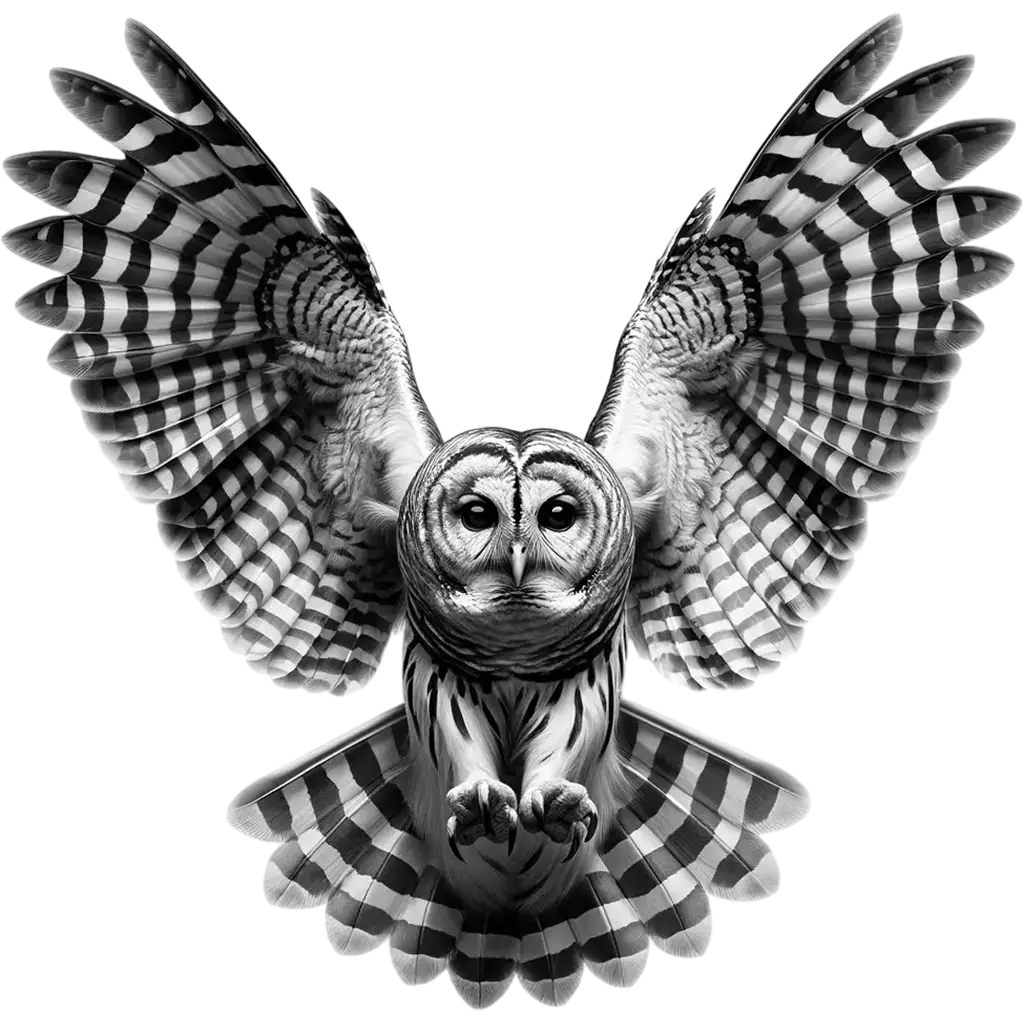
The Barred Owl, Strix varia, is a large North American owl known for its distinctive hooting call, which sounds like 'Who cooks for you? Who cooks for you all?' This species has a rounded head with no ear tufts, deep brown eyes, and a mottled brown and white plumage that
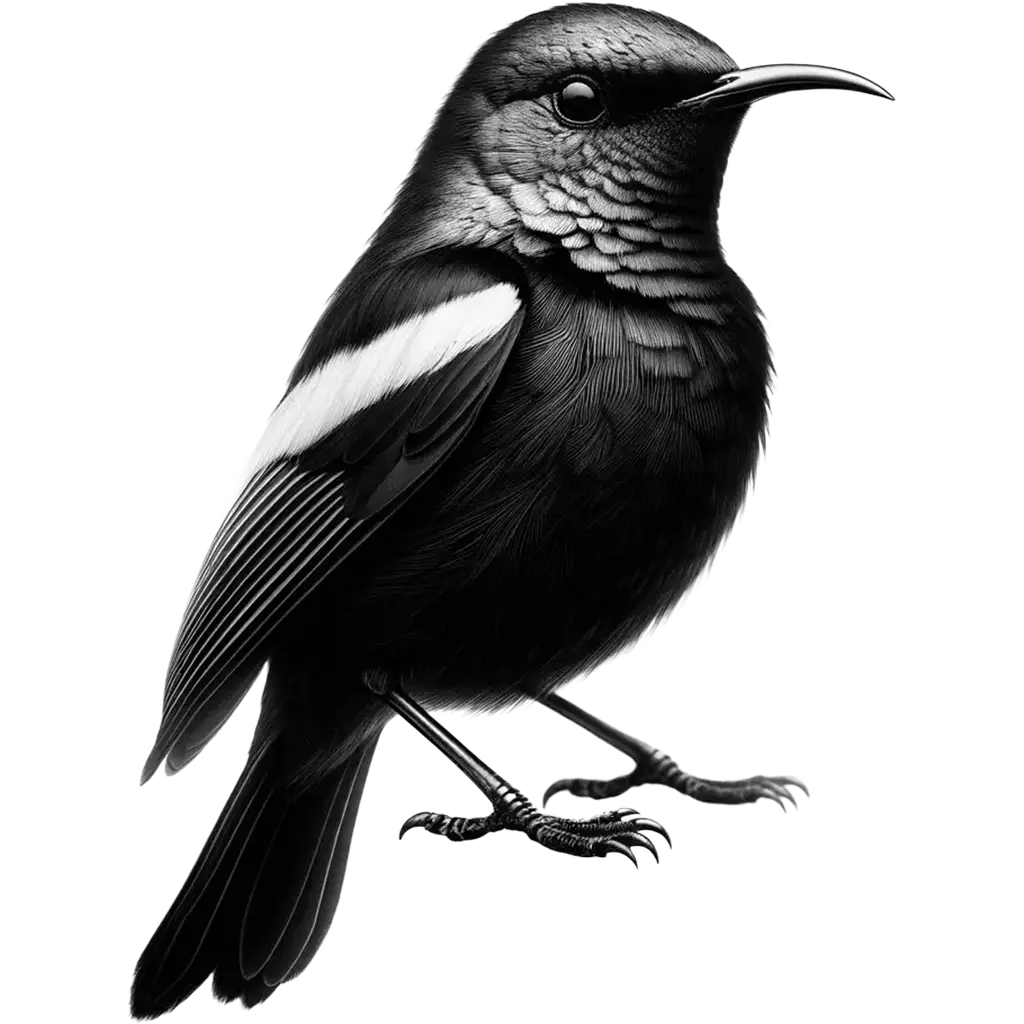
The Nile Valley Sunbird, hedydipna metallica, is a dazzling, small bird species known for its iridescent plumage and energetic behavior. Males are particularly striking, with metallic green feathers covering their head and back, contrasting beautifully with their dark, forked tails and the bright yellow underparts. Females and juveniles have a
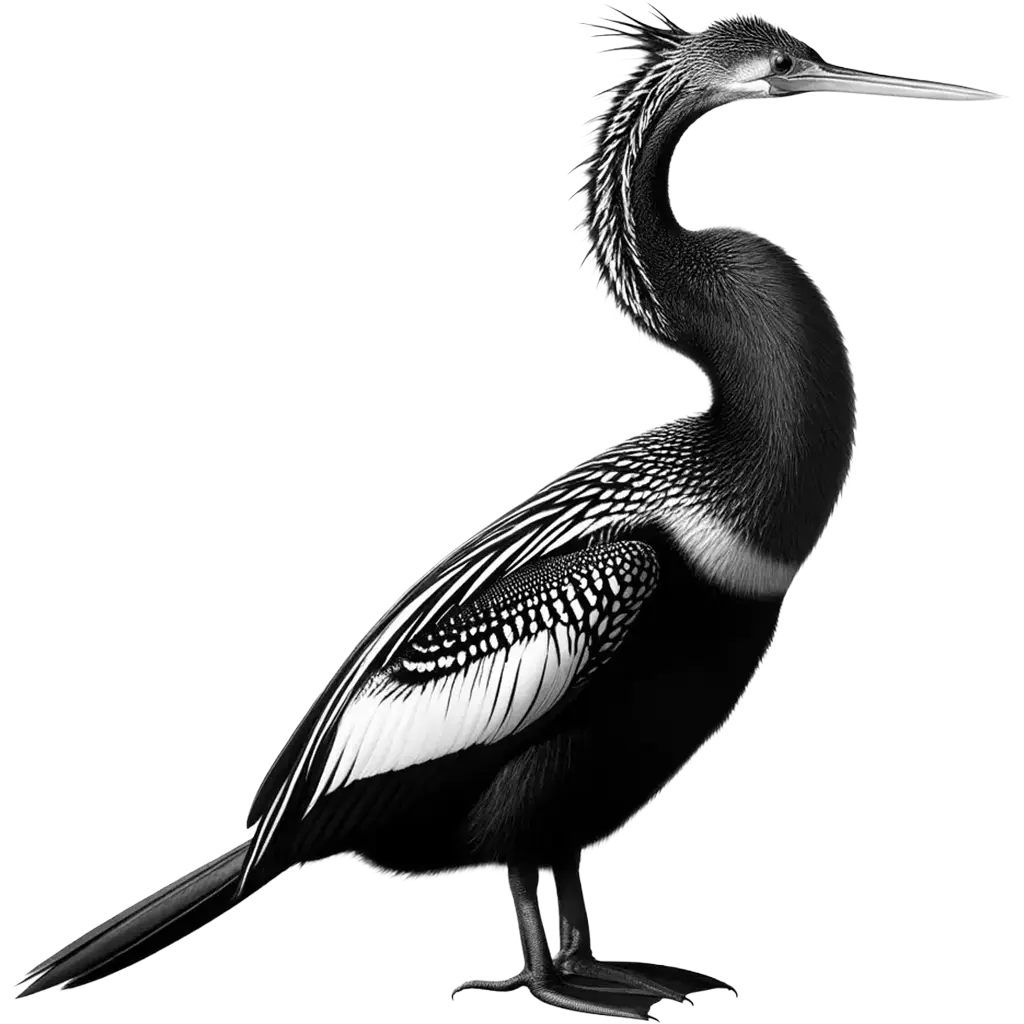
The Anhinga, Anhinga Anhinga, also known as the Snakebird, is a distinctive water bird native to freshwater lakes, swamps, and slow-moving rivers across the American tropics, from the southeastern United States to Argentina. This bird is named for its long, thin neck, which gives it a snake-like appearance when swimming
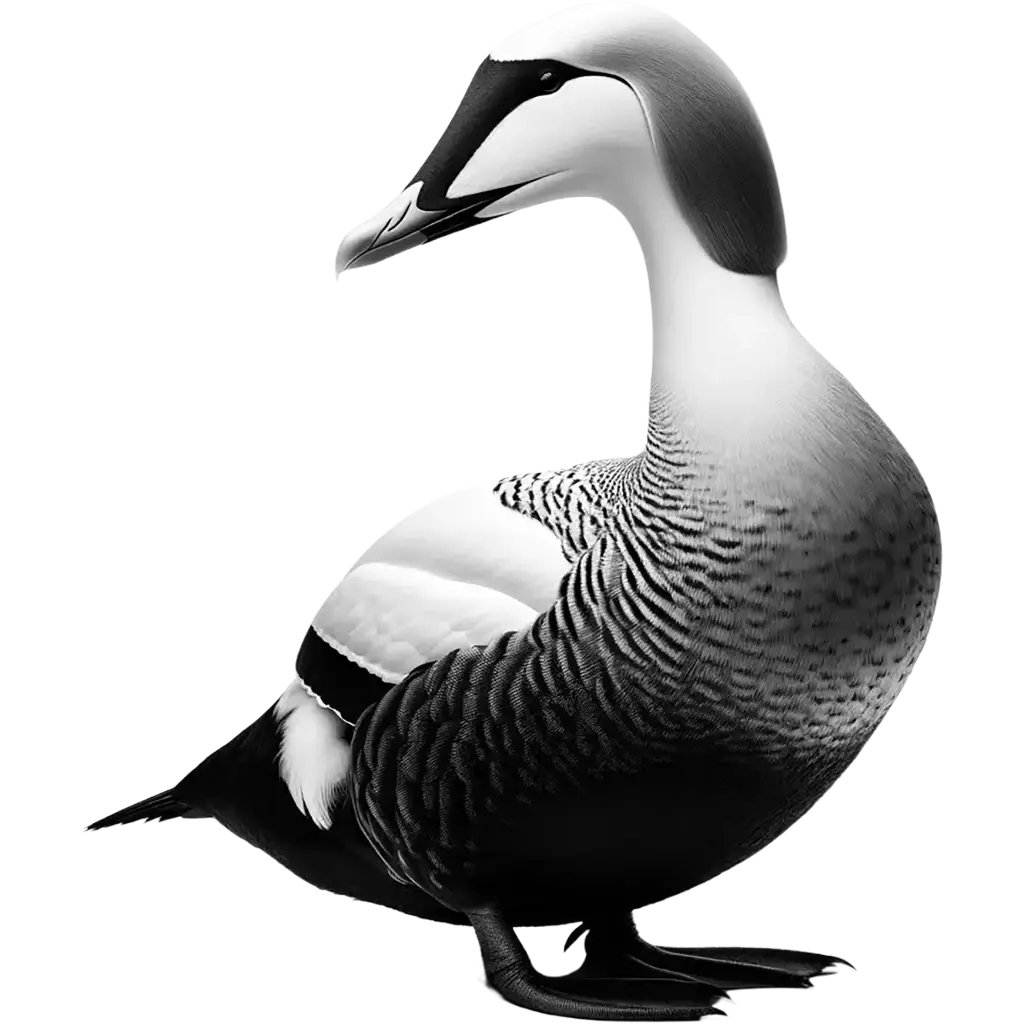
The King Eider, somateria spectabilis, is a large, striking sea duck known for its circumpolar distribution in the Arctic regions of North America, Europe, and Asia. Male King Eiders are particularly notable for their distinctive appearance during the breeding season, with a bold black and white pattern, a bright orange