
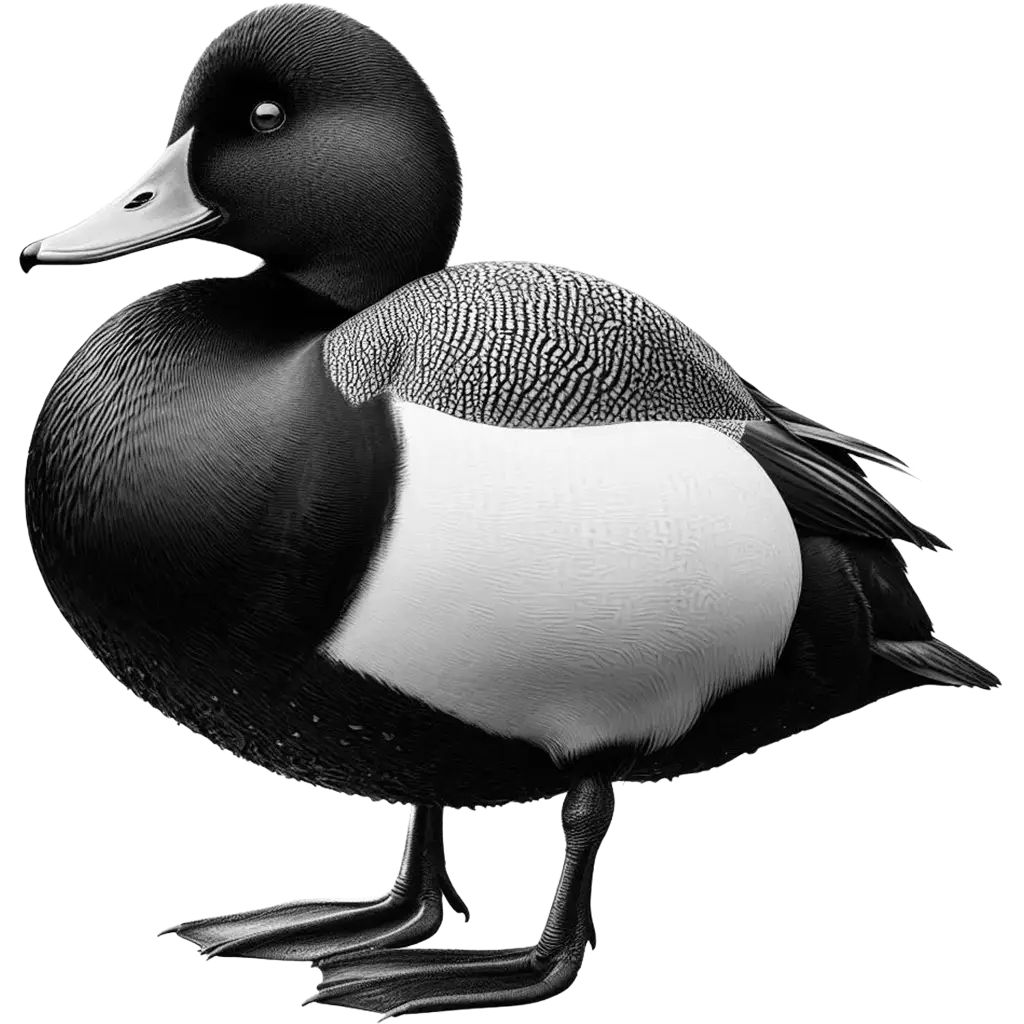
Aythya Marila
Greater Scaup
Breeds in northern tundra and boreal forest wetlands; winters along coastal waters, large lakes, and estuaries
The Greater Scaup, aythya marila, is a medium-sized diving duck known for its circumpolar distribution, breeding in the northernmost reaches of Europe, Asia, and North America, and wintering further south in coastal bays, estuaries, and inland lakes. Males are recognizable by their dark, iridescent green heads, bright yellow eyes, and contrasting pale gray bodies, while females display a more uniform brown plumage with a distinctive white patch near the base of the bill. Both sexes exhibit a characteristic blue bill, earning them the nickname 'bluebill.' Adults typically measure between 38 to 51 centimeters (15 to 20 inches) in length, with a wingspan of approximately 70 to 84 centimeters (28 to 33 inches).
| Population: | Not precisely quantified; populations appear to be decreasing, leading to conservation concerns |
| Generation Length: | 5 years |
| Average Weight: | 0.9-1.2 kg |
| Average Length: | 38-48 cm |
| Lifespan: | Up to 20 years in the wild, though average is likely lower |
| Diet: | Varied, mainly aquatic invertebrates and plants |
| Conservation Status: | Least Concern (LC) |
Greater Scaups prefer shallow coastal waters and freshwater lakes during the non-breeding season, where they can be found in large, sometimes mixed-species flocks. Their breeding habitat includes tundra ponds and coastal marshes in the Arctic, where they nest on the ground, concealed among vegetation. These ducks are social and gregarious outside of the breeding season, forming large flocks on wintering grounds.
The diet of the Greater Scaup is varied, consisting primarily of mollusks, aquatic insects, crustaceans, and plant matter, which they obtain by diving. Their ability to dive deep and forage in cold waters makes them well-adapted to their preferred habitats, playing a significant role in aquatic food webs by controlling invertebrate populations.
Reproduction for the Greater Scaup begins with the return to their northern breeding grounds in the spring, where females lay 5 to 11 eggs in a well-concealed nest. Incubation lasts about 24 to 28 days, with the female solely responsible for nurturing the eggs. Chicks are precocial, able to swim and feed themselves shortly after hatching, though they remain under the care of the female until they are ready to fly.
The Greater Scaup is classified as Least Concern by the IUCN, though its populations are closely monitored due to concerns over habitat degradation, pollution, and the impacts of climate change on their breeding and wintering grounds. Conservation efforts focus on habitat preservation, pollution control, and monitoring population trends to ensure the sustainability of this species. The Greater Scaup's wide range and adaptability have helped it maintain stable populations, but continued vigilance is necessary to address potential threats.
Classifications
The Key Attributes
Features
- Movement:
Flight, diving
- Territorial Behavior:
Non-territorial; forms large flocks during migration and winter
- Speed:
Fast fliers; specific speeds not quantified
- Diet:
Omnivore
- Physical Features:
- Compact body with a round head
- Blue bill with a black tip
- Male has dark head with iridescent green or purple sheen, white sides, and black breast
- Female is brown with a white face patch
- Primary Senses:
- Sight
- Hearing
Understanding Habitat and Range
Geography
- Habitat:
Breeds in northern tundra and boreal forest wetlands; winters along coastal waters, large lakes, and estuaries
- Migration Patterns:
Highly migratory, breeding in the Arctic and wintering in temperate and subtropical coastal areas
- Geographical Range:
Circumpolar distribution; in North America, breeds in Alaska and Canada, winters along both coasts and the Great Lakes
- Climate Preferences:
Varied; breeds in colder northern regions, winters in milder climates
Navigating the Wilderness
In the wild
- Predators:
Eagles, hawks, and foxes prey on scaup, especially ducklings
- Prey:
Aquatic invertebrates, fish, and plant material
- Feeding Behavior:
Dives to forage on aquatic plants, mollusks, and small fish
- Diet:
Varied, mainly aquatic invertebrates and plants
- Defensive Mechanisms:
- Diving to escape predators
- Forming large flocks to reduce individual predation risk
- Preferred Food Sources:
- Mollusks
- Aquatic plants
- Small fish
Insights Into Reproduction
Mating
- Mating System:
Monogamous during the breeding season
- Number of Offspring:
6-9 eggs
- Incubation Period:
About 24-28 days
- Parental Involvement:
- Female primarily responsible for incubation and initial care of ducklings; male may leave before hatching
Youngsters Section
Greater Scaup
Fun Fact
The Greater Scaup is a diving duck known for its ability to dive deep underwater in search of food.
These ducks can dive as deep as 20 feet to find their favorite meals like clams, snails, and aquatic plants. They have specialized adaptations, such as webbed feet and dense feathers, which help them in swimming and insulating against cold water while foraging.

Download word search puzzles
Word Search Puzzles

Check Out Other Birds

The Killdeer, charadrius vociferus, is a medium-sized plover known for its distinctive 'kill-deer' call from which it gets its name. Measuring approximately 20 to 25 cm in length, with a wingspan of 45 to 50 cm, the Killdeer is easily recognized by its brownish-tan back and white underbelly. A notable
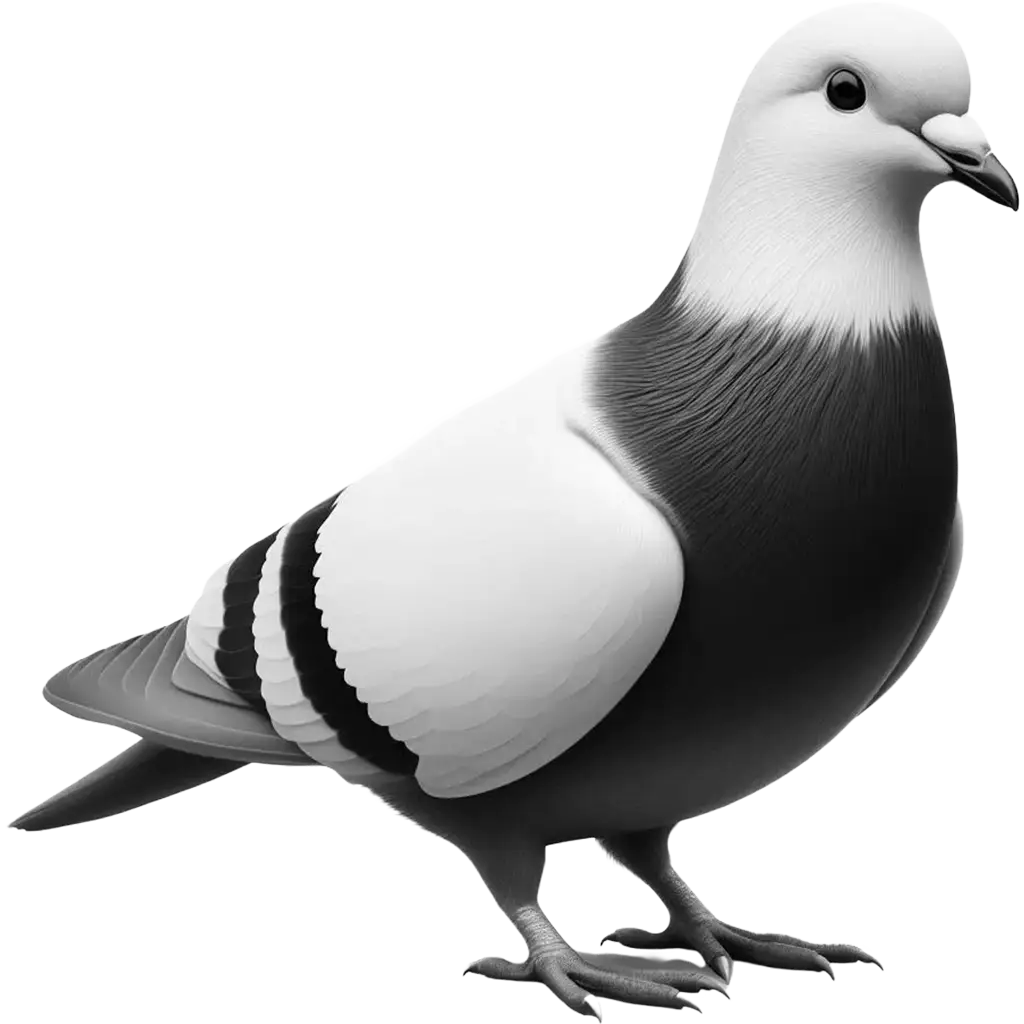
The Silvery Pigeon, columba argentina, is a rare and elusive bird species primarily found in the islands of Indonesia and parts of Malaysia. This medium-sized pigeon exhibits a distinctive plumage, predominantly silvery-grey with darker grey wings and a white underbelly, making it one of the more striking pigeon species in
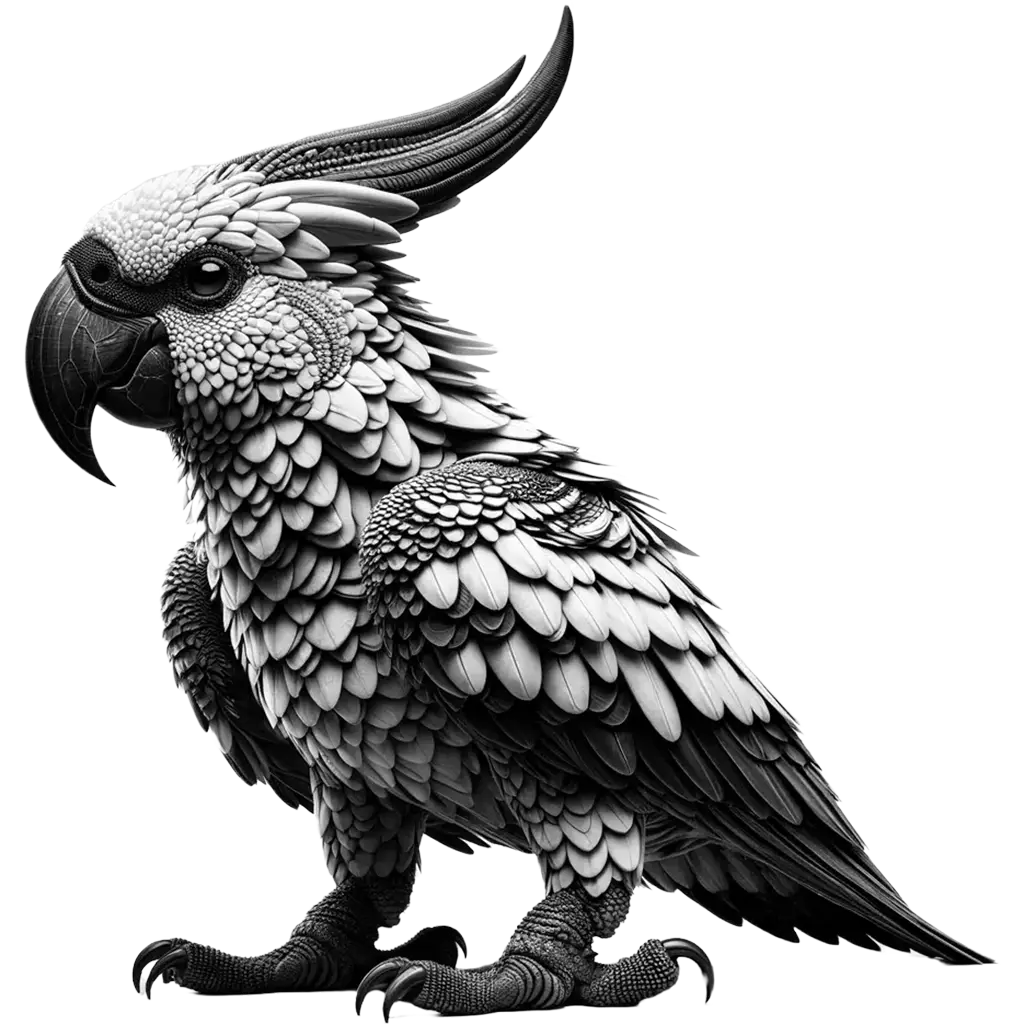
The Horned Parakeet, eunymphicus cornutus, is a vibrantly colored bird, distinguished by its unique red and blue facial markings and the notable horn-like feathers protruding from its head. This medium-sized parakeet, measuring around 32 cm in length, boasts a predominantly green plumage that blends seamlessly with the lush foliage of
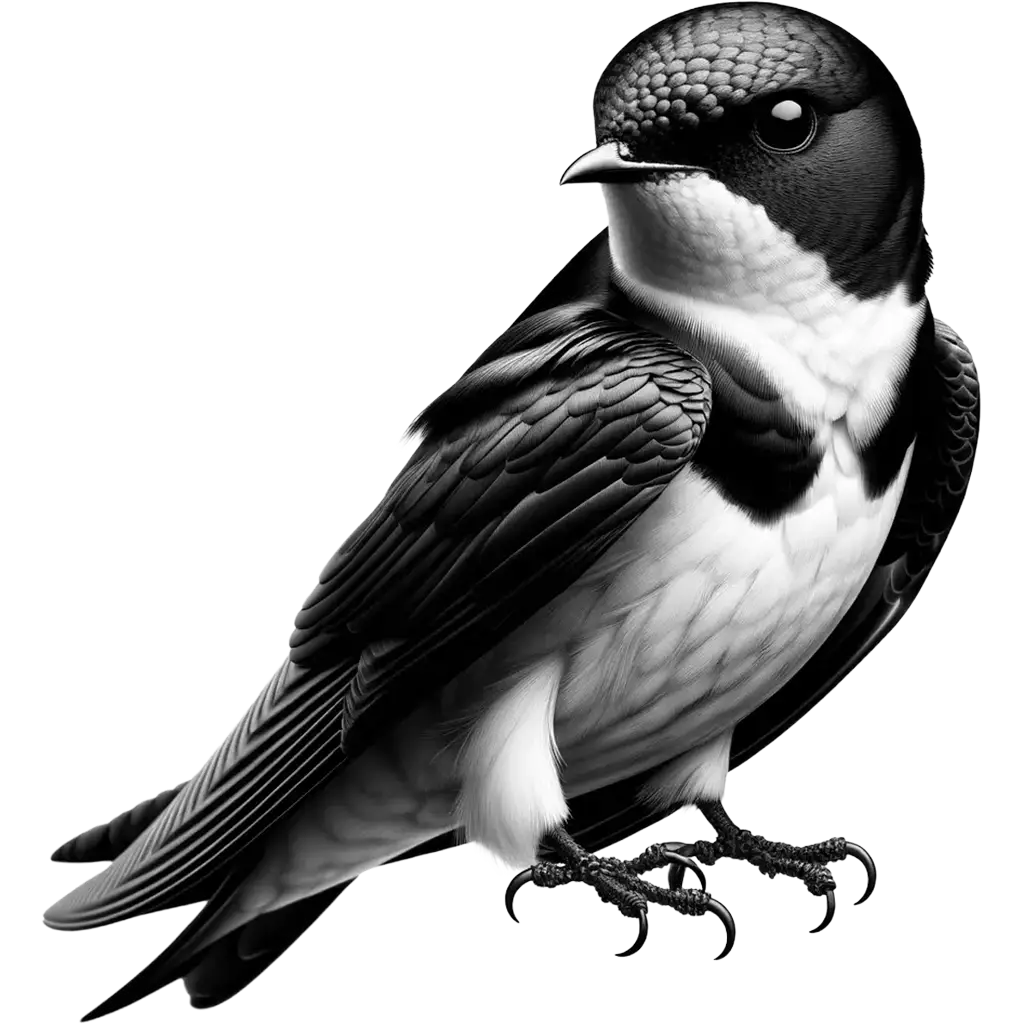
The Asian House Martin, delichon dasypus, is a small and agile bird, easily identified by its glossy blue-black upper parts and contrasting pure white underparts. This species features a distinctive short forked tail and a relatively wide wingspan for its size, which facilitates its exceptional aerial agility. Adult birds typically