
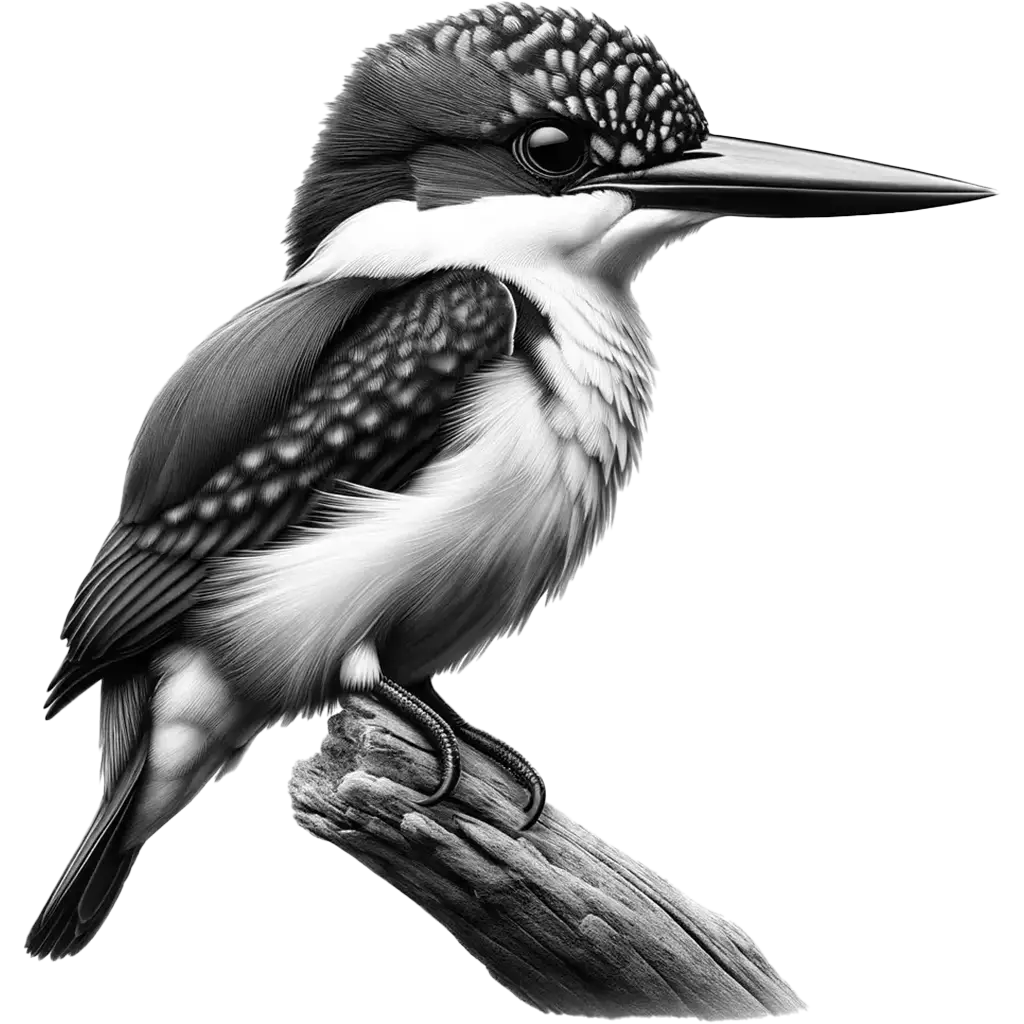
Corythornis Cristatus
Malachite Kingfisher
Freshwater habitats like rivers, lakes, and wetlands with abundant vegetation
The Malachite Kingfisher, corythornis cristatus, is a small, vibrantly colored bird, renowned for its brilliant plumage and striking appearance. Measuring approximately 13 cm in length and weighing around 17 grams, this bird boasts a bright blue to turquoise upper body, with a contrasting rust-orange underparts. A distinctive feature is its black bill, perfectly designed for fishing, and a prominent crest on its head, which adds to its regal demeanor. The bird's face displays a mix of white and black, with keen, forward-looking eyes that enhance its hunting prowess.
| Population: | Widespread and common, classified as Least Concern |
| Generation Length: | 3-4 years |
| Average Weight: | 14-17 grams |
| Average Length: | 13 cm |
| Lifespan: | Up to 5-6 years in the wild |
| Diet: | Mainly fish and aquatic invertebrates |
| Conservation Status: | Least Concern (LC) |
Native to the freshwater habitats of sub-Saharan Africa, the Malachite Kingfisher thrives along rivers, lakes, and wetlands, where vegetation is abundant. This habitat preference supports its solitary and territorial nature, often seen perched on a branch or reed, scanning the water for prey. Their presence indicates healthy aquatic ecosystems, as they rely on clear, unpolluted water to spot and dive for fish.
The diet of the Malachite Kingfisher primarily consists of small fish, aquatic insects, and crustaceans. It hunts by diving headfirst into the water from its perch, catching prey with its bill, and returning to its perch or a favored rock to consume its catch. This hunting method showcases the bird's incredible precision and agility, making it a fascinating species to observe.
Reproduction for Malachite Kingfishers involves monogamy, with pairs jointly excavating a tunnel in a riverbank to nest. The tunnel ends in a chamber where the female lays 3 to 6 eggs. Both parents share the duties of incubation and feeding the altricial young, which are dependent on their parents for several weeks post-hatching.
The population of the Malachite Kingfisher is currently stable, benefiting from its wide distribution and adaptability to various aquatic environments. However, it faces threats from habitat degradation, pollution, and water extraction, which impact its food sources and nesting sites. Conservation efforts focusing on the preservation of wetland habitats and the maintenance of water quality are crucial for ensuring the continued survival of this species. The Malachite Kingfisher's role in controlling insect and fish populations underscores its ecological importance, making it a key species for biodiversity in African freshwater ecosystems.
Classifications
The Key Attributes
Features
- Movement:
Flying, diving
- Territorial Behavior:
Territorial, especially during breeding season
- Speed:
Not specifically quantified; known for fast, agile flight and expert diving skills
- Diet:
Carnivore
- Physical Features:
- Bright blue and turquoise plumage with a distinctive crest
- Orange underparts and a white throat
- Short, stubby tail and pointed wings
- Sharp, pointed bill for catching fish
- Primary Senses:
- Sight
Understanding Habitat and Range
Geography
- Habitat:
Freshwater habitats like rivers, lakes, and wetlands with abundant vegetation
- Migration Patterns:
Mainly sedentary, but may move locally depending on water levels and food availability
- Geographical Range:
Sub-Saharan Africa, from Senegal and Ethiopia south to South Africa
- Climate Preferences:
Tropical and subtropical climates
Navigating the Wilderness
In the wild
- Predators:
Larger birds of prey and snakes
- Prey:
Fish, aquatic insects, and small invertebrates
- Feeding Behavior:
Hunts by perching above water and diving to catch fish and aquatic invertebrates
- Diet:
Mainly fish and aquatic invertebrates
- Defensive Mechanisms:
- Rapid flight to escape predators
- Camouflage among aquatic vegetation
- Preferred Food Sources:
- Clear, slow-moving waters with abundant fish and aquatic invertebrates
Insights Into Reproduction
Mating
- Mating System:
Monogamous
- Number of Offspring:
3-6 eggs per clutch
- Incubation Period:
About 13-14 days
- Parental Involvement:
- Both parents share in feeding and caring for the young
Youngsters Section
Malachite Kingfisher
Fun Fact
The malachite kingfisher is a vivid bird often found near slow-moving or still waters in Africa.
Its striking blue and orange plumage makes it highly visible amidst reeds and vegetation. These birds are excellent fishers, plunging headfirst into the water to catch small fish and aquatic insects. Their nests are usually burrowed into riverbanks, offering protection from predators.

Download word search puzzles
Word Search Puzzles


Check Out Other Birds
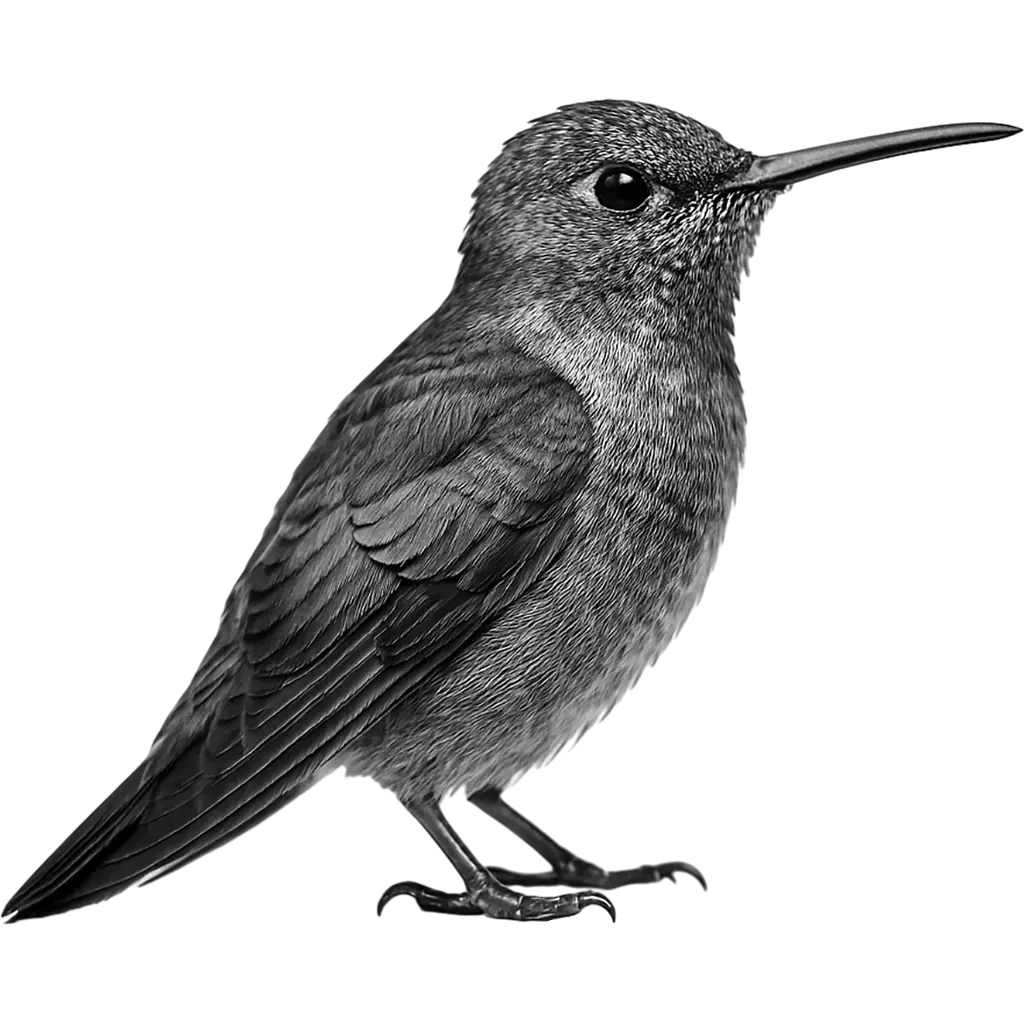
The Buff-bellied Hummingbird is a dazzling small bird distinguished by its vibrant coloration and sleek, streamlined body. Its plumage gleams with iridescent greens and subtle hues of blue, with a notable buff-colored belly that contrasts with its shimmering metallic back. The bird features a delicate, elongated bill perfect for accessing
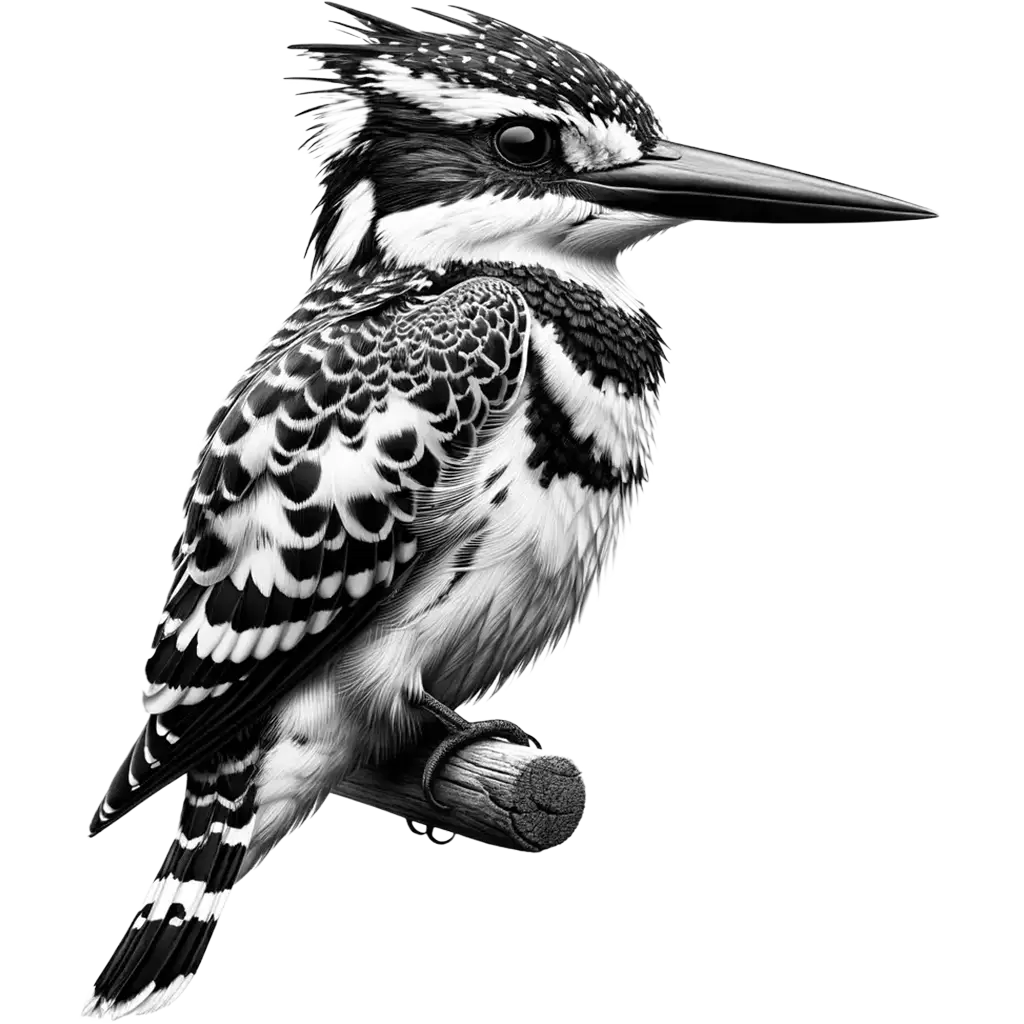
The Pied Kingfisher, ceryle rudis, is a distinctive bird known for its striking black and white plumage and its ability to hover over water before diving to catch fish. This medium-sized kingfisher typically measures between 25 to 29 cm in length, with males and females exhibiting similar color patterns. The

The Great Blue Heron, ardea herodias, stands as one of North America's most recognizable and widespread wading birds. This majestic species exhibits a striking blue-gray plumage, a sharp, dagger-like bill, and an impressive wingspan that can reach up to 2 meters (6.6 feet), making it the largest heron in North
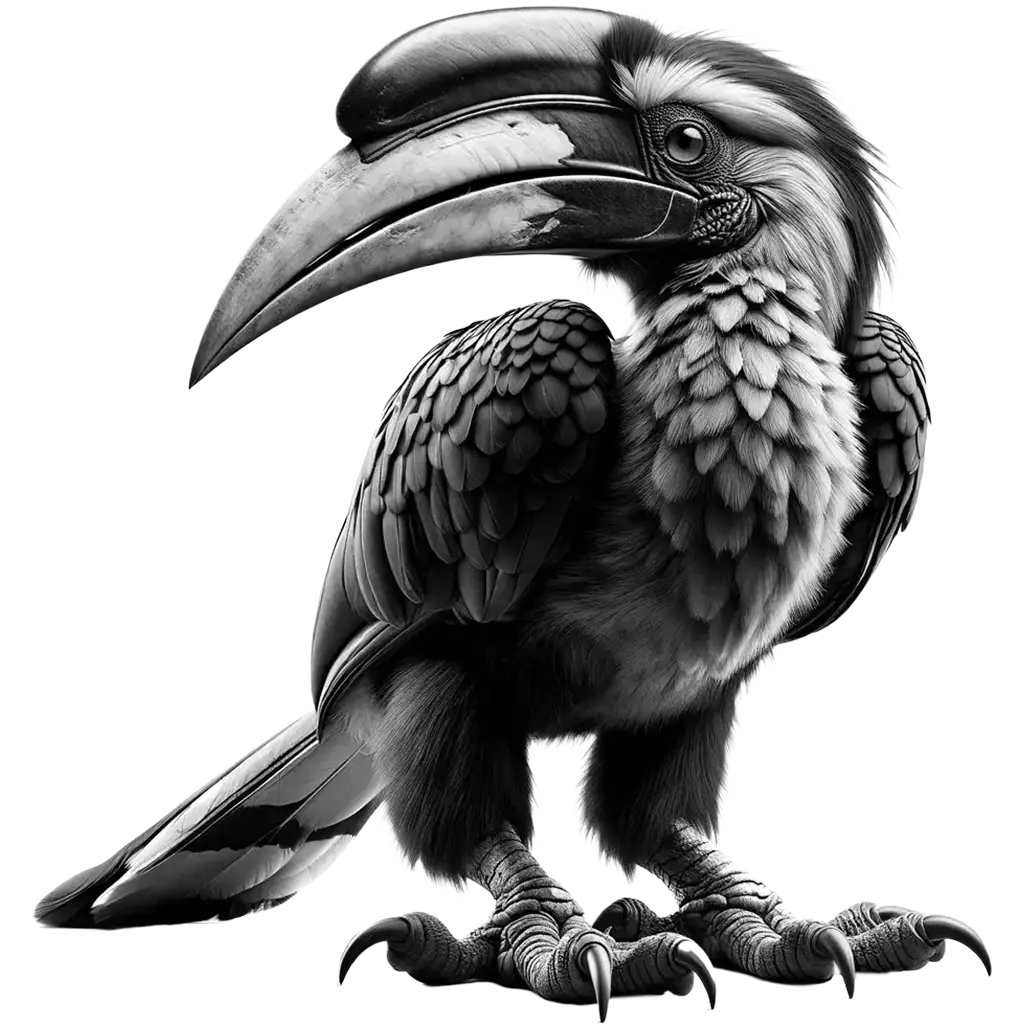
Blyth's Hornbill, rhyticeros plicatus, also known as the papuan hornbill, is a large and distinctive bird native to the forests of New Guinea, the Bismarck Archipelago, and the Solomon Islands. This species is notable for its impressive size, with males reaching up to 91 cm in length and featuring a