
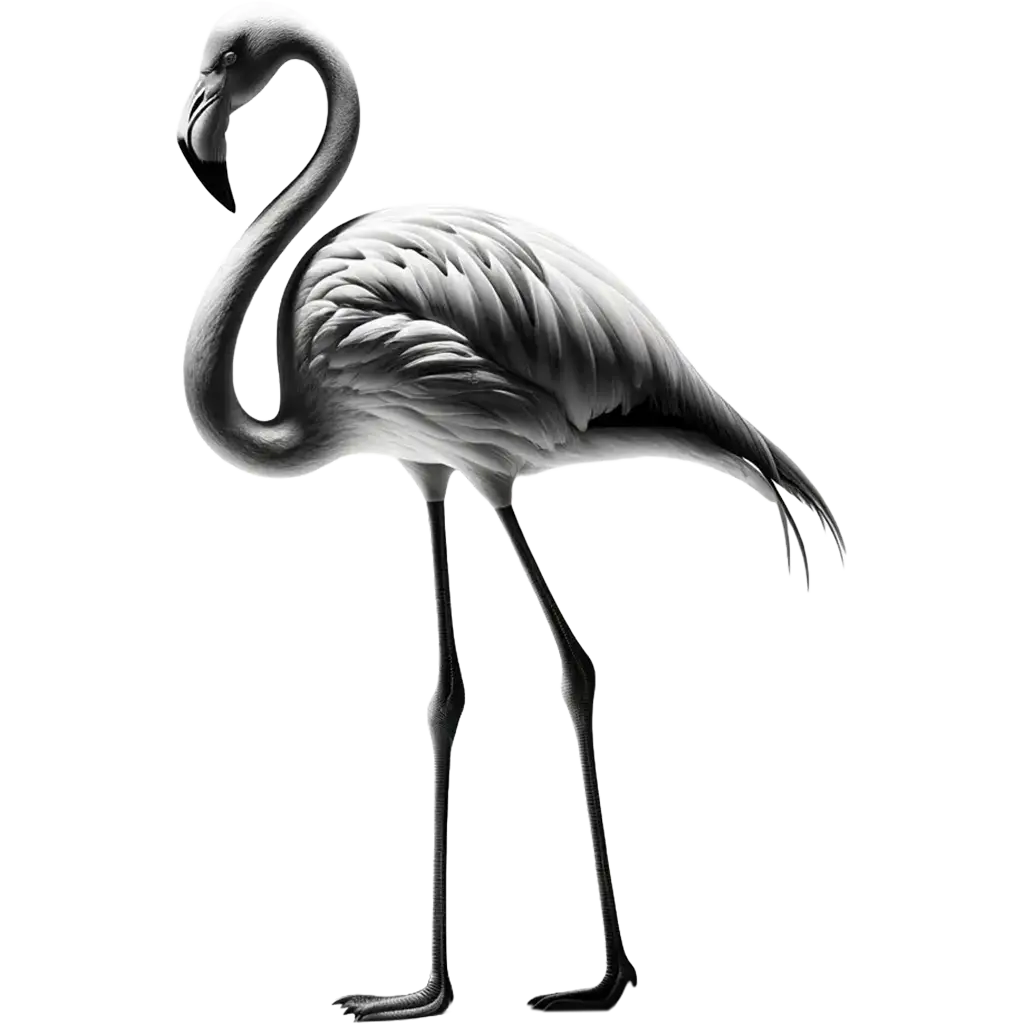
Phoenicopterus Ruber
American Flamingo
Shallow lakes, lagoons, mangrove swamps, tidal flats
The American Flamingo, phoenicopterus ruber, is a vibrant bird known for its striking pink feathers, long, lean legs, and distinctive downward-bending beak. This species stands tall, reaching heights of up to 1.2 to 1.45 meters. The intensity of their pink coloration, which ranges from light pink to a more intense red, is derived from carotenoids in their diet. Juveniles start with a gray plumage that gradually turns pink as they age, a process that can take up to three years. Their long necks and legs are specifically adapted for wading in shallow waters, where they spend much of their time.
| Population: | Not precisely known, but not currently considered endangered |
| Generation Length: | 5-6 years |
| Average Weight: | 2.8 kg |
| Average Length: | 120-145 cm |
| Lifespan: | 20-30 years in the wild, up to 50 years in captivity |
| Diet: | Algae, diatoms, small aquatic organisms |
| Conservation Status: | Least Concern (LC) |
American Flamingos are highly social birds, often found in large flocks that can number in the thousands. These flocks provide safety in numbers from predators and are an essential aspect of their breeding behavior, creating spectacular displays during mating rituals. Flamingos are known for their synchronized performances, involving intricate group dances that include head-flagging, wing displays, and loud calling. They inhabit saline lakes, estuarine lagoons, and mangrove swamps, where they feed and breed, primarily in the Caribbean, coastal Colombia, Venezuela, and the Galápagos Islands.
The diet of the American Flamingo is primarily composed of small organisms such as algae, crustaceans, and aquatic invertebrates. Their beaks are specially adapted to filter feed; they stir up the mud with their feet, then dip their beak into the water upside down to sieve out their food. The carotenoids found in their diet are metabolized and give their feathers the characteristic pink hue. This diet is crucial not only for their coloration but also for their overall health and breeding success.
Mating in flamingos occurs in large colonies where nests are built from mud, and each pair lays a single large, white egg. The mating season varies geographically, but it typically occurs during the spring and early summer. Both parents share the responsibility of incubating the egg for about 28 to 32 days, and they continue to feed and care for the chick after it hatches, using a special type of milk produced in their digestive tract.
The population of the American Flamingo had faced declines due to habitat loss, pollution, and exploitation for feathers and eggs. However, conservation efforts, including habitat protection and legal protection from hunting and egg collection, have helped stabilize some populations. Ongoing challenges include environmental changes that affect their food supply and breeding sites. Conservation and research efforts are crucial for the continued survival of the American Flamingo, emphasizing the importance of international cooperation in preserving these iconic birds and their habitats.
Classifications
The Key Attributes
Features
- Movement:
Wading, flying
- Territorial Behavior:
Highly social, lives in large colonies
- Speed:
Flight speed up to 50-60 km/h
- Diet:
Filter feeder, eating small organisms like algae, crustaceans, and small fish
- Physical Features:
- Long, curved neck
- Long legs for wading
- Distinctive pink coloration due to diet
- Primary Senses:
- Sight
- Tactile feeding (bill sensitivity)
Understanding Habitat and Range
Geography
- Habitat:
Shallow lakes, lagoons, mangrove swamps, tidal flats
- Migration Patterns:
Some populations migrate between breeding and wintering sites
- Geographical Range:
Caribbean islands, the northern coast of South America, and the Galápagos Islands
- Climate Preferences:
Warm, tropical and subtropical climates
Navigating the Wilderness
In the wild
- Predators:
Eggs and young are vulnerable to a variety of predators including birds of prey and mammals
- Prey:
Algae, small invertebrates
- Feeding Behavior:
Group foraging in shallow water
- Diet:
Algae, diatoms, small aquatic organisms
- Defensive Mechanisms:
- Flight
- Social defense in large colonies
- Preferred Food Sources:
- Shallow water bodies rich in food sources
Insights Into Reproduction
Mating
- Mating System:
Monogamous
- Number of Offspring:
1 egg
- Incubation Period:
27-31 days
- Parental Involvement:
- Both parents incubate the egg and feed the chick
Youngsters Section
American Flamingo
Fun Fact
The American Flamingo is known for its vibrant pink color, which it gets from its diet of carotenoid-rich foods.
These foods include algae, crustaceans, and plankton, which contain pigments called carotenoids. When flamingos digest these pigments, they are converted into the pink and orange hues that color their feathers. The intensity of the color depends on the quantity and quality of their diet.

Download word search puzzles
Word Search Puzzles


Check Out Other Birds

The Barred Owl, Strix varia, is a large North American owl known for its distinctive hooting call, which sounds like 'Who cooks for you? Who cooks for you all?' This species has a rounded head with no ear tufts, deep brown eyes, and a mottled brown and white plumage that
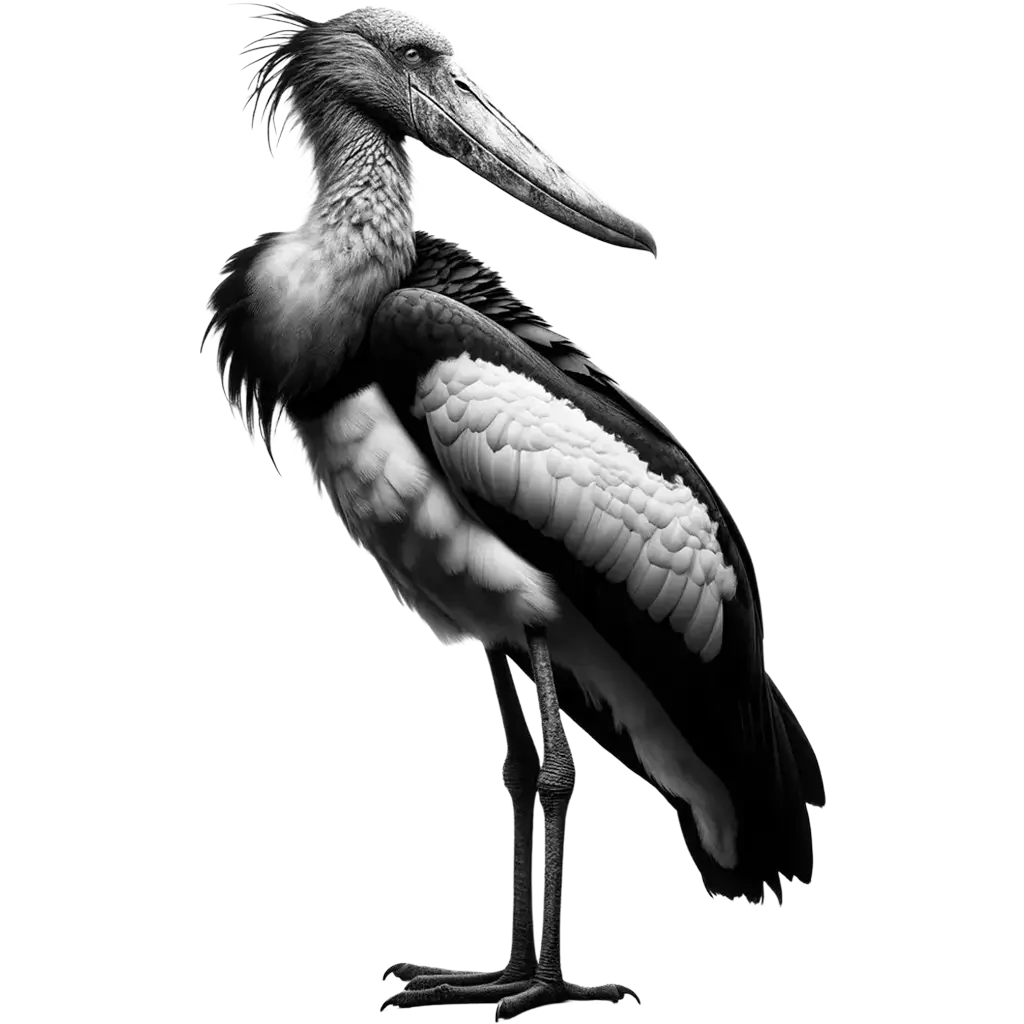
The Greater Adjutant, leptoptilos dubius, is a large stork standing at an impressive height of up to 1.5 meters with a wingspan reaching 2.5 meters. Its appearance is distinctive with a bald head and neck, a heavy bill, and a predominantly dark grey plumage, except for the white underparts. The
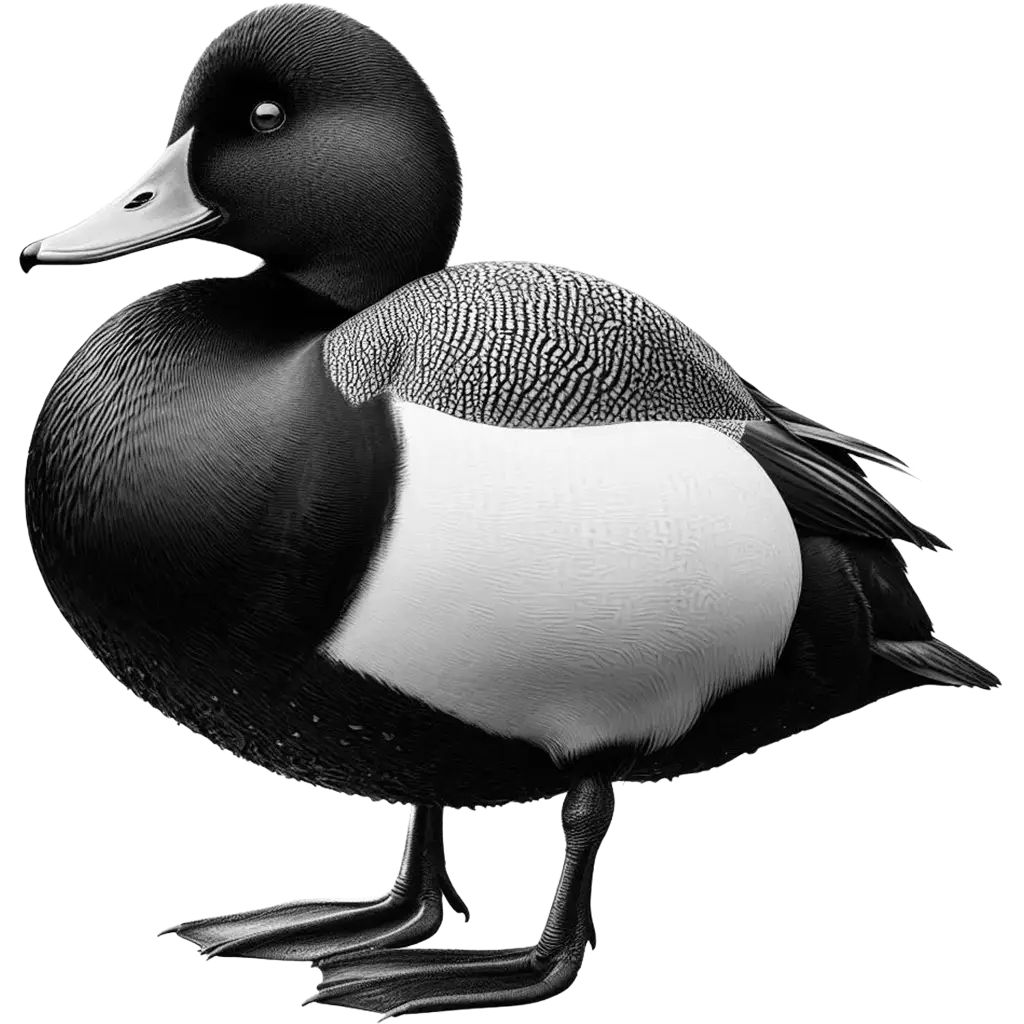
The Greater Scaup, aythya marila, is a medium-sized diving duck known for its circumpolar distribution, breeding in the northernmost reaches of Europe, Asia, and North America, and wintering further south in coastal bays, estuaries, and inland lakes. Males are recognizable by their dark, iridescent green heads, bright yellow eyes, and
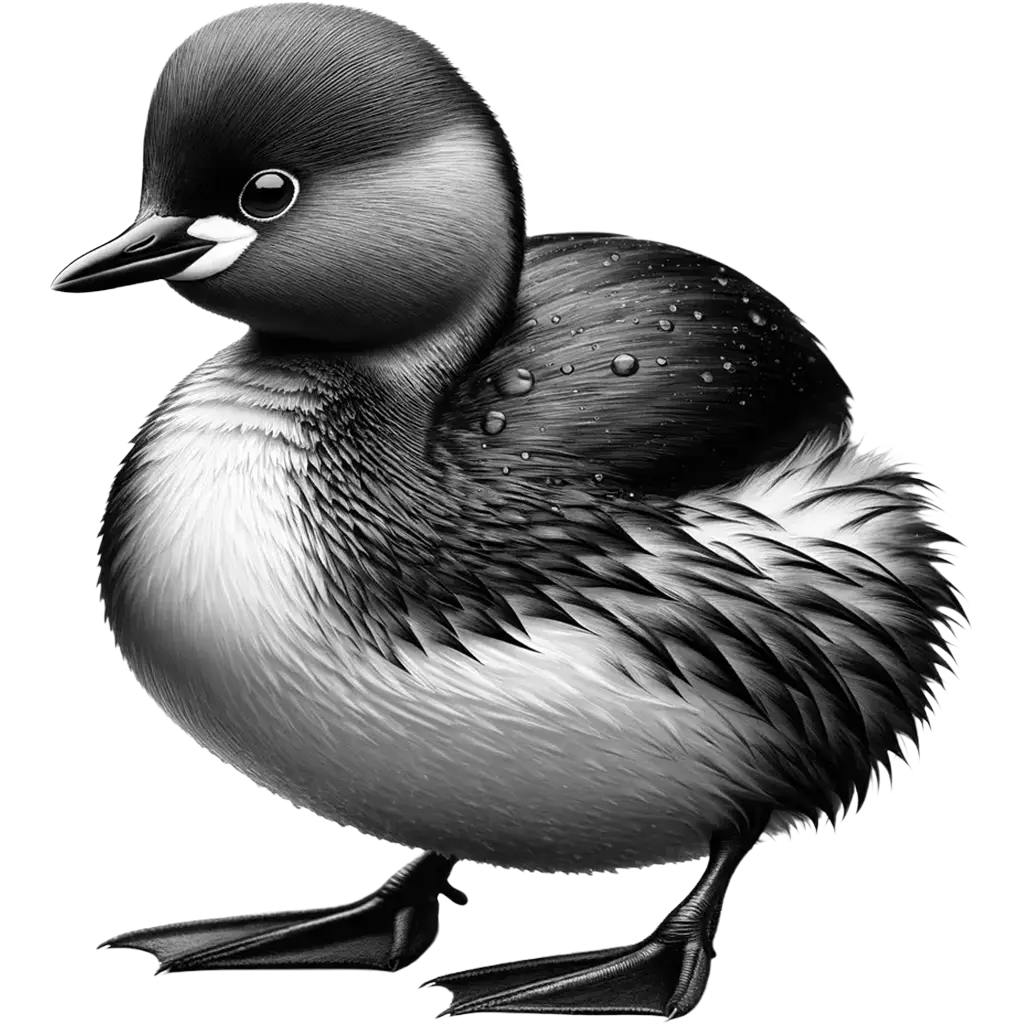
The Little Grebe, tachybaptus ruficollis, also known as the Dabchick, is a small water bird, celebrated for its remarkable diving ability and agility in water. Adults typically measure about 23 to 29 cm in length, with a distinctive stout body, short neck, and almost tailless appearance. During the breeding season,