
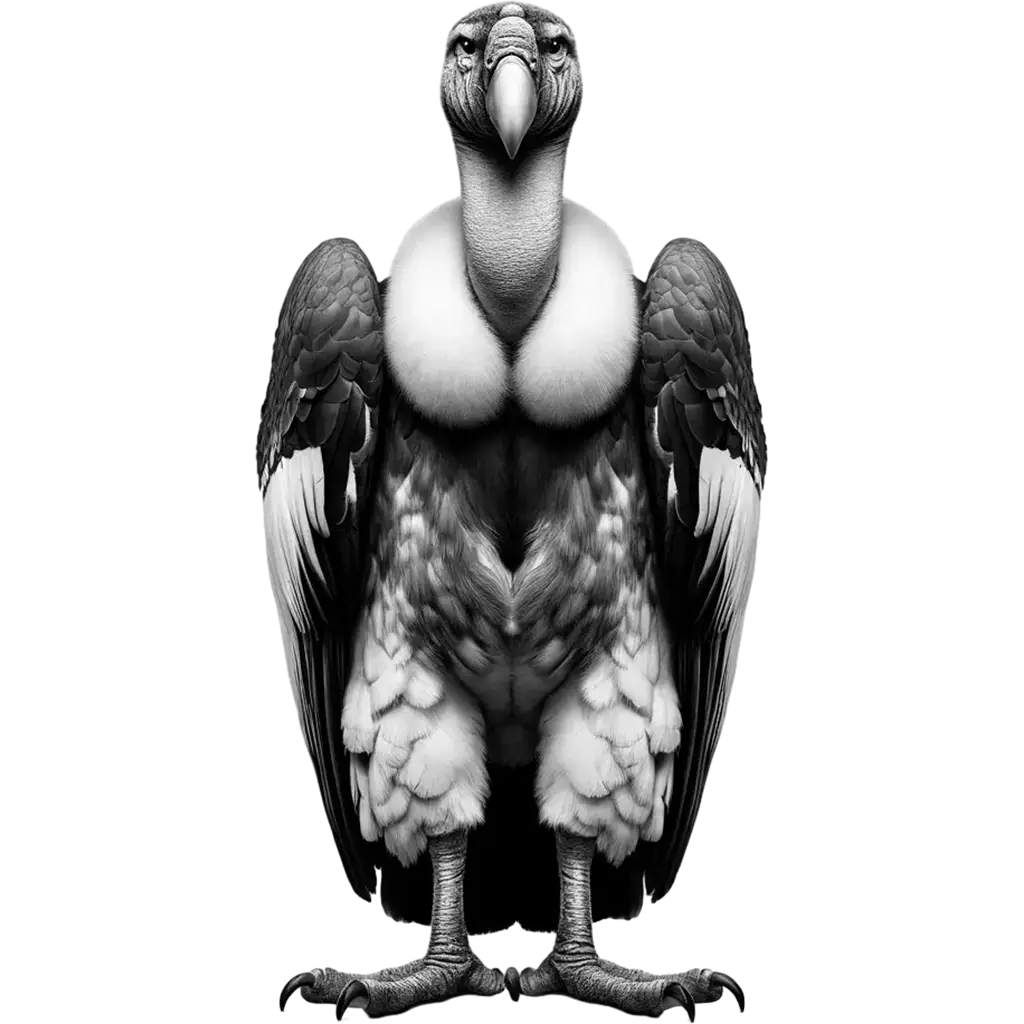
Vultur Gryphus
Andean Condor
Mountains and open landscapes
The Andean Condor, vultur gryphus, is a majestic bird of prey that reigns over the skies of South America. It is one of the largest flying birds in the world, with a wingspan that can exceed 3 meters, allowing it to glide effortlessly on thermal air currents. The adult male boasts a distinctive white ruff at the base of the neck, a large, bulbous head with minimal feathering, and deep red to blackish skin. Females and younger condors are slightly smaller and lack the male's dramatic coloring and comb. The bird's overall plumage is primarily black, with striking white flight feathers on the wings, adding contrast and visibility against the backdrop of the Andean mountains.
| Population: | Decreasing, considered Near Threatened |
| Generation Length: | Approximately 20 years |
| Average Weight: | 8-15 kg |
| Average Length: | 100-130 cm |
| Lifespan: | 50-70 years |
| Diet: | Carrion |
| Conservation Status: | Vulnerable (VU) |
The Andean Condor is primarily found along the Andes mountain range, from Venezuela to the southern tip of Chile and Argentina. It prefers rocky, open areas at high altitudes, up to 5,000 meters, where it can take advantage of the updrafts to soar with minimal effort. These condors are known for their remarkable soaring ability, spending much of their time in flight searching for food. They play a crucial role in the ecosystem as scavengers, feeding on the carcasses of dead animals, which helps prevent the spread of disease. The condors are highly social birds, often seen roosting and flying in groups, and their presence is deeply interwoven with South American folklore and mythology.
The diet of the Andean Condor consists almost exclusively of carrion. These birds use their keen eyesight to scan the landscape for dead animals, ranging from small rodents to large ungulates. Their preference for carrion means they are not typically hunters but rather play an essential part in the natural cleanup crew of their habitats. This scavenging lifestyle allows them to cover vast areas in search of food, contributing to the health of their ecosystem by removing decaying matter.
Mating rituals of the Andean Condor are elaborate, involving displays of flight, feather spreading, and vocalizations to attract a mate. They are monogamous birds, forming long-term pair bonds that can last for life. The breeding cycle is slow, with the female laying a single egg every other year. Nests are typically located on inaccessible rock ledges, where the parents take turns incubating the egg for about 60 days. Both parents are involved in rearing the chick, which depends on them for food and protection for up to a year after hatching.
The Andean Condor is considered near threatened, with declining populations due to habitat loss, poisoning from eating contaminated carrion, and persecution. They have a low reproductive rate, which makes their populations vulnerable to these threats. Conservation efforts are underway to protect their habitats, reduce human-wildlife conflicts, and educate local populations about the importance of condors to the ecosystem. These efforts include breeding programs and legal protections to ensure the survival of this iconic species, which is not only a symbol of the Andes but also an integral part of the South American natural heritage.
Classifications
The Key Attributes
Features
- Movement:
Flight, with ability to soar for hours without flapping wings
- Territorial Behavior:
Non-territorial, but has specific roosting and nesting sites
- Speed:
Can reach speeds up to 55 km/h in flight
- Diet:
Scavenger, feeding mostly on carrion
- Physical Features:
- Large wingspan up to 3.3 meters
- Black body with white ruff at base of neck
- Bald head and neck
- Primary Senses:
- Sight
- Smell
Understanding Habitat and Range
Geography
- Habitat:
Mountains and open landscapes
- Migration Patterns:
Non-migratory, but can travel great distances in search of food
- Geographical Range:
Andes mountains and adjacent Pacific coasts of western South America
- Climate Preferences:
Prefers cold to temperate climates, adapts to various altitudes
Navigating the Wilderness
In the wild
- Predators:
Few natural predators due to size, mainly threatened by humans
- Prey:
Carcasses of dead animals
- Feeding Behavior:
Feeds on carcasses, often waiting for other predators to open them
- Diet:
Carrion
- Defensive Mechanisms:
- Large size
- Flight
- Preferred Food Sources:
- Carcasses of large mammals
Insights Into Reproduction
Mating
- Mating System:
Monogamous
- Number of Offspring:
1 egg every 2 years
- Incubation Period:
54-58 days
- Parental Involvement:
- Both parents share in incubating the egg and raising the chick
Youngsters Section
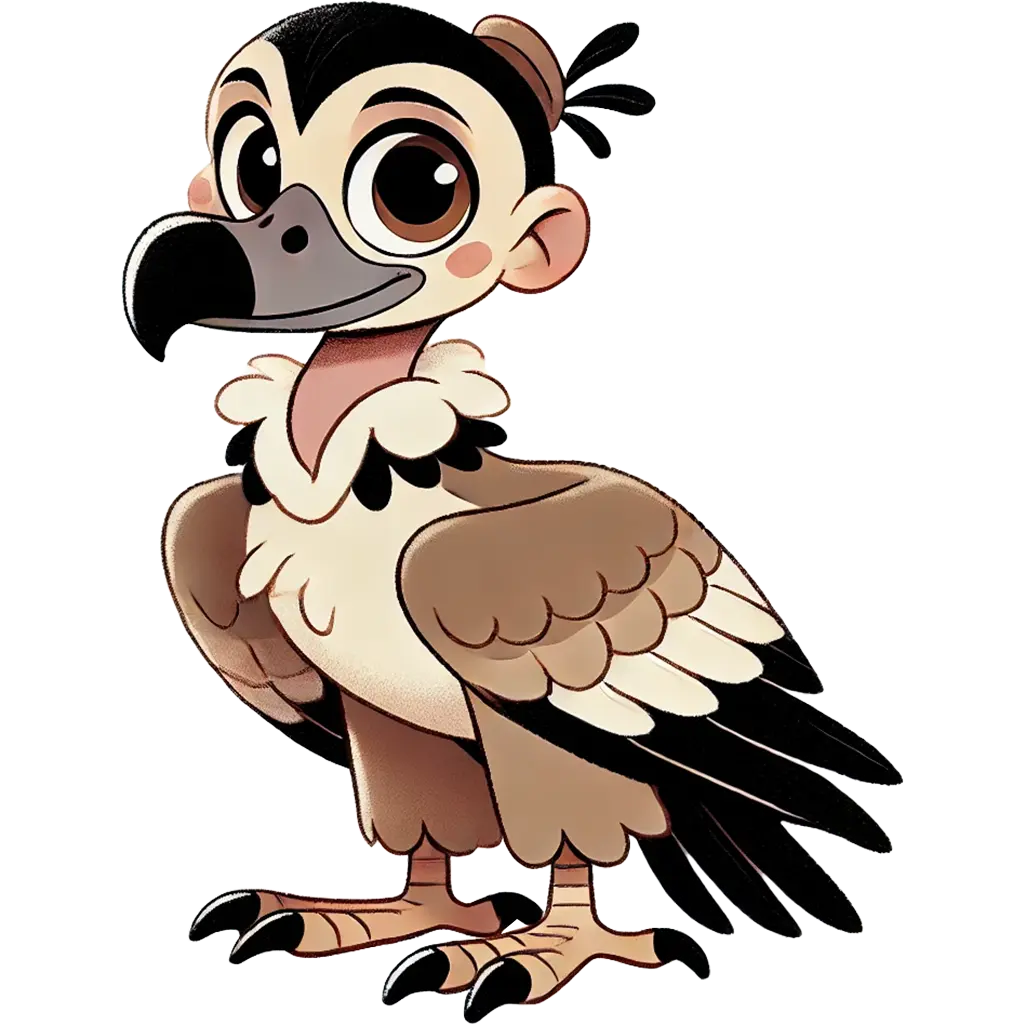
Andean Condor
Fun Fact
The Andean Condor is one of the world's largest flying birds with a wingspan over 10 feet.
These birds can glide for hours without flapping their wings, thanks to their ability to exploit thermal air currents. They are primarily scavengers, feeding on carrion. The Andean Condor plays a crucial ecological role by helping to clean the environment of dead animals.

Download word search puzzles
Word Search Puzzles

Check Out Other Birds
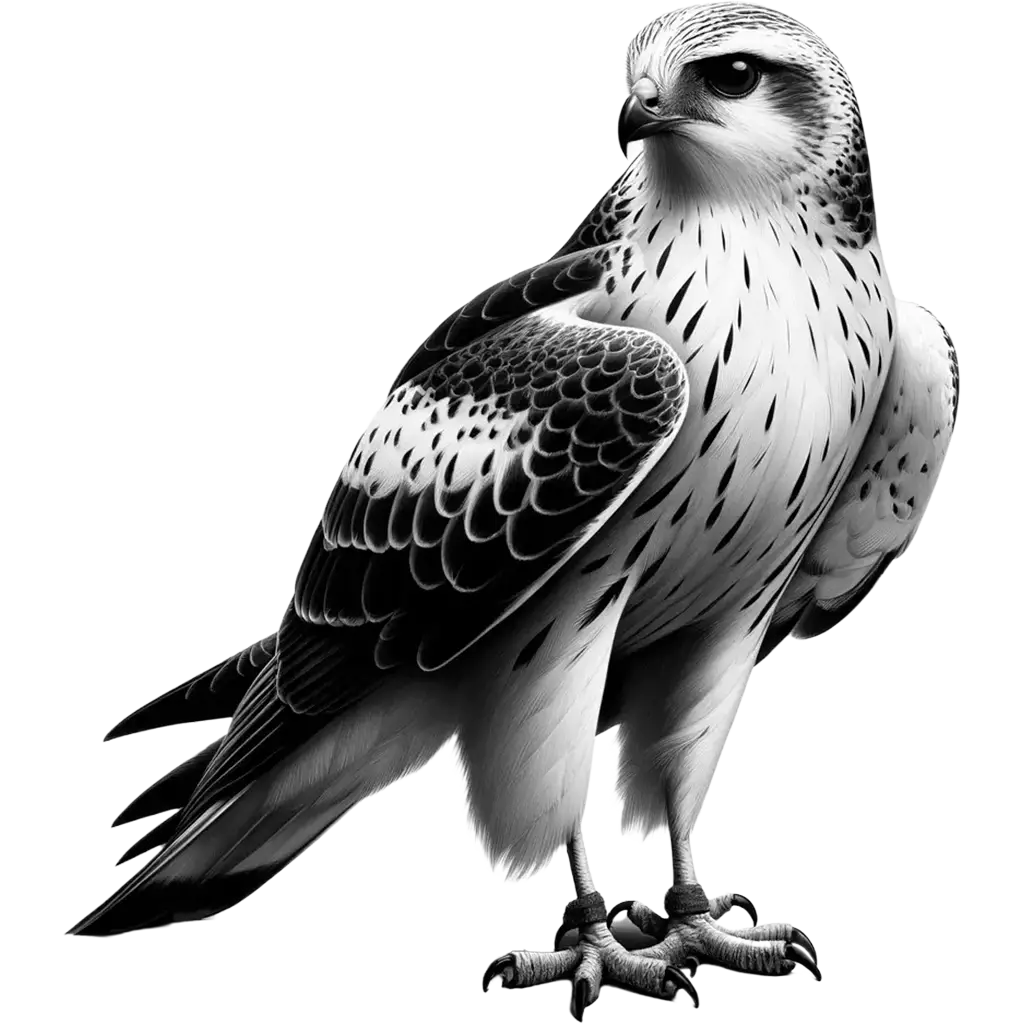
The Long-Winged Harrier, circus buffoni, is a distinctive bird of prey known for its slender frame, long wings, and tail which facilitate its prowess in flight. Males typically exhibit a striking gray and white plumage with black wingtips, while females and juveniles are primarily brown with streaked underparts. This species
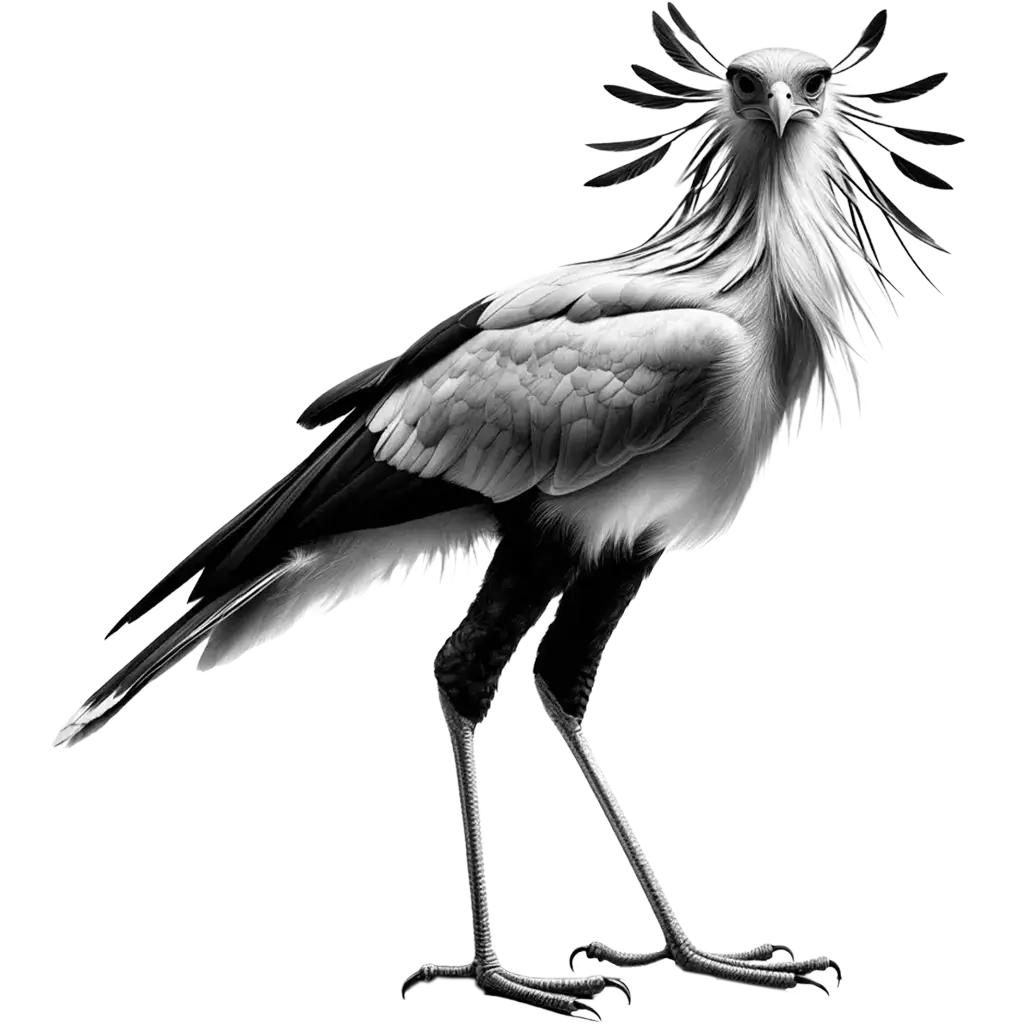
The Secretarybird, sagittarius serpentarius, is a unique bird of prey native to the open grasslands and savannas of Sub-Saharan Africa. This distinctive species stands tall on crane-like legs, reaching up to 1.3 meters in height, with a body length of about 1.4 meters from beak to tail. Its appearance is
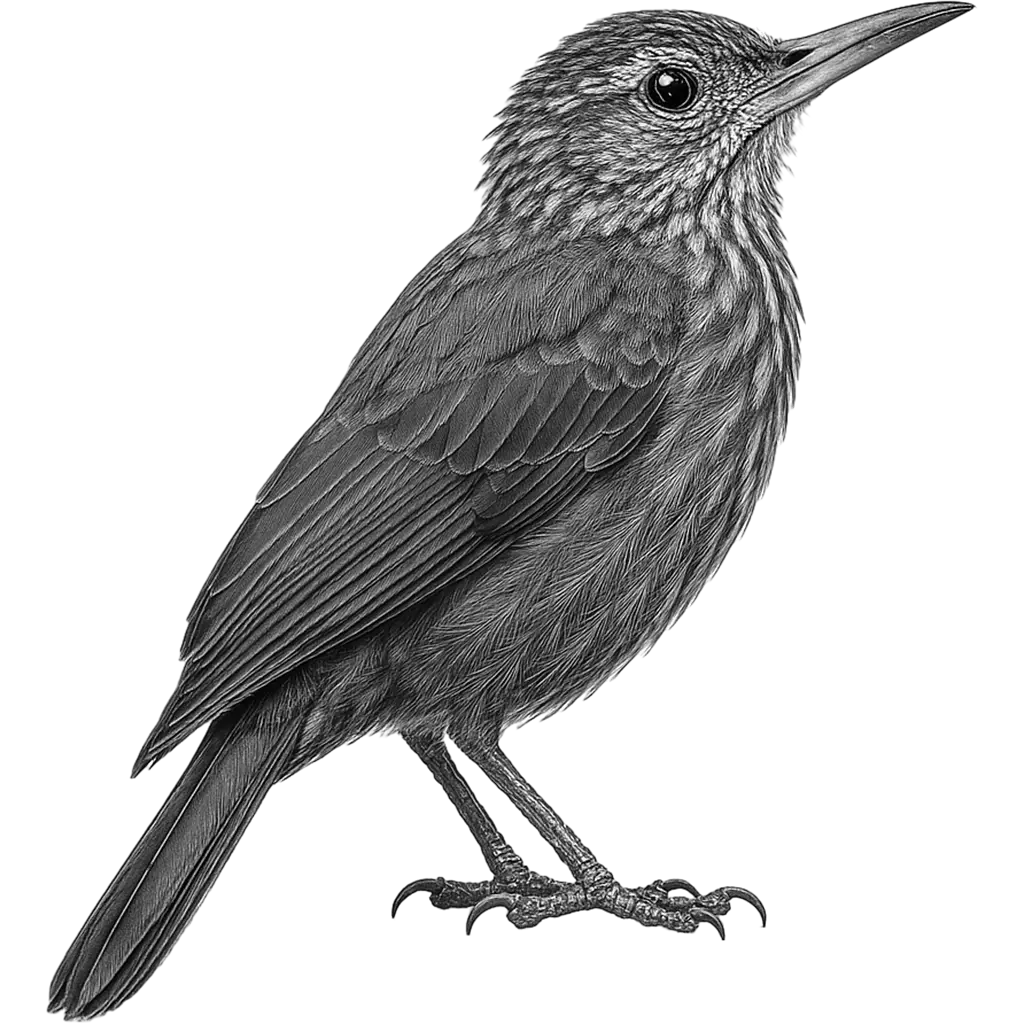
The Elegant Woodcreeper has a slender body with a long, decurved bill and a gracefully elongated tail that aids its agile movement among dense treetops. Its plumage features a mix of soft browns, subtle streaks, and a hint of olive, perfectly camouflaged against the textured bark. The bird's keen, dark

The King Penguin, aptenodytes patagonicus, ranks as the second largest species of penguin, surpassed only by the Emperor Penguin in size and stature. Adults can reach up to 95 cm (37 inches) in height and weigh between 11 to 16 kg (24 to 35 pounds), showcasing a sleek, streamlined body