
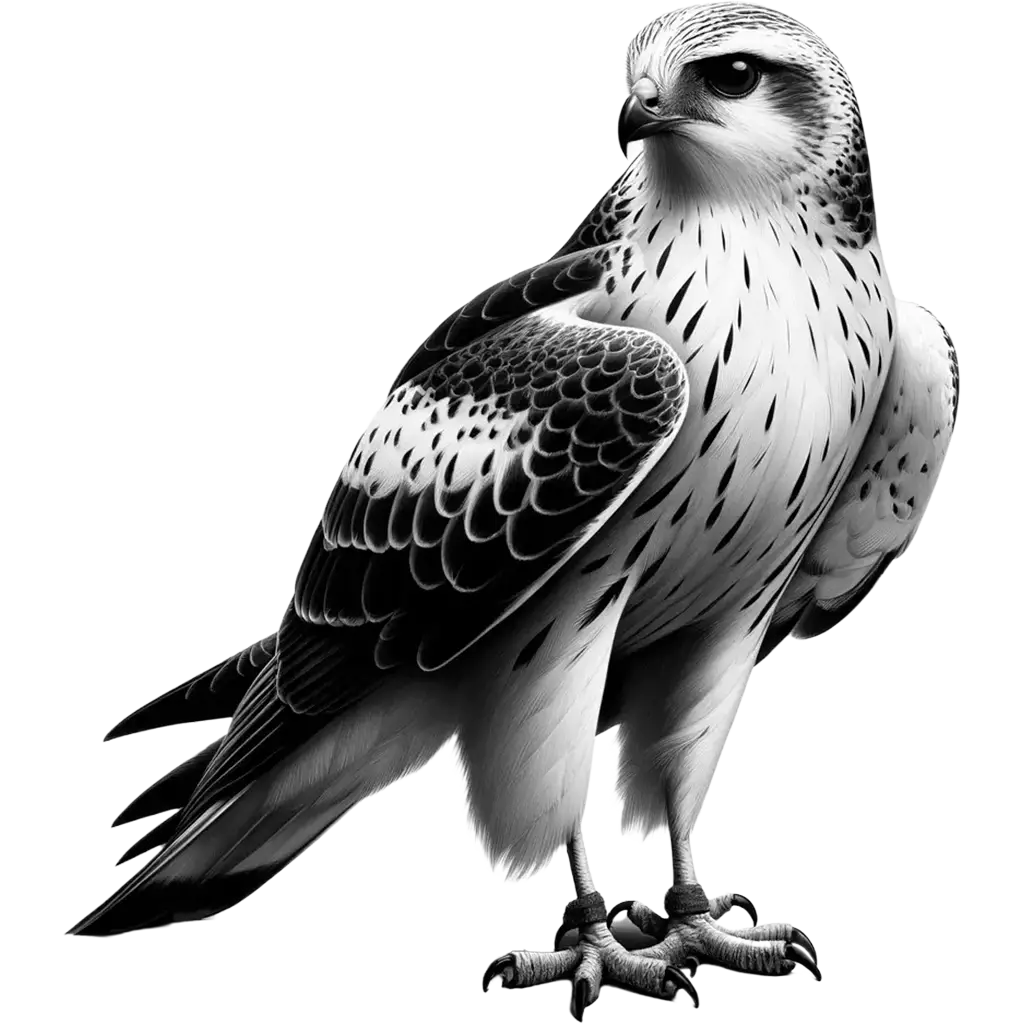
Circus Buffoni
Long-Winged Harrier
Open wetlands, grasslands, and savannas
The Long-Winged Harrier, circus buffoni, is a distinctive bird of prey known for its slender frame, long wings, and tail which facilitate its prowess in flight. Males typically exhibit a striking gray and white plumage with black wingtips, while females and juveniles are primarily brown with streaked underparts. This species can reach a wingspan of up to 120 cm (47 inches), making it one of the larger harriers. The Long-Winged Harrier's face is characterized by a raptor's intense gaze and a distinctive facial disk of feathers that directs sound to its ears, enhancing its auditory hunting capabilities.
| Population: | Listed as Least Concern but subject to local threats |
| Generation Length: | 4-5 years |
| Average Weight: | 300-600 grams |
| Average Length: | 45-55 cm, with a wingspan of 115-130 cm |
| Lifespan: | 12-15 years in the wild |
| Diet: | Primarily small mammals and birds |
| Conservation Status: | Least Concern (LC) |
Native to South America, the Long-Winged Harrier frequents a variety of open and wetland habitats, including marshes, grasslands, and pampas. This adaptability to diverse environments underscores its role as an effective predator and an important ecological balance maintainer. The species is known for its low, gliding flight over open ground, using its keen vision to spot small mammal, bird, and insect prey.
The diet of the Long-Winged Harrier primarily consists of small mammals, amphibians, birds, and insects. This varied diet allows it to exploit different food sources depending on availability, demonstrating the species' flexibility and importance in controlling pest populations.
Reproduction for the Long-Winged Harrier involves ground nesting, with the female laying 3 to 5 eggs in a well-concealed nest within tall vegetation. Both parents participate in raising the young, with the male often providing food while the female guards the nest. This cooperative breeding behavior ensures a high survival rate for the offspring, contributing to the maintenance of stable population levels.
The population of the Long-Winged Harrier is generally stable across its range, but like many raptor species, it faces threats from habitat destruction, pesticide use, and disturbances to wetland ecosystems. Conservation efforts are focused on habitat protection and management to ensure the continued survival of this species. The Long-Winged Harrier's presence in diverse South American ecosystems highlights its importance as a predator and its role in maintaining the ecological balance.
Classifications
The Key Attributes
Features
- Movement:
Flying
- Territorial Behavior:
Solitary or in pairs, especially during breeding season
- Speed:
Capable of fast flight and skilled at soaring and gliding
- Diet:
Carnivore
- Physical Features:
- Long wings and tail, slender body
- Males typically grey with black wingtips, females and juveniles brown with streaking
- Sharp, hooked beak and strong talons for hunting
- Excellent eyesight for spotting prey
- Primary Senses:
- Sight
- Hearing
Understanding Habitat and Range
Geography
- Habitat:
Open wetlands, grasslands, and savannas
- Migration Patterns:
Partially migratory, depending on the availability of food and habitat conditions
- Geographical Range:
South America, from Colombia and Venezuela to Argentina and Chile
- Climate Preferences:
Temperate to subtropical climates
Navigating the Wilderness
In the wild
- Predators:
Few natural predators due to being a large bird of prey; eggs and young may be threatened by other large birds or mammals
- Prey:
Rodents, small birds, reptiles, and amphibians
- Feeding Behavior:
Hunts small mammals, birds, and reptiles, often capturing them on the ground after a short pursuit or from a hovering flight
- Diet:
Primarily small mammals and birds
- Defensive Mechanisms:
- Flight and height advantage to escape threats
- Aggressive defense of nesting territory
- Preferred Food Sources:
- Areas rich in rodent and small bird populations, such as marshes and open fields
Insights Into Reproduction
Mating
- Mating System:
Monogamous
- Number of Offspring:
3-5 eggs
- Incubation Period:
About 30-35 days
- Parental Involvement:
- Both parents participate in raising the young, with the male often providing food while the female incubates and cares for the nestlings
Youngsters Section
Long-Winged Harrier
Fun Fact
The Long-Winged Harrier is a bird of prey with exceptional agility and slender wings.
It inhabits open areas in South America, including grasslands and marshes. This raptor is known for its low, gliding flight as it hunts for rodents, insects, and small birds. The Long-Winged Harrier's distinctive flight style aids in its ability to cover vast territories efficiently.

Download word search puzzles
Word Search Puzzles


Check Out Other Birds

The Common Wood Pigeon, columba palumbus, is a large species of pigeon that is widespread across Europe, western Asia, and North Africa. It is easily recognizable by its size, measuring 38 to 44 cm in length and weighing between 300 to 600 grams, making it one of the larger pigeons
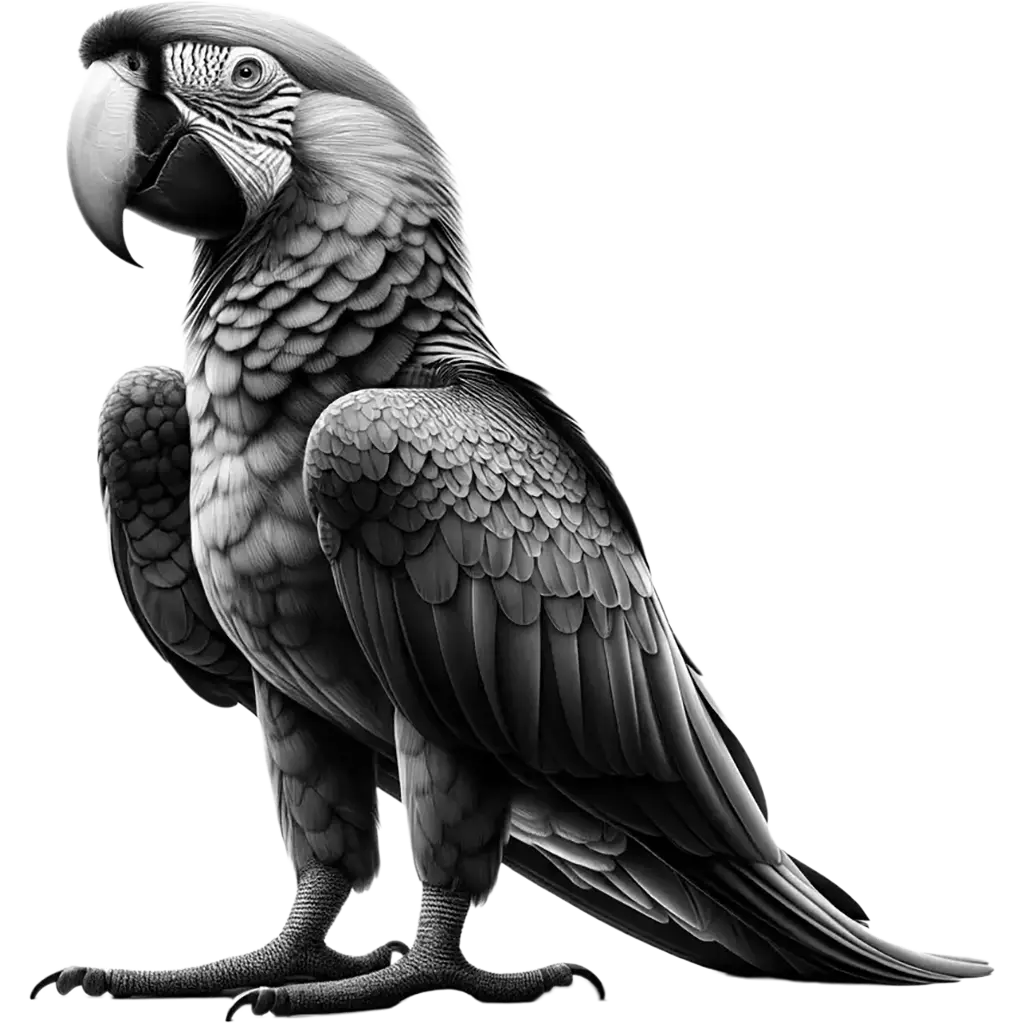
The Scarlet Macaw, ara macao, is a large, brightly colored parrot native to humid evergreen forests in Central and South America. This striking bird can reach up to 81 cm in length, including its long, pointed tail, and weighs about 1 kg. Its vibrant plumage is primarily scarlet, with blue
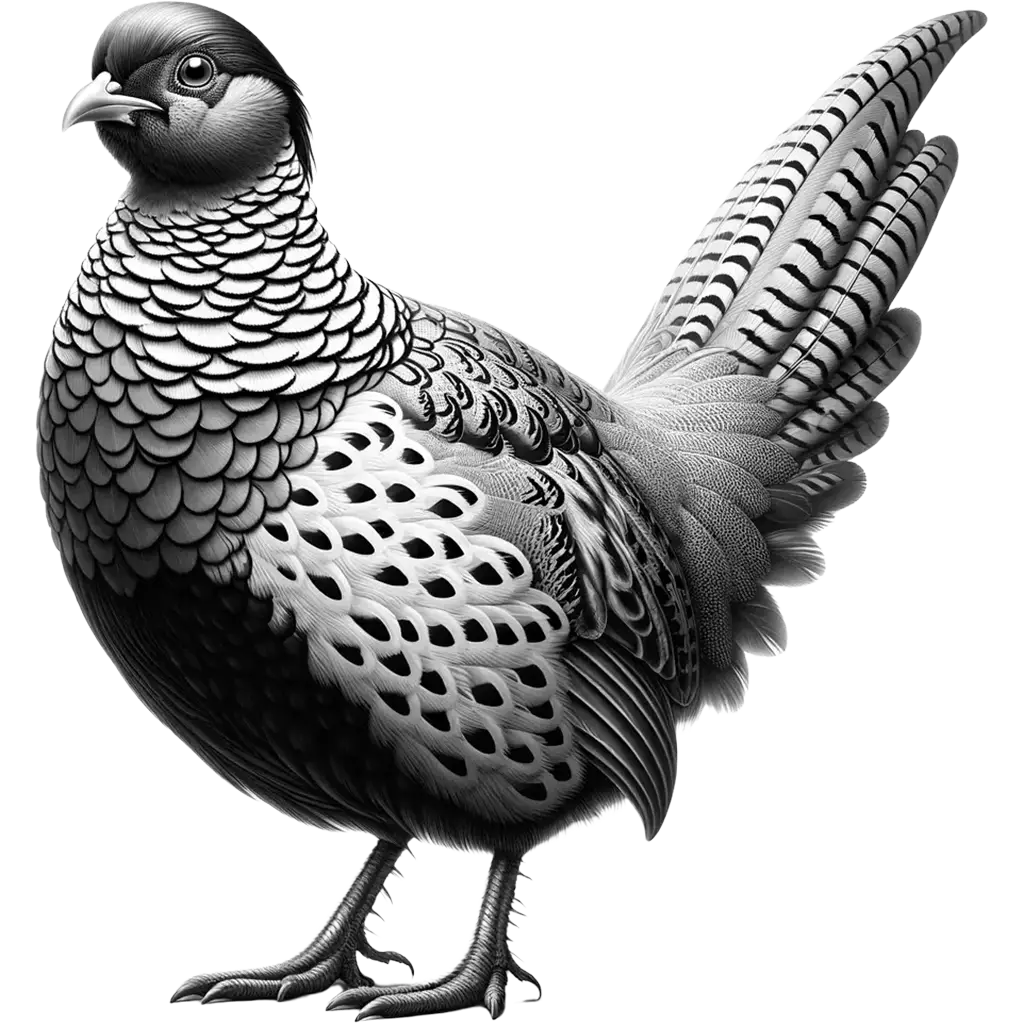
The Reeves's Pheasant, syrmaticus reevesii, is a magnificent bird known for its extraordinary tail length and striking plumage. Males are particularly notable, with tails that can reach up to 2.4 meters in length, making them one of the longest-tailed pheasants in the world. The male's plumage is a vibrant mix
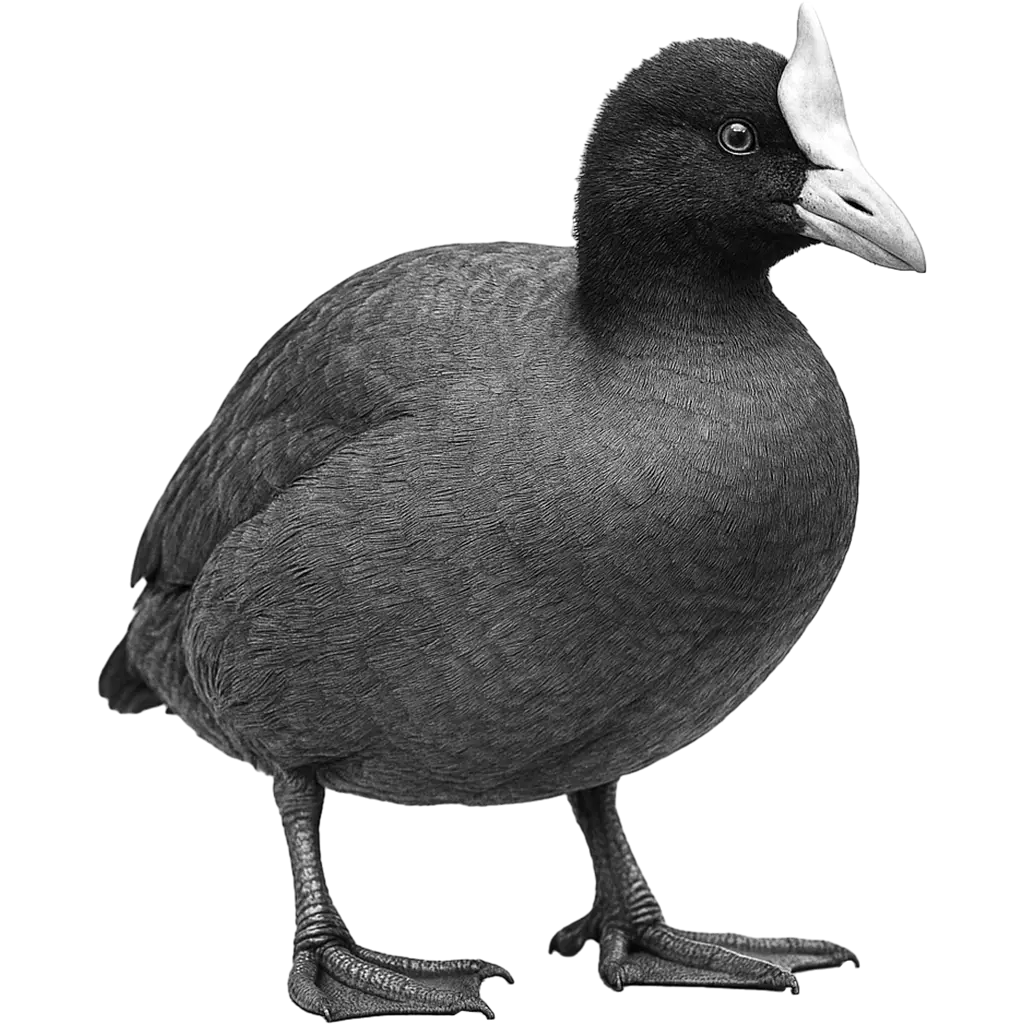
The Horned Coot is a robust waterbird measuring between forty-six and sixty-two centimeters in length and weighing from 1.6 to 2.29 kilograms. Its plumage is uniformly black, contrasting with a pale yellowish bill. Unique to this species are three filamentous wattles at the bill base, the central one potentially erectile