
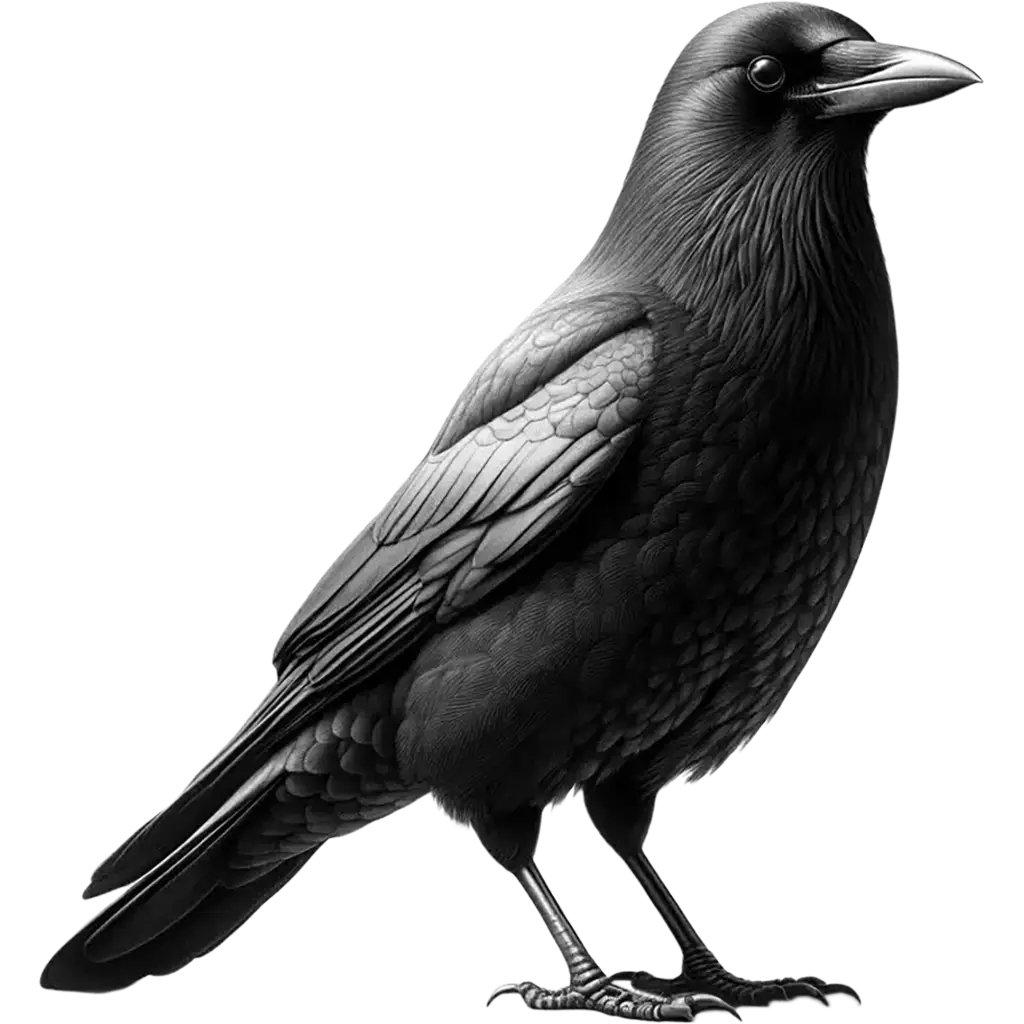
Corvus Bennetti
Little Crow
Semi-arid regions, open woodlands, and scrublands
The Little Crow, corvus bennetti, is a species of bird found primarily in Australia, notable for its adaptability and resilience in various environments. This bird is smaller than other crows, measuring approximately 48 cm in length, with a sleek, all-black plumage that may appear slightly brown in direct sunlight. The Little Crow's distinct features include a shorter beak and less pronounced throat feathers compared to its larger relatives, making it easily distinguishable to those familiar with corvid species.
| Population: | Listed as Least Concern, with stable and widespread populations |
| Generation Length: | 4-5 years |
| Average Weight: | 300-400 grams |
| Average Length: | 40-45 cm |
| Lifespan: | Approximately 10-15 years in the wild |
| Diet: | Highly varied, adapting to available food sources in its environment |
| Conservation Status: | Least Concern (LC) |
Inhabiting a wide range of habitats, from arid desert edges to agricultural lands and urban areas, the Little Crow has shown remarkable versatility in its living conditions. It is most commonly found in the interior regions of Australia, where it has adapted to both the extreme temperatures and the varying availability of food and water. Despite the harshness of its environment, the Little Crow thrives due to its opportunistic feeding habits and social nature.
The diet of the Little Crow is omnivorous, consisting of grains, fruits, insects, small animals, and carrion. This varied diet allows it to take advantage of food sources in both natural and human-altered landscapes, often seen foraging in groups to increase their success in finding food. Their intelligence and adaptability have enabled them to exploit new resources, including food waste in urban areas.
Reproduction for the Little Crow involves nesting in trees, where pairs build large, sturdy nests of sticks lined with softer materials. Breeding season varies depending on their location but generally occurs during the spring and early summer months. Females typically lay 3 to 5 eggs, which are incubated for about 18 days. Both parents participate in feeding and protecting the young, demonstrating a high degree of parental care common among corvids.
The population of the Little Crow is considered stable, with no immediate threats identified. However, like all wildlife, they are potentially vulnerable to habitat destruction and changes in climate. Conservation efforts are not specifically targeted towards the Little Crow but include broader initiatives aimed at protecting Australia's native bird populations and their habitats. The Little Crow's presence across a diverse range of environments highlights its importance in the ecosystem and its role as a versatile and resilient species.
Classifications
The Key Attributes
Features
- Movement:
Flying, walking, hopping
- Territorial Behavior:
Social, often found in groups or large flocks
- Speed:
Fast and agile flyer
- Diet:
Omnivore
- Physical Features:
- Entirely black plumage
- Medium size with a stout body and a thick neck
- Strong, thick beak for a variety of foods
- Relatively short tail and broad wings
- Primary Senses:
- Sight
- Hearing
- Smell
Understanding Habitat and Range
Geography
- Habitat:
Semi-arid regions, open woodlands, and scrublands
- Migration Patterns:
Resident, with some local movements for foraging
- Geographical Range:
Australia, primarily in the arid and semi-arid regions of the interior
- Climate Preferences:
Prefers hot, arid environments
Navigating the Wilderness
In the wild
- Predators:
Birds of prey, feral cats, and large reptiles
- Prey:
A wide range of foods from plant material to small vertebrates and invertebrates
- Feeding Behavior:
Feeds on grains, seeds, insects, small animals, and food waste from human settlements
- Diet:
Highly varied, adapting to available food sources in its environment
- Defensive Mechanisms:
- Group living to detect and evade predators
- Flight and mobbing behavior to confront threats
- Preferred Food Sources:
- Varied environments that offer plant material, insects, and occasional small vertebrates
Insights Into Reproduction
Mating
- Mating System:
Monogamous
- Number of Offspring:
3-6 eggs
- Incubation Period:
18-20 days
- Parental Involvement:
- Both parents involved in nest building, incubation, and feeding the young
Youngsters Section
Little Crow
Fun Fact
The Little Crow is an adaptable bird native to Australia.
Unlike some of its corvid relatives, the Little Crow often forms large flocks, sometimes consisting of hundreds of birds. These flocks can be seen foraging in open areas, particularly around farmlands. Their diet is highly varied, including seeds, insects, and occasionally carrion, showcasing their adaptability.

Download word search puzzles
Word Search Puzzles
Check Out Other Birds
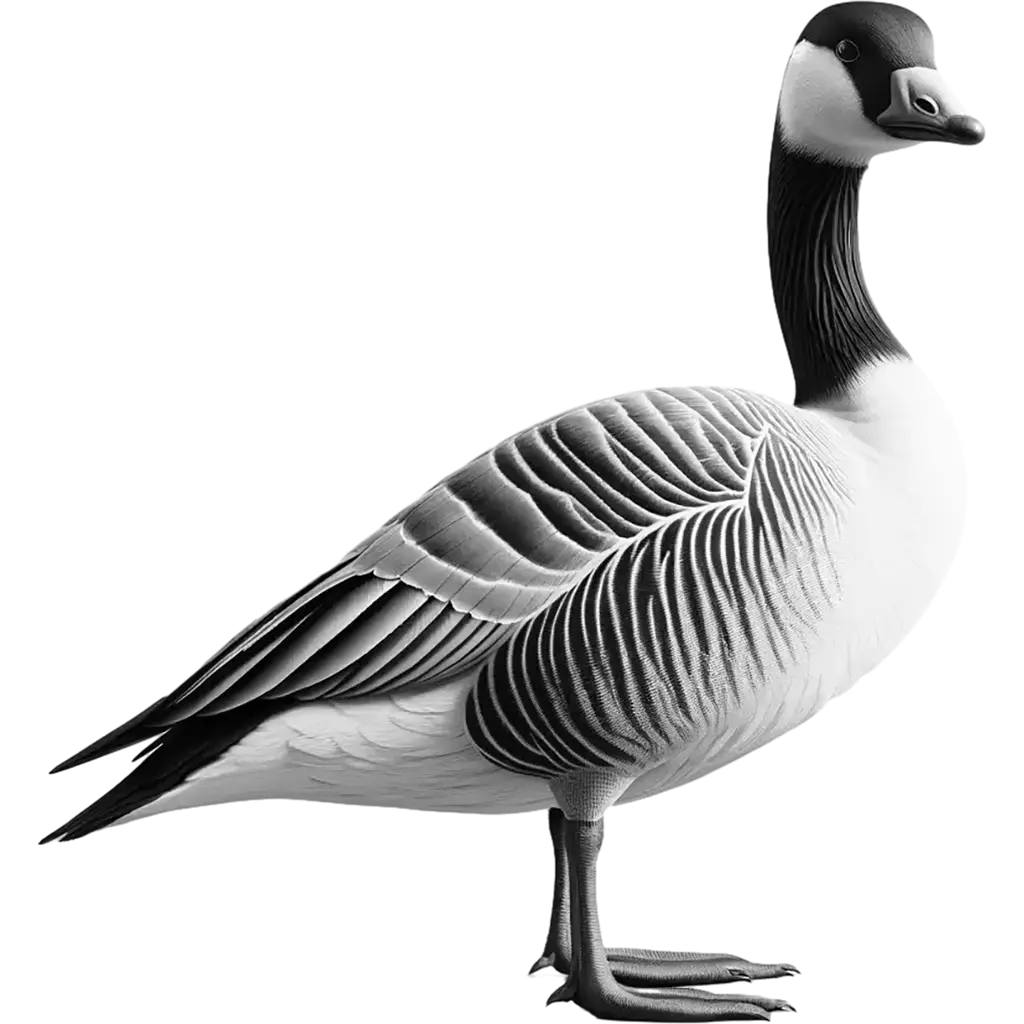
The Taiga Bean Goose, anser fabalis, is a large migratory bird that breeds in the northern taiga regions of Europe and Asia and winters in more temperate zones of Europe, eastern China, and Japan. This species is distinguished by its long neck, large body, and brownish-gray plumage, which provides excellent
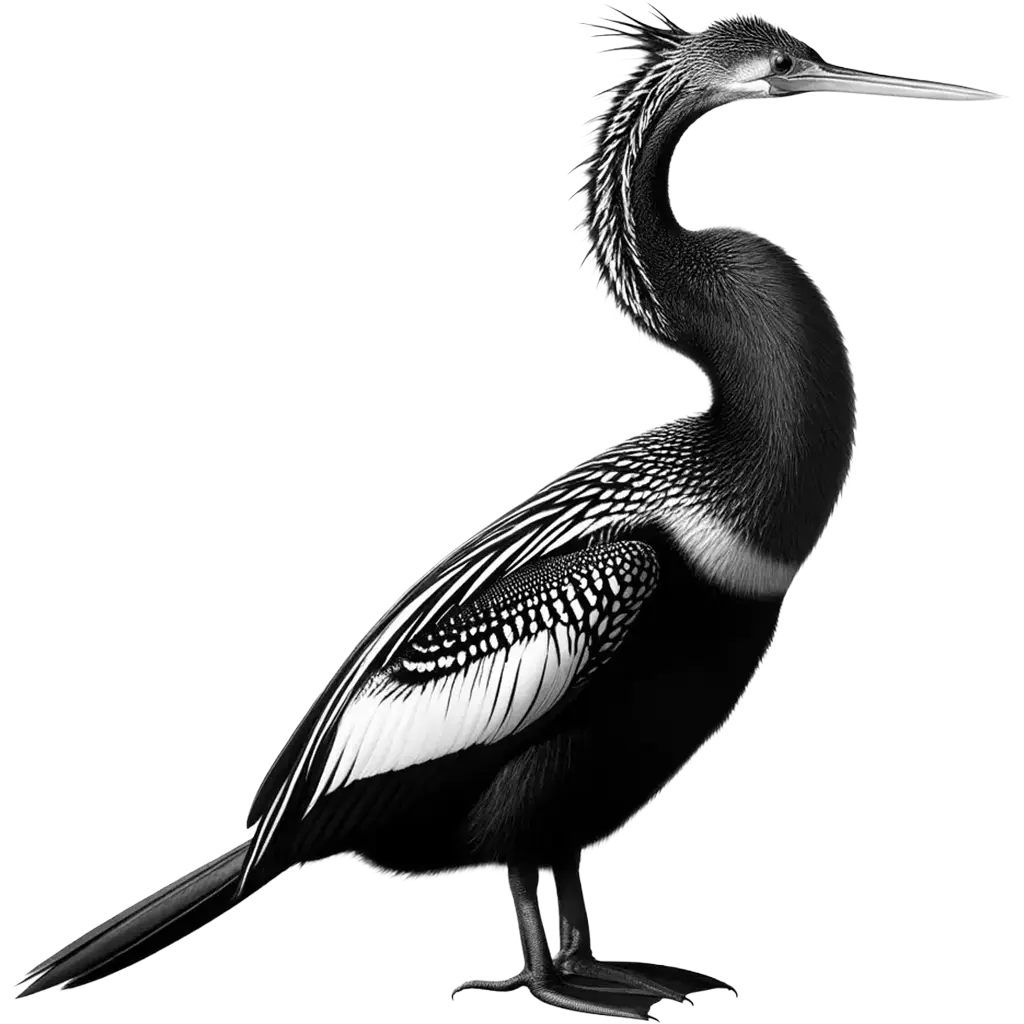
The Anhinga, Anhinga Anhinga, also known as the Snakebird, is a distinctive water bird native to freshwater lakes, swamps, and slow-moving rivers across the American tropics, from the southeastern United States to Argentina. This bird is named for its long, thin neck, which gives it a snake-like appearance when swimming
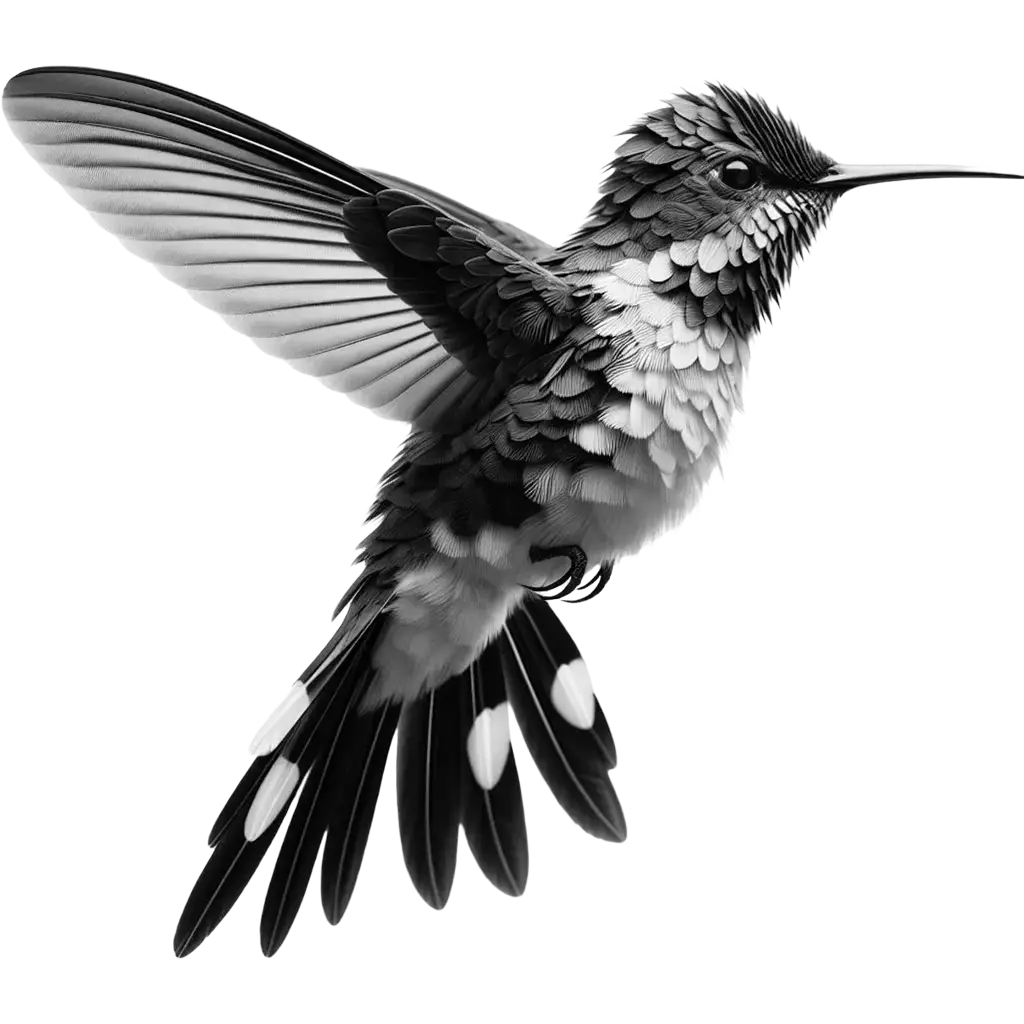
The Bee Hummingbird, Mellisuga helenae, holds the title of the world's smallest bird, native to Cuba and the Isla de la Juventud. Adults measure a mere 5 to 6 centimeters (2 to 2.4 inches) in length, including the beak and tail, and weigh approximately 1.6 to 2 grams (0.056 to
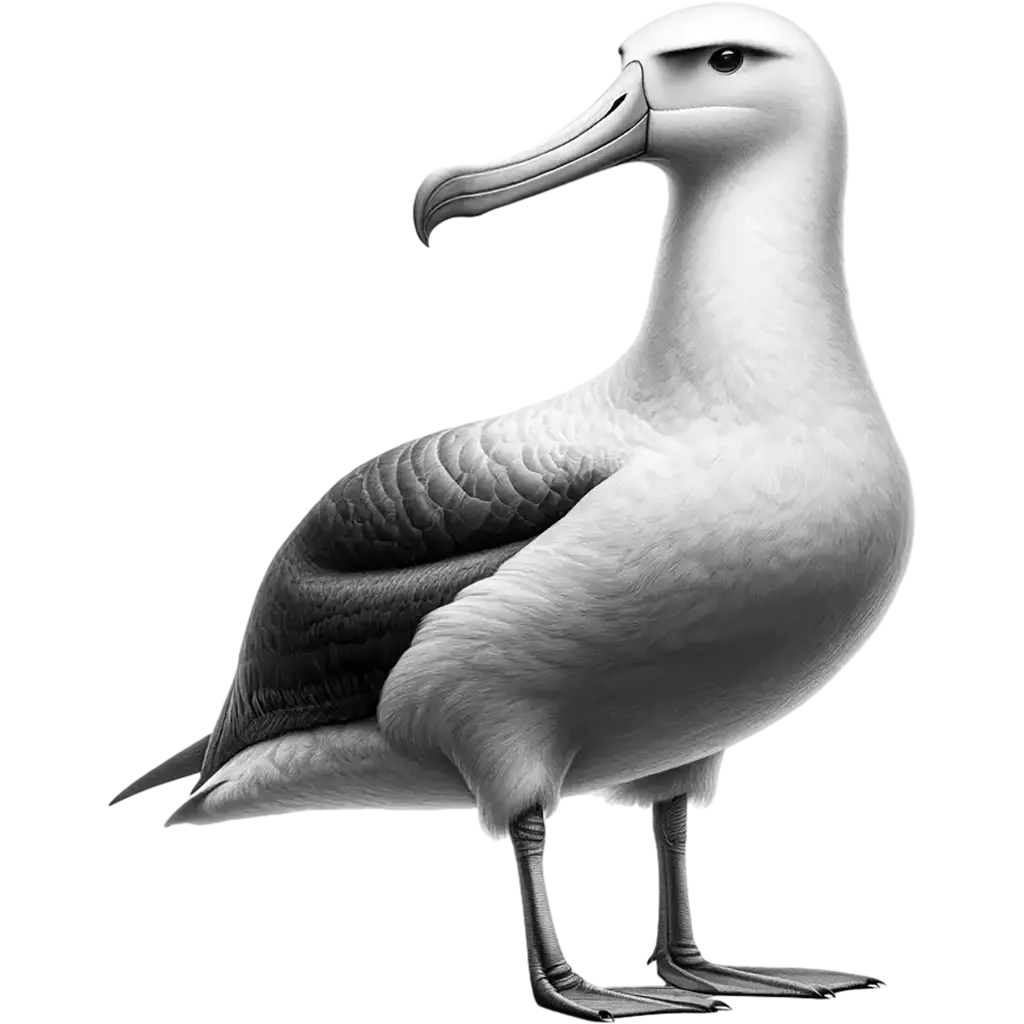
The Snowy Albatross, Diomedea exulans, is a marvel of the avian world, holding the record for the longest wingspan of any living bird, typically ranging from 2.5 to 3.5 meters. Adults are predominantly white, with black-tipped wings and a pale pink bill. They are highly adapted to life at sea,