

Serinus Canaria Domestica
Domestic Canary
Primarily domesticated environments, such as homes and aviaries
The Domestic Canary, serinus canaria domestica, is a small songbird that originated from the wild Canary Islands' native species, the Atlantic canary. These birds are highly valued for their melodious song and vibrant plumage, which comes in a variety of colors including yellow, orange, white, red, and combinations thereof, due to selective breeding. Adult domestic canaries typically measure about 12 to 13 cm in length and are characterized by their slender bodies, rounded heads, and strong, conical beaks designed for seed eating.
| Population: | Widespread and abundant as a domestic species |
| Generation Length: | 1-2 years |
| Average Weight: | 15-30 grams |
| Average Length: | 12-13 cm |
| Lifespan: | 5-10 years in captivity |
| Diet: | Primarily seeds, supplemented with greens, fruits, and vegetables |
| Conservation Status: | Not Evaluated (NE) |
Domestic canaries have been bred as cage birds since the 17th century for their singing ability, with males being particularly prized for their melodious songs. These birds are kept worldwide as pets and are known for their cheerful disposition. They require a spacious cage to accommodate flight and exercise, as well as toys and perches for stimulation. Canaries are solitary by nature but can be kept in pairs or small groups if the cage is sufficiently large to prevent territorial disputes.
The diet of the Domestic Canary should consist of a high-quality canary seed mix, supplemented with fresh fruits and vegetables, such as apples, carrots, and greens, to ensure a balanced nutrition. Grit with charcoal can also be provided to aid in digestion. Fresh water must be available at all times.
Reproduction in domestic canaries is generally straightforward, with breeding season typically occurring in spring. Females lay between 3 to 6 eggs per clutch, which are incubated for about 13 to 14 days. The chicks are born altricial and depend entirely on their parents for food and warmth. With proper care, the young canaries fledge the nest approximately three weeks after hatching.
The population of Domestic Canaries is robust, thanks to their popularity as pets. Breeders continue to develop new varieties with desired traits, such as color, song, and shape. While they are far removed from their wild ancestors in terms of appearance and habitat, domestic canaries retain many of the charming characteristics that have made them beloved companions for centuries.
Classifications
The Key Attributes
Features
- Movement:
Flying, hopping
- Territorial Behavior:
Generally peaceful but can be territorial during breeding season
- Speed:
Quick and agile in short flights and movements
- Diet:
Omnivore
- Physical Features:
- Small size with a compact body
- Variety of colorations, predominantly yellow
- Short, conical beak suitable for seed eating
- Rounded wings and a short, narrow tail
- Primary Senses:
- Sight
- Hearing
Understanding Habitat and Range
Geography
- Habitat:
Primarily domesticated environments, such as homes and aviaries
- Migration Patterns:
Non-migratory, domesticated species
- Geographical Range:
Originates from the Canary Islands, Madeira, and the Azores; now found globally in domestic settings
- Climate Preferences:
Adaptable to indoor environments; prefers stable, warm conditions
Navigating the Wilderness
In the wild
- Predators:
Protected in domestic settings; potential threats include larger birds and mammals if kept outdoors
- Prey:
Not applicable
- Feeding Behavior:
Fed by humans, usually a diet of seeds, vegetables, fruits, and commercial bird food
- Diet:
Primarily seeds, supplemented with greens, fruits, and vegetables
- Defensive Mechanisms:
- Flight and escaping to safe spots
- Vocalizations to alert or communicate distress
- Preferred Food Sources:
- Provided by human caretakers, including a balanced diet of seeds and fresh produce
Insights Into Reproduction
Mating
- Mating System:
Monogamous or polygynous depending on breeding practices
- Number of Offspring:
3-5 eggs per clutch
- Incubation Period:
About 13-14 days
- Parental Involvement:
- Both parents usually involved in feeding and caring for the young in captivity
Youngsters Section
Domestic Canary
Fun Fact
Domestic canaries are known for their beautiful singing abilities and vibrant colors.
They were first domesticated in the 17th century and bred for their melodious songs and variety of colors. Canaries were also used in coal mines as early warning systems for toxic gases. If the birds showed distress, miners knew to evacuate, saving many lives.

Download word search puzzles
Word Search Puzzles


Check Out Other Birds
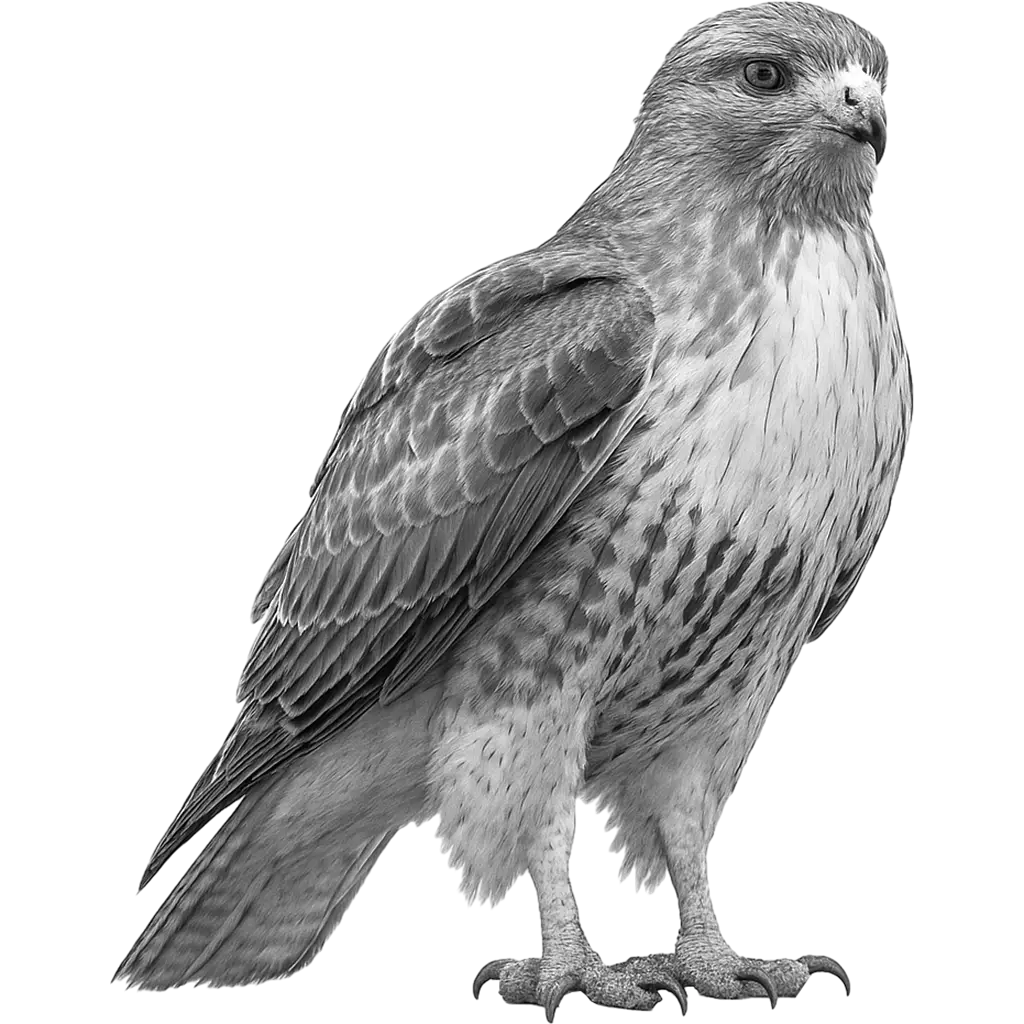
The Red-tailed Hawk is a robust raptor measuring 45 to 65 centimeters from head to tail, with a wingspan of 110 to 141 centimeters. Its plumage varies from rich brown on the upperparts to pale underparts streaked with dark bands. Adults feature a distinctive brick-red tail, broad rounded wings, and

The Great Horned Owl, Bubo virginianus, is a majestic and powerful bird of prey, easily recognized by its distinctive ear tufts or 'horns,' which are actually feathers that aid in its camouflage. This owl has a robust body, with females typically larger than males, measuring up to 55 cm in
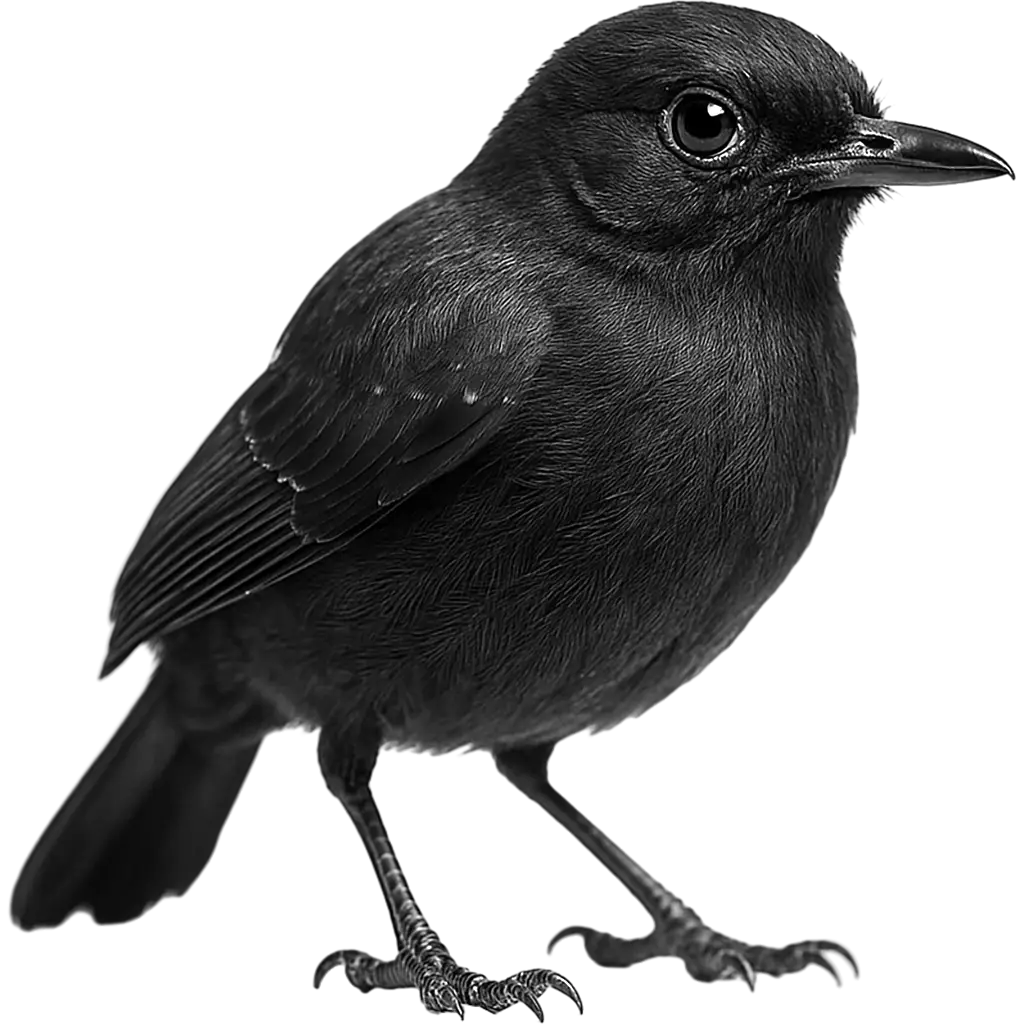
The Dusky Antbird has a modest yet distinctive appearance with muted dark plumage that blends seamlessly into the dappled shadows of the rainforest understory. Its rounded head, small sharp beak, and subtle eye-ring create a gentle expression, while a short tail and compact body enhance its agile silhouette. Soft, earthy

The Tricolored Heron is a slender, medium-sized wading bird measuring between fifty-six and seventy-six centimeters in length with a wingspan of approximately ninety-six centimeters. Its plumage combines slate-blue upperparts, a contrasting white belly, and a slender neck richly streaked with blue-gray, lavender, and rusty hues. During breeding season, its head