
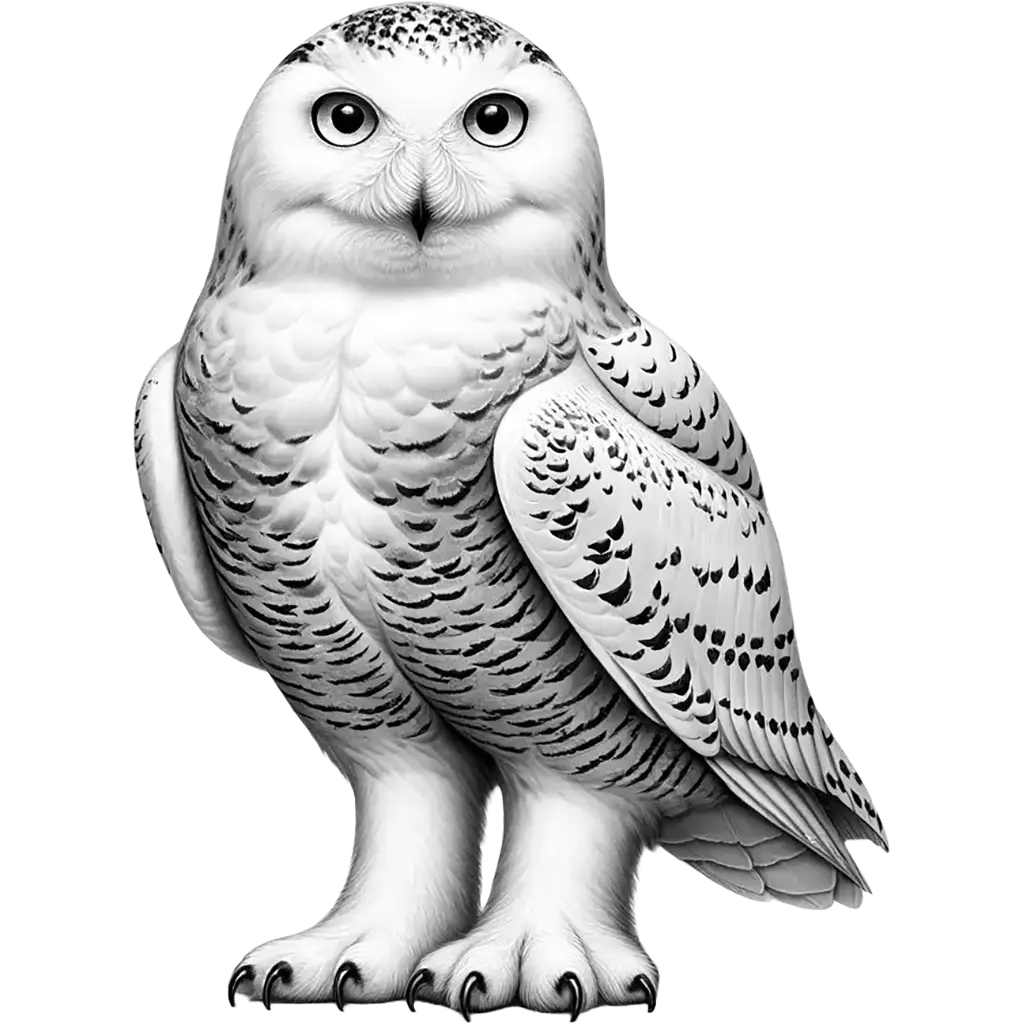
Bubo Scandiacus
Snowy Owl
Arctic tundra, open fields, and coastal areas
The Snowy Owl, bubo scandiacus, stands as a magnificent bird of prey, renowned for its striking white plumage that serves as camouflage in its Arctic tundra habitat. This large owl can reach up to 70 cm in length, with a wingspan of about 125 to 150 cm, making it one of the largest owl species. The males are almost pure white, while females and young birds feature black flecks on their wings and body. This sexual dimorphism in coloration is more pronounced during the breeding season. The Snowy Owl's round head, yellow eyes, and lack of ear tufts distinguish it from other owl species.
| Population: | Listed as Vulnerable due to climate change and habitat disturbances |
| Generation Length: | 5-7 years |
| Average Weight: | 1.6-2.0 kg for males, 2.0-2.5 kg for females |
| Average Length: | 52-71 cm |
| Lifespan: | 10-15 years in the wild |
| Diet: | Primarily small mammals and birds, can adapt to available prey |
| Conservation Status: | Vulnerable (VU) |
Native to the Arctic regions of North America and Eurasia, Snowy Owls are highly adapted to life in cold environments. They prefer treeless, open tundra where they nest on the ground. During winter, some migrate southwards to Canada, the northern United States, and parts of Europe and Asia, seeking prey in fields and coastal areas. These owls are diurnal, unusual for an owl, actively hunting both day and night.
The diet of the Snowy Owl is predominantly based on small mammals, with lemmings being a crucial food source. A single owl can consume up to 1,600 lemmings a year. They also hunt other rodents, rabbits, birds, and fish, showcasing their versatility as predators. Their hunting strategy involves patiently watching from a perch or hovering before swooping down on their prey.
Reproduction for Snowy Owls occurs once a year, with the onset of the breeding season dictated by the availability of prey. They lay 3 to 11 eggs in a scrape on the ground, with the number of eggs depending on food abundance. Both parents defend the nest fiercely against predators. The female incubates the eggs while the male provides food.
The population of the Snowy Owl is considered vulnerable, fluctuating due to the cyclical nature of their primary prey populations. They face threats from climate change, which impacts their tundra habitat and prey availability, as well as from collisions with vehicles and airplanes during their southern migrations. Conservation efforts include monitoring populations, protecting habitats, and mitigating threats from human activities to ensure the survival of this iconic Arctic predator.
Classifications
The Key Attributes
Features
- Movement:
Flying, walking
- Territorial Behavior:
Solitary and territorial during breeding season
- Speed:
Powerful and agile flier
- Diet:
Carnivore
- Physical Features:
- Large size with thick, insulating plumage
- Rounded head with no ear tufts
- Yellow eyes and a black beak
- Males are almost pure white, while females have more flecks of black and brown
- Primary Senses:
- Sight
- Hearing
Understanding Habitat and Range
Geography
- Habitat:
Arctic tundra, open fields, and coastal areas
- Migration Patterns:
Partial migrant, with some populations moving south in winter
- Geographical Range:
Circumpolar in the Arctic regions of North America and Eurasia
- Climate Preferences:
Prefers cold, Arctic environments but adapts to a range of conditions during migration
Navigating the Wilderness
In the wild
- Predators:
Few natural predators; main threats are from humans and larger animals
- Prey:
Lemmings, voles, other small rodents, birds, and occasionally fish
- Feeding Behavior:
Hunts primarily during the twilight hours, preying on rodents, birds, and fish
- Diet:
Primarily small mammals and birds, can adapt to available prey
- Defensive Mechanisms:
- Camouflage in snowy environments
- Flight and retreat to avoid danger
- Aggressive defense of nesting sites
- Preferred Food Sources:
- Tundra and open areas rich in rodent populations
Insights Into Reproduction
Mating
- Mating System:
Monogamous
- Number of Offspring:
3-11 eggs, depending on food availability
- Incubation Period:
32-34 days
- Parental Involvement:
- Both parents involved in raising the young, with the male providing food and the female guarding the nest
Youngsters Section
Snowy Owl
Fun Fact
Snowy Owls are known for their striking white plumage and are native to the Arctic regions.
They primarily hunt during the daytime in summer, a unique trait among owls. Their diet mainly consists of lemmings and other small mammals, but they can also eat birds. Interestingly, these owls can travel long distances, sometimes reaching as far as the United States.

Download word search puzzles
Word Search Puzzles

Check Out Other Birds

The Magnificent Frigatebird, fregata magnificens, is a large seabird known for its striking appearance and remarkable flying ability. Adults can reach a wingspan of up to 2.3 meters, making them one of the largest species within the frigatebird family. They are characterized by their long, slender wings and deeply forked
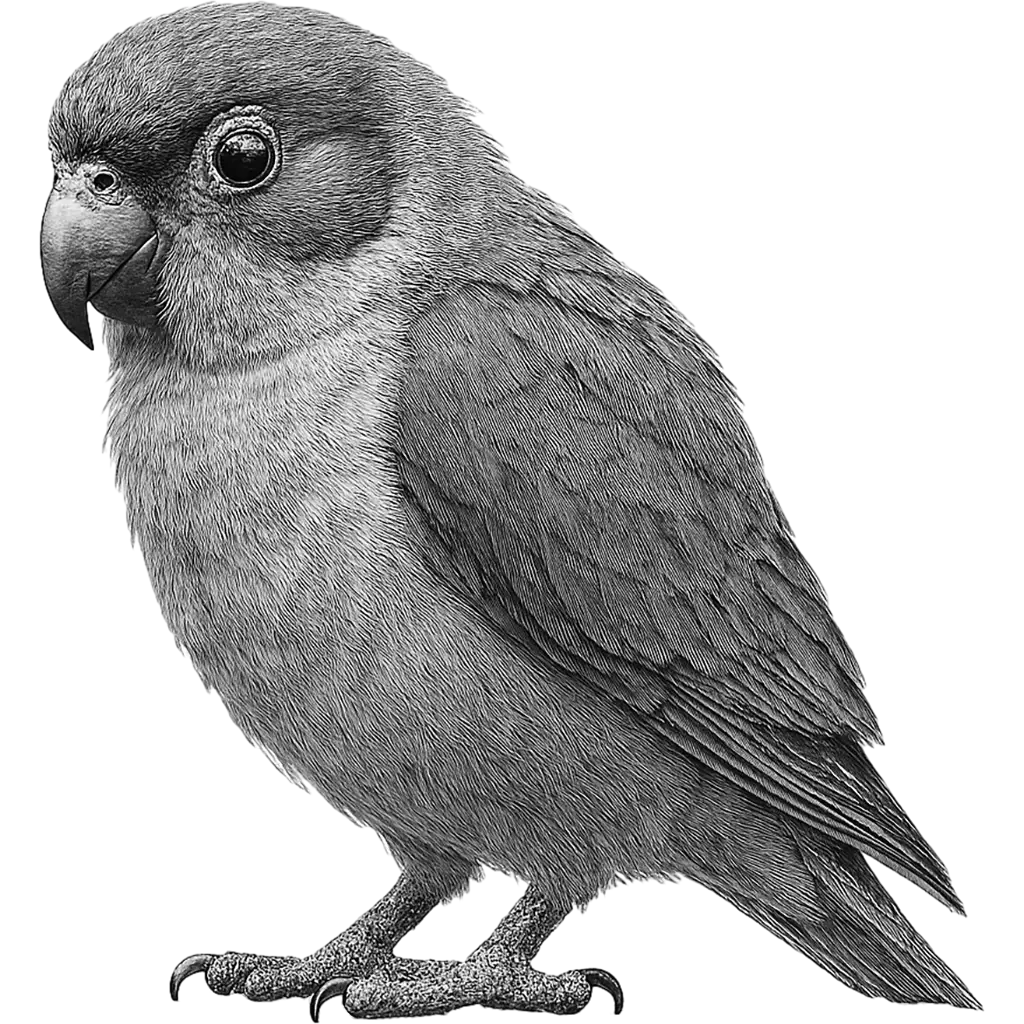
The Red-browed Fig Parrot is a diminutive parrot measuring approximately 13 to 15 centimeters in length. The body is predominantly bright green, providing camouflage among foliage. A vivid red patch graces the forehead, extending above the beak. Males display additional blue coloration around the eyes and lores, while females exhibit

The Snowy Albatross, Diomedea exulans, is a marvel of the avian world, holding the record for the longest wingspan of any living bird, typically ranging from 2.5 to 3.5 meters. Adults are predominantly white, with black-tipped wings and a pale pink bill. They are highly adapted to life at sea,
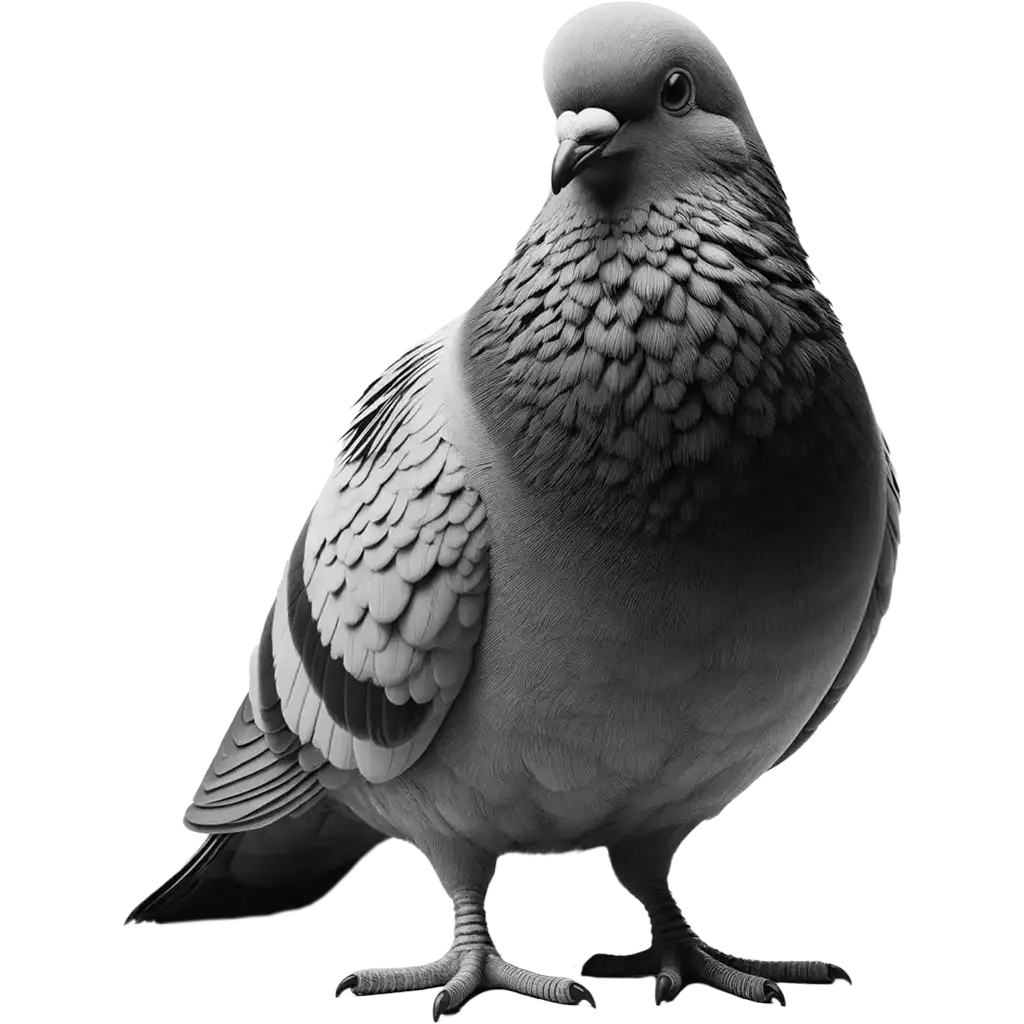
The Rock Dove, columba livia, commonly known as the pigeon, is a widespread bird recognized by its stout body, short legs, and smooth plumage. Adult Rock Doves typically measure 29 to 37 cm in length and have a wingspan of 62 to 72 cm. Their coloration varies widely due to