

Top ten fascinating facts about
Snowy Owl
Bubo Scandiacus
Snowy Owls are known for their striking white plumage and are native to the Arctic regions. They primarily hunt during the daytime in summer, a unique trait among owls. Their diet mainly consists of lemmings and other small mammals, but they can also eat birds. Interestingly, these owls can travel long distances, sometimes reaching as far as the United States.
The Snowy Owl is one of the largest and heaviest owl species in North America
Snowy Owls are impressive birds, with females typically larger than males. They can stand about 2 feet (60 centimeters) tall and have a wingspan of up to 5 feet (152 centimeters). Weighing between 3.5 to 6.5 pounds (1.6 to 3 kilograms), they are among the heaviest owls due to their dense plumage and muscular build. This substantial size aids them in hunting larger prey and surviving the harsh Arctic climate.
They are native to the Arctic regions and are well-adapted to extreme cold
Snowy Owls inhabit the open tundra of the Arctic Circle in North America, Europe, and Asia. Their thick feathers provide insulation against freezing temperatures, and they are one of the few bird species equipped to handle the polar environment year-round. Their feet are covered with feathers, functioning like natural snowshoes to walk on snow and ice.
Unlike most owls, Snowy Owls are diurnal and active during the day
While many owl species are nocturnal, Snowy Owls are primarily diurnal, meaning they hunt and are active during daylight hours. This adaptation is due to the extreme latitude of their habitat, where the sun can shine for 24 hours during the summer months. Being active during the day allows them to make the most of the available light to hunt.
Their plumage changes with age and sex, with males being whiter than females
Male Snowy Owls are almost pure white, especially as they age, which provides excellent camouflage against the snow. Females and younger owls have more dark brown spots and bars across their bodies. This coloration helps them blend into the tundra's varied landscape, offering protection from predators and aiding in hunting.
Snowy Owls primarily feed on lemmings, consuming up to 1,600 a year
Lemmings are a staple in the Snowy Owl's diet, and their population cycles directly influence the owls' breeding success. An adult Snowy Owl can eat three to five lemmings per day. When lemming populations are high, Snowy Owls may raise larger broods of up to 11 chicks. They also prey on other small mammals and birds when necessary.
They are known for their long-distance migrations and occasional 'irruptions'
Snowy Owls sometimes migrate far beyond their typical Arctic range in events called irruptions. During these times, they can be spotted in southern Canada, the United States, and even as far south as the Caribbean. These irruptions are thought to be linked to fluctuations in prey populations, prompting the owls to search for food elsewhere.
Snowy Owls have exceptional vision and hearing adapted for hunting in the Arctic
Their eyesight is among the keenest of any bird, allowing them to spot prey from great distances even in low-light conditions. Additionally, their hearing is highly developed, enabling them to detect prey moving under snow or vegetation. These sensory adaptations are crucial for locating food in the vast and often barren tundra.
They have a unique breeding strategy tied to prey availability
Snowy Owls do not breed every year; instead, they time their nesting to coincide with peak lemming populations. In years when food is abundant, they lay more eggs and invest more in raising their young. This strategy ensures that there are sufficient resources to support their offspring, maximizing the chances of survival for the next generation.
Their feathers are not only for warmth but also aid in silent flight
The Snowy Owl's feathers are specially adapted to muffle the sound of air passing over their wings, allowing them to fly nearly silently. This stealth is a significant advantage when hunting, as it prevents prey from hearing them approach. The softness of their feathers, combined with serrated wing edges, contributes to this silent flight capability.
Snowy Owls have been celebrated in various cultures and featured in popular media
These majestic birds hold a place in folklore and mythology among Arctic peoples, often symbolizing wisdom and endurance. In popular culture, the Snowy Owl gained fame through the character Hedwig in the 'Harry Potter' series, sparking increased public interest in the species. This attention has helped raise awareness about their conservation needs.
Check Out Other Birds

The Sword-Billed Hummingbird, ensifera ensifera, stands out as one of the most extraordinary species of hummingbirds, primarily due to its remarkable bill, which is longer than its body, excluding the tail. This unique adaptation, measuring up to 11 cm in length, allows it to access nectar from deep tubular flowers
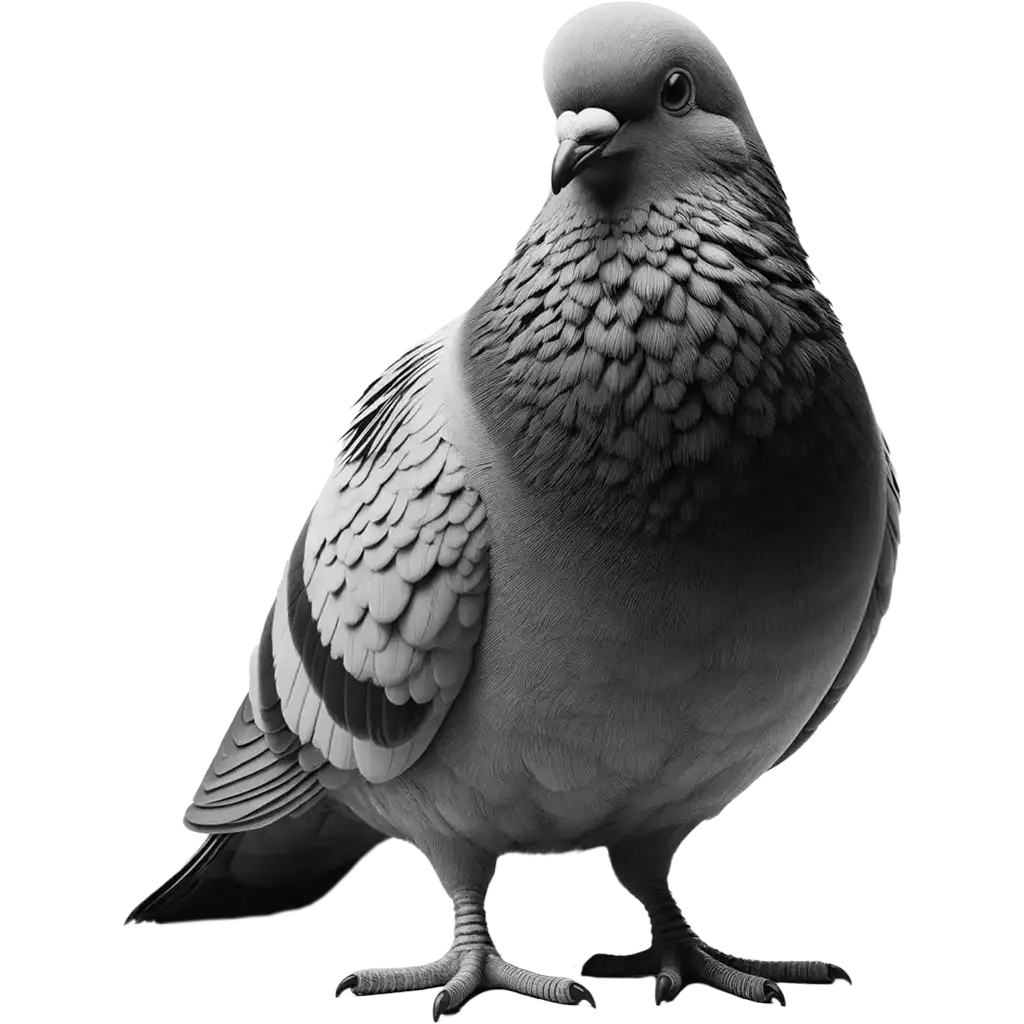
The Rock Dove, columba livia, commonly known as the pigeon, is a widespread bird recognized by its stout body, short legs, and smooth plumage. Adult Rock Doves typically measure 29 to 37 cm in length and have a wingspan of 62 to 72 cm. Their coloration varies widely due to

The African Sacred Ibis, threskiornis aethiopicus, is a striking wading bird native to sub-Saharan Africa and parts of Iraq. It is notable for its predominantly white plumage, contrasting black head and neck, and an impressive wingspan that features black flight feathers. Adults typically measure about 68 to 89 cm in
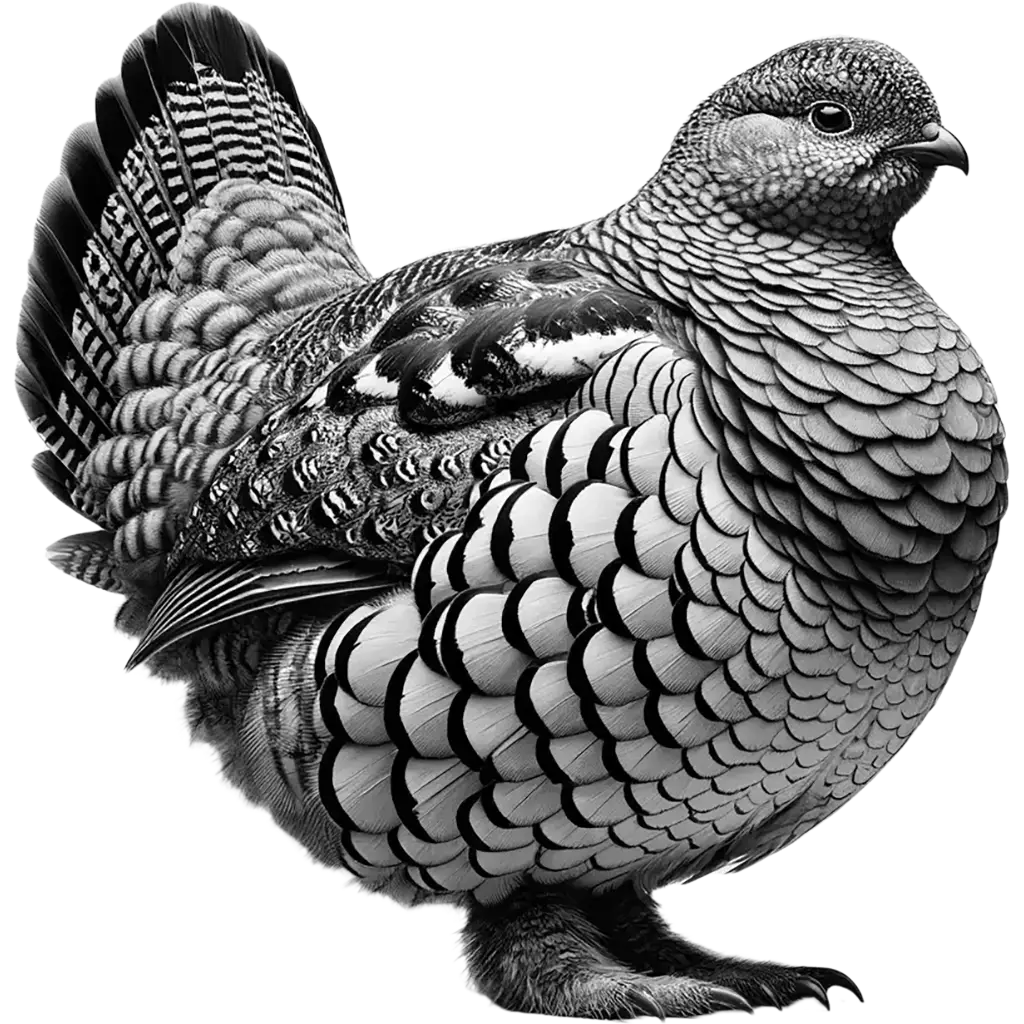
The Ruffed Grouse, bonasa umbellus, is a medium-sized bird native to North America, known for its camouflaged plumage and the distinctive ruff of feathers around its neck, which gives the species its common name. Males and females have a mottled brown, black, and white appearance that allows them to blend