
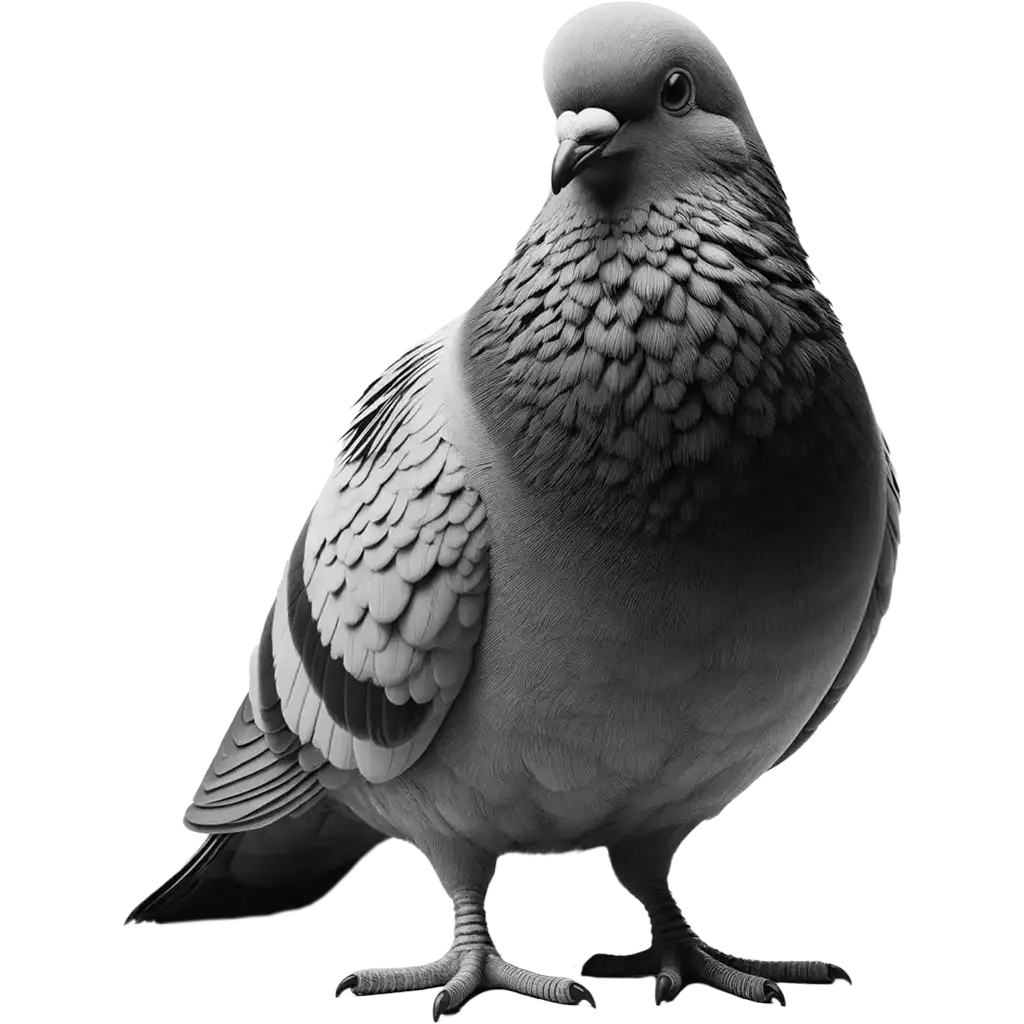
Columba Livia
Rock Dove
Urban areas, farmlands, and cliffs in the wild; has adapted well to city living
The Rock Dove, columba livia, commonly known as the pigeon, is a widespread bird recognized by its stout body, short legs, and smooth plumage. Adult Rock Doves typically measure 29 to 37 cm in length and have a wingspan of 62 to 72 cm. Their coloration varies widely due to extensive breeding, but wild types have a bluish-grey back and wings, with two black bars on each wing, a white rump, and a tail with a dark band at the end. The breast can range from light grey to rich orange. A distinctive feature of the species is the iridescent neck feathers, displaying shades of green and purple in the light.
| Population: | Listed as Least Concern, with very large and widespread populations |
| Generation Length: | 1-2 years |
| Average Weight: | 250-350 grams |
| Average Length: | 30-35 cm |
| Lifespan: | 3-5 years in the wild, longer in captivity |
| Diet: | Highly adaptable, primarily granivorous but will eat almost any available food |
| Conservation Status: | Least Concern (LC) |
Originally native to Europe, North Africa, and South Asia, Rock Doves have adapted to thrive in urban environments worldwide, making them one of the most ubiquitous bird species. They prefer habitats that offer ledges for nesting, mimicking their natural cliffside dwellings, which is why buildings in cities provide perfect roosting spots.
The diet of the Rock Dove is primarily granivorous, consisting of seeds and grains, but urban populations have adapted to consume a variety of human-provided foods, including bread crumbs, popcorn, and other scraps. This adaptability to different food sources has been key to their success in urban areas.
Reproduction in Rock Doves involves monogamous pairs that can breed multiple times throughout the year. Nests are constructed from twigs and debris and are often located on building ledges, bridges, or in barns. Females typically lay two eggs per clutch, which are incubated by both parents for about 18 days. The altricial chicks, or squabs, are fed a nutritious substance known as 'pigeon milk,' produced by the crop of both parents.
The population of the Rock Dove is considered stable and is not currently at risk, although feral and urban populations sometimes face challenges such as predation, disease, and human efforts to control their numbers. Despite these challenges, their presence in cities across the globe is a testament to their resilience and adaptability. Conservation efforts are generally focused on managing populations in urban areas to minimize conflicts with humans while recognizing their ecological role in urban ecosystems.
Classifications
The Key Attributes
Features
- Movement:
Flying, walking
- Territorial Behavior:
Social, often found in flocks
- Speed:
Capable of rapid flight, with speeds up to 77-92 km/h
- Diet:
Omnivore
- Physical Features:
- Sturdy body with short neck and small head
- Grey plumage with iridescent feathers on neck
- Short, narrow bill with a fleshy cere
- Adapted for strong and fast flight with powerful wing muscles
- Primary Senses:
- Sight
- Hearing
- Smell
Understanding Habitat and Range
Geography
- Habitat:
Urban areas, farmlands, and cliffs in the wild; has adapted well to city living
- Migration Patterns:
Resident to short-distance migrant
- Geographical Range:
Originally native to Europe, North Africa, and South Asia; now found worldwide as a result of introduction by humans
- Climate Preferences:
Adaptable to a wide range of climates, from temperate to tropical
Navigating the Wilderness
In the wild
- Predators:
Hawks, falcons, cats, and humans in urban areas
- Prey:
Seeds, grains, small insects, and food scraps in urban environments
- Feeding Behavior:
Feeds on a variety of food sources, including seeds, fruits, and human-provided scraps
- Diet:
Highly adaptable, primarily granivorous but will eat almost any available food
- Defensive Mechanisms:
- Flocking in large numbers to deter predators
- Rapid flight to escape threats
- Nesting in inaccessible places
- Preferred Food Sources:
- Urban areas with abundant food sources, as well as natural grain and seed sources in wild habitats
Insights Into Reproduction
Mating
- Mating System:
Monogamous
- Number of Offspring:
2 eggs
- Incubation Period:
17-19 days
- Parental Involvement:
- Both parents incubate the eggs and feed the young 'pigeon milk' and food
Youngsters Section
Rock Dove
Fun Fact
Rock doves, commonly known as pigeons, are remarkable navigators. They can find their way home from long distances.
These birds have been used by humans for centuries to carry messages, thanks to their homing ability. Rock doves navigate using Earth's magnetic fields, the sun's position, and visual landmarks. Their impressive memory and spatial awareness make them excellent at mapping and recalling routes, allowing them to journey back to their nests with incredible accuracy.

Download word search puzzles
Word Search Puzzles

Check Out Other Birds
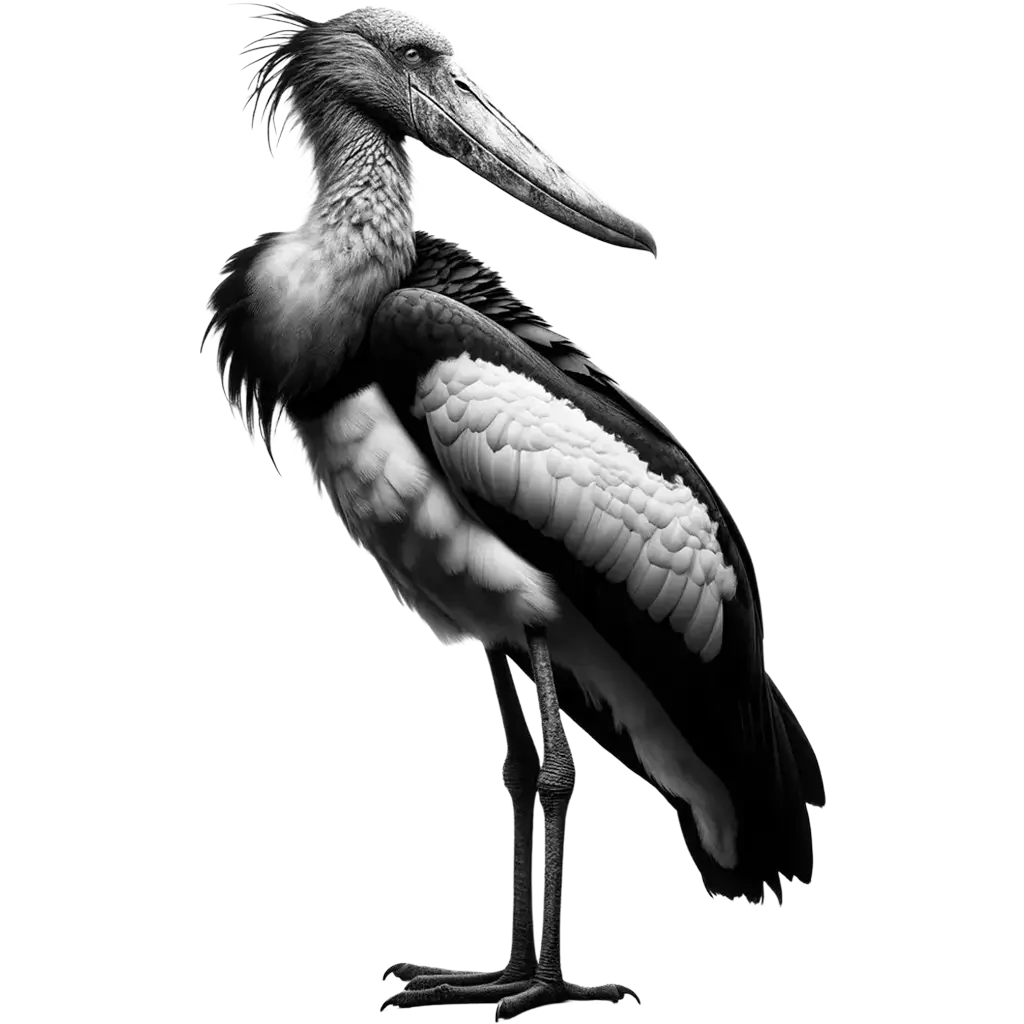
The Greater Adjutant, leptoptilos dubius, is a large stork standing at an impressive height of up to 1.5 meters with a wingspan reaching 2.5 meters. Its appearance is distinctive with a bald head and neck, a heavy bill, and a predominantly dark grey plumage, except for the white underparts. The
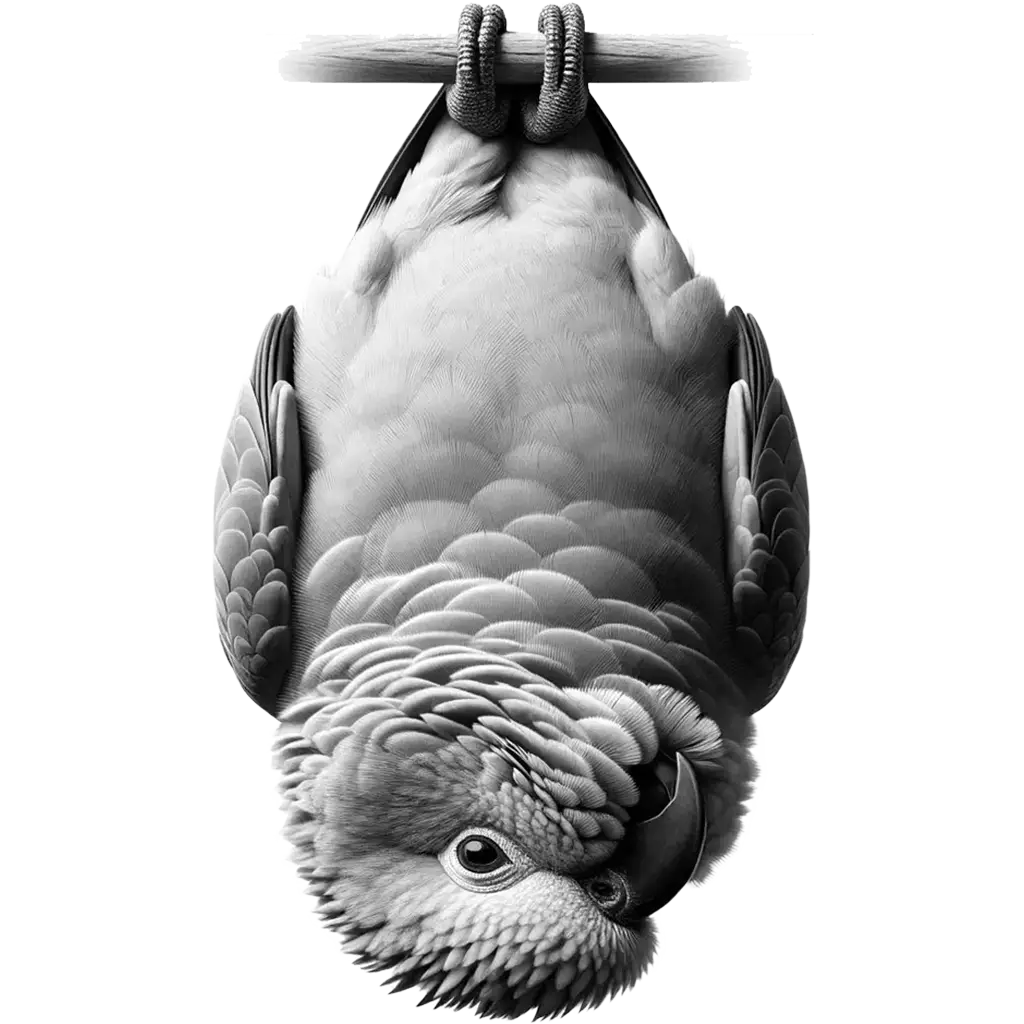
The Great Hanging Parrot, loriculus stigmatus, is a small, vibrant bird endemic to the islands of Sulawesi, Togian, Sula, and Banggai in Indonesia. This species is part of the Psittaculidae family, known for their ability to hang upside down while feeding or resting, a unique behavior from which their name
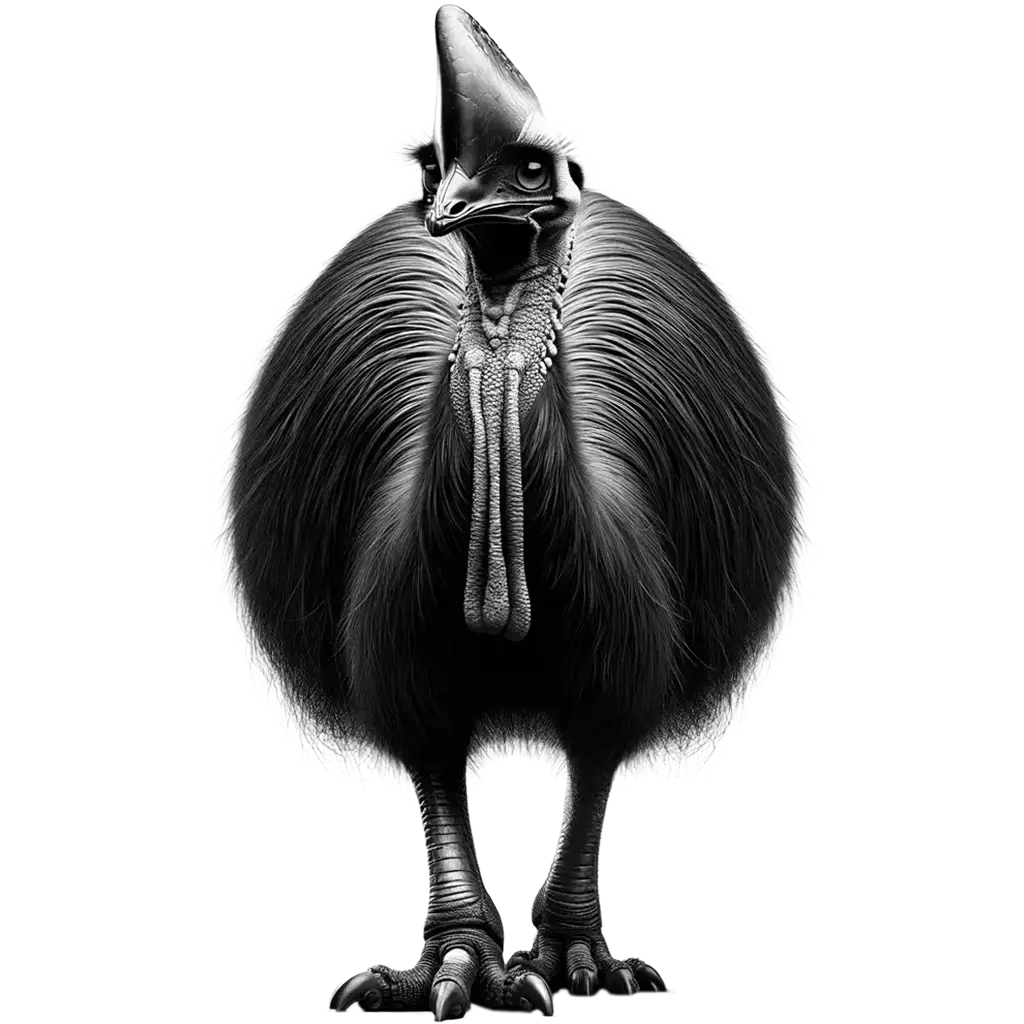
The Southern Cassowary, casuarius casuarius, is a formidable flightless bird native to the tropical rainforests of northeastern Australia, New Guinea, and surrounding islands. This species is renowned for its striking appearance, featuring a brilliant blue face and neck, two red wattles, and a distinctive casque—a helmet-like structure—on its head. The

The Red-Breasted Merganser, mergus serrator, is a distinctive sea duck known for its slender, elongated body and striking plumage. Adult males have a dark green head, a white neck with a narrow collar, and a reddish-brown breast, while their back is black and sides are grey. They are particularly noted