
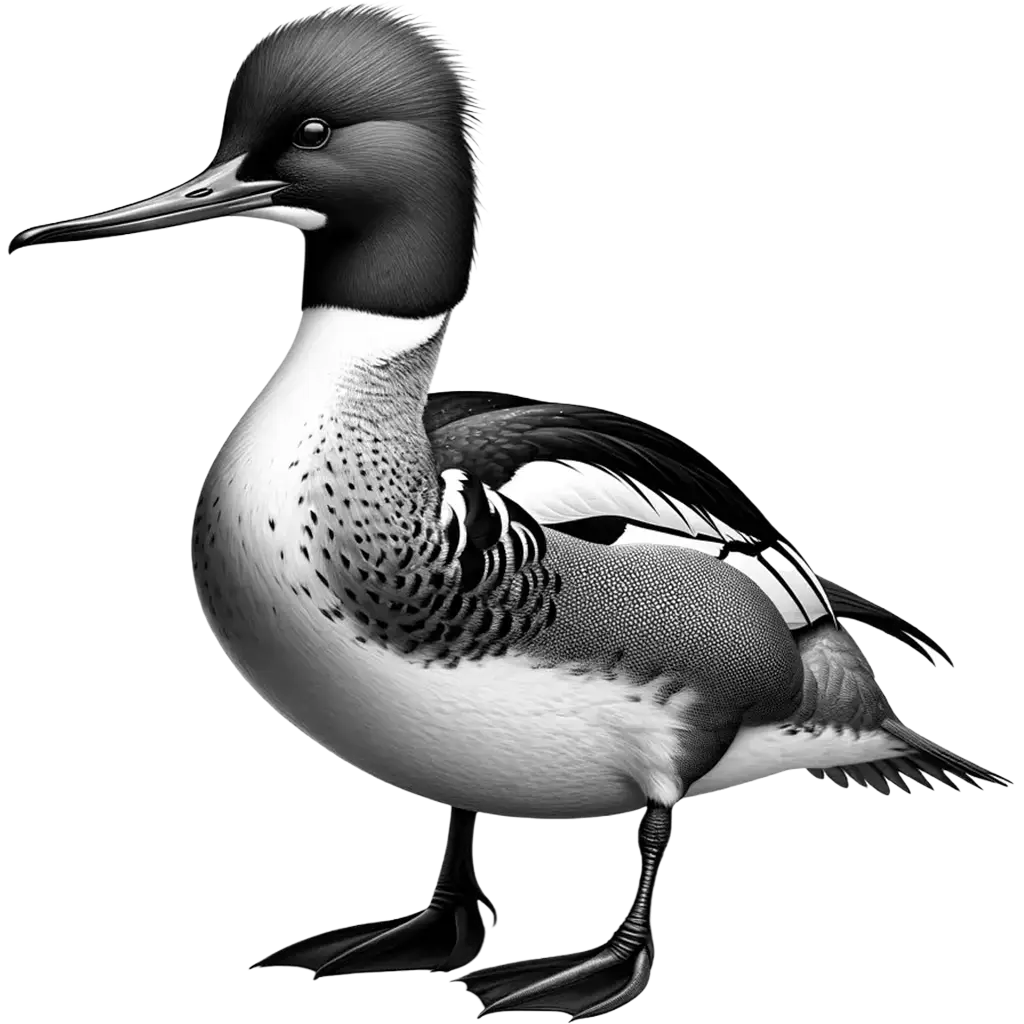
Mergus Serrator
Red-Breasted Merganser
Coastal waters, lakes, and rivers
The Red-Breasted Merganser, mergus serrator, is a distinctive sea duck known for its slender, elongated body and striking plumage. Adult males have a dark green head, a white neck with a narrow collar, and a reddish-brown breast, while their back is black and sides are grey. They are particularly noted for their long, thin, serrated red bill, which is adapted for catching fish. Females and non-breeding males have a more subdued coloration, with a grey body, reddish-brown head, and a shorter crest. This species typically measures between 52 to 58 cm in length, with a wingspan of 70 to 86 cm, making it one of the larger mergansers.
| Population: | Listed as Least Concern, with widespread distribution |
| Generation Length: | 5 years |
| Average Weight: | 0.9-1.2 kg |
| Average Length: | 52-58 cm |
| Lifespan: | Up to 10-12 years in the wild |
| Diet: | Primarily piscivorous, with a diet supplemented by aquatic invertebrates |
| Conservation Status: | Least Concern (LC) |
Red-Breasted Mergansers are found in northern temperate and subarctic regions of North America, Europe, and Asia. They breed in freshwater environments like lakes and rivers in northern forests and tundra but winter along coastlines, where they can be found in sheltered bays and estuaries. Highly adapted to aquatic life, they are excellent swimmers and divers, using their serrated bill to catch fish, their primary food source.
The diet of the Red-Breasted Merganser consists mainly of small fish, but it also includes crustaceans, insects, and amphibians. They are known for their diving prowess, often submerging for 30 seconds or more as they pursue prey underwater. This hunting strategy allows them to inhabit areas with abundant fish populations, playing a crucial role in aquatic ecosystems by controlling fish numbers.
Reproduction for Red-Breasted Mergansers occurs once a year, with females laying 8 to 12 eggs in nests located close to water. Nests are typically well-hidden in dense vegetation or among rocks. The female incubates the eggs for about 30 days, and the ducklings are precocial, able to swim and dive shortly after hatching, though they remain dependent on the female for protection and guidance.
The population of the Red-Breasted Merganser is considered stable, though it faces threats from habitat degradation, pollution, and entanglement in fishing gear. Conservation efforts are focused on protecting important breeding and wintering habitats, as well as monitoring populations to ensure the species' long-term survival. As a migratory bird, the Red-Breasted Merganser benefits from international conservation agreements aimed at preserving migratory bird habitats across borders.
Classifications
The Key Attributes
Features
- Movement:
Flying, swimming, diving
- Territorial Behavior:
Somewhat territorial during breeding season
- Speed:
Fast flyer and excellent swimmer, capable of deep dives
- Diet:
Carnivore
- Physical Features:
- Streamlined body with a narrow, serrated bill
- Males with distinct dark head, white neck ring, and reddish-brown breast
- Females with a grayish body and reddish-brown head
- Long, pointed wings and strong legs positioned towards the back of the body
- Primary Senses:
- Sight
- Hearing
Understanding Habitat and Range
Geography
- Habitat:
Coastal waters, lakes, and rivers
- Migration Patterns:
Migratory, breeding in northern regions and wintering in temperate to polar zones
- Geographical Range:
Northern hemisphere, including North America, Europe, and Asia
- Climate Preferences:
Cold to temperate regions, preferring areas with access to open water
Navigating the Wilderness
In the wild
- Predators:
Large birds of prey, foxes, and large fish
- Prey:
Small fish, crustaceans, and insects
- Feeding Behavior:
Dives underwater to catch fish and aquatic invertebrates
- Diet:
Primarily piscivorous, with a diet supplemented by aquatic invertebrates
- Defensive Mechanisms:
- Diving to escape predators
- Flying to quickly vacate danger areas
- Preferred Food Sources:
- Areas rich in fish and aquatic life, such as shallow coastal waters and estuaries
Insights Into Reproduction
Mating
- Mating System:
Monogamous
- Number of Offspring:
8-12 eggs
- Incubation Period:
About 28-35 days
- Parental Involvement:
- Females primarily responsible for incubation; both parents care for the young after hatching
Youngsters Section
Red-Breasted Merganser
Fun Fact
Red-breasted Mergansers are among the fastest flying ducks, reaching speeds of up to 81 mph.
They are expert divers, using serrated bills to catch fish. They inhabit coastal areas and freshwater lakes. During breeding season, males showcase vibrant plumage to attract females. These birds are migratory, often traveling between North America and Europe.

Download word search puzzles
Word Search Puzzles

Check Out Other Birds
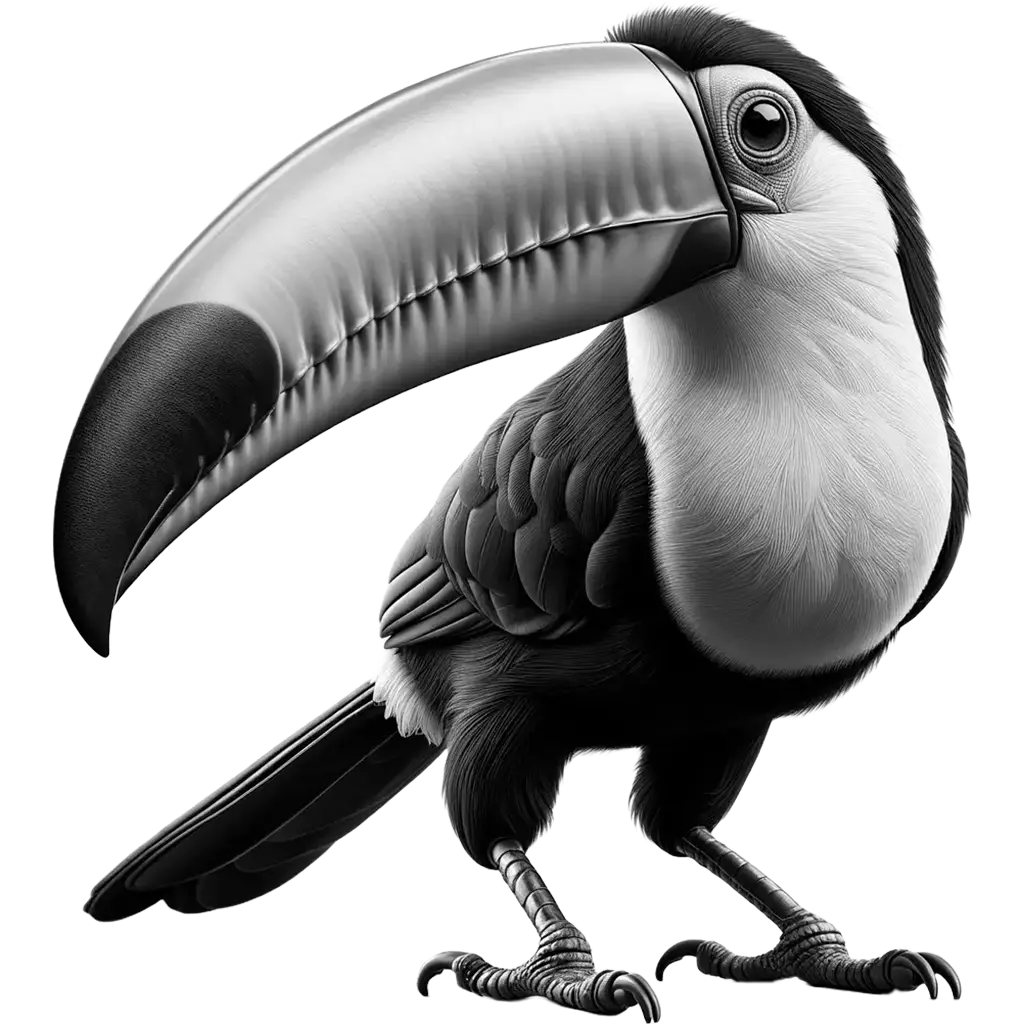
The Channel-Billed Toucan, ramphastos vitellinus, is a vibrant and charismatic bird native to Trinidad and the northern regions of South America, including Venezuela, Guyana, Suriname, French Guiana, and northern Brazil. Recognizable by its large, colorful bill, which can measure up to 14 centimeters in length, this species boasts a striking
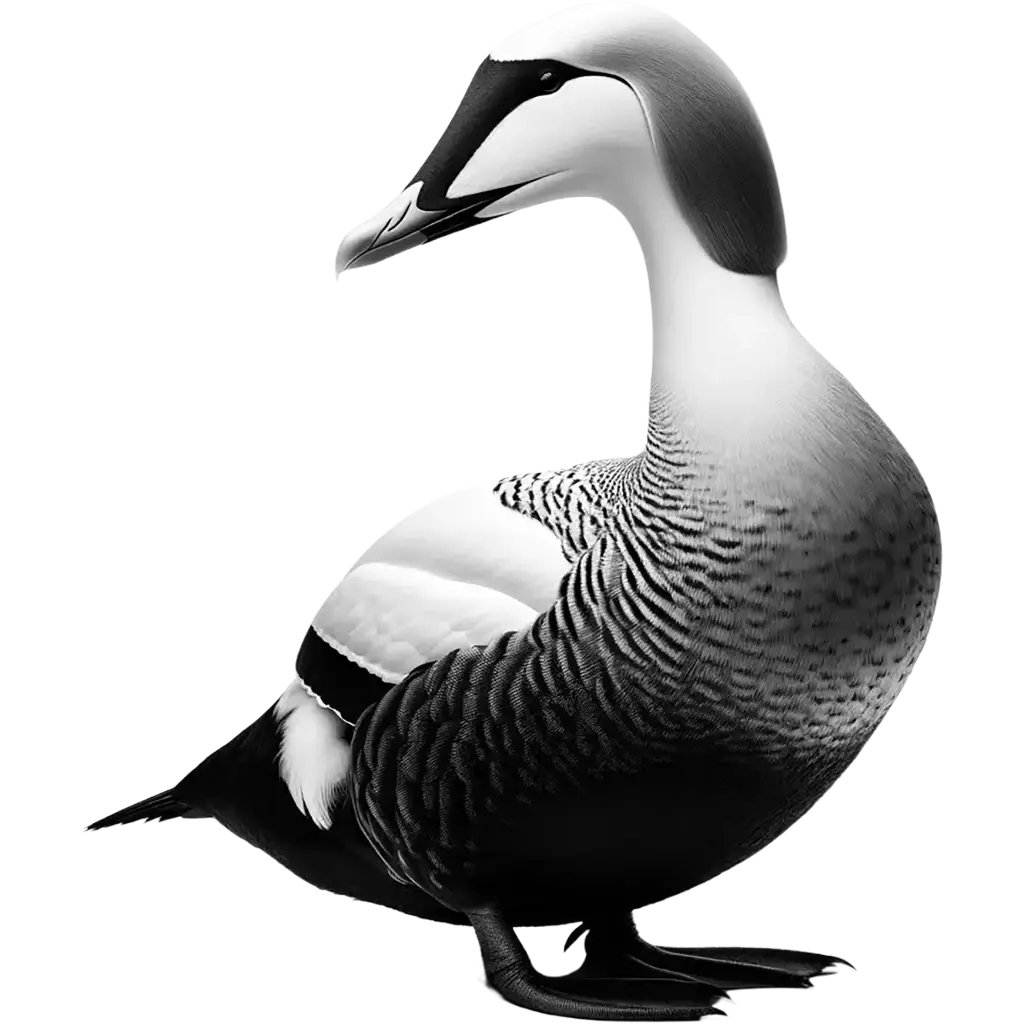
The King Eider, somateria spectabilis, is a large, striking sea duck known for its circumpolar distribution in the Arctic regions of North America, Europe, and Asia. Male King Eiders are particularly notable for their distinctive appearance during the breeding season, with a bold black and white pattern, a bright orange
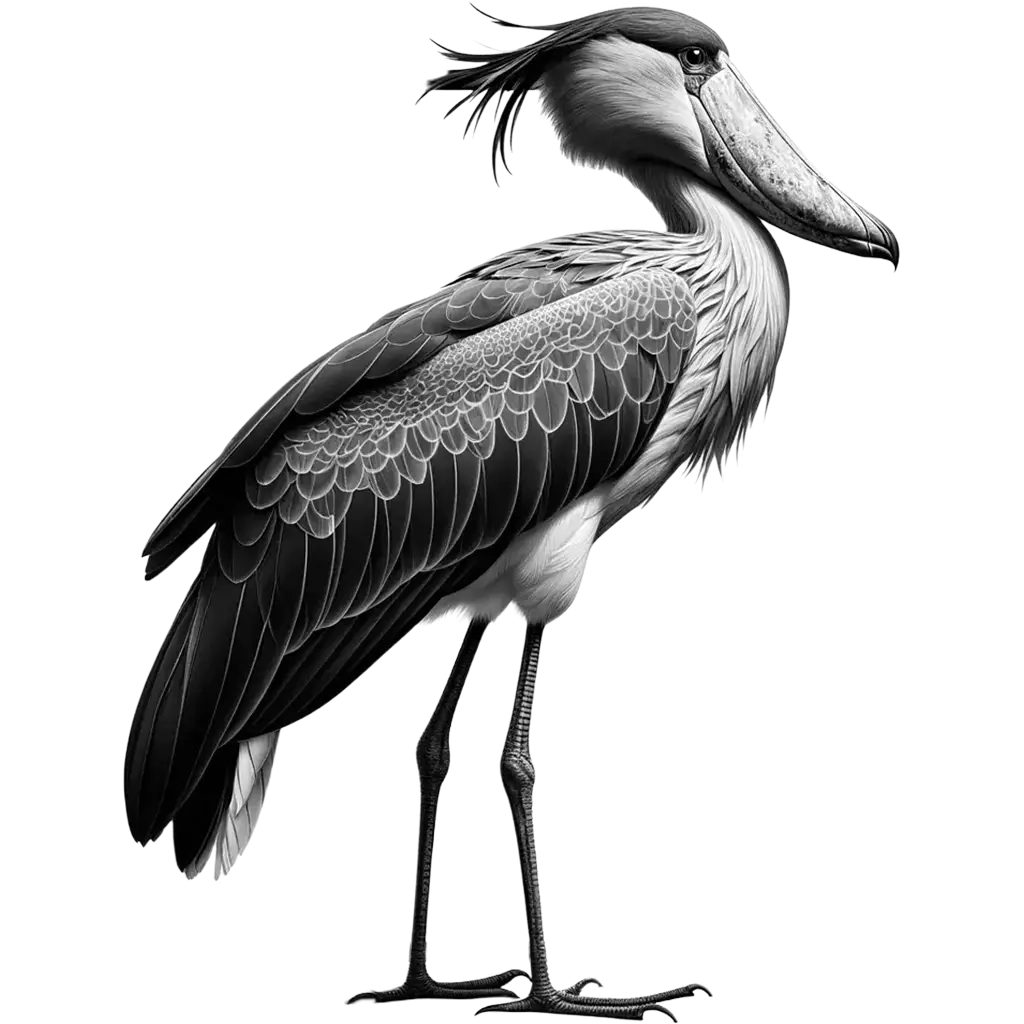
The Shoebill, balaeniceps rex, is a large, prehistoric-looking bird native to the freshwater swamps of central tropical Africa. Known for its massive, shoe-shaped bill, which can grow up to 24 cm in length, the Shoebill stands approximately 110 to 140 cm tall and exhibits a wingspan of about 230 to

The Grey-headed lovebird, agapornis canus, also known as the Madagascar Lovebird, is a small parrot species native to Madagascar and the Comoros islands. This diminutive bird is notable for its distinctive sexual dimorphism; males boast a mostly grey head and neck, which sharply contrasts with their bright green body, while