
Agapornis Canus
Gray-Headed Lovebird
Dry woodland and scrubland, also found in cultivated areas and gardens
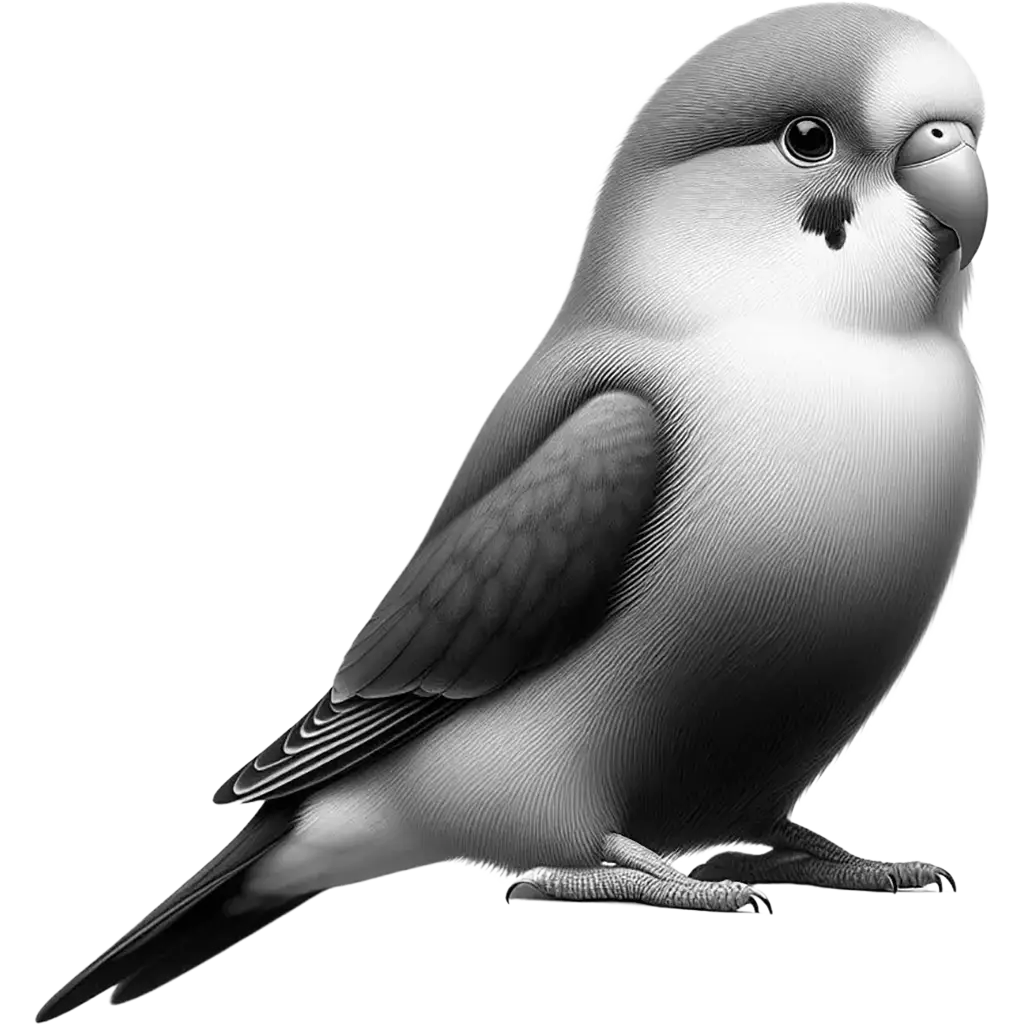
The Grey-headed lovebird, agapornis canus, also known as the Madagascar Lovebird, is a small parrot species native to Madagascar and the Comoros islands. This diminutive bird is notable for its distinctive sexual dimorphism; males boast a mostly grey head and neck, which sharply contrasts with their bright green body, while females are predominantly green all over, allowing for easy differentiation between the sexes. Adults typically measure around 13 centimeters (5 inches) in length, making them one of the smaller members of the lovebird genus, Agapornis.
| Population: | Not precisely quantified; considered to have a stable population in the wild |
| Generation Length: | 3-4 years |
| Average Weight: | Approximately 30-40 grams |
| Average Length: | 13-15 cm |
| Lifespan: | Up to 10-15 years in captivity; lifespan in the wild is less documented |
| Diet: | Primarily seeds and fruits |
| Conservation Status: | Least Concern (LC) |
Grey-headed lovebirds prefer open woodlands, scrublands, and areas that are close to water sources. They are highly social birds, often seen in small flocks when not breeding. Their diet primarily consists of seeds, fruits, berries, and occasionally insects, reflecting their adaptability to available food sources in their natural habitat.
These lovebirds are cavity nesters, utilizing natural cavities in trees or cliffs, and sometimes even taking over abandoned nests of other birds. They exhibit a strong pair bond, with mating pairs often seen sitting closely together and engaging in mutual preening.
Reproduction in Grey-headed lovebirds involves the female laying 3 to 6 eggs, which she incubates for about 23 days. The chicks are altricial, meaning they are born blind and featherless, and depend on their parents for warmth, protection, and feeding. Both parents participate in feeding the chicks, which fledge approximately 38 to 42 days after hatching.
The Grey-headed lovebird is currently listed as Least Concern by the IUCN, with a stable population trend. However, like many species, they face threats from habitat loss due to deforestation and land conversion for agriculture. Conservation efforts for the Grey-headed lovebird focus on habitat preservation and the protection of nesting sites to ensure the sustainability of their populations. Despite their relatively stable status, ongoing monitoring and conservation actions are essential to mitigate potential future threats.
Classifications
The Key Attributes
Features
- Movement:
Flight
- Territorial Behavior:
Highly social, forming strong pair bonds
- Speed:
Agile fliers but specific speeds not quantified
- Diet:
Herbivore
- Physical Features:
- Males have a grey head and green body
- Females are mostly green
- Small, stout body with a short tail
- Sharp beak for cracking seeds
- Primary Senses:
- Sight
- Hearing
Understanding Habitat and Range
Geography
- Habitat:
Dry woodland and scrubland, also found in cultivated areas and gardens
- Migration Patterns:
Non-migratory, but may move locally depending on food availability
- Geographical Range:
Native to Madagascar; introduced populations in the Comoros
- Climate Preferences:
Prefers warm, dry climates
Navigating the Wilderness
In the wild
- Predators:
Birds of prey, snakes, and small mammals
- Prey:
Seeds, fruits
- Feeding Behavior:
Feeds on a variety of seeds, fruits, and occasionally insects
- Diet:
Primarily seeds and fruits
- Defensive Mechanisms:
- Preferred Food Sources:
Insights Into Reproduction
Mating
- Mating System:
Monogamous, forming strong lifelong pair bonds
- Number of Offspring:
3-6 eggs per clutch
- Incubation Period:
About 21-23 days
- Parental Involvement:
- Both parents participate in incubating the eggs and feeding the chicks
Youngsters Section
Gray-Headed Lovebird
Fun Fact
Gray-headed lovebirds are native to Madagascar and are the only lovebird species not native to Africa.
These lovebirds are small, measuring about 5 inches long. They are sexually dimorphic, with males having a distinct gray head, while females are entirely green. Known for their social nature, they thrive in flocks. They enjoy seeds, fruits, and occasionally insects, playing a crucial role in their ecosystem by aiding in seed dispersal.

Download word search puzzles
Word Search Puzzles

Check Out Other Birds
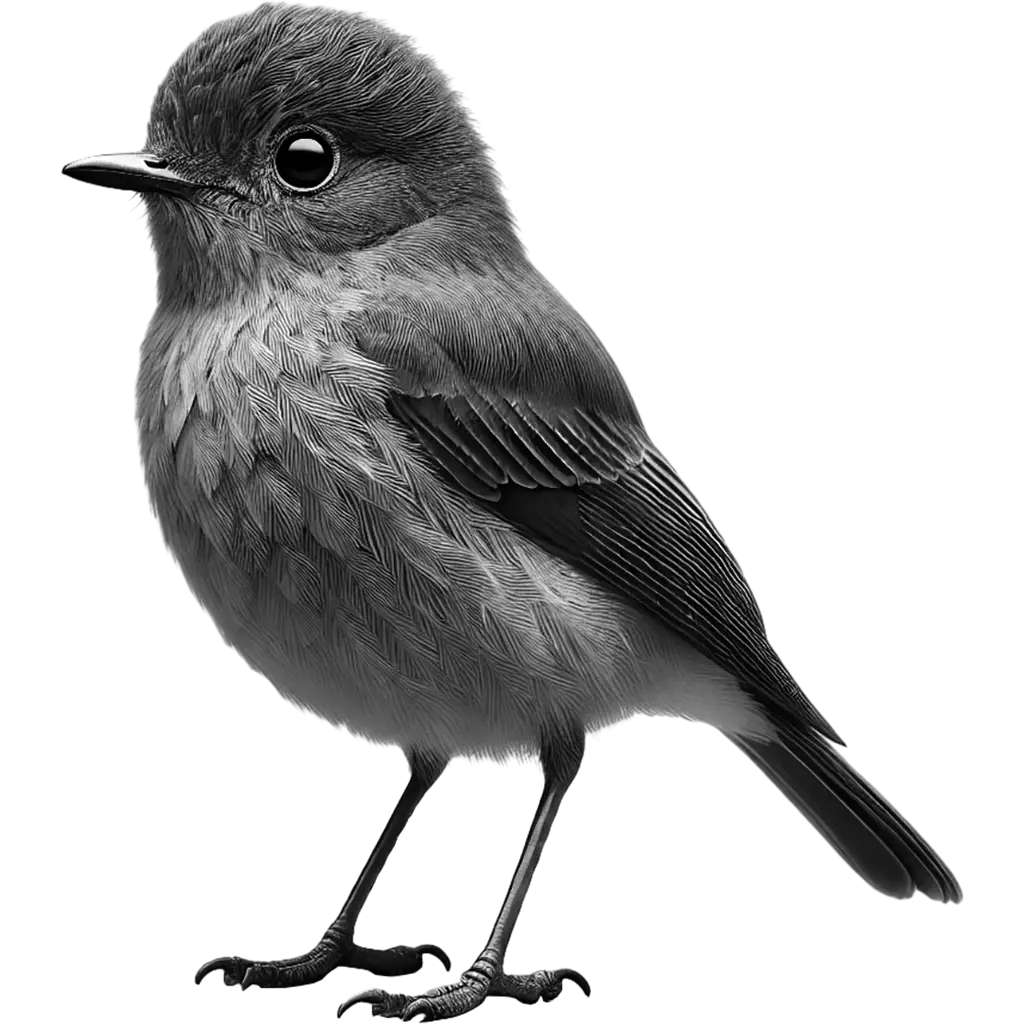
The Tumbes Pewee is a small, compact bird with subtle olive and gray plumage that blends seamlessly into its tropical surroundings. Its soft, rounded head is accented by distinct facial markings and a slightly hooked, sharp bill, all of which enhance its overall delicate yet alert appearance. The bird's long,
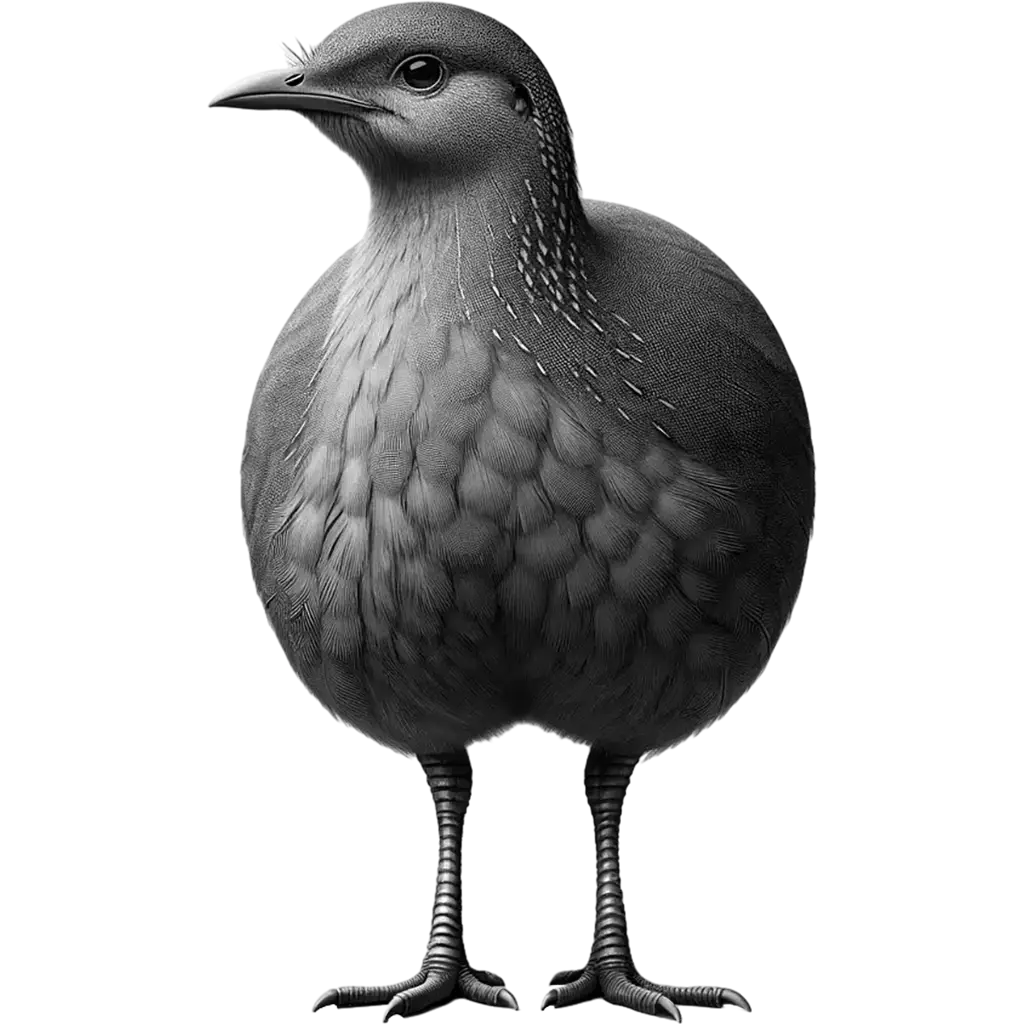
The Great Tinamou, tinamus major, is a large, ground-dwelling bird native to the rainforests of Central and South America. This elusive species is characterized by its soft, cryptically colored plumage, typically shades of brown and gray, which aids in camouflage within the forest floor's leaf litter. Adults can reach up
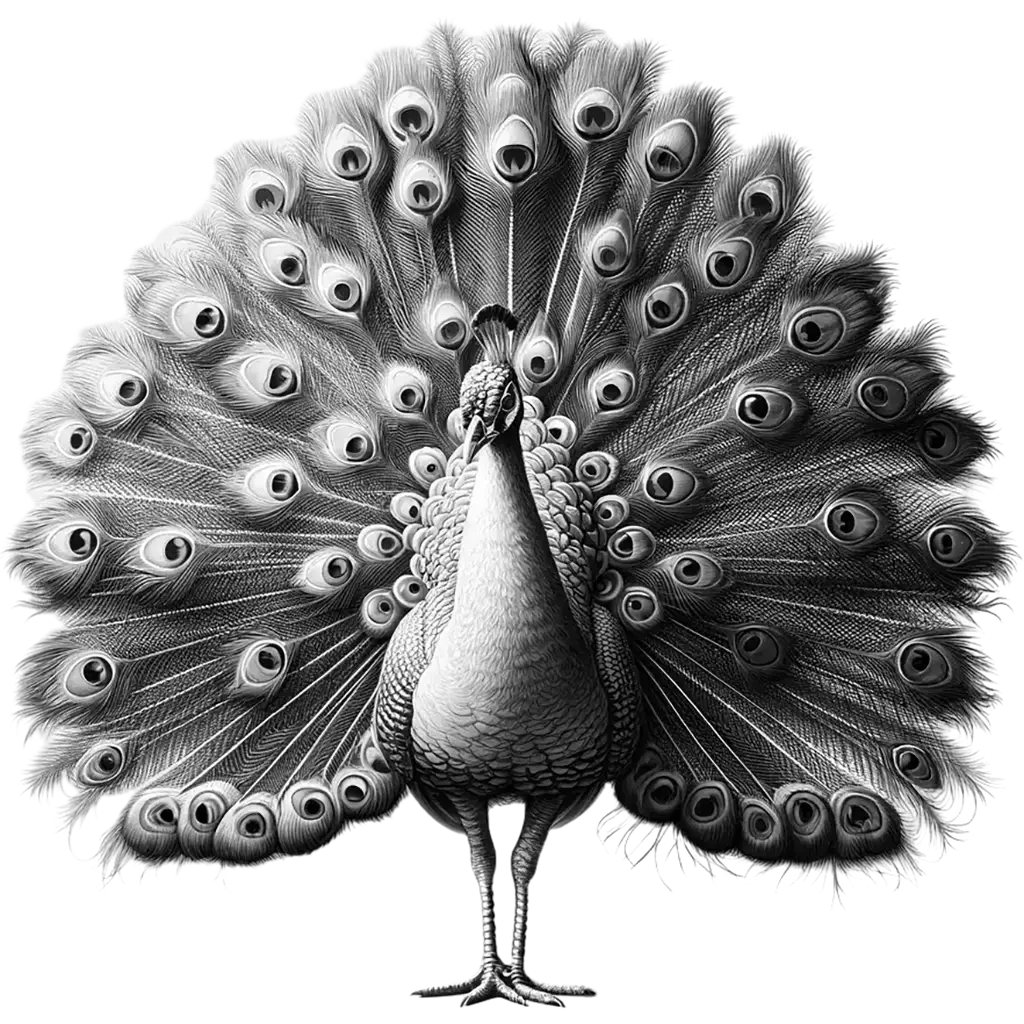
The Indian Peafowl, Pavo cristatus, also known as the Blue Peafowl, is a stunningly beautiful bird native to the Indian subcontinent. Males, known as peacocks, are renowned for their iridescent blue-green plumage and the spectacular fan of elongated upper-tail covert feathers, adorned with eye-like designs, used in courtship displays. Females,
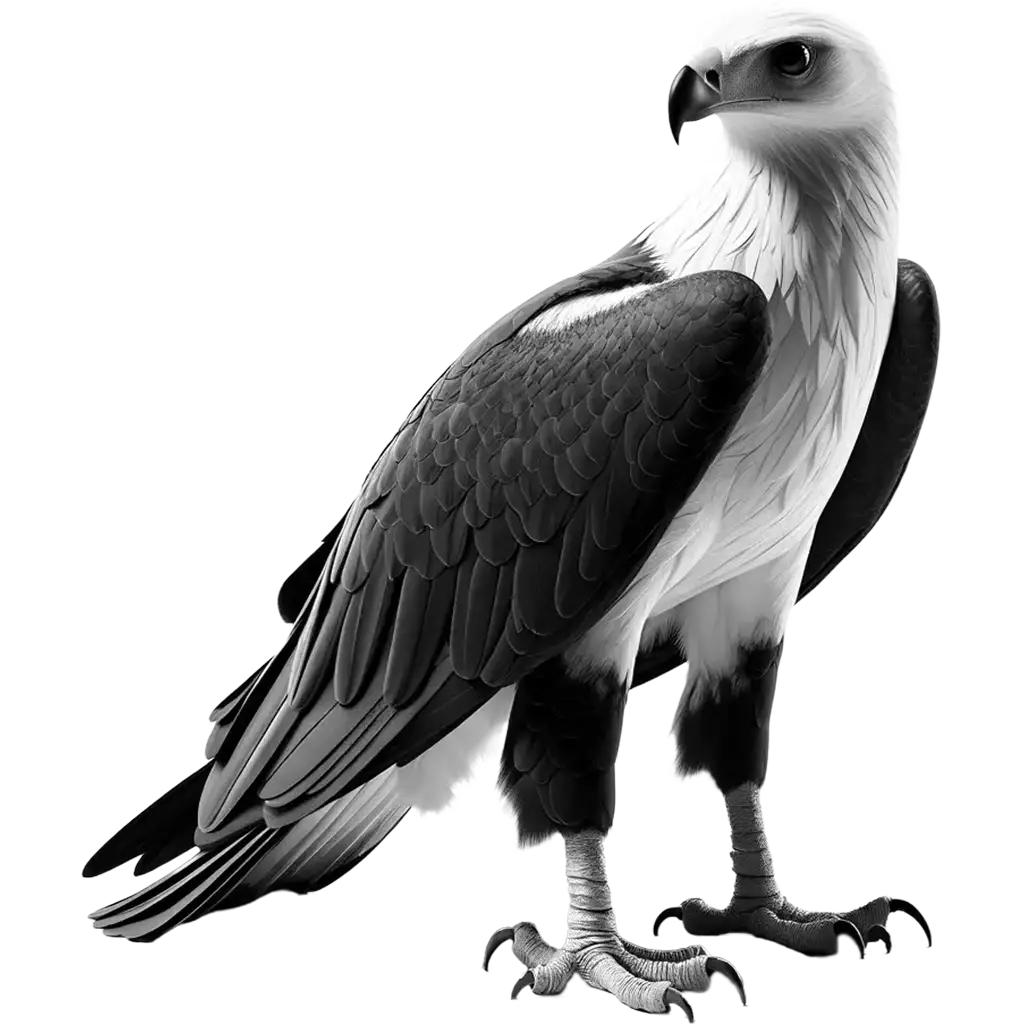
The Wedge-Tailed Eagle, aquila audax, is a powerful bird of prey and one of the largest eagles in the world, recognized by its long, distinctive wedge-shaped tail. Adults can have a wingspan of up to 2.5 meters and weigh between 3 to 6 kg, with females generally larger than males.