
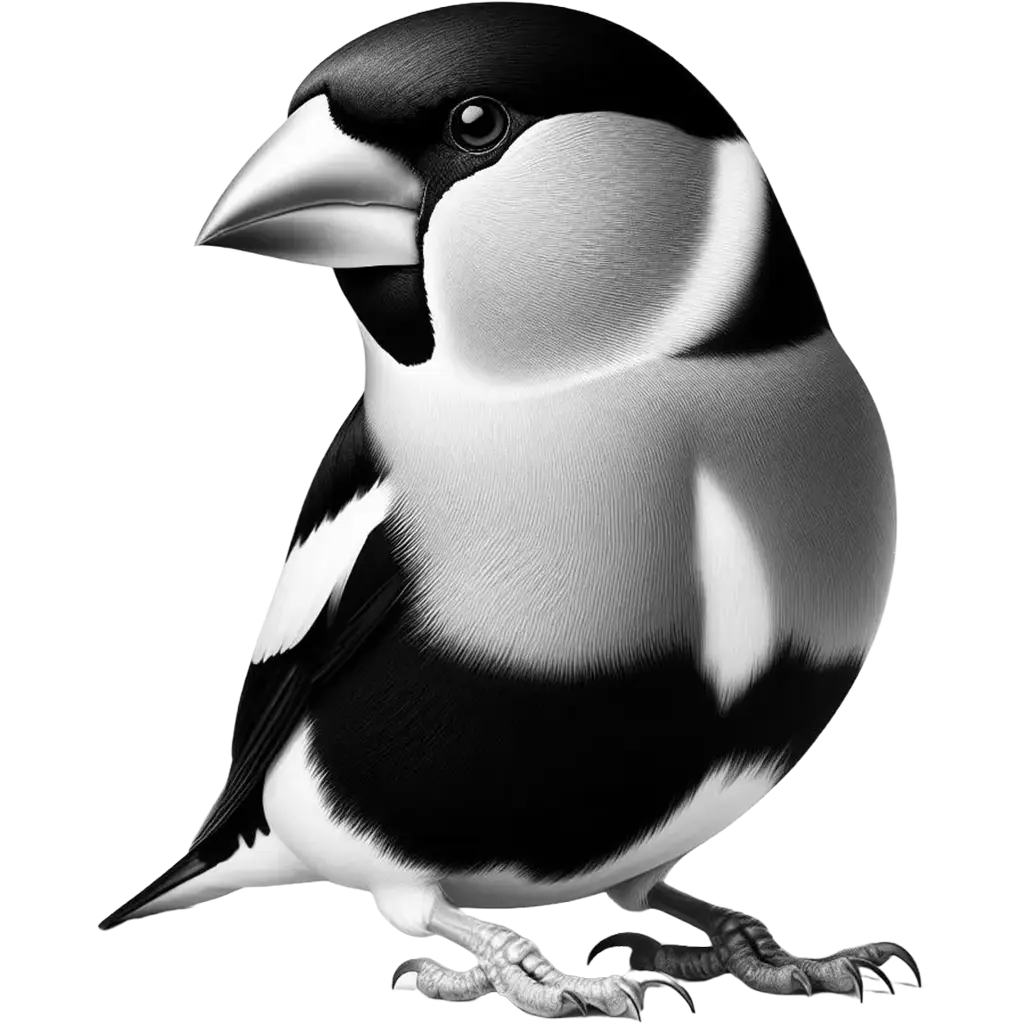
Coccothraustes Coccothraustes
Hawfinch
Deciduous forests, large woodlands, orchards, and parks
The Hawfinch, coccothraustes coccothraustes, is a robust and strikingly colored bird, known for its large size among finches, measuring up to 18 centimeters (7 inches) in length and weighing between 48 to 62 grams (1.7 to 2.2 ounces). Characterized by its massive bill capable of cracking even the hardest seeds, the Hawfinch has a distinctive appearance with a brownish-red body, black wings with a bold white wing bar, and a striking blue-black bill. Both males and females exhibit similar plumage, though males tend to have slightly brighter colors.
| Population: | Widespread but populations are declining in some areas; not currently considered threatened globally |
| Generation Length: | 4 years |
| Average Weight: | Approximately 48-62 grams |
| Average Length: | 16.5-18 cm |
| Lifespan: | Up to 5-12 years in the wild |
| Diet: | Primarily seeds and fruits |
| Conservation Status: | Least Concern (LC) |
Hawfinches are found across Europe and Asia, inhabiting deciduous forests, woodlands, large gardens, and parklands. They prefer areas with abundant fruit-bearing trees and bushes, where they can feed on seeds, which constitute the major part of their diet. Despite their colorful plumage, they are elusive and often hard to spot, tending to remain high in the tree canopy.
The diet of the Hawfinch is predominantly seeds, especially those of cherries, hornbeam, and sunflower, but they also consume buds, shoots, and occasionally insects, particularly during the breeding season to feed their young. Their powerful beaks allow them to access food sources unavailable to other birds.
Reproduction in Hawfinches occurs in the spring, with nests typically constructed in the fork of a tree branch, well-hidden among foliage. Females lay between 2 to 7 eggs, which are incubated for about 12 to 14 days. Both parents participate in feeding the nestlings, which fledge approximately 12 to 16 days after hatching.
The Hawfinch is classified as Least Concern by the IUCN, although its populations have experienced declines in some areas due to habitat loss, agricultural intensification, and the removal of old trees which are crucial for nesting and feeding. Conservation efforts for the Hawfinch involve protecting and managing forest habitats, promoting the growth of native fruit-bearing trees, and mitigating the impact of agricultural practices. The preservation of these habitats is essential not only for the Hawfinch but also for the wider biodiversity of woodland ecosystems.
Classifications
The Key Attributes
Features
- Movement:
Flight
- Territorial Behavior:
Somewhat territorial, especially during breeding season
- Speed:
Not specifically quantified; capable of fast, direct flight
- Diet:
Omnivore
- Physical Features:
- Large, powerful bill capable of cracking seeds
- Bright chestnut body with a large head and short tail
- Black and white markings on wings and tail
- Males have a more pronounced blue-grey cap and black face mask
- Primary Senses:
- Sight
- Hearing
Understanding Habitat and Range
Geography
- Habitat:
Deciduous forests, large woodlands, orchards, and parks
- Migration Patterns:
Partially migratory, with northern populations moving south for winter
- Geographical Range:
Eurasia from Western Europe to East Asia, with isolated populations in North Africa
- Climate Preferences:
Temperate climates
Navigating the Wilderness
In the wild
- Predators:
Birds of prey, cats, and corvids may prey on eggs and young
- Prey:
Seeds, fruits, insects
- Feeding Behavior:
Feeds on a diet of large seeds, fruit, and occasionally insects
- Diet:
Primarily seeds and fruits
- Defensive Mechanisms:
- Camouflage within foliage
- Quick flight to escape predators
- Preferred Food Sources:
- Cherry, plum, and apricot pits
- Seeds of hornbeam and elm
- Pine and spruce seeds
Insights Into Reproduction
Mating
- Mating System:
Monogamous
- Number of Offspring:
3-5 eggs per clutch
- Incubation Period:
About 12-14 days
- Parental Involvement:
- Both parents share in feeding and caring for the chicks
Youngsters Section
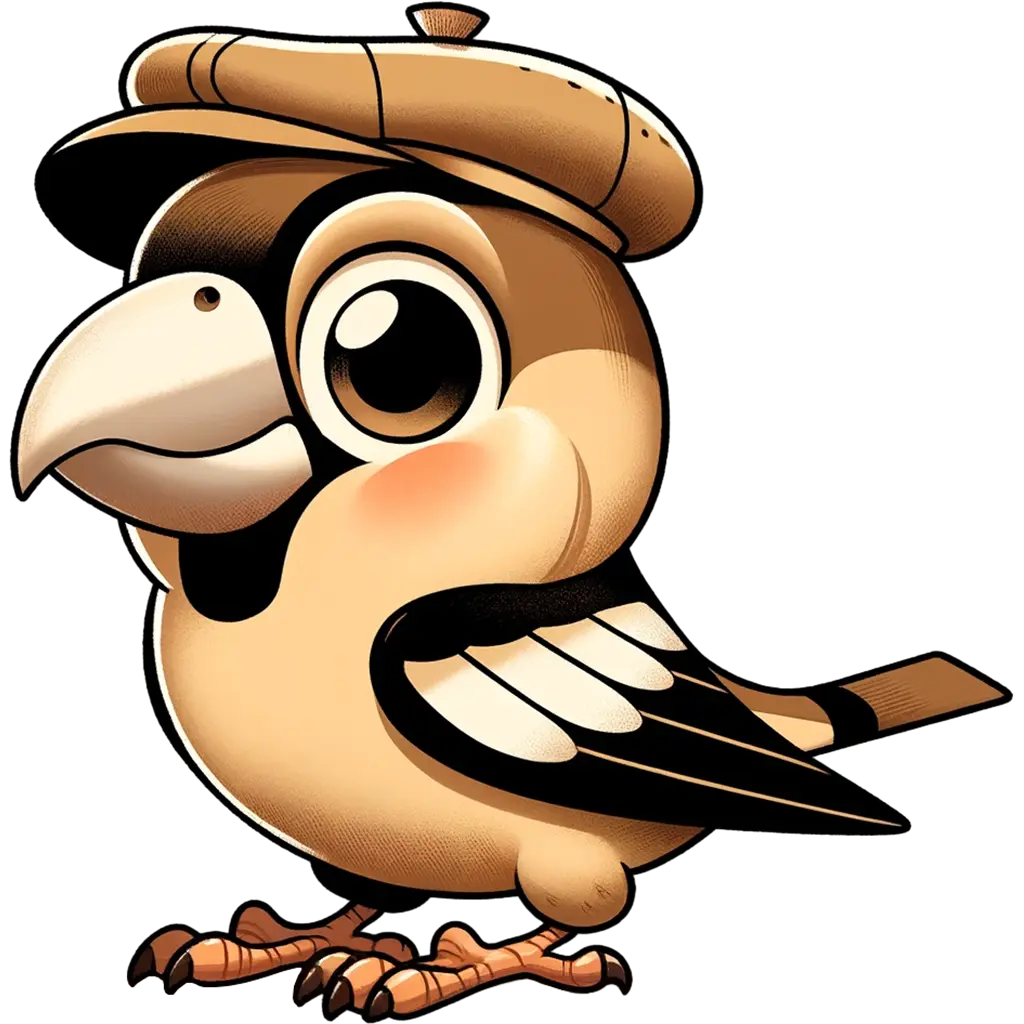
Hawfinch
Fun Fact
The hawfinch has an incredibly strong beak, capable of cracking cherry pits.
This bird's beak can exert a force of up to 50 kilograms, allowing it to access the nutritious seeds inside hard pits. Its powerful jaw muscles and robust skull structure are specially adapted for this task, making it one of the most formidable seed-cracking birds.

Download word search puzzles
Word Search Puzzles
Check Out Other Birds
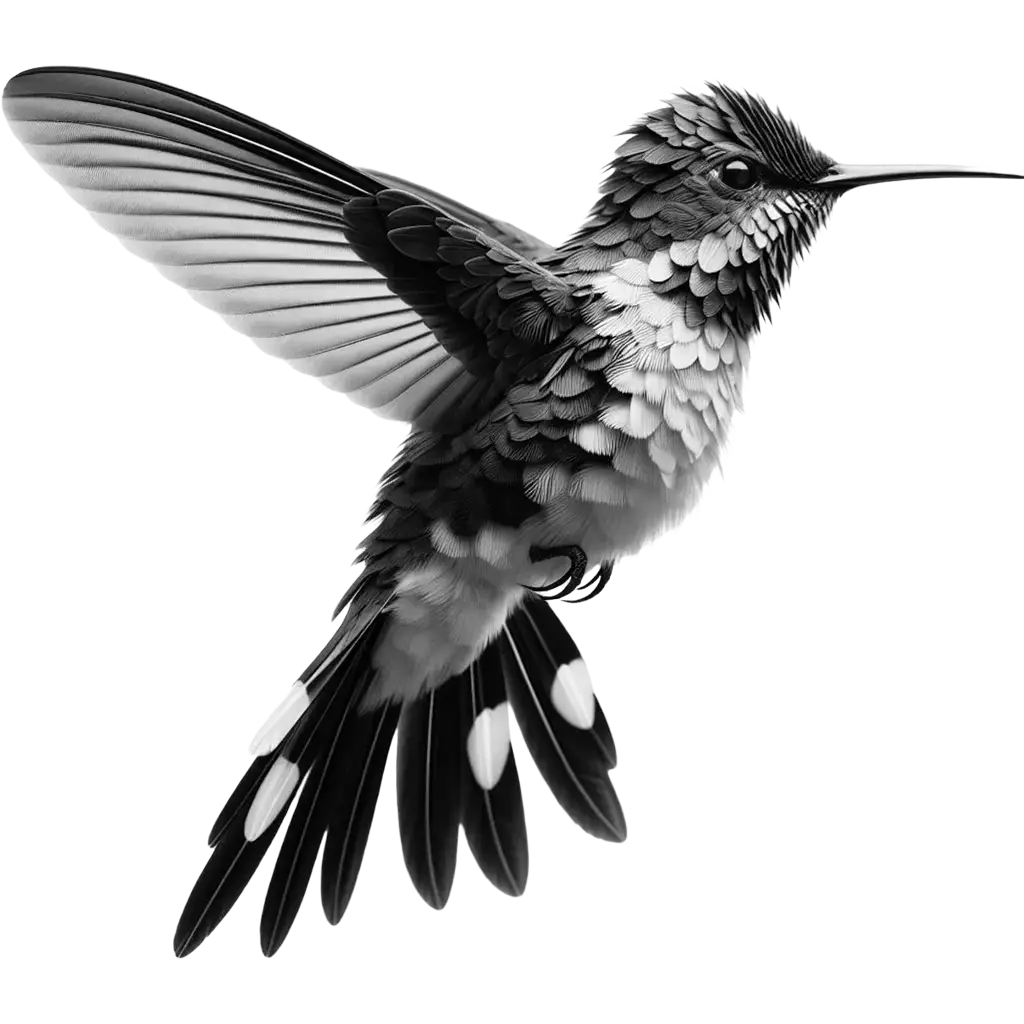
The Bee Hummingbird, Mellisuga helenae, holds the title of the world's smallest bird, native to Cuba and the Isla de la Juventud. Adults measure a mere 5 to 6 centimeters (2 to 2.4 inches) in length, including the beak and tail, and weigh approximately 1.6 to 2 grams (0.056 to
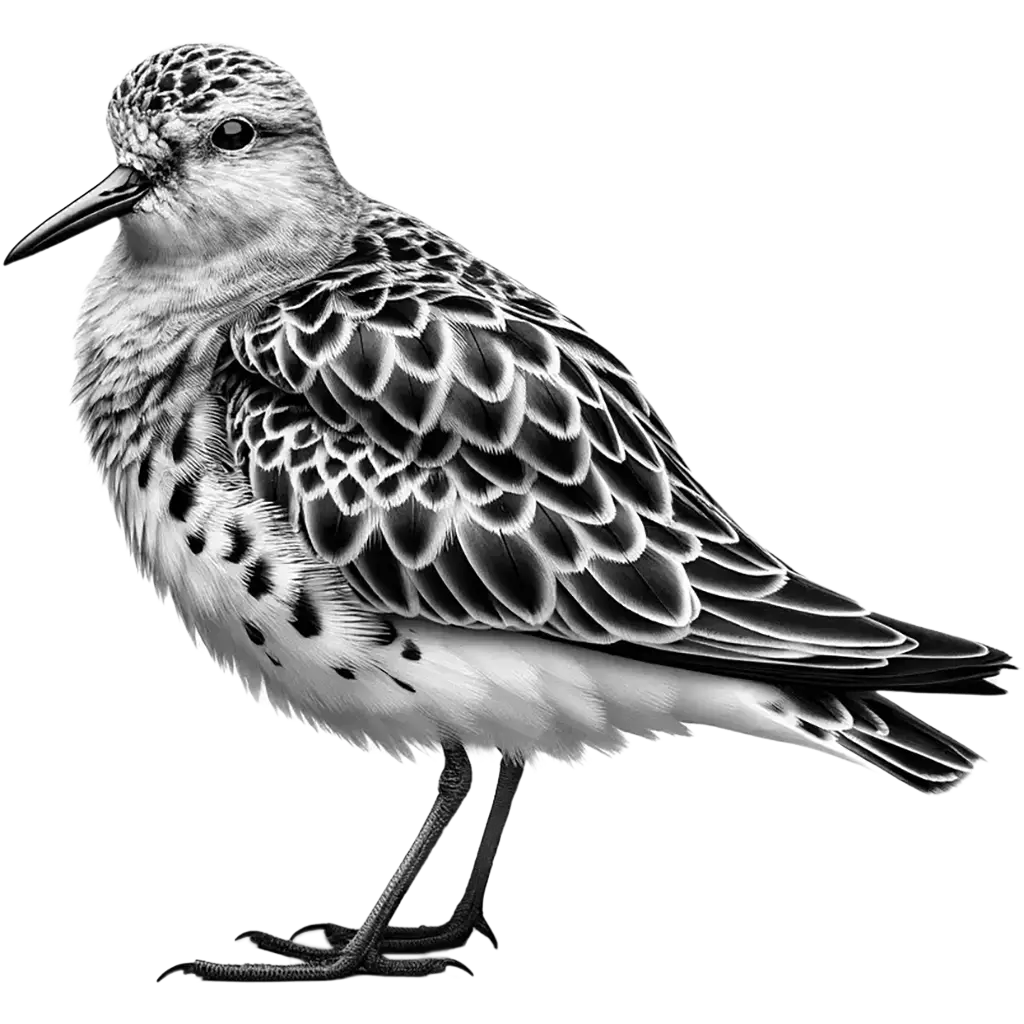
The Ruff, calidris pugnax, is a medium-sized wading bird known for its remarkable breeding plumage and unique courtship behavior. Males, during the breeding season, display an array of ornate and colorful collars and head tufts, ranging from white and black to shades of orange, blue, and green. These 'Ruffs' are
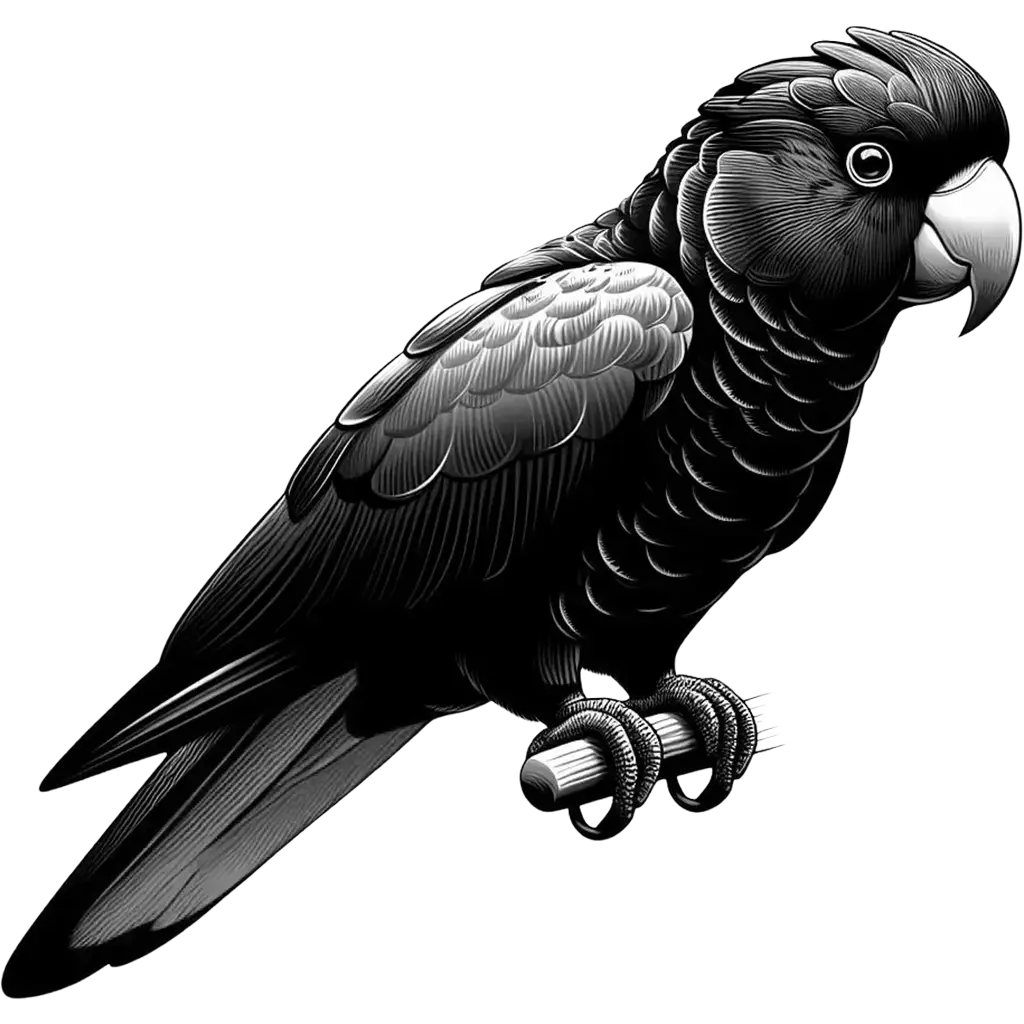
The Red-Tailed Black Cockatoo, calyptorhynchus banksii, is a large, striking bird native to Australia, known for its glossy black plumage and distinctive red tail panels. Adult males boast a bold black color with a bright red band across the tail feathers, while females and juveniles display a more varied plumage
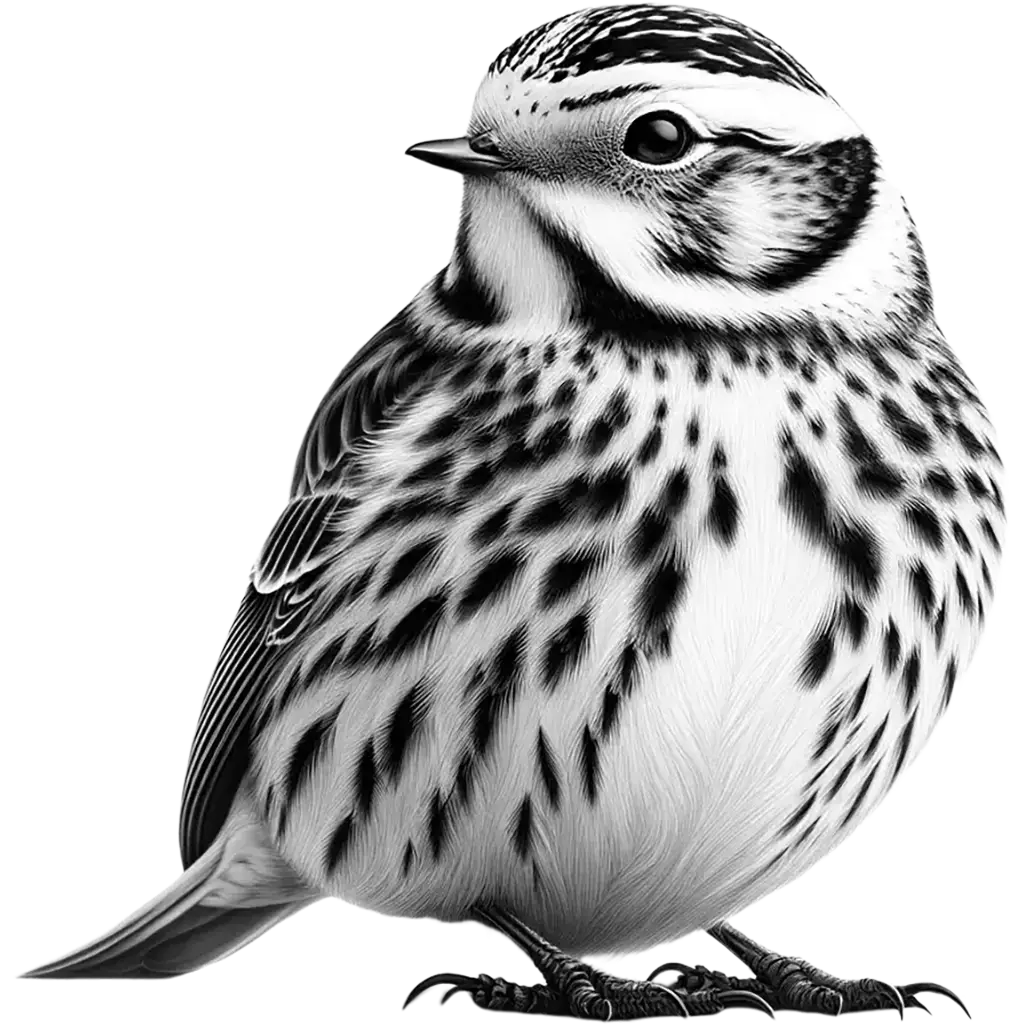
The Lapland Longspur, calcarius lapponicus, is a small, hardy bird known for its distinctive plumage and far-reaching migrations. This species exhibits a remarkable adaptation to cold environments, breeding in the Arctic tundra of North America, Europe, and Asia, and wintering in temperate and even subtropical regions. Adults typically measure about