
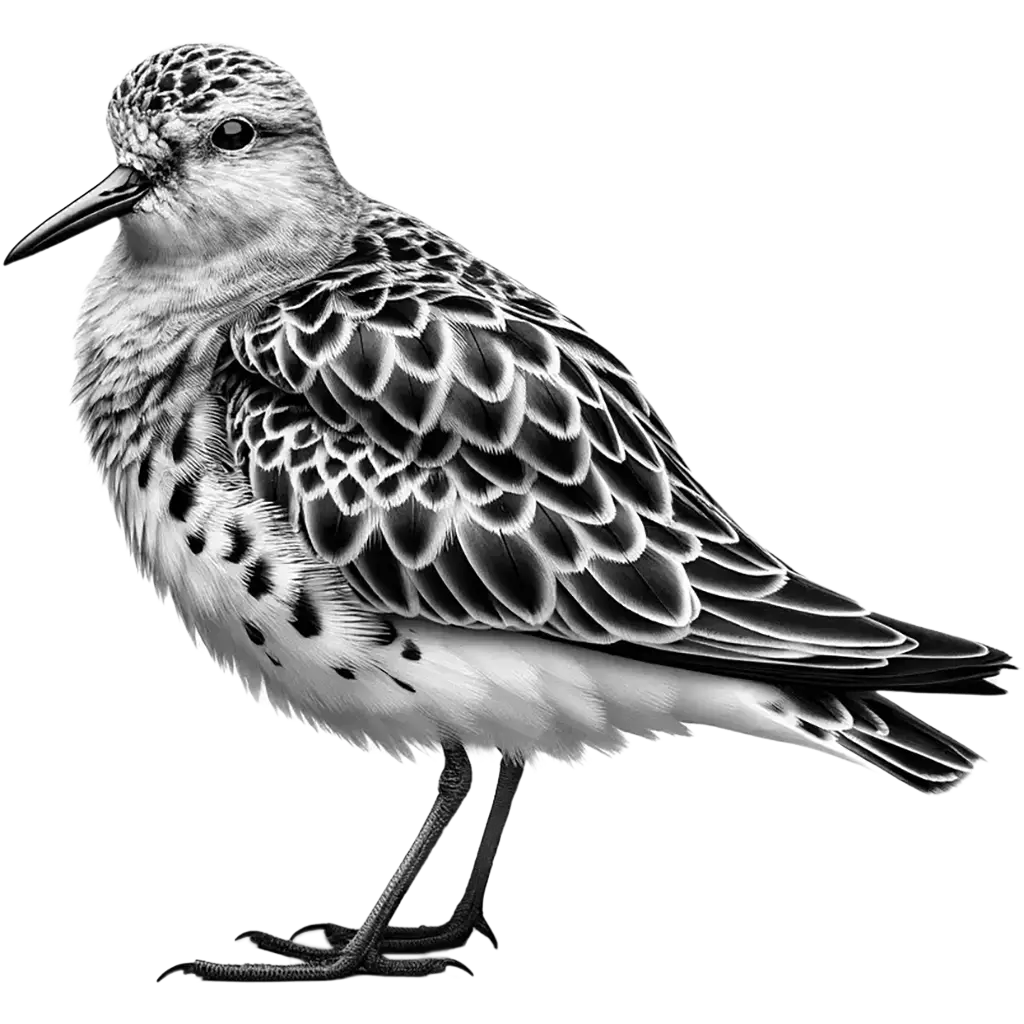
Calidris Pugnax
Ruff
Wetlands, marshes, and muddy fields
The Ruff, calidris pugnax, is a medium-sized wading bird known for its remarkable breeding plumage and unique courtship behavior. Males, during the breeding season, display an array of ornate and colorful collars and head tufts, ranging from white and black to shades of orange, blue, and green. These 'Ruffs' are accompanied by large, ornamental feathers around the neck. Females, known as reeves, are much less conspicuous, with mottled brown plumage that provides camouflage in their nesting grounds. Ruffs typically measure 29 to 32 cm in length, with a wingspan of 54 to 60 cm, making them one of the larger species in the genus Calidris.
| Population: | Listed as Least Concern, but some populations are declining due to habitat loss |
| Generation Length: | 5 years |
| Average Weight: | 100-200 grams |
| Average Length: | 25-30 cm |
| Lifespan: | Up to 10 years in the wild |
| Diet: | Varies seasonally, mainly invertebrates and some plant matter |
| Conservation Status: | Least Concern (LC) |
Ruffs are highly migratory, breeding in marshes and wet meadows across northern Eurasia and wintering in southern Europe, Africa, and southern Asia. Their migration is a testament to their adaptability, capable of enduring long distances twice a year. During the non-breeding season, both males and females adopt a more uniform, subdued plumage that blends with the muddy flats and fields where they forage.
The diet of the Ruff consists primarily of insects, small invertebrates, and occasionally seeds, which they glean from the ground or shallow waters. During the breeding season, their diet shifts to cater to the high-energy demands of displaying and mating.
Reproduction in Ruffs is highly polygynous, with males gathering in communal display grounds, known as leks, to compete for the attention of females. Each male defends a small territory within the lek, performing elaborate dances and displays to attract reeves. Females then mate with one or multiple males based on the attractiveness of their displays and territory quality. After mating, females alone undertake nesting and chick rearing, laying 3 to 4 eggs in a ground nest concealed by vegetation.
The population of the Ruff is considered to be of Least Concern by the IUCN, although certain populations are experiencing declines due to habitat loss, changes in agricultural practices, and drainage of wetlands. Conservation efforts are focused on protecting important breeding and wintering habitats, as well as safeguarding key stopover sites along their migratory routes. The Ruff's elaborate breeding displays and migratory patterns highlight the complexity of avian life cycles and the need for international cooperation in bird conservation.
Classifications
The Key Attributes
Features
- Movement:
Flying, wading, walking
- Territorial Behavior:
Males are territorial during the breeding season
- Speed:
Fast and agile flier
- Diet:
Omnivore
- Physical Features:
- Medium-sized wading bird with long legs and a straight bill
- Males have ornate, variable breeding plumage with large collars and tufts
- Females and non-breeding males have more subdued plumage
- Strong migratory behavior
- Primary Senses:
- Sight
- Hearing
Understanding Habitat and Range
Geography
- Habitat:
Wetlands, marshes, and muddy fields
- Migration Patterns:
Highly migratory, breeding in northern Eurasia and wintering in Africa, southern Europe, and Asia
- Geographical Range:
Eurasia for breeding; wintering ranges extend to Africa and southern Asia
- Climate Preferences:
Temperate to subarctic during breeding; warmer climates in winter
Navigating the Wilderness
In the wild
- Predators:
Birds of prey, foxes, and large wading birds
- Prey:
Aquatic insects, small fish, crustaceans, and plant material
- Feeding Behavior:
Feeds on insects, worms, and small invertebrates, often probing in mud with its bill
- Diet:
Varies seasonally, mainly invertebrates and some plant matter
- Defensive Mechanisms:
- Flocking in large numbers to confuse predators
- Camouflage plumage outside of breeding season
- Preferred Food Sources:
- Rich wetlands and mudflats teeming with invertebrates
Insights Into Reproduction
Mating
- Mating System:
Polygynous, with lekking behavior in males
- Number of Offspring:
Usually 4 eggs
- Incubation Period:
About 21 days
- Parental Involvement:
- Females are primarily responsible for incubation and rearing of the young
Youngsters Section
Ruff
Fun Fact
Ruffs are wading birds known for their extravagant courtship displays, particularly the males.
During the breeding season, male ruffs develop impressive plumage and gather in leks to perform competitive displays. They fluff their colorful feathers, dance, and engage in mock fights to attract females. This unique behavior is a fascinating example of sexual selection in the bird world.

Download word search puzzles
Word Search Puzzles
Check Out Other Birds
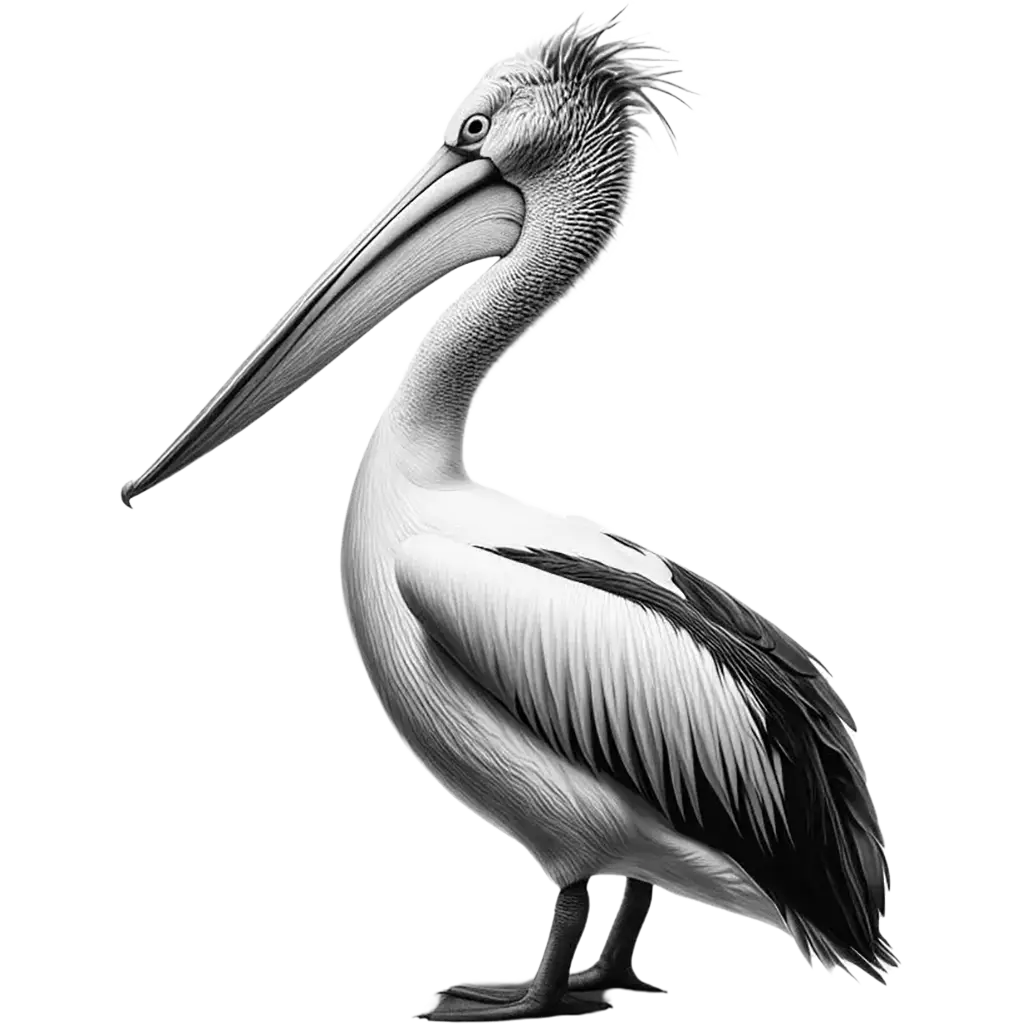
The Dalmatian Pelican, pelecanus crispus, stands as one of the largest freshwater bird species and is distinguished by its impressive wingspan, which can reach up to 3 meters, making it one of the world's largest flying birds. Adults typically weigh between 10 to 15 kilograms, with a notable feature being
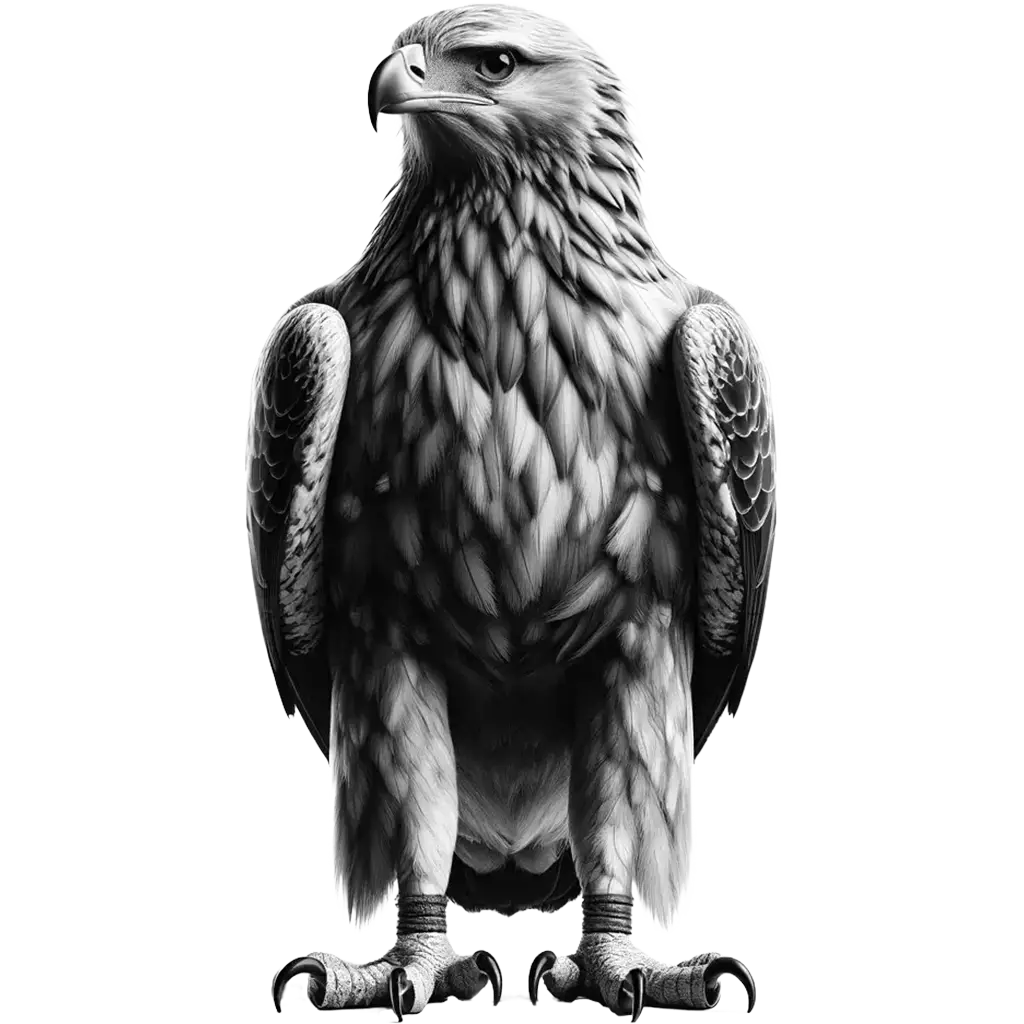
The Lesser Spotted Eagle, clanga pomarina, is a medium-sized bird of prey, distinguished by its relatively small stature compared to other eagles, with a length of about 55 to 65 cm and a wingspan ranging from 145 to 160 cm. The species exhibits a dark brown plumage overall, with lighter,
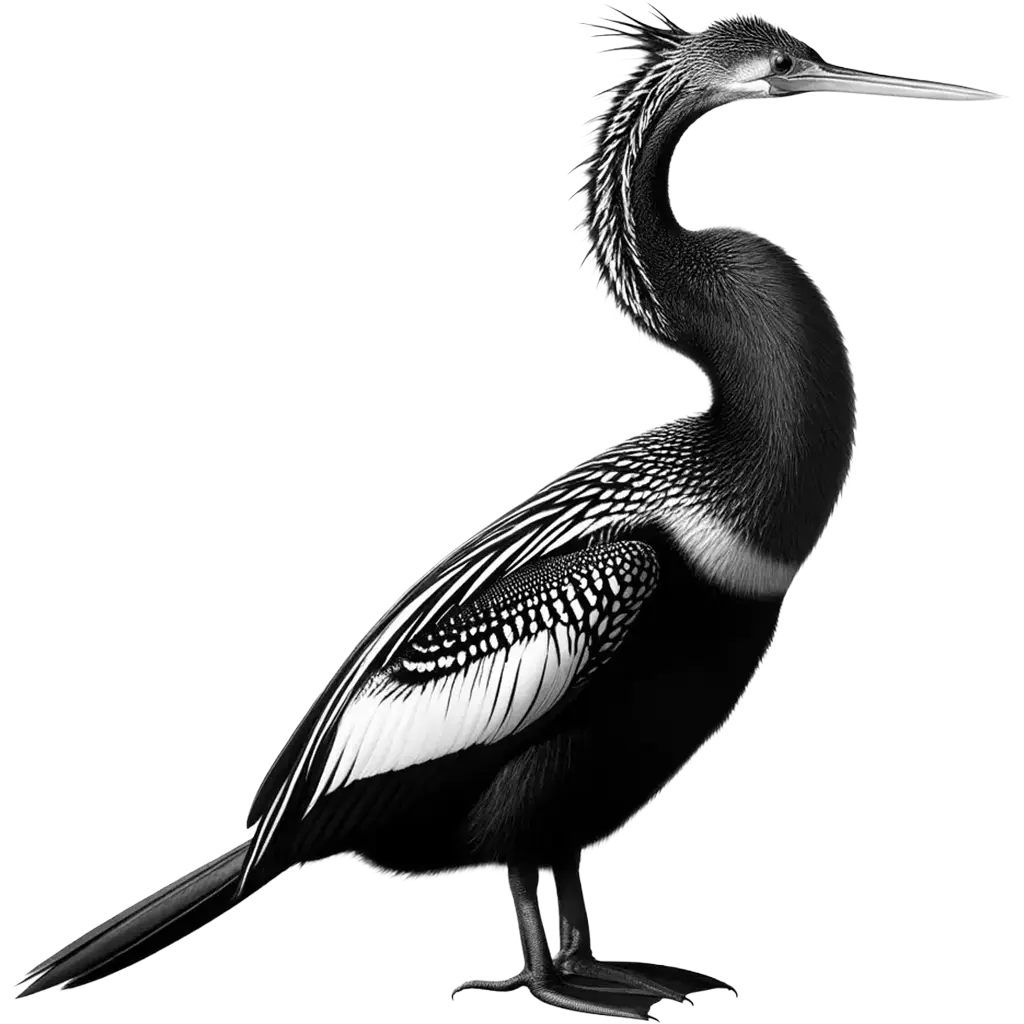
The Anhinga, Anhinga Anhinga, also known as the Snakebird, is a distinctive water bird native to freshwater lakes, swamps, and slow-moving rivers across the American tropics, from the southeastern United States to Argentina. This bird is named for its long, thin neck, which gives it a snake-like appearance when swimming
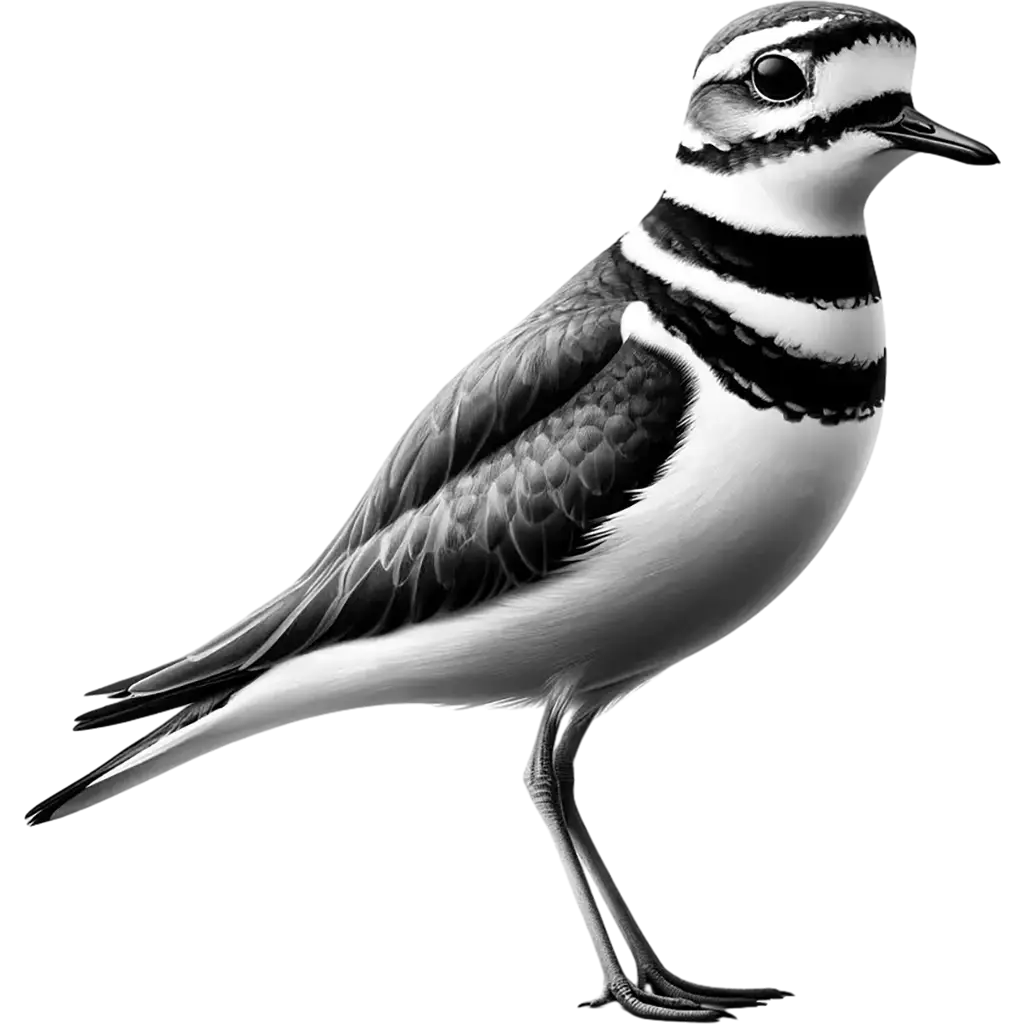
The Killdeer, charadrius vociferus, is a medium-sized plover known for its distinctive 'kill-deer' call from which it gets its name. Measuring approximately 20 to 25 cm in length, with a wingspan of 45 to 50 cm, the Killdeer is easily recognized by its brownish-tan back and white underbelly. A notable