
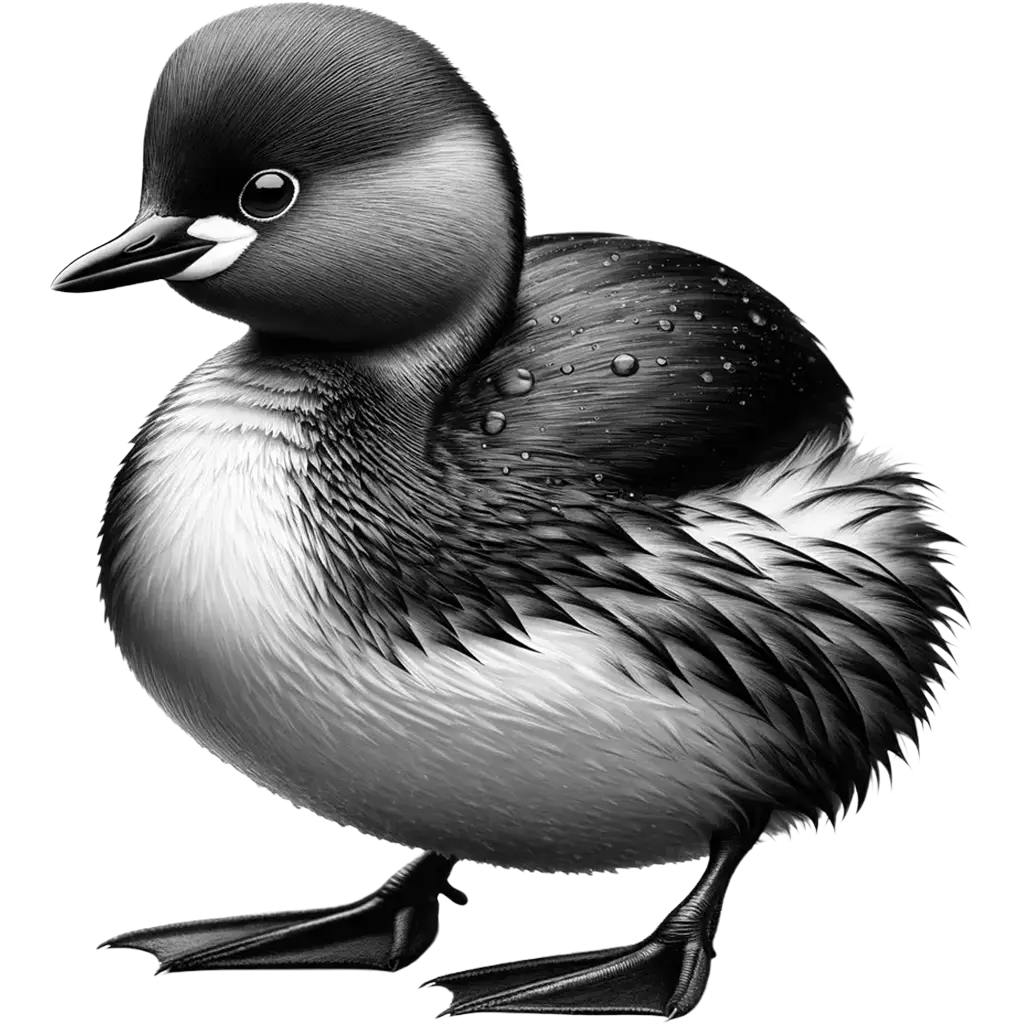
Tachybaptus Ruficollis
Little Grebe
Freshwater bodies like lakes, ponds, rivers, and marshes with abundant vegetation
The Little Grebe, tachybaptus ruficollis, also known as the Dabchick, is a small water bird, celebrated for its remarkable diving ability and agility in water. Adults typically measure about 23 to 29 cm in length, with a distinctive stout body, short neck, and almost tailless appearance. During the breeding season, they exhibit a striking chestnut-red neck and cheeks, contrasting with their dark brown back and a bright yellow patch at the base of the bill. In winter, their plumage becomes more subdued, with grey and white tones dominating.
| Population: | Widespread and common, classified as Least Concern |
| Generation Length: | 3-4 years |
| Average Weight: | 150-250 grams |
| Average Length: | 23-29 cm |
| Lifespan: | 10-12 years in the wild |
| Diet: | Mainly aquatic animals |
| Conservation Status: | Least Concern (LC) |
Little Grebes are found across a wide range of freshwater habitats, including lakes, ponds, rivers, and marshes throughout Europe, Asia, Africa, and the northern parts of Australia. Adapted perfectly to an aquatic life, they have lobed toes that make them expert swimmers and divers, using these skills to catch fish, insects, and aquatic invertebrates.
Their diet primarily consists of small fish and aquatic invertebrates. They are adept hunters, often diving to catch prey and consuming it underwater. The Little Grebe's feeding habits contribute to the ecological balance within their aquatic environments, controlling the populations of their prey species.
Reproduction for Little Grebes involves building a floating nest anchored to submerged vegetation, where the female lays a clutch of 4 to 6 eggs. Both parents share in incubation duties, which last about three weeks, and in the rearing of the chicks, which are born with striped plumage for camouflage. The family unit remains together for some time, with the young learning to dive and forage under the guidance of their parents.
The population of the Little Grebe is considered stable, though it faces threats from habitat degradation, pollution, and the drainage of wetlands. Conservation efforts focused on preserving and restoring their aquatic habitats are essential for ensuring the continued survival of this species. Their presence and health are good indicators of the overall health of wetland ecosystems.
Classifications
The Key Attributes
Features
- Movement:
Swimming, diving
- Territorial Behavior:
Territorial during breeding season
- Speed:
Not specifically quantified; adept at diving and agile in water
- Diet:
Carnivore
- Physical Features:
- Compact body with a short neck and tail
- Pointed bill
- Lobed toes to aid in swimming
- Summer plumage shows a distinctive chestnut throat and cheeks, winter plumage is more uniformly dark
- Primary Senses:
- Sight
- Hearing
Understanding Habitat and Range
Geography
- Habitat:
Freshwater bodies like lakes, ponds, rivers, and marshes with abundant vegetation
- Migration Patterns:
Partially migratory, depending on the climate and water availability in their breeding areas
- Geographical Range:
Found across Europe, much of Asia, Africa, and the northern parts of Australia
- Climate Preferences:
Temperate to tropical climates, with variations in migratory behavior based on local conditions
Navigating the Wilderness
In the wild
- Predators:
Large fish, birds of prey, and mammals like otters
- Prey:
Fish, insects, crustaceans, and amphibians
- Feeding Behavior:
Dives underwater to catch fish, insects, and other aquatic prey
- Diet:
Mainly aquatic animals
- Defensive Mechanisms:
- Diving to evade predators
- Nesting in dense aquatic vegetation to conceal from threats
- Preferred Food Sources:
- Shallow waters rich in aquatic life
Insights Into Reproduction
Mating
- Mating System:
Monogamous
- Number of Offspring:
4-6 eggs per clutch
- Incubation Period:
About 20-22 days
- Parental Involvement:
- Both parents share in incubation and feeding of the young
Youngsters Section
Little Grebe
Fun Fact
Little Grebes are small waterbirds known for their distinctive "trilling" calls and diving ability.
They can stay submerged for up to 30 seconds, using their lobed toes to propel underwater. They are expert divers, often disappearing beneath the surface to catch aquatic insects and small fish. These birds are found in freshwater bodies across Europe, Africa, and Asia.

Download word search puzzles
Word Search Puzzles


Check Out Other Birds
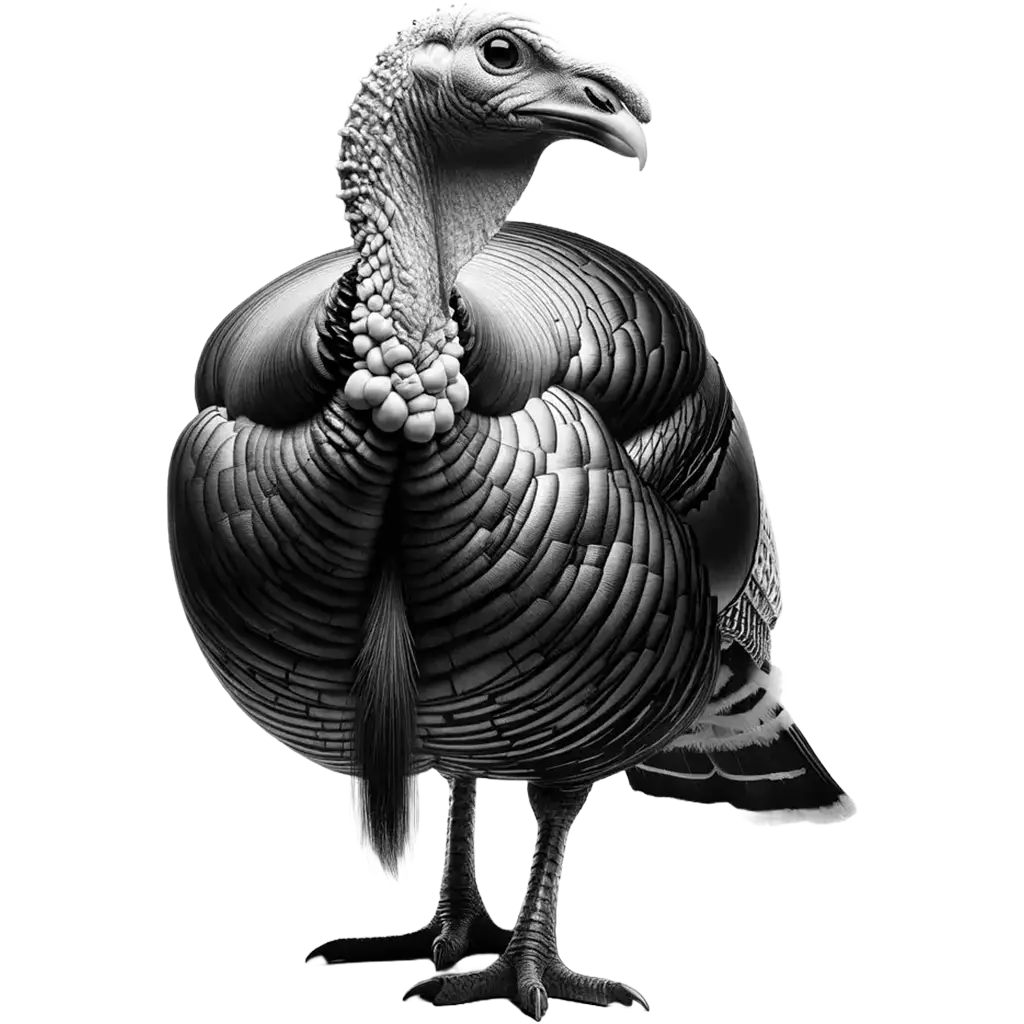
The Wild Turkey, meleagris gallopavo, is a large bird native to North America, recognized for its significant role in the continent's wildlife and history. Adult males, known as toms or gobblers, are particularly notable for their impressive size, weighing up to 11 kilograms and measuring up to 125 centimeters in
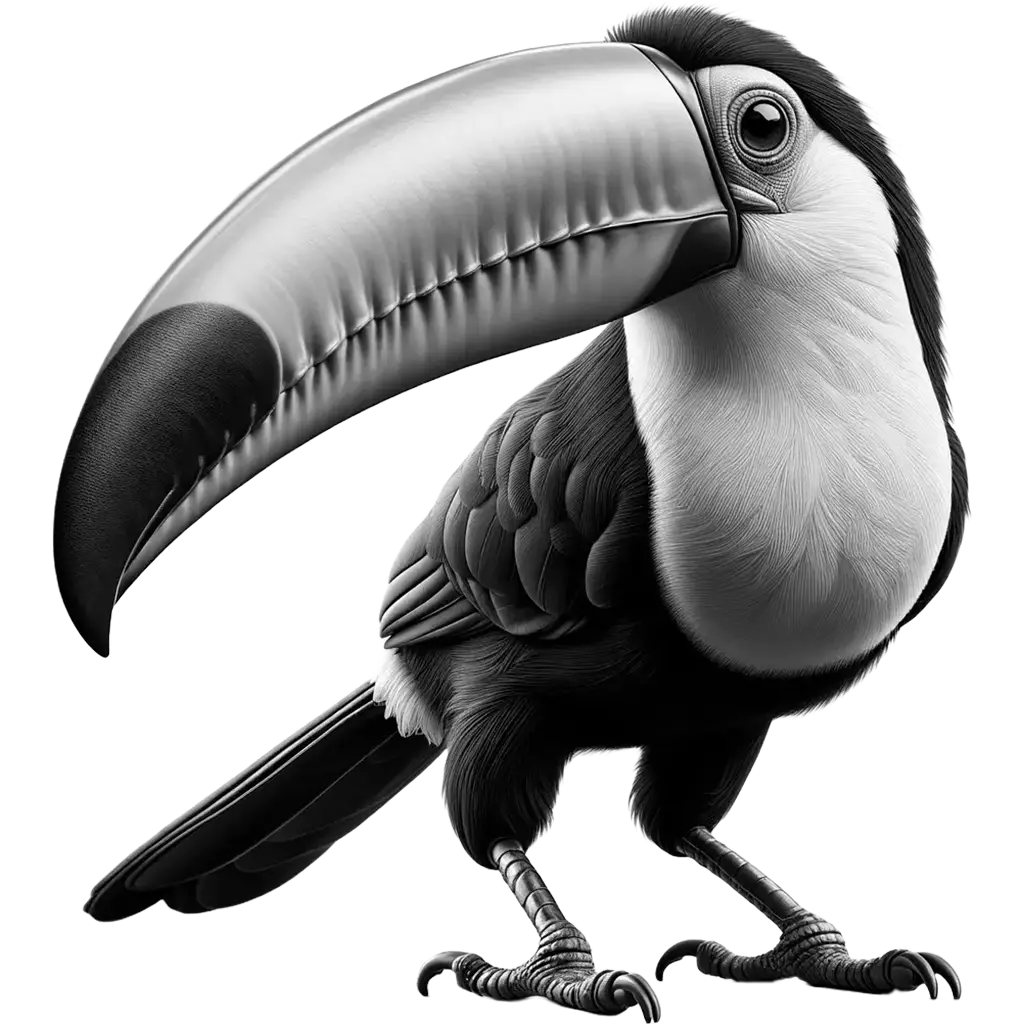
The Channel-Billed Toucan, ramphastos vitellinus, is a vibrant and charismatic bird native to Trinidad and the northern regions of South America, including Venezuela, Guyana, Suriname, French Guiana, and northern Brazil. Recognizable by its large, colorful bill, which can measure up to 14 centimeters in length, this species boasts a striking
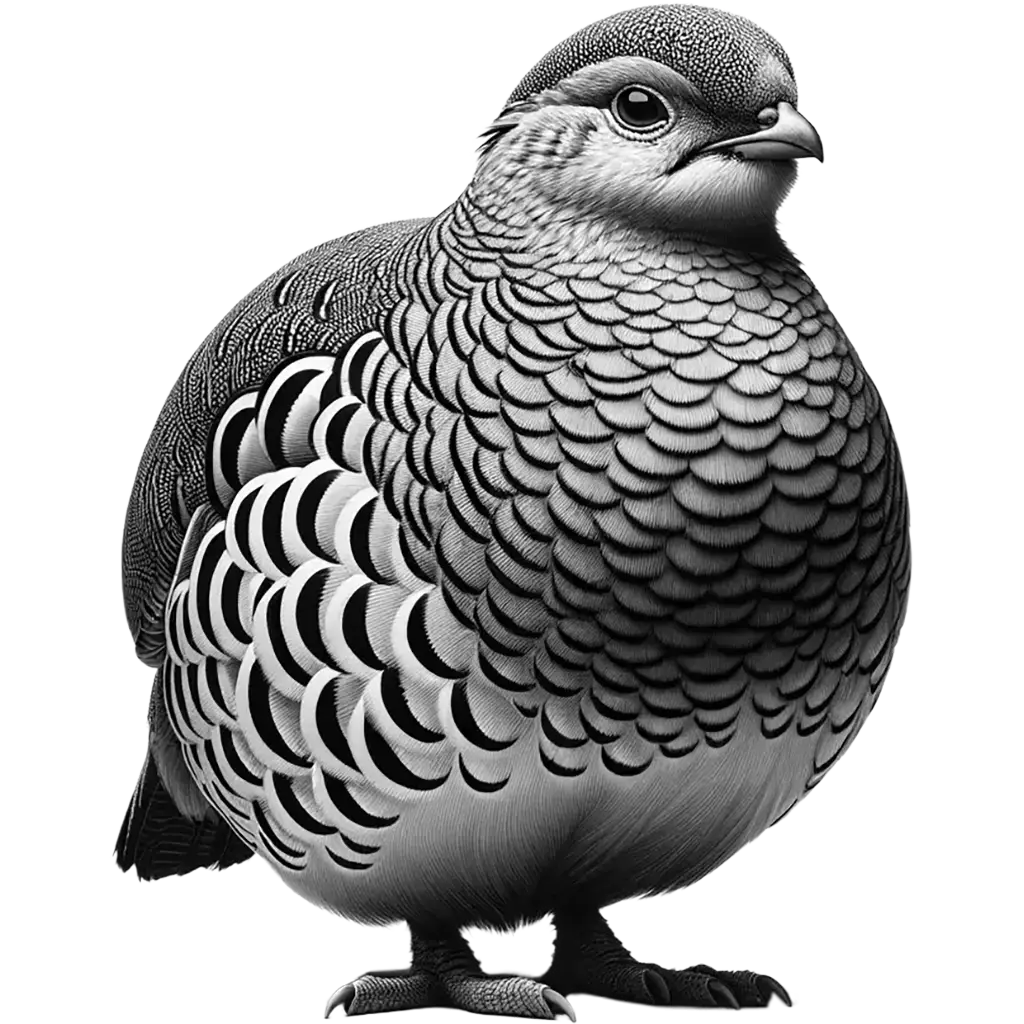
The Barbary Partridge, alectoris barbara, is a game bird native to North Africa, with a distinctive presence in the rugged, mountainous regions of Morocco, Algeria, Tunisia, and Gibraltar. It is recognized by its striking plumage, which features a combination of gray, brown, and chestnut, allowing it to blend seamlessly into
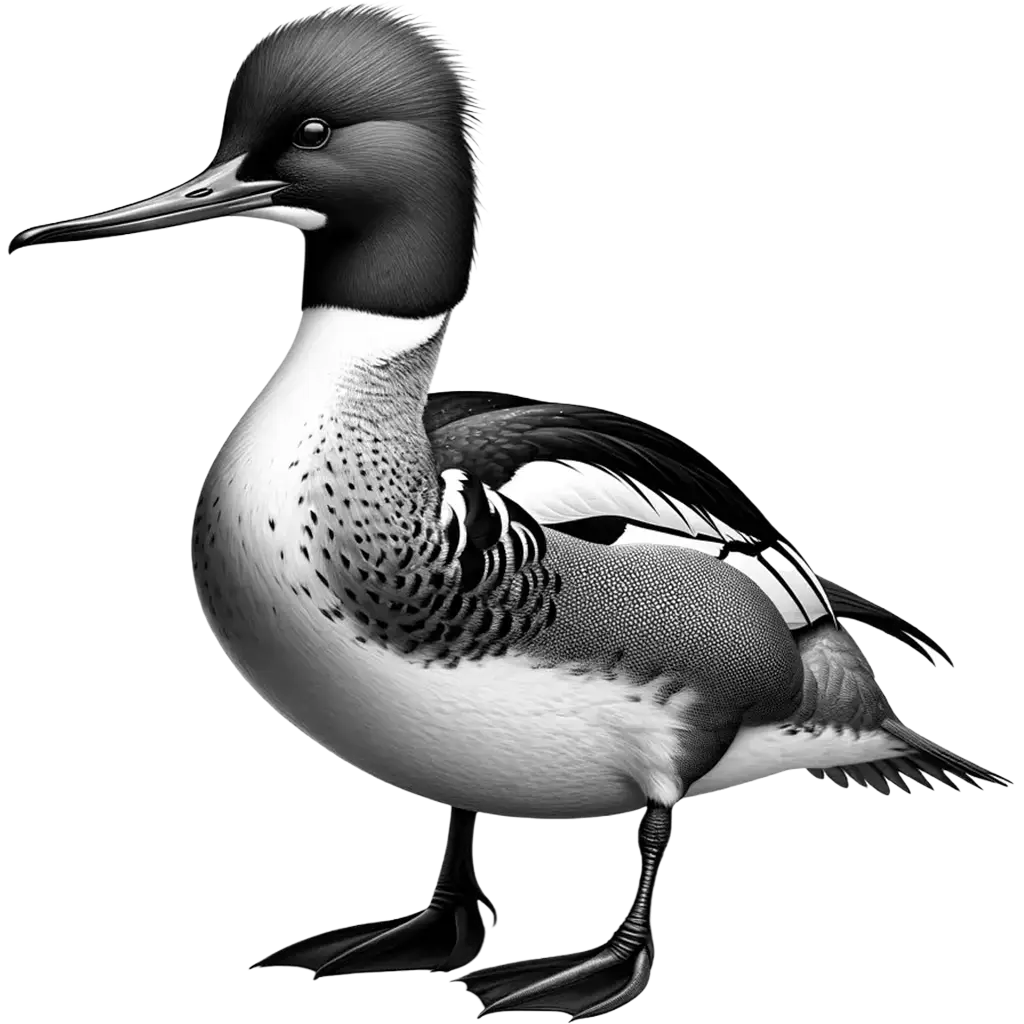
The Red-Breasted Merganser, mergus serrator, is a distinctive sea duck known for its slender, elongated body and striking plumage. Adult males have a dark green head, a white neck with a narrow collar, and a reddish-brown breast, while their back is black and sides are grey. They are particularly noted