
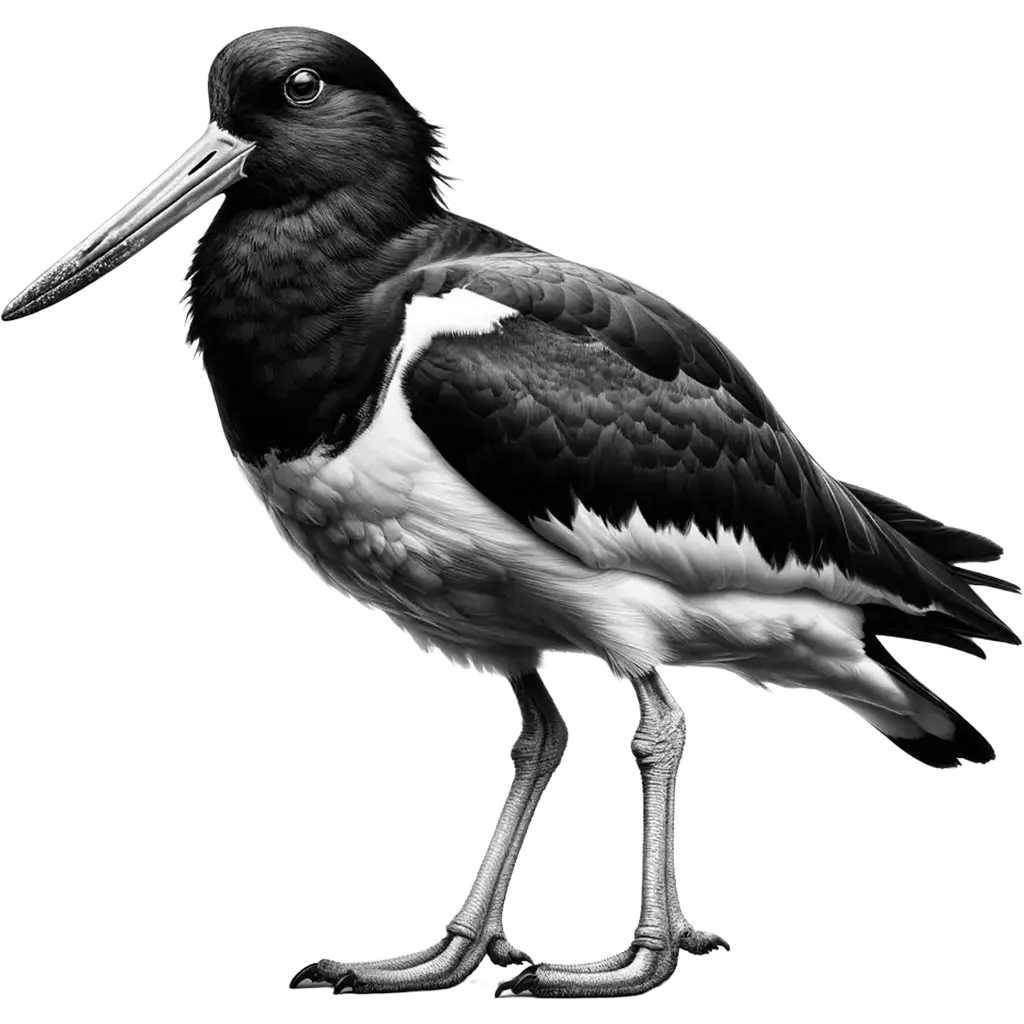
Haematopus Ostralegus
Eurasian Oystercatcher
Coastal areas, estuaries, and sandy shores
The Eurasian Oystercatcher, haematopus ostralegus, is a striking shorebird known for its black and white plumage, long red bill, and loud, piping call. This species is the most widespread of the oystercatcher family, inhabiting coastal areas across Europe and Asia, as well as parts of North Africa. Adults typically measure between 40 to 45 cm in length, with a wingspan of approximately 80 to 85 cm, making them one of the larger species within their habitat. The distinctive bill is not only a tool for feeding but also a characterizing feature, varying in shape to suit different feeding habits, from hammering open shellfish to probing mud for invertebrates.
| Population: | Listed as Least Concern but subject to regional population pressures |
| Generation Length: | 4-5 years |
| Average Weight: | 400-700 grams |
| Average Length: | 40-45 cm |
| Lifespan: | Up to 15-20 years in the wild |
| Diet: | Specialized in shellfish, using its bill to pry open or smash shells |
| Conservation Status: | Near Threatened (NT) |
Eurasian Oystercatchers are found along coasts, estuaries, and tidal flats, where they feed on a diet primarily composed of mollusks, worms, and crustaceans. They are particularly adept at opening bivalves, using their strong bills to pry or smash shells open. This specialized feeding behavior underscores their role in the coastal ecosystem, contributing to the control of bivalve populations.
The breeding season for Eurasian Oystercatchers begins in spring, with pairs establishing territories along coastlines or inland water bodies. Nests are simple scrapes in the ground, often lined with pebbles or shell fragments. The female typically lays 2 to 3 eggs, which both parents incubate. Parental care is highly developed, with both adults defending the nest aggressively and feeding the chicks until they fledge.
The population of the Eurasian Oystercatcher has faced challenges from habitat loss, pollution, and disturbances from human recreational activities. However, conservation efforts, including habitat protection and the designation of protected areas, have been implemented to support their populations. Despite these pressures, the Eurasian Oystercatcher remains widespread, serving as an important indicator of the health of coastal ecosystems.
Their presence along coastlines not only adds to the biodiversity of these areas but also provides opportunities for study and observation, contributing to our understanding of the complex interrelationships within marine and coastal environments. Conservation of the Eurasian Oystercatcher and its habitat is crucial for maintaining the ecological balance and ensuring the sustainability of shorebird populations.
Classifications
The Key Attributes
Features
- Movement:
Flying, walking, wading
- Territorial Behavior:
Territorial during breeding season
- Speed:
Capable of fast, strong flight
- Diet:
Omnivore
- Physical Features:
- Distinctive long, bright orange-red bill
- Pied black and white plumage
- Strong, sturdy legs for wading
- Red eyes with an orange orbital ring
- Primary Senses:
- Sight
- Hearing
- Touch
Understanding Habitat and Range
Geography
- Habitat:
Coastal areas, estuaries, and sandy shores
- Migration Patterns:
Migratory, with northern populations moving southward in winter
- Geographical Range:
Throughout coastal Europe, Asia, and parts of North Africa
- Climate Preferences:
Temperate to arctic regions during breeding; warmer coastal areas in winter
Navigating the Wilderness
In the wild
- Predators:
Birds of prey, foxes, and large gulls
- Prey:
Mussels, cockles, earthworms, crabs
- Feeding Behavior:
Feeds on molluscs, crustaceans, worms, and occasionally small fish
- Diet:
Specialized in shellfish, using its bill to pry open or smash shells
- Defensive Mechanisms:
- Flight to escape ground threats
- Bill used for defense
- Nesting in colonies to increase vigilance against predators
- Preferred Food Sources:
- Intertidal zones rich in shellfish and invertebrates
Insights Into Reproduction
Mating
- Mating System:
Monogamous
- Number of Offspring:
Typically 2-4 eggs
- Incubation Period:
About 24-27 days
- Parental Involvement:
- Both parents incubate the eggs and care for the chicks until they fledge
Youngsters Section
Eurasian Oystercatcher
Fun Fact
Eurasian Oystercatchers are known for their striking black and white plumage and bright orange beaks.
These birds are skilled at using their strong, sharp beaks to pry open shellfish, which form a major part of their diet. They are also known to exhibit a fascinating behavior called "piping," where they make loud, repetitive calls to communicate with one another, often during nesting season. This social behavior helps them maintain territories and strengthen bonds within pairs or groups.

Download word search puzzles
Word Search Puzzles

Check Out Other Birds
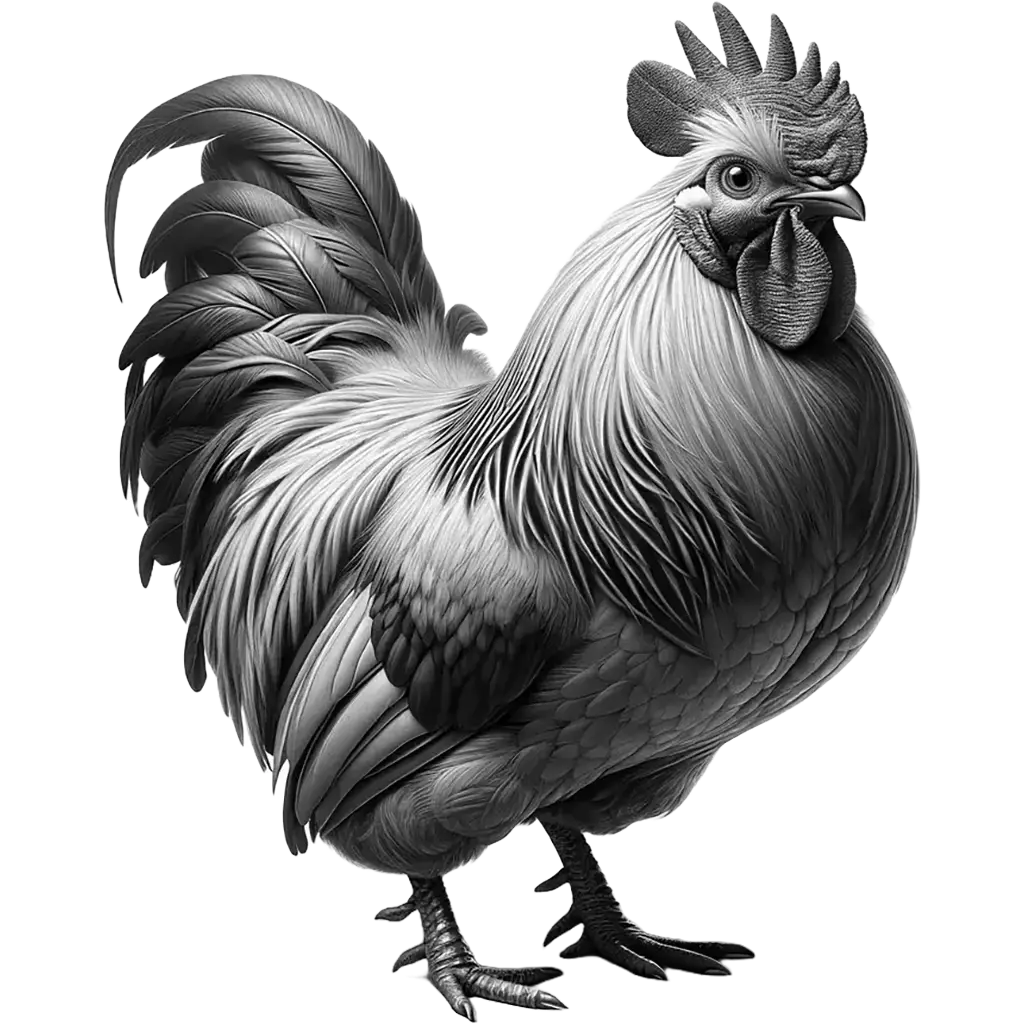
The Sri Lankan Junglefowl, gallus lafayettii, is a vibrant and significant bird species native to Sri Lanka, serving as the national bird of the country. Males are particularly striking, adorned with a combination of fiery orange-red plumage, glossy black tail feathers, and a distinctive yellow or red wattle. Females, in
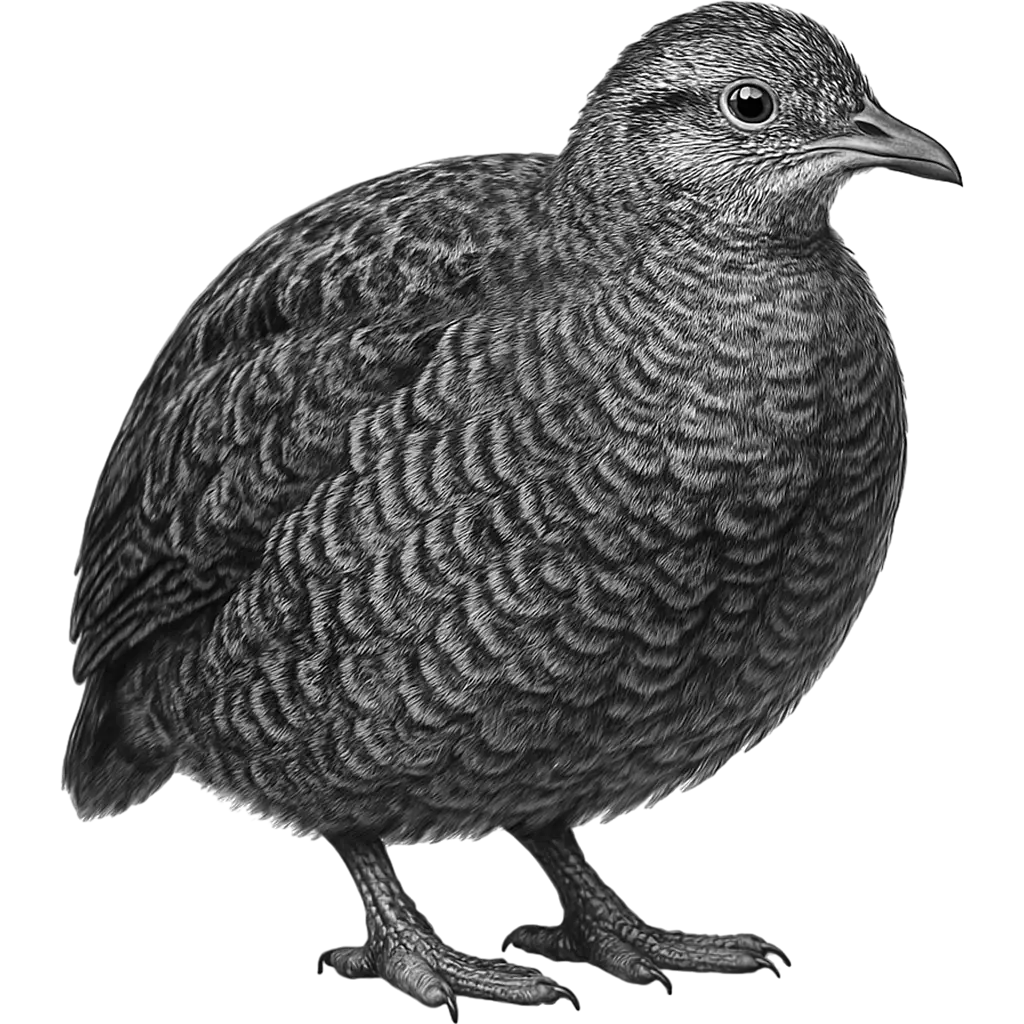
The Highland Tinamou possesses a unique, earthy plumage composed of intermingling shades of muted gray, warm brown, and soft chestnut that seamlessly blend into the rugged mountainous habitat. Its medium-sized, rounded body is complemented by a short, subtly tipped tail and strong, robust legs ideally adapted for swift, agile movements

The Killdeer, charadrius vociferus, is a medium-sized plover known for its distinctive 'kill-deer' call from which it gets its name. Measuring approximately 20 to 25 cm in length, with a wingspan of 45 to 50 cm, the Killdeer is easily recognized by its brownish-tan back and white underbelly. A notable
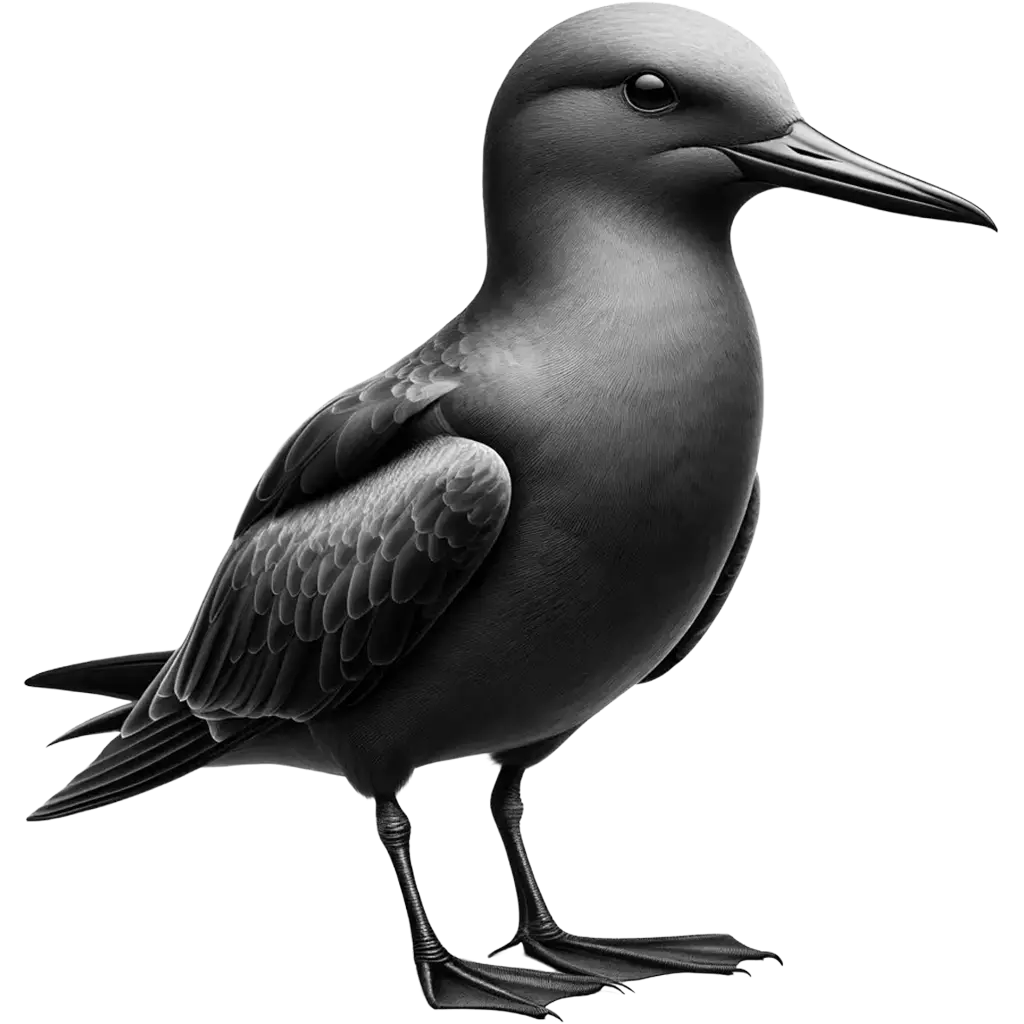
The Black Noddy, anous minutus, is a medium-sized seabird with a distinctive appearance, characterized by its dark plumage, white cap, and a straight, slender bill. Adults typically measure 37 to 45 cm in length, with a wingspan ranging from 65 to 70 cm. Their body is predominantly sooty brown to