
Alectoris Barbara
Barbary Partridge
Rocky, arid landscapes with sparse vegetation
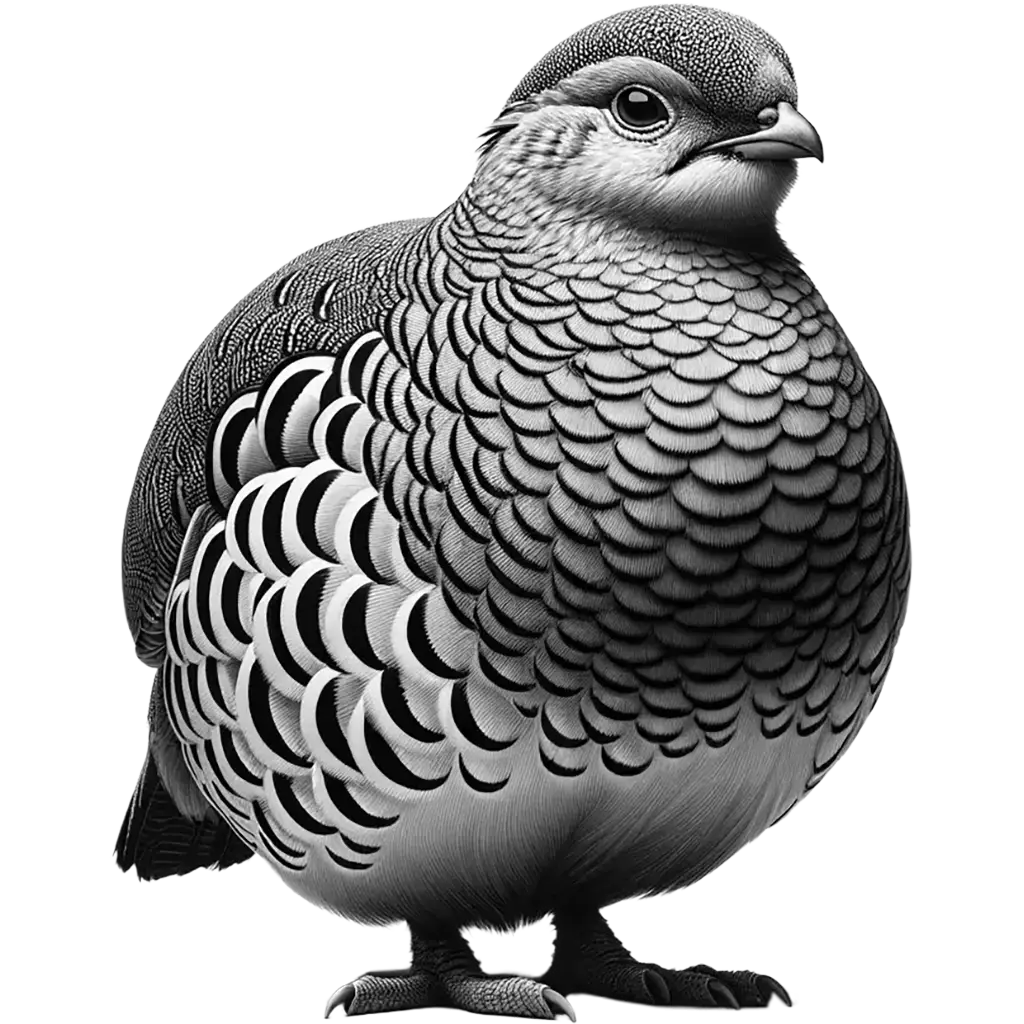
The Barbary Partridge, alectoris barbara, is a game bird native to North Africa, with a distinctive presence in the rugged, mountainous regions of Morocco, Algeria, Tunisia, and Gibraltar. It is recognized by its striking plumage, which features a combination of gray, brown, and chestnut, allowing it to blend seamlessly into the scrub and grasslands of its habitat. This bird is medium-sized, with adults typically measuring about 33 to 38 centimeters in length. It has a robust body, a rounded tail, and a red beak and legs, which contrast with its predominantly gray breast and brown, barred flanks. The face is marked by a bold, black gorget that separates the gray of its neck from the chestnut of its belly, making it a visually striking species.
| Population: | Not quantified, but considered to be stable in undisturbed habitats |
| Generation Length: | 1-2 years |
| Average Weight: | 400-500 grams |
| Average Length: | 33-36 cm |
| Lifespan: | 3-5 years in the wild, potentially longer in captivity |
| Diet: | Seeds, leaves, insects, and occasionally small invertebrates |
| Conservation Status: | Least Concern (LC) |
The Barbary Partridge is a sedentary species, showing strong territorial behavior. It prefers arid or semi-arid habitats, such as dry farmlands, scrublands, and open woodlands, where it can find cover and food. These birds are highly adaptable and can also be found in more cultivated landscapes, provided that adequate cover and food sources are available. They are ground-dwelling birds, spending most of their time foraging for seeds, leaves, and small invertebrates. Despite their ability to fly, they prefer running and will take to the air only as a last resort when threatened.
The diet of the Barbary Partridge consists mainly of seeds, grains, and leaves, supplemented by insects, which provide essential proteins, especially during the breeding season. This varied diet supports their health and reproductive success, allowing them to thrive in their natural habitats. Foraging typically occurs in the early morning and late afternoon, avoiding the heat of the day.
Reproduction in the Barbary Partridge begins in the spring, when pairs form and territories are established. The female lays between 10 to 18 eggs in a well-concealed nest on the ground, often in dense vegetation to protect them from predators. Both parents participate in incubating the eggs, which hatch after about 24 to 25 days. The chicks are precocial, leaving the nest shortly after hatching to forage for food, guided and protected by their parents.
The Barbary Partridge faces threats from habitat loss due to agricultural expansion and urban development, as well as from hunting and trapping. Despite these challenges, its population is currently considered stable in some areas, though it is declining in others. Conservation efforts for the Barbary Partridge include habitat protection and management, as well as regulations on hunting to ensure sustainable populations. These measures are crucial to maintaining the biodiversity of the regions where these birds live, contributing to the ecological balance and preserving the cultural heritage associated with this species.
Classifications
The Key Attributes
Features
- Movement:
Walking, running, and flying short distances
- Territorial Behavior:
Territorial during breeding season
- Speed:
Capable of quick bursts of flight to escape predators
- Diet:
Omnivore
- Physical Features:
- Grey-brown back
- Pinkish-grey breast
- Striking black, white, and chestnut flank markings
- Red bill and legs
- Primary Senses:
- Sight
- Hearing
Understanding Habitat and Range
Geography
- Habitat:
Rocky, arid landscapes with sparse vegetation
- Migration Patterns:
Sedentary
- Geographical Range:
Northwest Africa, including Morocco, Algeria, and Tunisia; introduced populations in the Canary Islands and Gibraltar
- Climate Preferences:
Prefers arid and semi-arid climates
Navigating the Wilderness
In the wild
- Predators:
Birds of prey, foxes, and feral cats
- Prey:
Seeds, leaves, insects
- Feeding Behavior:
Diurnal, foraging on the ground for seeds, leaves, and small invertebrates
- Diet:
Seeds, leaves, insects, and occasionally small invertebrates
- Defensive Mechanisms:
- Camouflage
- Flight
- Preferred Food Sources:
- Seeds
- Leaves
- Insects
Insights Into Reproduction
Mating
- Mating System:
Monogamous
- Number of Offspring:
10-16 eggs
- Incubation Period:
22-24 days
- Parental Involvement:
- Both parents involved in incubating eggs and raising chicks
Youngsters Section
Barbary Partridge
Fun Fact
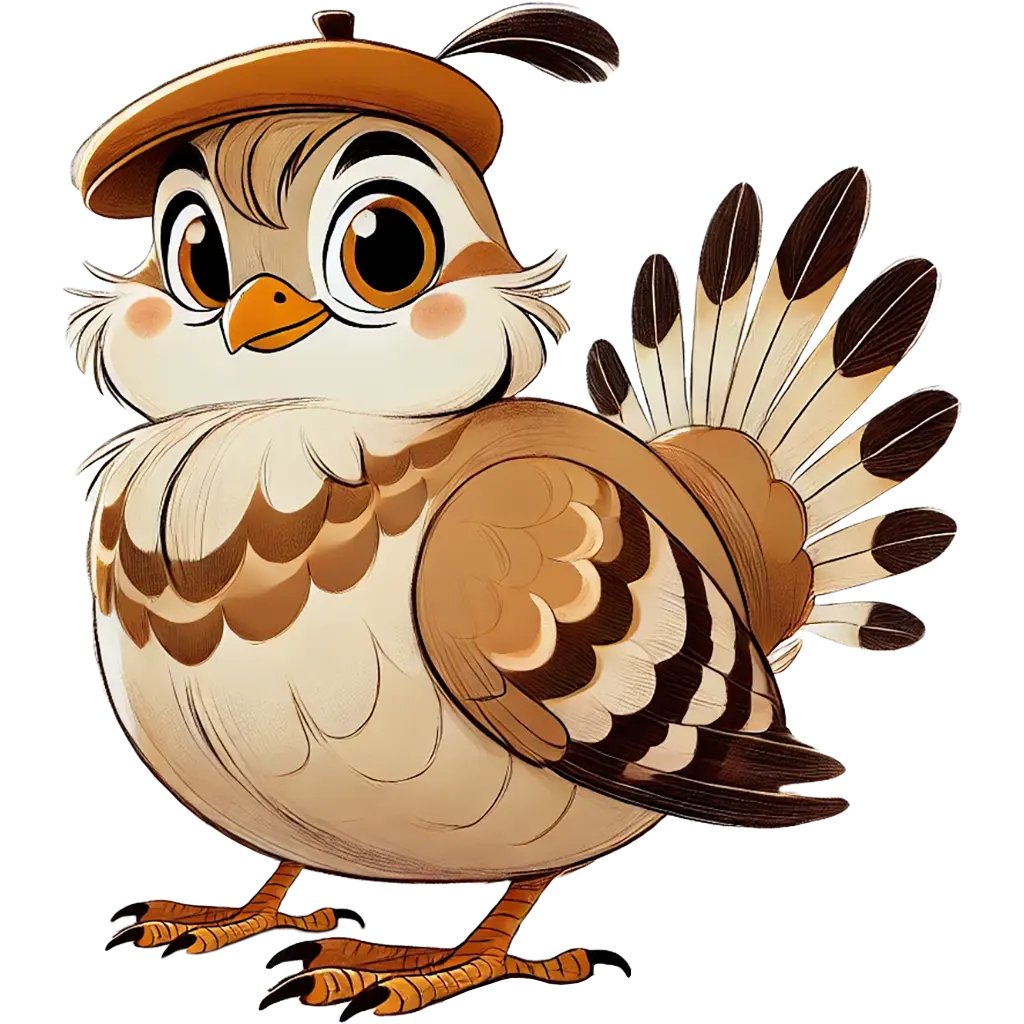
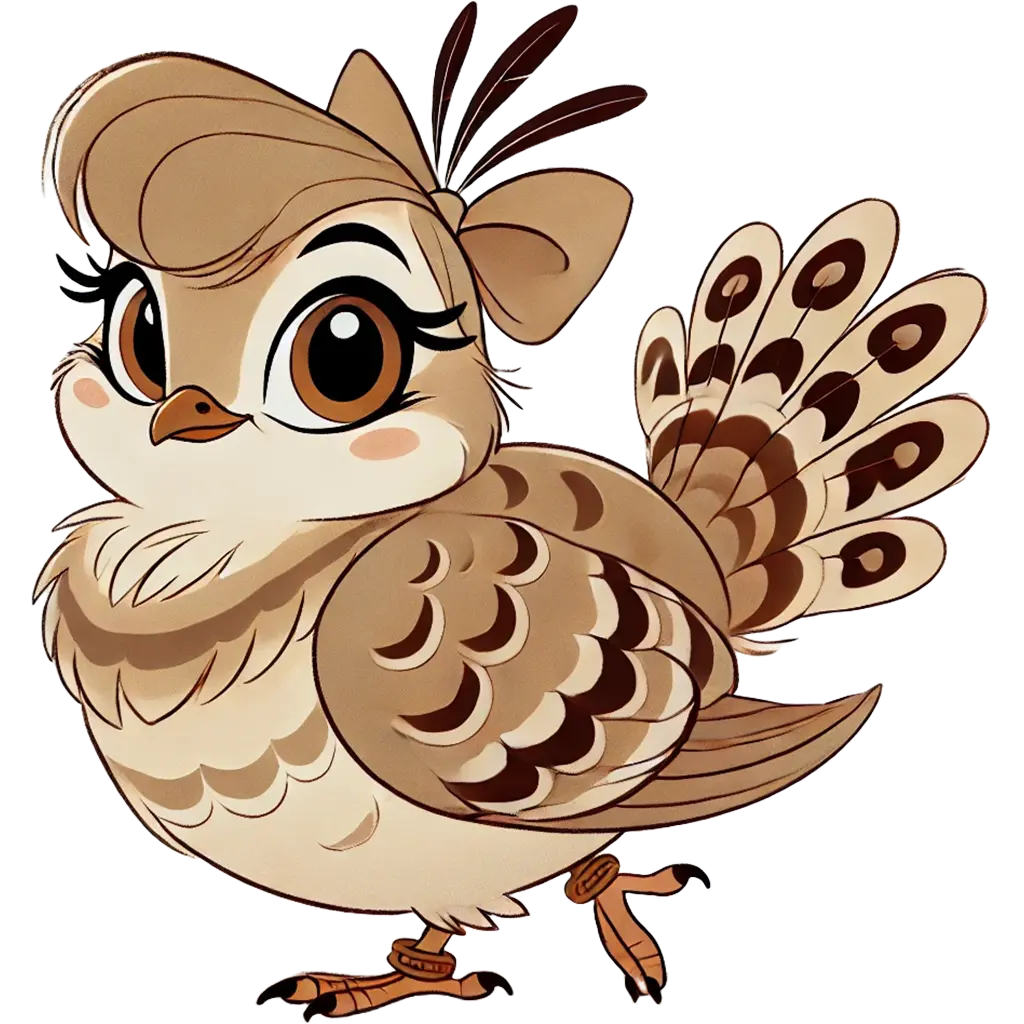
Barbary Partridges are ground-dwelling birds found in North Africa and parts of southern Europe.
These birds are known for their striking plumage and distinctive markings. They prefer rocky, arid habitats and are well-adapted to dry climates. Barbary Partridges are social birds and often found in small groups. They feed on seeds, plants, and insects, using their strong legs to scratch the ground in search of food.

Download word search puzzles
Word Search Puzzles
Check Out Other Birds
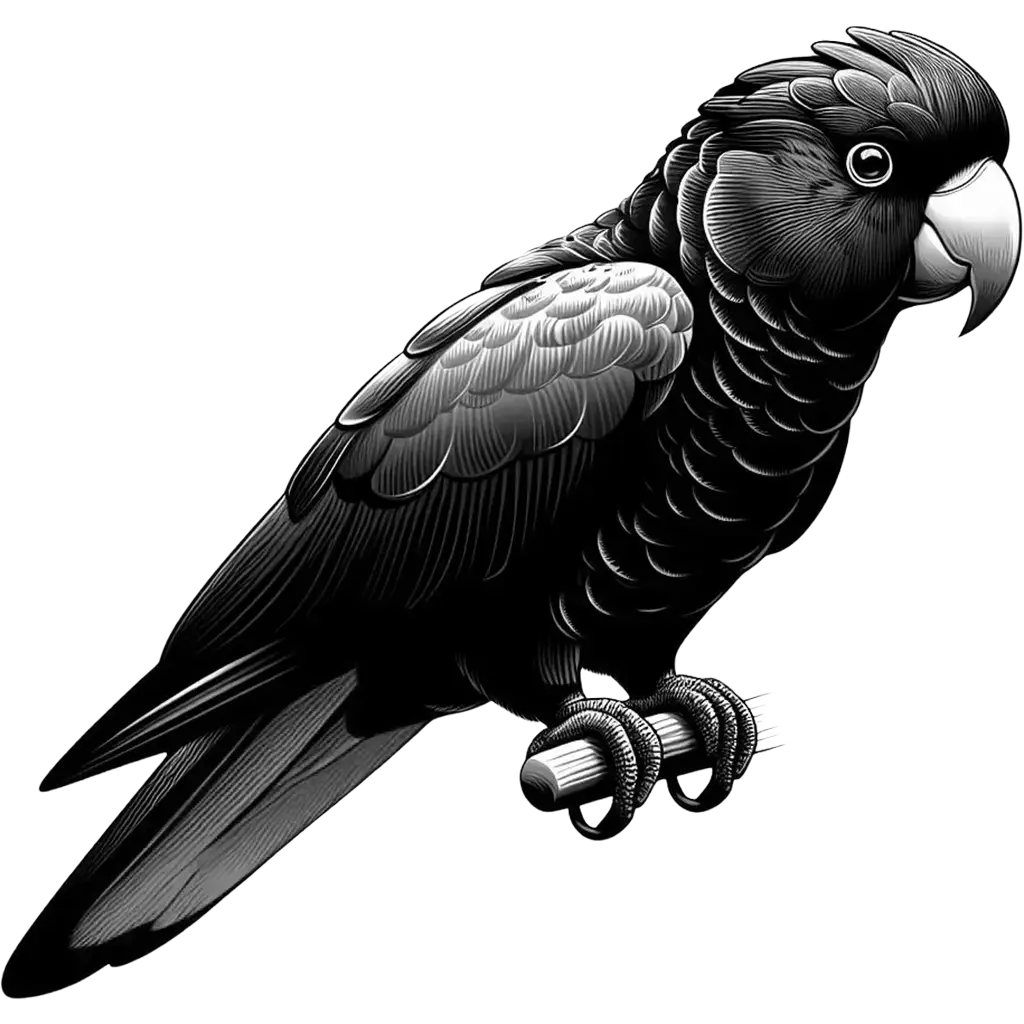
The Red-Tailed Black Cockatoo, calyptorhynchus banksii, is a large, striking bird native to Australia, known for its glossy black plumage and distinctive red tail panels. Adult males boast a bold black color with a bright red band across the tail feathers, while females and juveniles display a more varied plumage
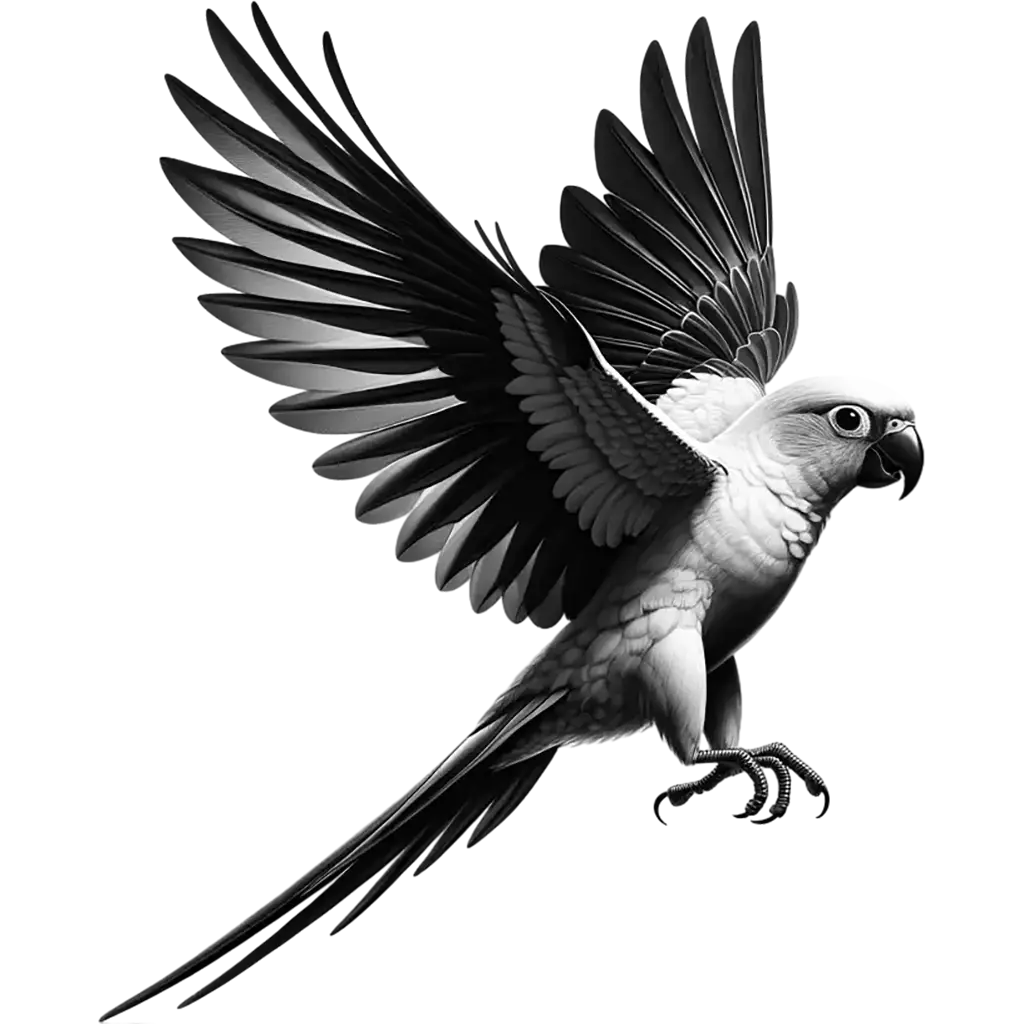
The Sun Conure, aratinga solstitialis, is a vibrant and highly social bird, celebrated for its stunning plumage and engaging personality. Adults typically reach a length of about 30 cm, including the tail, and weigh approximately 110 to 130 grams. The Sun Conure's feathers are a brilliant mix of yellow, orange,
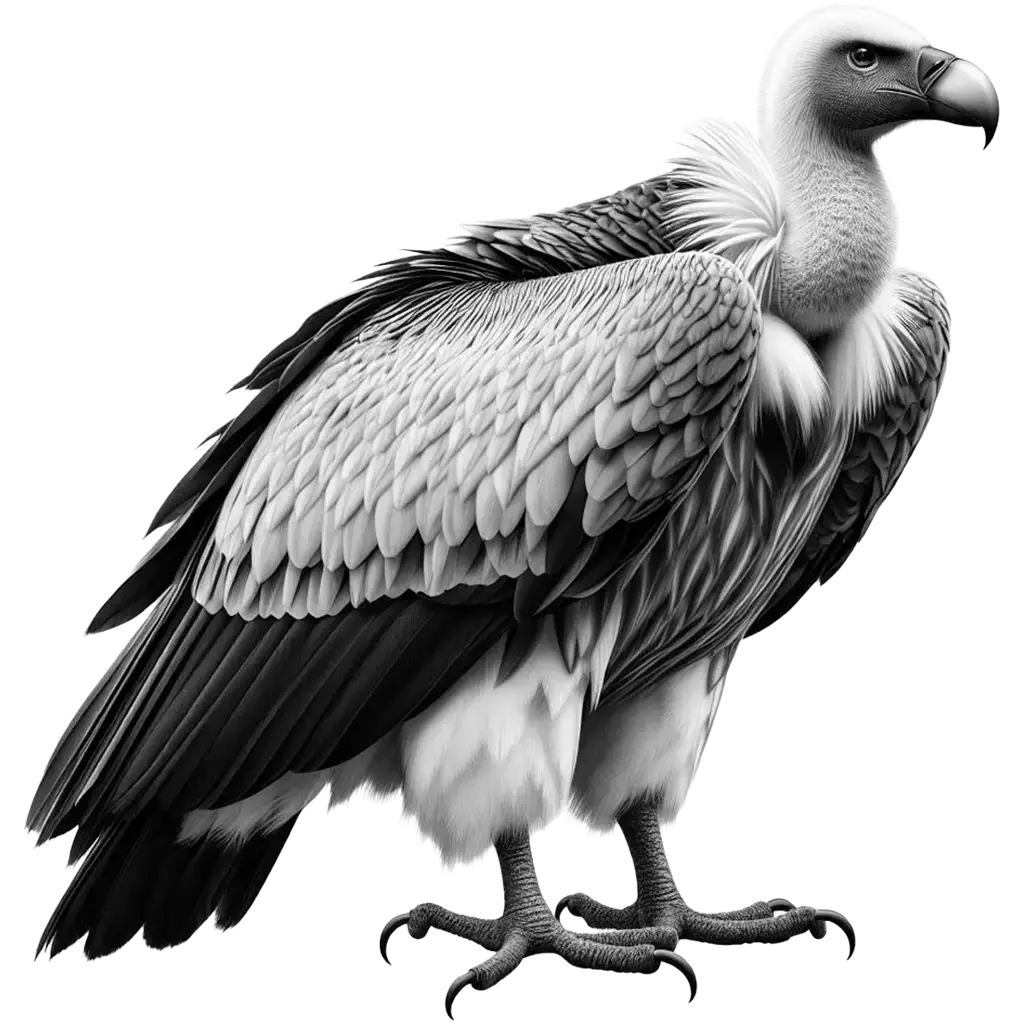
The Eurasian Griffon Vulture, gyps fulvus, is a majestic bird of prey, known for its impressive size and soaring flight. This species is one of the larger vultures, with a wingspan ranging from 230 to 280 centimeters (7.5 to 9.2 feet), and weighs between 6 to 11 kilograms (13 to
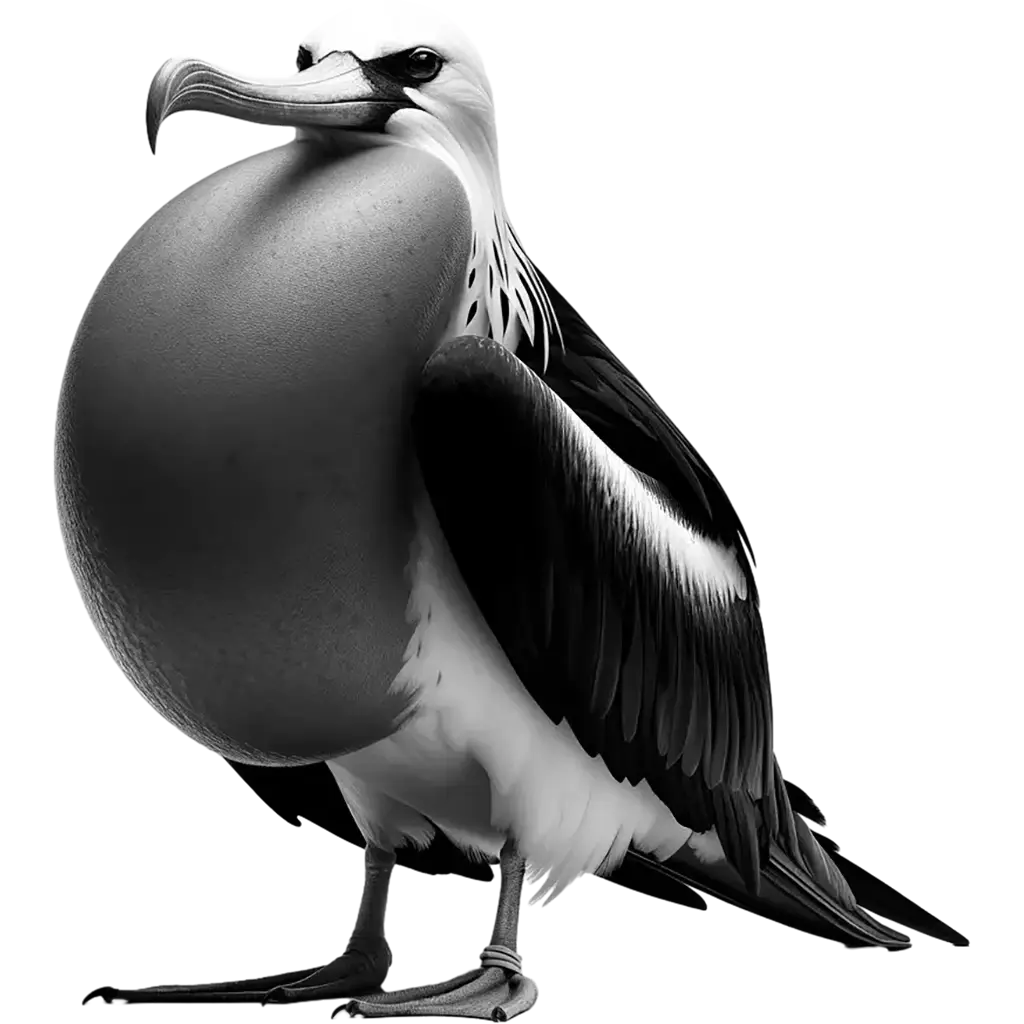
The Magnificent Frigatebird, fregata magnificens, is a large seabird known for its striking appearance and remarkable flying ability. Adults can reach a wingspan of up to 2.3 meters, making them one of the largest species within the frigatebird family. They are characterized by their long, slender wings and deeply forked