
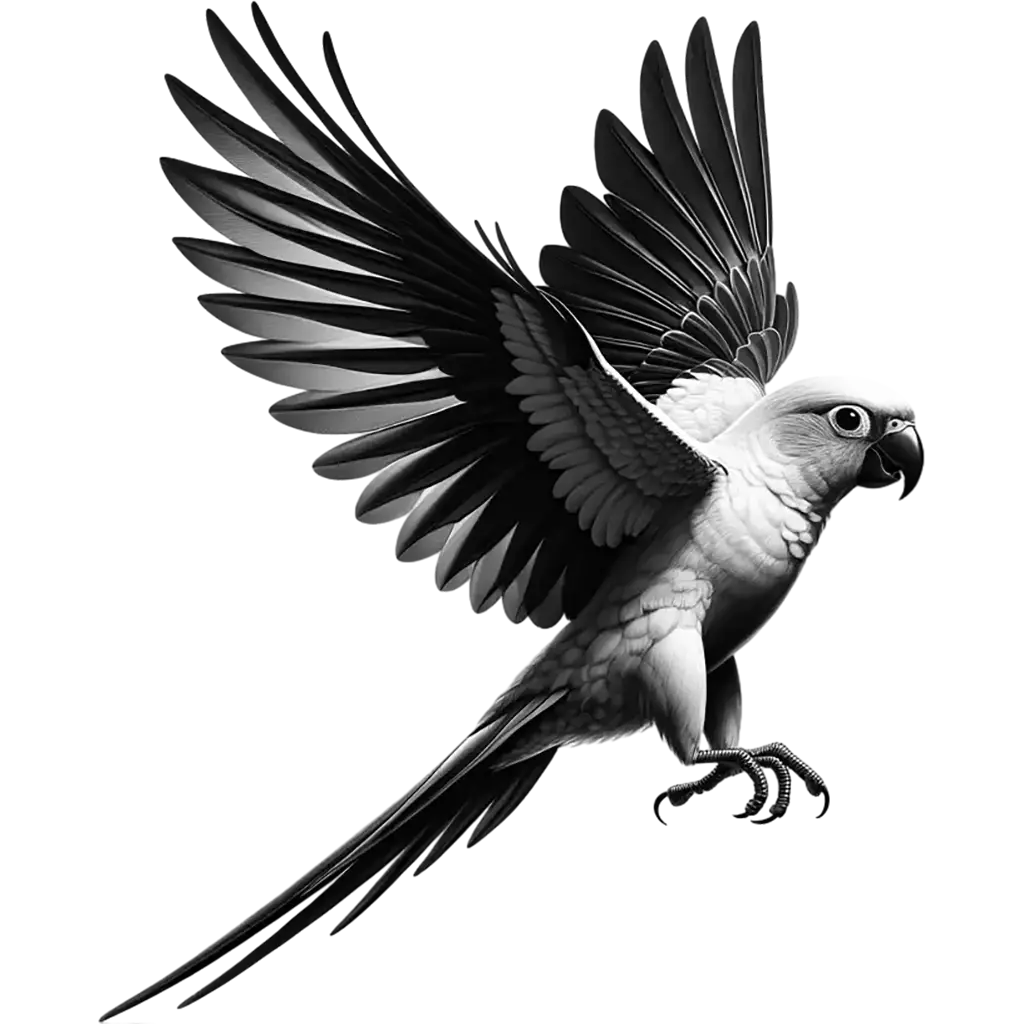
Aratinga Solstitialis
Sun Conure
Tropical forests, woodlands, and savannahs
The Sun Conure, aratinga solstitialis, is a vibrant and highly social bird, celebrated for its stunning plumage and engaging personality. Adults typically reach a length of about 30 cm, including the tail, and weigh approximately 110 to 130 grams. The Sun Conure's feathers are a brilliant mix of yellow, orange, and red, with hints of green and blue on the wing and tail feathers, making it one of the most colorful members of the parrot family. Their small size and striking appearance have made them popular in the pet trade.
| Population: | Listed as Endangered due to habitat loss and pet trade |
| Generation Length: | 5 years |
| Average Weight: | 100-130 grams |
| Average Length: | 30 cm |
| Lifespan: | 25-30 years in captivity, shorter in the wild |
| Diet: | Varied, including a large proportion of fruits and seeds |
| Conservation Status: | Endangered (EN) |
Native to the northeastern regions of South America, Sun Conures inhabit tropical and subtropical forests, savannas, and coastal regions. They are known for their loud calls and playful behavior, often seen flying in small flocks or engaging in social activities within the canopy. Despite their bright colors, they can be surprisingly well camouflaged among the foliage and fruits of their habitat.
The diet of the Sun Conure in the wild consists of fruits, berries, nuts, seeds, and occasionally insects and flowers. In captivity, they require a balanced diet that includes a variety of fruits, vegetables, high-quality pellets, and seeds to mimic their natural nutritional intake as closely as possible.
Reproduction for Sun Conures typically involves monogamous pairs that nest in tree hollows. Females lay between 3 to 5 eggs per clutch, which are incubated for about 23 to 27 days. Both parents participate in feeding and caring for the chicks, which fledge approximately 8 to 9 weeks after hatching. The strong bond between mating pairs is maintained year-round, not just during the breeding season.
The population of the Sun Conure is considered endangered, primarily due to habitat loss and the pet trade. Wild populations have declined sharply over the past few decades, prompting international conservation efforts focused on habitat preservation and the regulation of trade. Despite these challenges, Sun Conures remain beloved for their bright colors, energetic disposition, and affectionate nature, underscoring the importance of continued efforts to protect and conserve this remarkable species.
Classifications
The Key Attributes
Features
- Movement:
Flying, climbing
- Territorial Behavior:
Social, often found in flocks
- Speed:
Agile in flight with quick movements
- Diet:
Omnivore
- Physical Features:
- Brightly colored plumage with yellow, orange, and red
- Strong, curved beak for cracking nuts and seeds
- Playful and active demeanor
- Loud, screeching calls
- Primary Senses:
- Sight
- Hearing
- Taste
Understanding Habitat and Range
Geography
- Habitat:
Tropical forests, woodlands, and savannahs
- Migration Patterns:
Sedentary, with some local movements in search of food
- Geographical Range:
Native to the northeastern region of South America, primarily in Venezuela, northern Brazil, and Guyana
- Climate Preferences:
Prefers warm, tropical environments
Navigating the Wilderness
In the wild
- Predators:
Birds of prey, snakes, and large mammals
- Prey:
Various fruits, seeds, and occasionally insects and small vertebrates
- Feeding Behavior:
Feeds on fruits, nuts, seeds, and insects
- Diet:
Varied, including a large proportion of fruits and seeds
- Defensive Mechanisms:
- Flocking together to deter predators
- Loud calls to alert others of danger
- Flight to escape threats
- Preferred Food Sources:
- Areas rich in fruit-bearing trees and plants
Insights Into Reproduction
Mating
- Mating System:
Monogamous
- Number of Offspring:
2-4 eggs
- Incubation Period:
About 25-27 days
- Parental Involvement:
- Both parents care for the young, from incubation to feeding and teaching flight
Youngsters Section
Sun Conure
Fun Fact
Sun Conures are known for their vibrant plumage and sociable nature. They are native to northeastern South America.
These parrots are highly intelligent and can mimic human speech. They thrive in flocks, communicating with each other through loud calls. In the wild, they live in savannas and coastal forests. Due to habitat loss and pet trade, they face conservation challenges.

Download word search puzzles
Word Search Puzzles

Check Out Other Birds
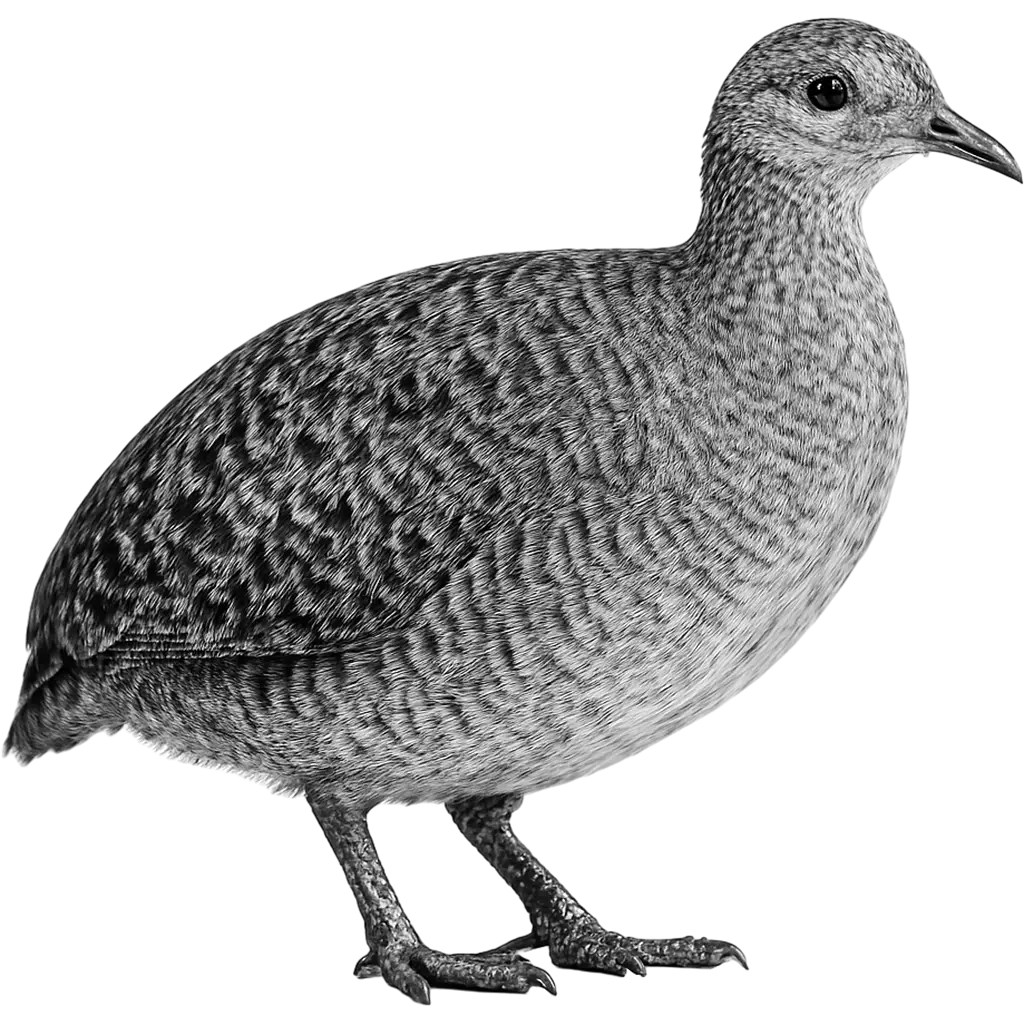
The Grey Tinamou sports a modest, earthy appearance with predominately grey plumage that blends seamlessly into the forest floor. Its compact, rounded body is supported by strong, stout legs and short wings. A subtle pattern of mottled markings enhances its camouflage amid leaf litter and underbrush. The bird's alert eyes
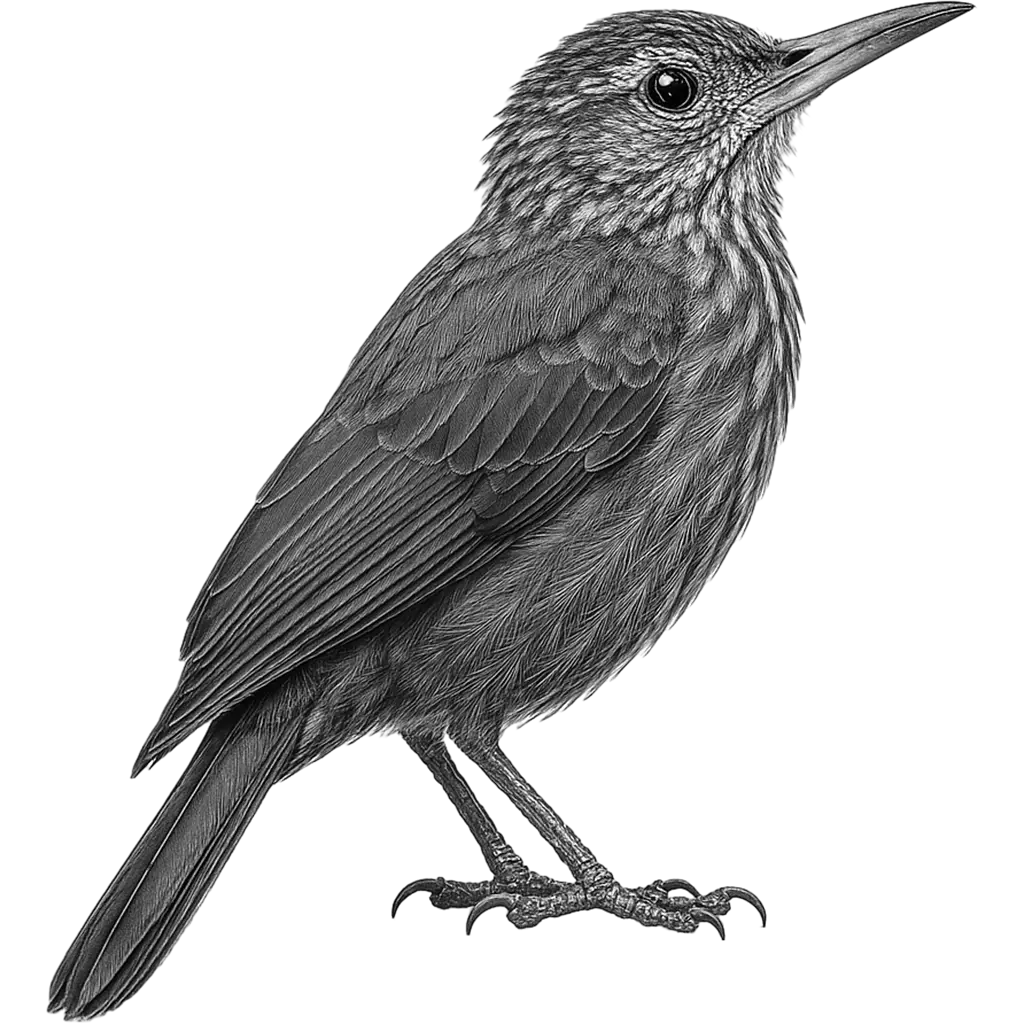
The Elegant Woodcreeper has a slender body with a long, decurved bill and a gracefully elongated tail that aids its agile movement among dense treetops. Its plumage features a mix of soft browns, subtle streaks, and a hint of olive, perfectly camouflaged against the textured bark. The bird's keen, dark
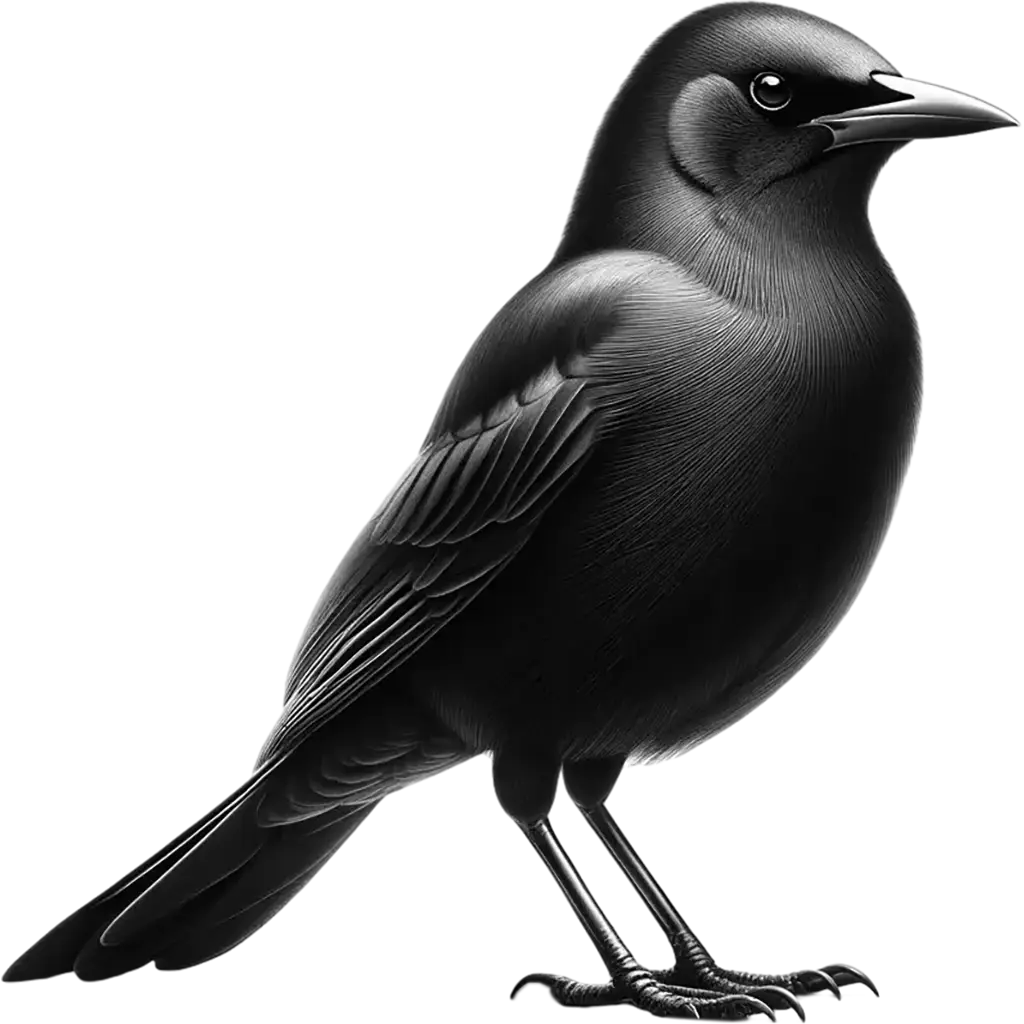
The Common Grackle, quiscalus quiscula, is a medium-sized bird native to North America, recognized for its iridescent black plumage and distinctive long tail. Adult grackles measure approximately 28 to 34 cm in length, with a wingspan of 36 to 46 cm. Males are slightly larger than females and exhibit a
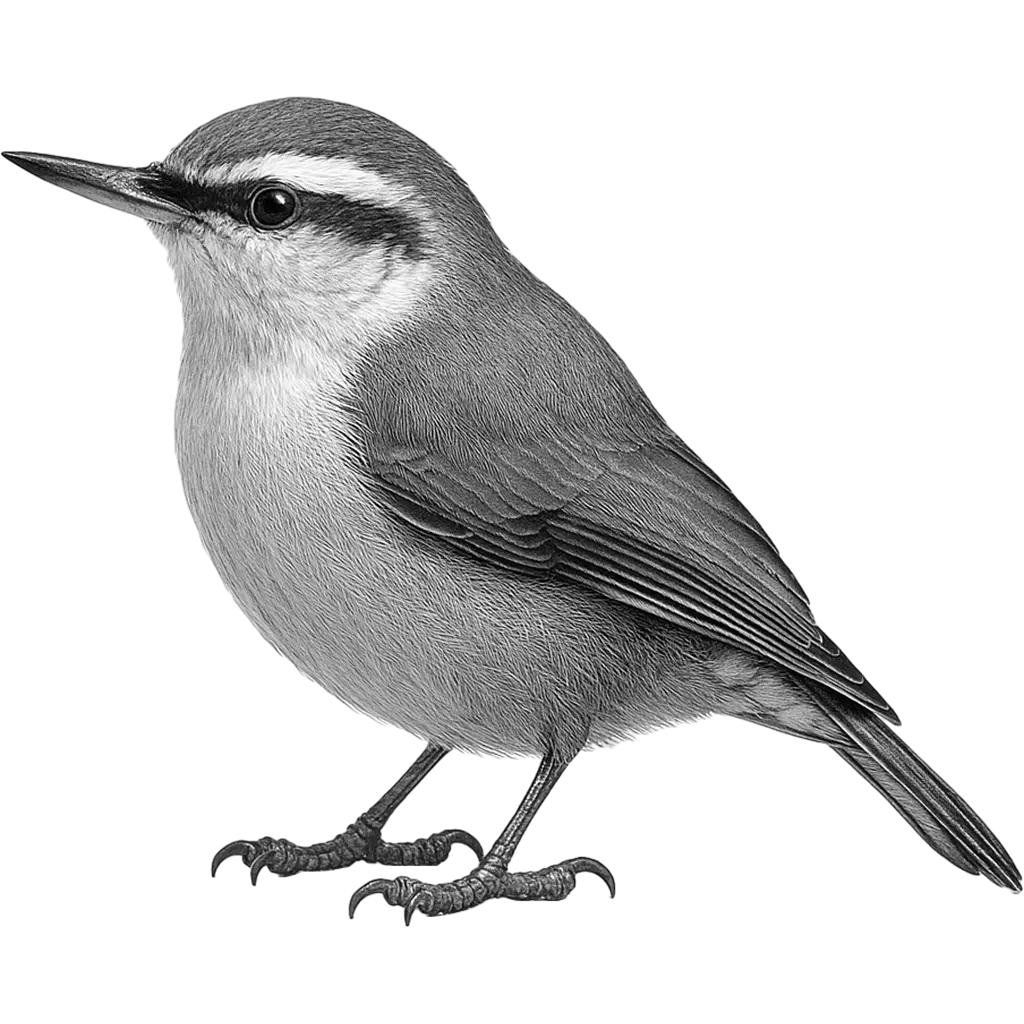
The Bahama Nuthatch is a small, agile bird with soft, mottled plumage in shades of gray and brown that blends perfectly with the bark of pine trees. Its slender body, short pointed bill, and modest, rounded tail give it a delicate, understated elegance. The subtle markings on its face and