

Xiphorhynchus Elegans
Elegant Woodcreeper
Tropical and subtropical forests with dense canopies
The Elegant Woodcreeper has a slender body with a long, decurved bill and a gracefully elongated tail that aids its agile movement among dense treetops. Its plumage features a mix of soft browns, subtle streaks, and a hint of olive, perfectly camouflaged against the textured bark. The bird's keen, dark eyes and delicate crest add a touch of elegance, while its streamlined form and refined features combine to create an appearance of understated beauty and functionality in its arboreal habitat.
| Population: | Generally stable in extensive, undisturbed tropical forests of South America |
| Generation Length: | 2-3 years |
| Average Weight: | 25-35 g |
| Average Length: | 16-18 cm |
| Lifespan: | 8-10 years in the wild, up to 12 years in captivity |
| Diet: | Mainly insects and small arthropods obtained through active foraging |
| Conservation Status: | Least Concern (LC) |
In its daily routine, the Elegant Woodcreeper demonstrates remarkable agility and persistence as it navigates the forest canopy in search of food. It is often seen clinging to tree trunks and creeping along branches with a deliberate, steady pace. This bird is largely solitary, but it occasionally forms small groups during the non-breeding season for cooperative foraging. It uses its sharp senses and attentiveness to detect movements of insects hidden in crevices. The woodcreeper's behavior includes frequent pauses to observe its surroundings, ensuring safety from aerial predators. It is highly territorial during nesting periods, defending its chosen perches vigorously. Its activity peaks during early mornings and late afternoons under soft, diffused light.
This species primarily nourishes itself on a diet of insects, spiders, and other small invertebrates, which are skillfully extracted from crevices in bark and leaf litter. It also supplements its meals with occasional small fruits and seeds when available, contributing to a balanced nutritional intake. The methodical foraging technique involves scanning surfaces and flicking its bill into tight spaces to dislodge hidden prey. This varied diet ensures a steady supply of proteins and essential vitamins, supporting high energy levels throughout its active life while playing an important role in controlling insect populations.
During the breeding season, Elegant Woodcreepers engage in intricate courtship rituals. Males perform subtle displays by vocalizing and fluttering near potential mates, while both partners actively participate in nest building. The pair shares incubation duties and feeds the nestlings cooperatively, ensuring that the young receive ample nutrition and protection. Their delicate bonding rituals strengthen pair cohesion for future breeding success.
Elegant Woodcreepers are known to maintain stable populations within undisturbed tropical forests. Although habitat fragmentation poses occasional challenges, conservation efforts and the species' adaptability have ensured consistent numbers in protected areas. Field studies indicate that while local density may vary, overall distribution remains robust, warranting ongoing monitoring to safeguard their future.
Classifications
The Key Attributes
Features
- Movement:
Flight
- Territorial Behavior:
Mildly territorial during the breeding season
- Speed:
Moderate with agile, deliberate maneuvers
- Diet:
Insectivorous
- Physical Features:
- Slender body
- Long, decurved bill
- Elongated tail
- Subtly streaked, camouflaged plumage
- Primary Senses:
- Sight
- Hearing
Understanding Habitat and Range
Geography
- Habitat:
Tropical and subtropical forests with dense canopies
- Migration Patterns:
Non-migratory, with local movements
- Geographical Range:
Widespread across the Amazon basin and adjacent regions
- Climate Preferences:
Humid, warm climates
Navigating the Wilderness
In the wild
- Predators:
Raptors and arboreal mammals
- Prey:
Insects, spiders, and small invertebrates
- Feeding Behavior:
Gleans insects from bark and foliage while climbing
- Diet:
Mainly insects and small arthropods obtained through active foraging
- Defensive Mechanisms:
- Cryptic plumage
- Rapid, agile flight
- Preferred Food Sources:
- Bark crevices
- Leaf litter
Insights Into Reproduction
Mating
- Mating System:
Monogamous
- Number of Offspring:
2-3 eggs
- Incubation Period:
18-20 days
- Parental Involvement:
- Both parents feed and protect the nestlings
Youngsters Section
Elegant Woodcreeper
Fun Fact
Elegant Woodcreepers are noted for their graceful flight and exquisite, camouflaged plumage.
Their agile maneuvering through dense foliage and unique foraging behavior make them a key indicator of forest health, admired by birdwatchers and researchers alike.

Download word search puzzles
Word Search Puzzles


Check Out Other Birds

The Buff-bellied Hummingbird is a dazzling small bird distinguished by its vibrant coloration and sleek, streamlined body. Its plumage gleams with iridescent greens and subtle hues of blue, with a notable buff-colored belly that contrasts with its shimmering metallic back. The bird features a delicate, elongated bill perfect for accessing
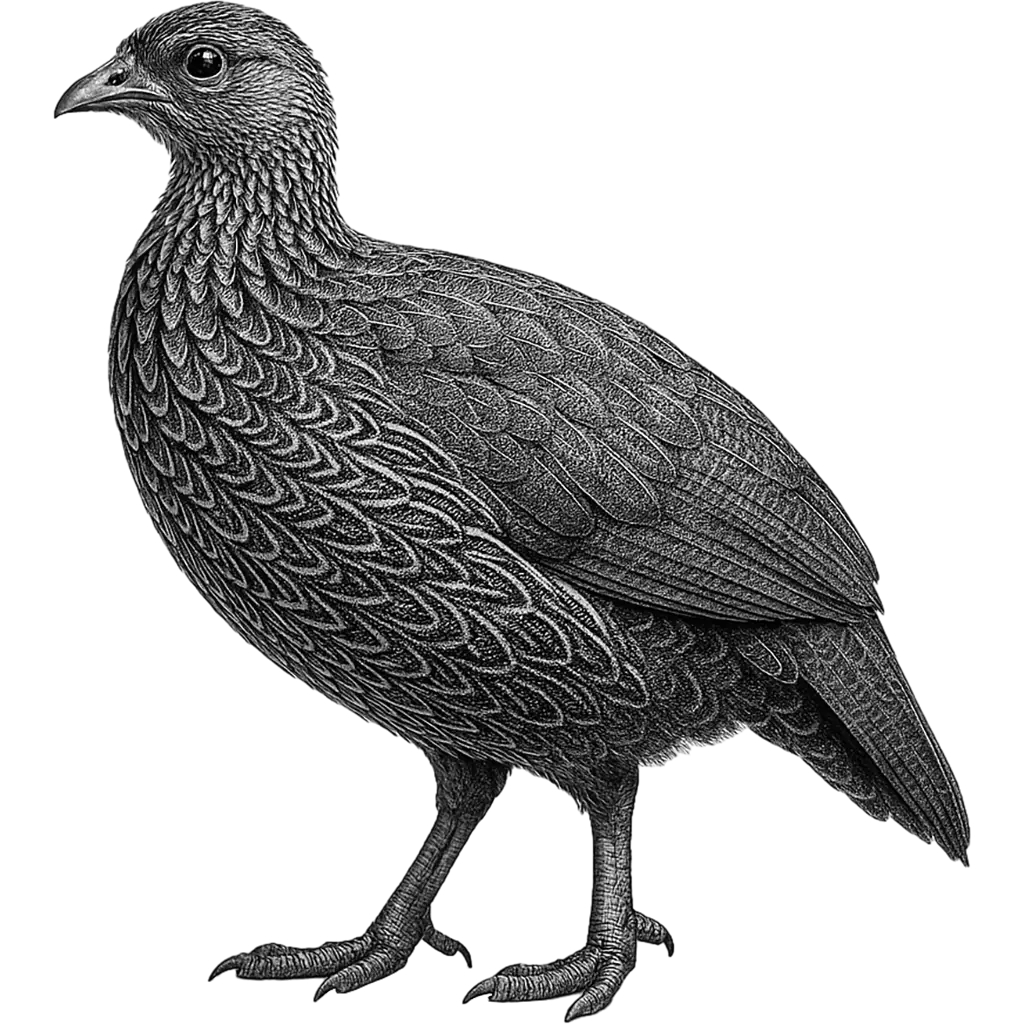
The Cape Spurfowl is a robust bird with a striking, cryptic plumage that blends seamlessly into its natural surroundings. Its mix of earthy browns, grays, and subtle olive hints is accented by distinct facial markings and a noticeable leg spur. With a short tail and sturdy build, this bird has

The Mandarin Duck, aix galericulata, is a small, strikingly colored waterfowl native to East Asia. The male, known for its vibrant plumage during the breeding season, displays an array of colors including metallic greens, blues, and oranges, complemented by distinctive white eye-stripes and a reddish face. The female is more
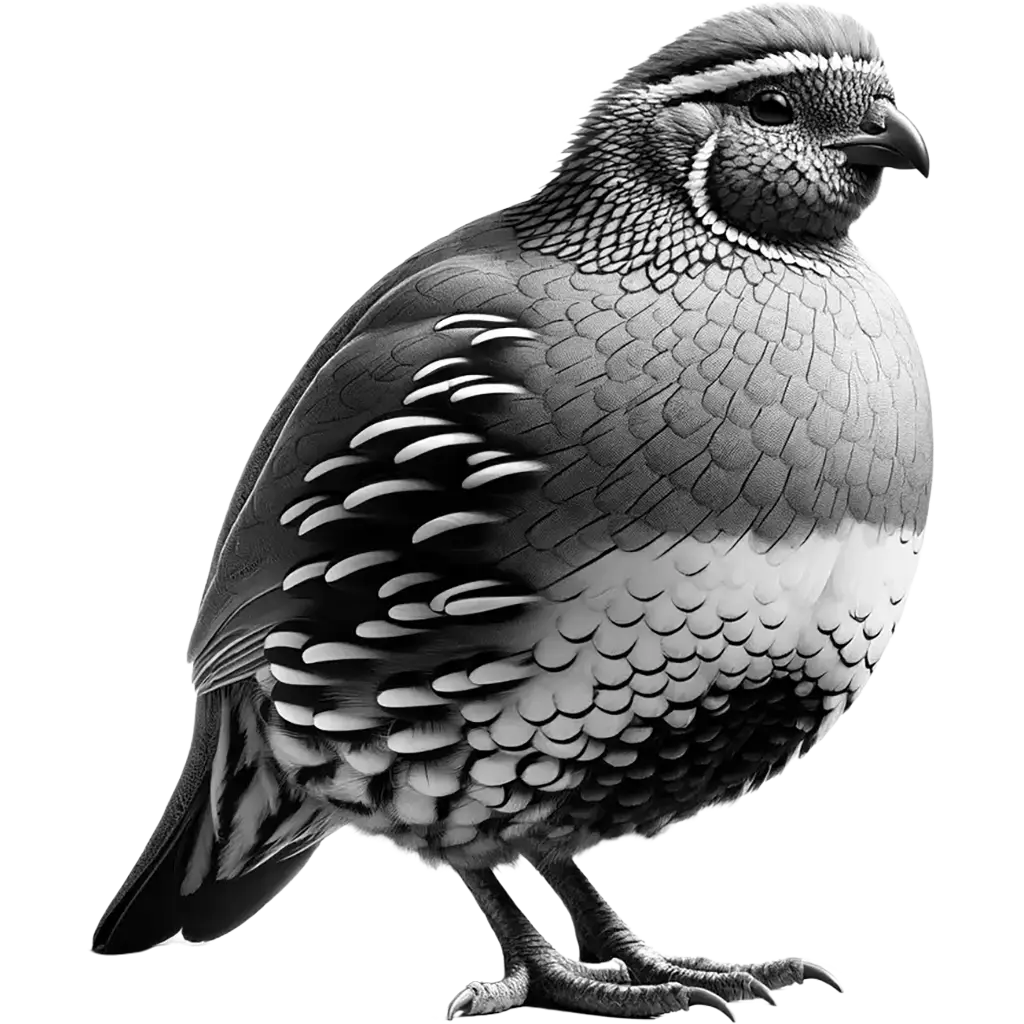
The Scaled Quail, callipepla squamata, also known as the blue quail or cottontop, is a distinctive bird native to the arid and semi-arid regions of the American Southwest and Mexico. Adults are recognized by their blue-grey plumage and the striking, scaled appearance on their breast and back, from which their