
Delichon Dasypus
Asian House Martin
Open country, towns, and villages, often near water
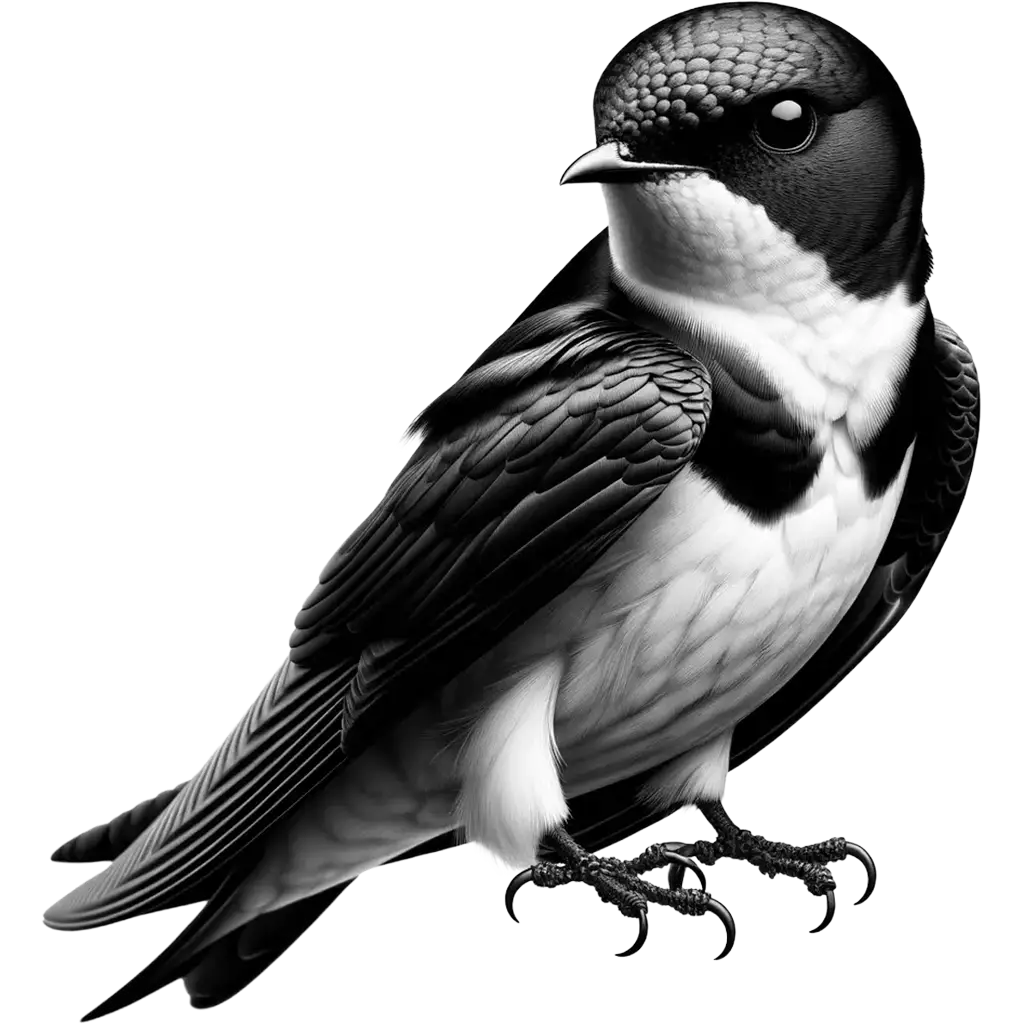
The Asian House Martin, delichon dasypus, is a small and agile bird, easily identified by its glossy blue-black upper parts and contrasting pure white underparts. This species features a distinctive short forked tail and a relatively wide wingspan for its size, which facilitates its exceptional aerial agility. Adult birds typically measure about 13 cm in length, making them one of the smaller species within the swallow family. Their sleek body and rapid flight are adaptations that enable them to catch insects while on the move, showcasing their efficiency as aerial foragers.
| Population: | Widespread and abundant, not currently considered threatened |
| Generation Length: | 3-4 years |
| Average Weight: | Approximately 18-25 grams |
| Average Length: | 13-15 cm |
| Lifespan: | Estimated up to 5-8 years in the wild |
| Diet: | Insects |
| Conservation Status: | Least Concern (LC) |
Asian House Martins are highly sociable birds, often seen in large flocks during migration and in their breeding territories. They exhibit remarkable nesting behavior, constructing cup-shaped mud nests under the eaves of buildings or on natural cliff faces. These nests are built collaboratively by both male and female birds, who gather mud pellets in their beaks to form the nest's structure. This species is migratory, spending the breeding season in temperate regions across Asia and migrating to warmer southern areas for the winter. Their social structure and nesting habits play a crucial role in their survival, offering protection from predators and harsh weather conditions.
Dietarily, the Asian House Martin feeds almost exclusively on a wide variety of airborne insects, including flies, aphids, and beetles. Their foraging strategy involves flying at high altitudes, where they skillfully maneuver to capture their prey. This diet is essential for their high-energy lifestyle, especially during breeding and migration periods. Their feeding habits also benefit human populations by controlling insect populations, highlighting their ecological importance.
Mating and reproduction for the Asian House Martin involve monogamous pairs that often return to the same nesting sites year after year. The breeding season sees these birds laying two to three eggs per clutch, with both parents involved in incubating the eggs and feeding the chicks. This cooperative breeding strategy ensures a high level of care for the offspring, increasing their survival rates.
The population of the Asian House Martin is considered stable, although it faces threats from habitat loss and pollution. Their adaptation to nesting on human-made structures has allowed them to thrive in many areas, but conservation efforts are necessary to ensure that suitable nesting and feeding habitats remain available. Monitoring and protecting their natural habitats are crucial for sustaining healthy populations of this beneficial and beautiful bird species.
Classifications
The Key Attributes
Features
- Movement:
Flight
- Territorial Behavior:
Social, nesting in colonies
- Speed:
Not specifically quantified; known for agile flight capable of quick turns and swift catching of insects
- Diet:
Insectivore
- Physical Features:
- Blue-black upper parts
- White underparts
- Short tail with a shallow fork
- Small, adaptable beak for catching insects in flight
- Long, pointed wings for sustained flight
- Primary Senses:
- Sight
Understanding Habitat and Range
Geography
- Habitat:
Open country, towns, and villages, often near water
- Migration Patterns:
Migratory, wintering in Southeast Asia and returning to breeding grounds in northern and central Asia
- Geographical Range:
Breeds in parts of Siberia, northern China, and Mongolia; winters in Southeast Asia, including Thailand, Vietnam, and parts of India
- Climate Preferences:
Prefers temperate climates for breeding; tropical and subtropical climates for wintering
Navigating the Wilderness
In the wild
- Predators:
Birds of prey and some species of corvids
- Prey:
Flying insects
- Feeding Behavior:
Catches insects mid-flight, often foraging in groups
- Diet:
Insects
- Defensive Mechanisms:
- Agile flight to evade predators
- Nesting in inaccessible places, such as under eaves and in cliffs
- Preferred Food Sources:
- A wide range of flying insects
Insights Into Reproduction
Mating
- Mating System:
Monogamous
- Number of Offspring:
2-5 eggs per clutch
- Incubation Period:
About 14-19 days
- Parental Involvement:
- Both parents share in feeding and caring for the young
Youngsters Section
Asian House Martin
Fun Fact
Asian House Martins are small, agile birds known for their aerial acrobatics and sociable nature.
They construct mud nests under eaves, bridges, and cliffs, often in colonies. These martins feed on flying insects, which they catch mid-air with precision. Their migratory patterns span across Asia, covering vast distances. Despite their size, they play a crucial role in controlling insect populations.

Download word search puzzles
Word Search Puzzles


Check Out Other Birds
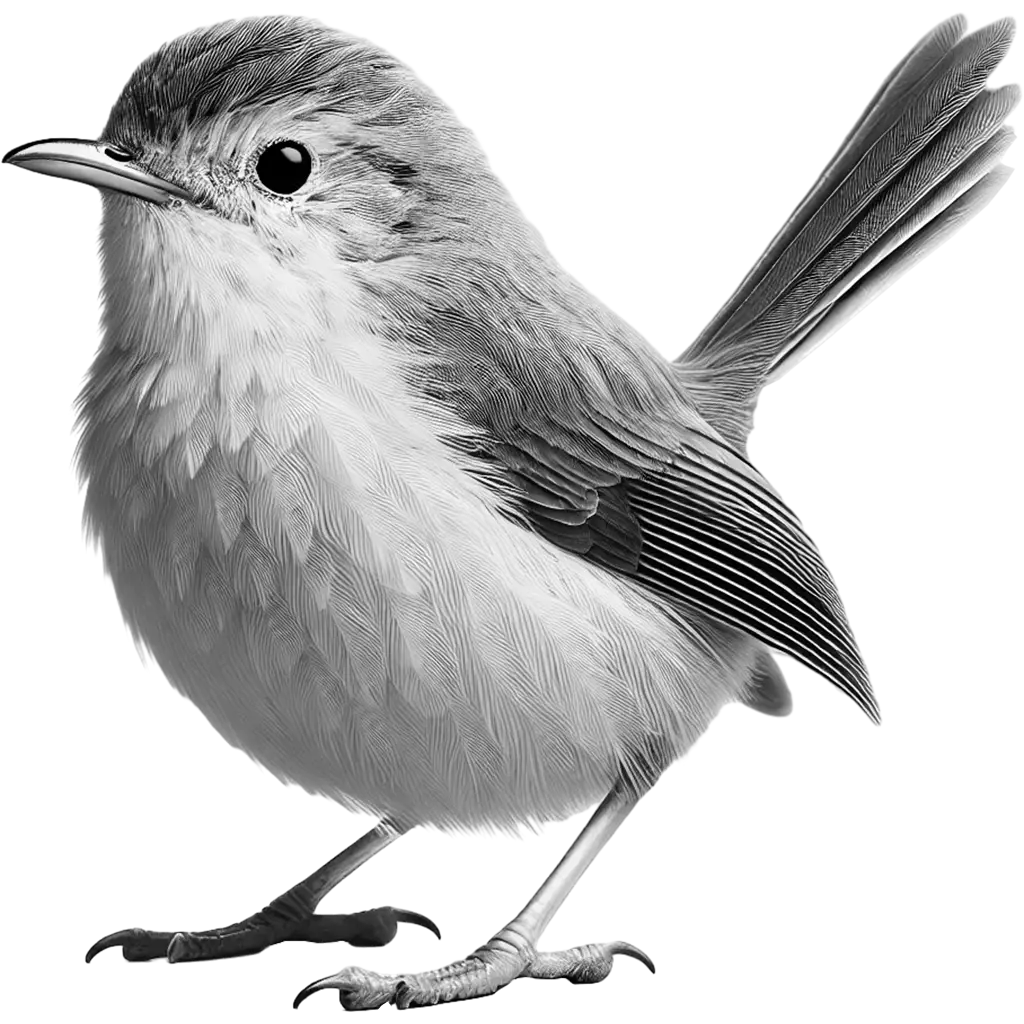
The Pale Prinia is a diminutive bird characterized by its soft, pale plumage that ranges from light gray to off-white. Its slender body is accentuated by subtle streaks along its wings and back, while a delicate, pointed bill and long, tapering tail contribute to its refined, graceful appearance. The bird's
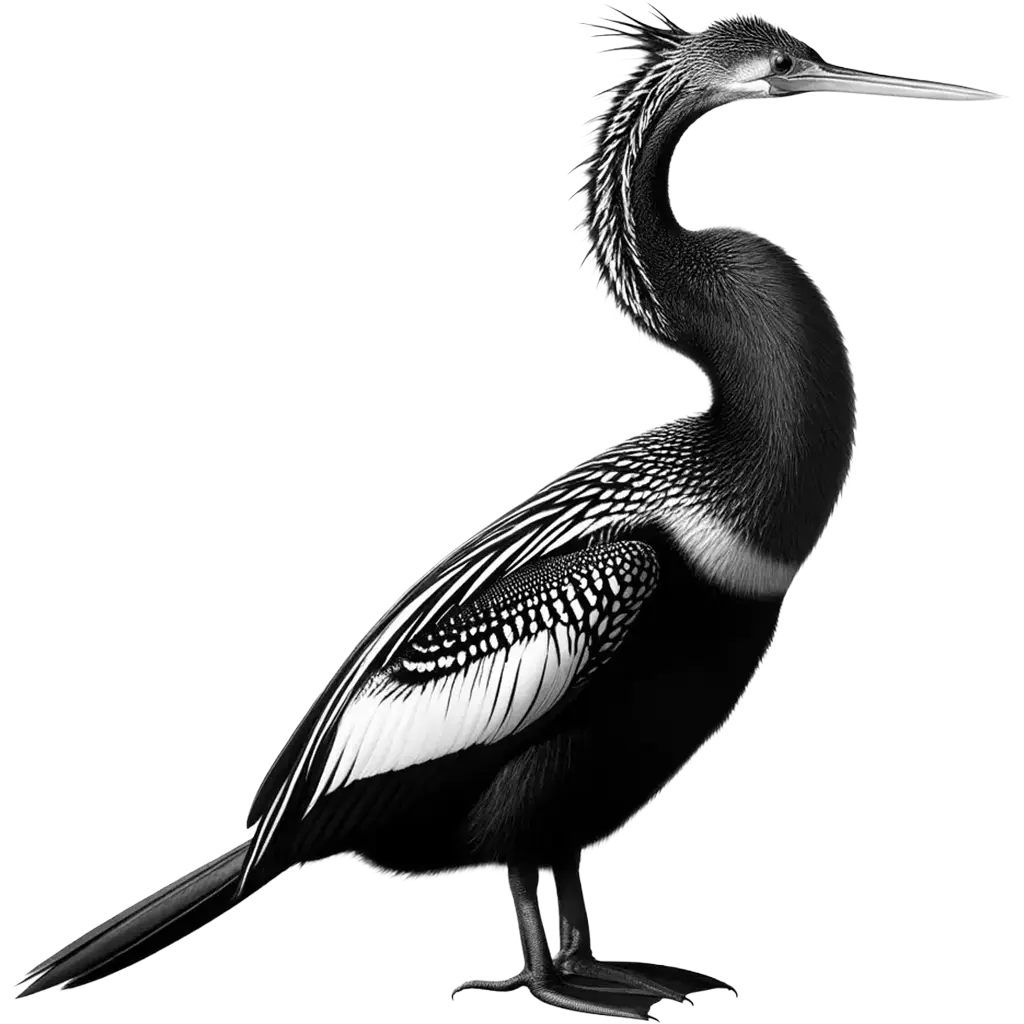
The Anhinga, Anhinga Anhinga, also known as the Snakebird, is a distinctive water bird native to freshwater lakes, swamps, and slow-moving rivers across the American tropics, from the southeastern United States to Argentina. This bird is named for its long, thin neck, which gives it a snake-like appearance when swimming
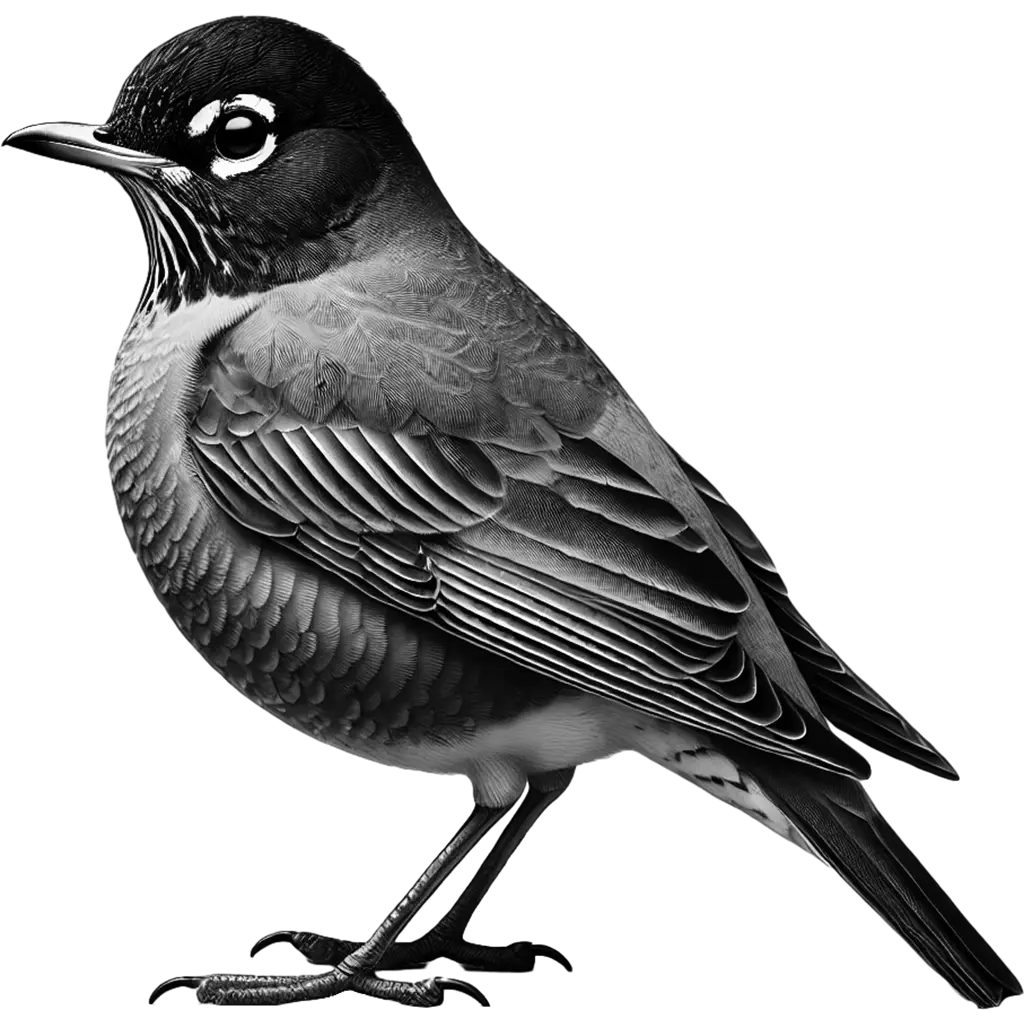
The American Robin is a medium-sized songbird commonly found throughout North America. It is easily recognizable due to its bright orange-red breast, dark gray to black upper body, and striking white eye rings. With a body length of about 23-28 cm and an average weight of 77-85 grams, it is
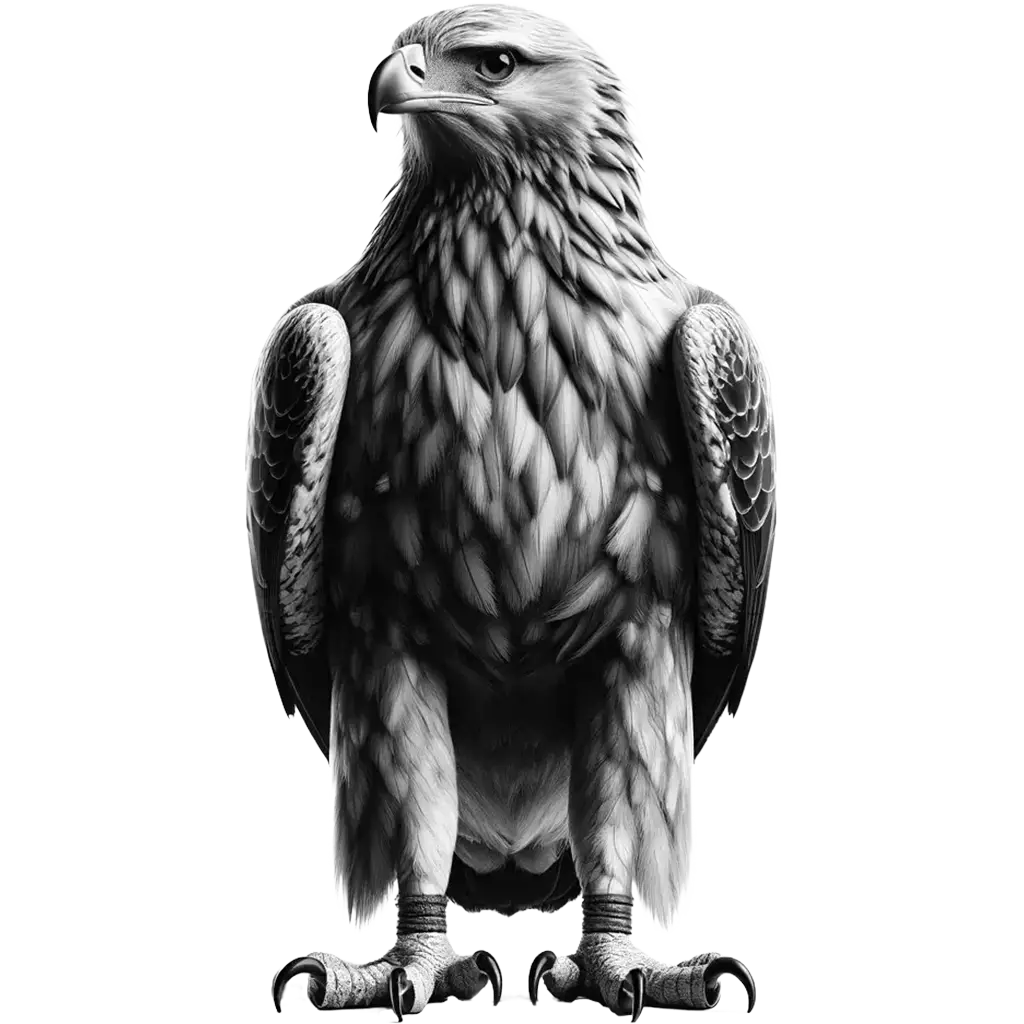
The Lesser Spotted Eagle, clanga pomarina, is a medium-sized bird of prey, distinguished by its relatively small stature compared to other eagles, with a length of about 55 to 65 cm and a wingspan ranging from 145 to 160 cm. The species exhibits a dark brown plumage overall, with lighter,