

Dicaeum Aeruginosum
Striped Flowerpecker
Tropical and subtropical forests
The Striped Flowerpecker is a small, delicate bird boasting a compact body covered in soft, lightly hued plumage. Distinctive narrow stripes run gracefully along its back and wings, accentuating its refined silhouette. A short, conical bill is perfectly adapted for picking tiny fruits, while a long, slender tail provides balance during agile flight. Its bright, expressive eyes and subtle facial markings give it an alert, curious appearance that stands out amid the vibrant foliage of its forest home.
| Population: | Common in Southeast Asia's forest canopies, but declining due to deforestation and fragmentation |
| Generation Length: | 2.5 years |
| Average Weight: | Approximately 10-12 grams |
| Average Length: | Approximately 9-11 cm |
| Lifespan: | Approximately 3-4 years in the wild; up to 5 years in captivity |
| Diet: | Primarily frugivorous, aiding in seed dispersal |
| Conservation Status: | Least Concern (LC) |
In its natural habitat, the Striped Flowerpecker inhabits tropical and subtropical forests where it flits effortlessly among the mid to upper canopy. This bird is highly active during daylight hours, especially in the early morning and late afternoon when fruiting trees are at their most bountiful. It exhibits agile, fluttering flight patterns as it moves between branches and leaves, often joining loose flocks during foraging excursions. Social behavior is subtle but evident; individuals communicate with soft calls and brief chattering, which help maintain group cohesion while foraging. Their constant movement and energy-efficient flight allow them to cover considerable distances in search of food and favorable roosting sites, adapting seamlessly to the dynamic, layered structure of dense forest ecosystems.
Feeding primarily on small, ripe fruits and berries, the Striped Flowerpecker plays a crucial role in seed dispersal within its forest ecosystem. Its delicate, pointed bill is perfectly suited for plucking tiny fruits from the branches of shrubs and small trees. While its diet is largely frugivorous, it also supplements its nutritional intake with occasional insects, which provide a necessary boost of protein and energy. This opportunistic feeding strategy allows the bird to maintain a balanced diet that meets its high metabolic demands. As it forages from one fruiting tree to another, the Flowerpecker inadvertently aids in the propagation and diversity of the forest. This remarkable adaptability in diet allows the Flowerpecker to thrive even during periods when certain food sources are scarce.
During the breeding season, males perform subtle courtship displays that include soft chirps and gentle flights near prospective mates. Once a pair forms, they build a small, concealed nest in the canopy where the female lays 2-3 eggs. Both parents take part in defending the nest, ensuring the hatchlings' early survival through careful, shared vigilance.
In its native range, the Striped Flowerpecker maintains a stable population in undisturbed forest fragments, though widespread deforestation and habitat fragmentation pose significant risks. Local declines have been observed in areas with intensive logging and land-use changes, highlighting the need for ongoing conservation efforts and habitat protection to preserve this vibrant species and its essential ecological role in tropical forest ecosystems.
Classifications
The Key Attributes
Features
- Movement:
Active flyer in the forest canopy with agile, fluttering flight patterns.
- Territorial Behavior:
Generally non-territorial; individuals are often seen in loose groups during feeding.
- Speed:
Moderate speed with quick bursts during foraging.
- Diet:
Primarily frugivorous, consuming small fruits and berries with occasional insect supplementation for extra protein.
- Physical Features:
- Small, compact body with delicate, lightly colored plumage
- Distinctive narrow stripes along the back and wings
- A short, conical bill ideal for picking tiny fruits
- A long, slender tail that aids in balance during agile flight
- Primary Senses:
- Sight
- Hearing
Understanding Habitat and Range
Geography
- Habitat:
Tropical and subtropical forests
- Migration Patterns:
Non-migratory; exhibits local movements in search of food.
- Geographical Range:
Found across parts of Southeast Asia, including Malaysia, Indonesia, and the Philippines.
- Climate Preferences:
Prefers humid, warm climates with consistent rainfall.
Navigating the Wilderness
In the wild
- Predators:
Small arboreal raptors and insectivorous birds may prey on juveniles.
- Prey:
Primarily small fruits and berries, with occasional insects.
- Feeding Behavior:
Forages by flitting between fruiting trees, gleaning small fruits and occasionally insects from foliage.
- Diet:
Primarily frugivorous, aiding in seed dispersal
- Defensive Mechanisms:
- Effective camouflage among leaves
- Rapid, erratic flight to evade predators
- Preferred Food Sources:
- Fruiting trees and shrubs
- Insect patches on leaves
Insights Into Reproduction
Mating
- Mating System:
Generally monogamous during the breeding season, with males displaying territorial behaviors to attract females.
- Number of Offspring:
Typically 2-3 eggs per clutch.
- Incubation Period:
Eggs hatch after approximately 14-16 days.
- Parental Involvement:
- Both parents share responsibilities in nest building and feeding the chicks until they fledge.
Youngsters Section
Striped Flowerpecker
Fun Fact
The striped flowerpecker is a tiny, vibrant bird with bright colors and a sharp, pointed beak perfect for feeding on nectar.
This little bird flits from flower to flower, using its beak to sip nectar and help pollinate plants. Known for its quick movements and bold stripes, the striped flowerpecker is a joyful sight, darting through the branches in search of food. It's like a living jewel, adding beauty and life to its surroundings!

Download word search puzzles
Word Search Puzzles


Check Out Other Birds
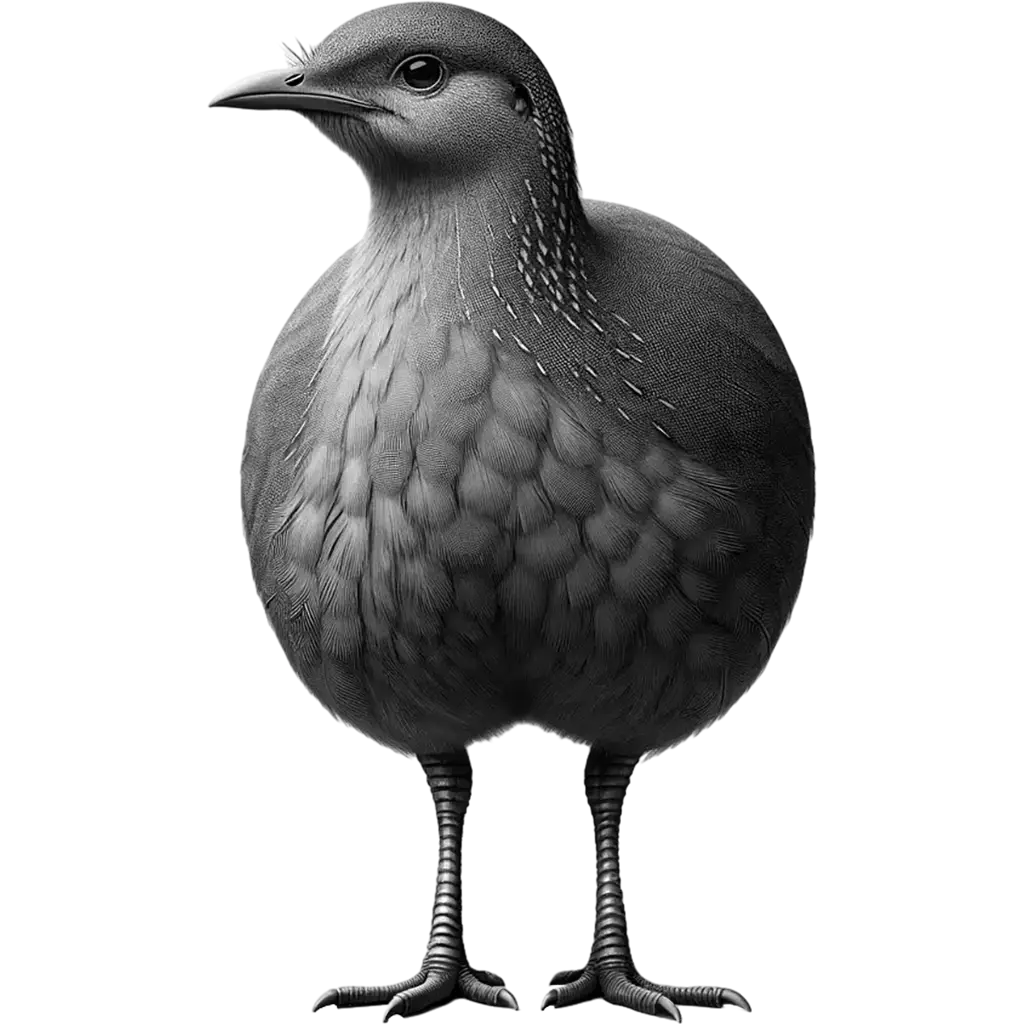
The Great Tinamou, tinamus major, is a large, ground-dwelling bird native to the rainforests of Central and South America. This elusive species is characterized by its soft, cryptically colored plumage, typically shades of brown and gray, which aids in camouflage within the forest floor's leaf litter. Adults can reach up

The African Sacred Ibis, threskiornis aethiopicus, is a striking wading bird native to sub-Saharan Africa and parts of Iraq. It is notable for its predominantly white plumage, contrasting black head and neck, and an impressive wingspan that features black flight feathers. Adults typically measure about 68 to 89 cm in

The Pink-Headed Warbler, cardellina versicolor, is a strikingly beautiful bird, notable for its vibrant pink head and chest that contrast sharply with its dark red body. This small bird, measuring approximately 13 to 14 cm in length, possesses a unique coloration among warblers, making it a sought-after species for birdwatchers.
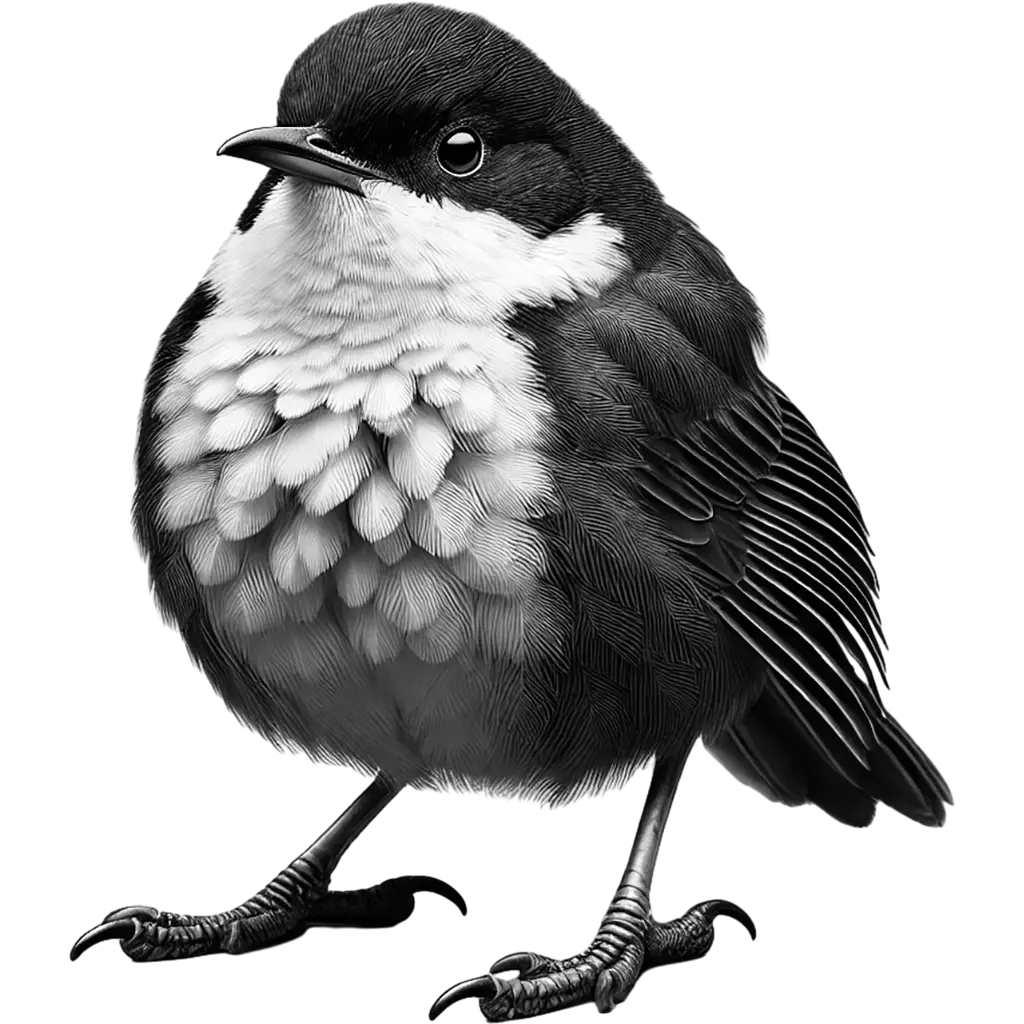
The White-throated Mountain Babbler exhibits a striking combination of subtle hues and refined features that distinguish it from other mountain birds. Its head is adorned with a soft white throat contrasting against warm, earthy browns across its body. The bird's feathers display gentle gradations of olive and gray, while its